Quick Answer
If you’re looking for the best protein powder right now, Optimum Nutrition Gold Standard Whey dominates for all-around performance, Orgain Organic Protein leads for plant-based options, and Isopure Zero Carb is your best bet for pure protein with minimal additives. The “best” choice depends on your diet type, budget, and fitness goals—which is why we’ve ranked options across multiple categories below.
—
Top Protein Powders Ranked by Category
Best Overall: Optimum Nutrition Gold Standard Whey
Optimum Nutrition Gold Standard Whey has maintained its position as a top-selling whey protein for over a decade for good reason. Each serving delivers 24g of protein with relatively low carbs and fat, making it suitable for most fitness goals. The mixability is excellent—no chalky aftertaste or grittiness—and it comes in 20+ flavors.
The microfiltered whey concentrate and isolate blend keeps costs reasonable while maintaining quality. Users consistently report good results during both cutting and bulking phases.
Pros:
– Excellent mixability and taste across flavors
– 24g protein per serving with 120 calories
– Third-party tested for banned substances
– Good value at scale
Cons:
– Contains artificial sweeteners (sucralose)
– Not organic or non-GMO verified
– Slightly higher sodium content (140mg per serving)
—
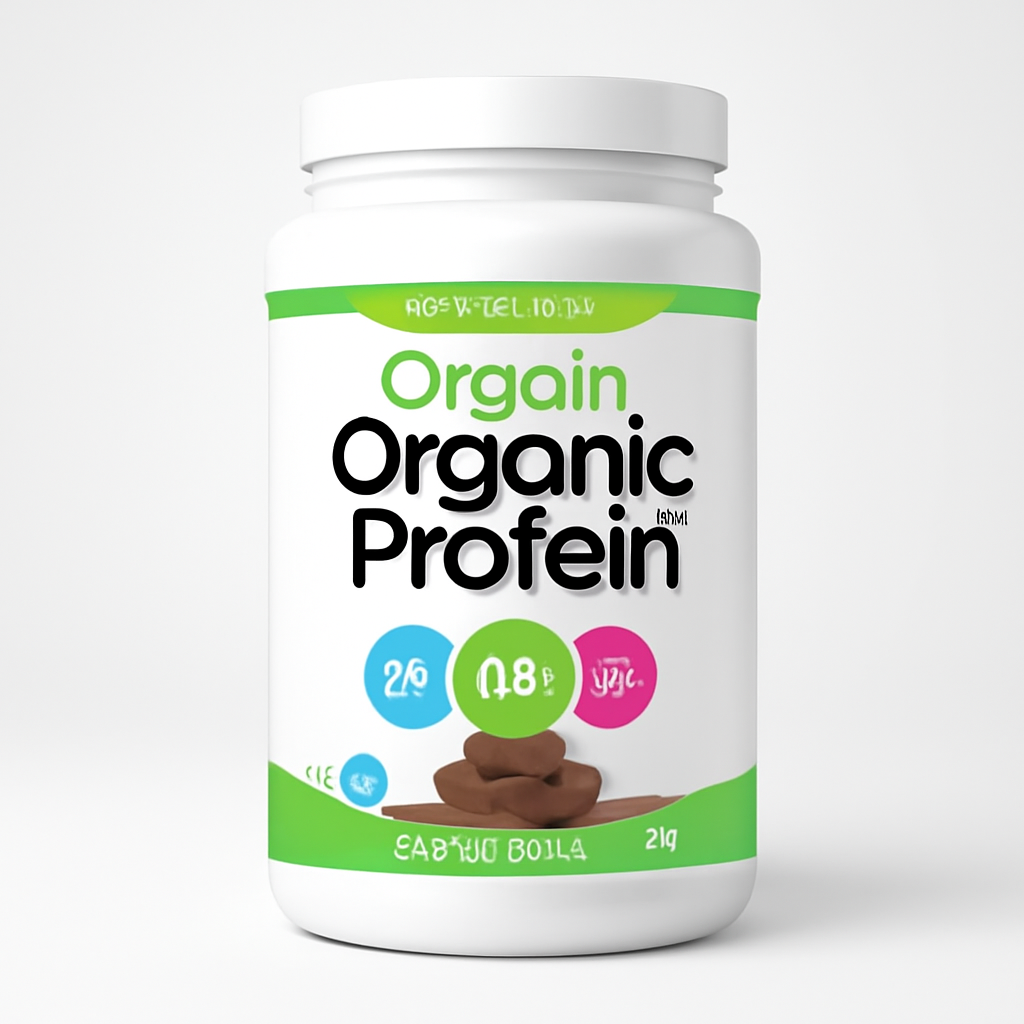
Best Plant-Based: Orgain Organic Protein
If you’re vegan, dairy-free, or simply prefer plant-based nutrition, Orgain Organic Protein stands out with a blend of organic pea protein, brown rice protein, and chia seeds. It delivers 21g protein per serving with added digestive enzymes.
This powder mixes well in both shakes and oatmeal, and the organic certification matters to many health-conscious consumers. It’s sweetened with stevia rather than artificial sweeteners.
Pros:
– USDA organic certified
– Natural sweetener (stevia)
– Good amino acid profile from diverse plant sources
– Contains added probiotics
Cons:
– Slightly thicker texture than whey
– More expensive per serving than whey options
– 150 calories per serving
—
Best for Minimalists: Isopure Zero Carb
Isopure Zero Carb is protein powder stripped to its essentials: 50g whey protein isolate, virtually zero carbs, zero sugar, and minimal ingredients. No fillers, no complex blends—just pure protein.
This is ideal for people on strict keto diets or those who want complete control over their macronutrient intake. The flavor is clean but not exceptional; many users mix it with coffee or blend it into smoothies rather than drinking it plain.
Pros:
– 50g protein isolate per serving
– 0g carbs, 0g sugar
– Minimal ingredient list
– Works well in recipes and smoothies
Cons:
– Expensive per serving
– Less flavorful than other options
– Chalky texture unless blended well
– Limited flavor variety
—
Best Budget Option: MyProtein Impact Whey
MyProtein Impact Whey offers exceptional value without sacrificing quality. At roughly half the price of premium brands, you get 21g protein per serving with similar microfiltering standards.
The taste and mixability are competitive with more expensive brands, and MyProtein frequently runs promotions that push the price even lower. It’s an excellent choice if you prioritize cost efficiency.
—
| Product | Best For | Price Range | Protein/Serving |
| Optimum Nutrition Gold Standard Whey | All-around performance | $0.70-$1.00/serving | 24g |
| Orgain Organic Protein | Plant-based & organic | $1.20-$1.50/serving | 21g |
| Isopure Zero Carb | Keto & minimalist diets | $1.80-$2.20/serving | 50g |
| MyProtein Impact Whey | Budget conscious | $0.35-$0.60/serving | 21g |
—
How We Test and Rate Protein Powders
When evaluating protein powders, we consider multiple real-world factors:
Nutritional Content
– Protein concentration: How much actual protein per serving vs. total serving size
– Amino acid profile: Presence of all 9 essential amino acids and BCAA ratio
– Carbs and sugar: Total carbs, added sugars, and fiber content
– Fat content: Type and amount of fat (MCTs vs. saturated fat)
– Micronutrients: Added vitamins, minerals, and bioavailable forms
Mixability and Taste
We mix each powder with water, milk, and in smoothies. We assess:
– Whether it clumps or requires excessive blending
– Aftertaste (chalky, metallic, sweet, etc.)
– Flavor consistency across varieties
– How it performs in recipes beyond simple shakes
Ingredient Quality
– Third-party testing (NSF Certified for Sport, Informed Choice, etc.)
– Source transparency (where protein concentrates come from)
– Unnecessary additives or fillers
– Allergen presence
Price-to-Value Ratio
We calculate cost per gram of protein, compare bulk pricing, and assess whether premium pricing correlates with demonstrable quality improvements.
Customer Satisfaction
We review verified purchase feedback across multiple platforms to identify common user experiences, both positive and negative.
—
Whey vs. Plant-Based vs. Casein: Which Type Is Best?
The protein source you choose matters—not all proteins are created equal.
Whey Protein (Fast-Digesting)
Best for: Post-workout recovery, building muscle, general fitness
Whey is a complete protein with all 9 essential amino acids and high leucine content (which triggers muscle protein synthesis). It absorbs quickly—typically 30-60 minutes—making it ideal for post-workout windows.
Whey types:
– Concentrate (70-80% protein): Less processed, more lactose, more affordable
– Isolate (90%+ protein): Further processed, nearly lactose-free, slightly more expensive
– Hydrolysate: Pre-broken amino chains for fastest absorption; rarely necessary for most users
Drawback: Whey comes from dairy, so it’s unsuitable for vegans or the lactose intolerant.
Plant-Based Protein (Moderate Speed)
Best for: Vegans, dairy-free diets, environmental consciousness, whole-food nutrition
Plant proteins from pea, rice, hemp, and soy are complete proteins (when blended) with lower environmental impact. They absorb slower than whey (60-90 minutes) but still work well for muscle building.
Advantage: Often come with digestive enzymes and probiotics. Orgain, for example, includes added fiber.
Drawback: Generally more expensive and less researched for athletic performance than whey. Some users find the taste less refined.
Casein Protein (Slow-Digesting)
Best for: Overnight recovery, sustained amino acid release, nighttime consumption
Casein forms a gel in your stomach, releasing amino acids gradually over 6-8 hours. It’s excellent before bed or for sustained hunger suppression.
Drawback: Less practical for post-workout use. Most people don’t need dedicated casein if whey fits their schedule.
The Verdict on Type
For most people: Whey is the practical choice—proven effective, affordable, and well-researched. If you’re lactose intolerant or vegan, quality plant-based options like Orgain work equally well for muscle building, just at higher cost.
Casein is useful but niche; prioritize whey first.
—
Key Ingredients and Nutritional Factors to Consider
Not all protein powders are equal, even at similar price points. Here’s what to examine on nutrition labels:
Protein-to-Serving Ratio
A 25g serving with 20g protein is better than a 35g serving with 20g protein—the difference is filler.
Benchmark: Look for at least 80% protein concentration. Premium powders hit 90%+.
Amino Acid Profile
All protein powders contain amino acids, but the ratio matters:
– Leucine: Highest in whey; triggers muscle growth
– BCAAs (leucine, isoleucine, valine): Support recovery and reduce fatigue
– Glutamine: Supports gut health and recovery
Plant-based blends (pea + rice) create complete profiles comparable to whey.
Added Ingredients: Helpful or Hype?
Worth having:
– Digestive enzymes (protease, amylase): Improve absorption
– Probiotics: Support gut health
– Vitamin & mineral blend: Only if bioavailable forms (like chelated minerals)
Skip or minimize:
– Filler amino acids (taurine, citrulline): Cheap way to inflate amino acid counts
– Excessive sweeteners: More than one sweetening agent suggests taste issues
– Thickening agents: Usually indicates poor protein quality
Sweetener Choice
– Stevia/monk fruit: Natural, zero calories, aftertaste for some users
– Sucralose: Artificial, stable during mixing, controversial health claims
– Aspartame: Older artificial sweetener; fine for most but some avoid it
– Sugar alcohols (erythritol, xylitol): Natural-ish, may cause digestive issues
No perfect choice—pick based on your tolerance and preferences.
Allergens and Certifications
Check for:
– Dairy-free: For lactose intolerance
– Gluten-free: Even though most powders are naturally gluten-free, certification matters
– NSF Certified for Sport: Third-party tested for banned substances (important for competitive athletes)
– Informed Choice: Tested for contaminants
—
Price Comparison: Best Value Protein Powders
Cost Per Serving Breakdown (2026 Pricing)
| Product | Serving Size | Protein/Serving | Est. Cost/Serving | Cost/Gram Protein |
| MyProtein Impact Whey | 25g | 21g | $0.45 | $0.021 |
| Optimum Nutrition Gold Standard | 30g | 24g | $0.85 | $0.035 |
| Isopure Zero Carb | 31g | 50g | $2.00 | $0.040 |
| Orgain Organic Protein | 31g | 21g | $1.35 | $0.064 |
Budget Strategy
If you have a tight budget: MyProtein Impact Whey delivers excellent quality at the lowest cost per serving. A 2.2kg tub typically costs and lasts 3+ months for daily users.
If you can spend moderately: Optimum Nutrition Gold Standard is worth the premium for better taste and proven track record. A 2lb tub runs.
If cost is secondary: Isopure Zero Carb for specific dietary needs; Orgain for organic/plant-based requirements.
Bulk Purchasing Tips
– Buy 2.2kg (5lb) tubs instead of smaller 1lb containers—per-serving cost drops 20-30%
– Subscribe to Amazon’s subscribe-and-save for automatic discounts (5-20% depending on frequency)
– Watch for seasonal sales (January resolutions, summer fitness peaks)
– Warehouse clubs like Costco carry Gold Standard at competitive prices
—
Customer Reviews and Real User Experiences
What Users Love About Top Performers
Optimum Nutrition Gold Standard Whey
– “Mixes clean, tastes like dessert, no grit or chalky finish”
– “Been using for 5+ years; consistency is reliable”
– “Recovery feels better than cheaper brands I’ve tried”
Orgain Organic Protein
– “Finally a plant protein that doesn’t taste like grass”
– “Great for smoothie bowls; adds creaminess”
– “Digestive issues went away after switching from whey”
MyProtein Impact Whey
– “Price is insane for the quality—tastes like Gold Standard but costs half”
– “Their strawberry flavor is genuinely good”
– “Bulk discount during sales makes it unbeatable”
Common Complaints (And When They Matter)
General protein powder complaints:
– “Doesn’t mix well” — Usually fixable with a blender or shaker bottle
– “Gave me bloating” — More common with plant-based; digestive enzymes help
– “Tastes artificial” — Expected with any powder; real ingredients cost more
– “Too expensive” — Valid, but bulk buying reduces cost significantly
Product-specific issues:
– Isopure Zero Carb is chalky unless blended; best for recipes
– Orgain is thicker; some prefer it in oatmeal rather than water
– MyProtein sometimes sells out of flavors; stock up when available
—
Final Recommendations Based on Your Fitness Goals
Goal: Build Muscle & Strength
Best choice: Optimum Nutrition Gold Standard Whey
Why: High protein content (24g), excellent leucine ratio, proven track record in research. Post-workout timing matters more than brand, but this powder supports that protocol well.
Budget alternative: MyProtein Impact Whey
The protein content is lower (21g) but still adequate; you’ll save money without sacrificing results.
—
Goal: Lose Fat / Cut
Best choice: Isopure Zero Carb
Why: 50g protein in virtually zero carbs lets you hit protein targets without wasting macros. The high protein content aids satiety during caloric deficits.
Budget alternative: Optimum Nutrition Gold Standard (Vanilla)
At 120 calories and 24g protein per serving, it’s lean and reliable for cutting phases.
—
Goal: Plant-Based / Vegan Fitness
Best choice: Orgain Organic Protein
Why: Complete amino acid profile, organic certification, added digestive support. Real food ingredients matter for whole-food philosophies.
Budget alternative: Find a multi-source plant blend (pea + rice + hemp) at a fitness retailer. Orgain is pricey; some budget plant options exist but fewer are verified organic.
—
Goal: High-Performance / Competitive Sport
Best choice: Optimum Nutrition Gold Standard Whey with NSF Certification
Why: NSF Certified for Sport means it’s tested for banned substances—critical for athletes subject to drug testing. The consistent quality supports performance without risk.
—
Goal: Convenience & Simplicity
Best choice: Isopure Zero Carb
Why: Minimal ingredient list means fewer variables. Simple is often better for identifying what works for your body.
—
Our Verdict
The best protein powder for you depends on three factors:
1. Your diet type (omnivore, vegan, keto)
2. Your budget (casual fitness vs. serious investment)
3. Your specific goal (muscle gain, fat loss, general health)
The Overall Winner: Optimum Nutrition Gold Standard Whey
If you had to pick one powder that balances quality, affordability, and proven results, Optimum Nutrition Gold Standard Whey is the safest choice. It’s used by beginners and competitive athletes alike because it simply works. The taste is legitimately good, mixability is reliable, and the nutritional profile supports any fitness goal.
Runner-Up for Value: MyProtein Impact Whey
If budget is your primary concern, MyProtein Impact Whey delivers 90% of the quality at 40% of the cost. The trade-off is slightly lower protein per serving (21g vs. 24g) and less brand prestige—but functionally, it’s excellent.
Best Specialist Pick: Orgain Organic Protein
For plant-based dieters or those prioritizing organic/whole-food ingredients, Orgain Organic Protein justifies its premium price. It’s the least “processed” option without sacrificing performance.
Best for Purists: Isopure Zero Carb
If you want maximum protein with zero compromise on carbs, Isopure Zero Carb delivers 50g per serving. It’s expensive, but it’s the most “honest” protein powder on the market.
—
Final Thoughts
Protein powder is a tool, not a magic supplement. The best powder is the one you’ll actually use consistently. If you hate the taste of Gold Standard but love MyProtein’s strawberry flavor, the latter is better for you—consistency beats optimization.
Start with a smaller