Quick Answer
Protein shakes can support weight loss by increasing satiety, preserving muscle during calorie deficits, and replacing high-calorie meals. The best options in 2026 combine 20-30g protein per serving with under 200 calories, minimal added sugars, and clean ingredients. Isopure Zero Carb, Premier Protein, Orgain Organic Protein, and Optimum Nutrition Gold Standard 100% Whey are top choices for different preferences and budgets.
—
How Protein Shakes Support Weight Loss
Let’s start with the science: if you’re trying to lose weight, you’ve probably heard that protein is your friend. Here’s why protein shakes specifically work for weight loss.
Increases Satiety and Reduces Hunger
When you drink a protein-rich shake, it triggers satiety hormones like peptide YY and GLP-1. This means you feel fuller for longer, making it easier to stick to a calorie deficit without constant hunger pangs. Studies show that protein is the most satiating macronutrient—more than carbs or fats—so a shake with 25+ grams of protein can genuinely suppress appetite for 2-3 hours.
Preserves Muscle Mass During Weight Loss
During a calorie deficit, your body naturally breaks down both fat and muscle for energy. Adequate protein intake signals your body to spare muscle tissue and burn fat instead. Protein shakes make it easier to hit your daily protein target (0.7-1g per pound of body weight), which is essential if you’re losing weight and want to maintain strength and metabolism.
Boosts Metabolism
Protein has a higher thermic effect of food (TEF) than carbs or fats, meaning your body burns more calories just digesting it. When you replace a 400-calorie meal with a 150-calorie protein shake, you’re creating a deficit—and the protein helps preserve the muscle that drives your resting metabolic rate.
Convenient Meal or Snack Replacement
Let’s be honest: willpower is limited. A grab-and-go protein shake eliminates decision fatigue at lunch or post-workout when you might otherwise reach for something less healthy. This convenience factor alone helps many people stay consistent with weight loss.
—
Top Protein Shakes for Weight Loss in 2026
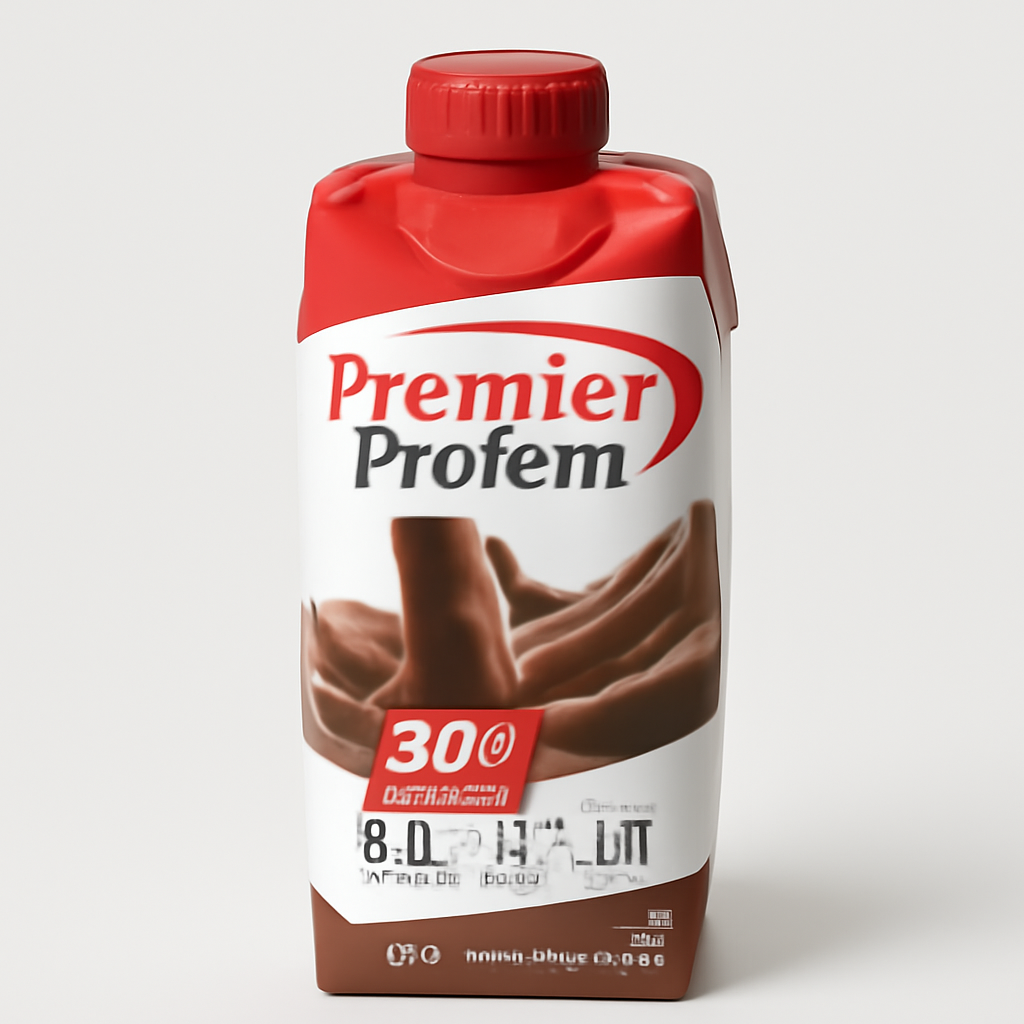
1. Premier Protein
Best for: Budget-conscious buyers seeking macro balance
Premier Protein has become a staple in the weight loss community, and for good reason. Each serving contains 30g protein, just 1-2g net carbs, and 160 calories. The formula uses a blend of whey protein isolate and milk protein concentrate, keeping the texture smooth without the chalky aftertaste common in low-sugar shakes.
Flavors like Chocolate Peanut Butter and Vanilla Chai actually taste good—this matters more than people admit when you’re drinking shakes daily. The price point sits around per serving, making it accessible for long-term use.
Who should buy it: Anyone doing a strict calorie deficit who needs convenience without breaking the bank. The macros lean toward protein and fat (good fats too), making it surprisingly satisfying.
Potential drawbacks: Some users report digestive sensitivity to the sugar alcohols used (stevia blend), and a few say the texture is slightly thicker than expected.
2. Isopure Zero Carb
Best for: Strict keto and low-carb dieters
If you’re following a ketogenic diet or ultra-low-carb approach, Isopure Zero Carb is purpose-built for you. With 25g protein, 0g net carbs, 0g sugar, and 110 calories, it won’t kick you out of ketosis and delivers clean energy.
The ingredient list is refreshingly short: whey protein isolate, water, natural flavors, sweeteners. No fillers, no proprietary blends—just protein. The taste is clean and neutral, which some prefer and others find boring compared to flavored options.
Who should buy it: Keto enthusiasts, people with digestive issues from artificial ingredients, and those who want maximum protein-to-calorie ratio. It mixes instantly in water or almond milk.
Potential drawbacks: Limited flavor variety compared to competitors, and the simplicity means it’s less satisfying as a meal replacement (you might get hungry faster).
3. Orgain Organic Protein
Best for: Health-conscious consumers wanting clean ingredients
Orgain caters to the clean-label crowd. Made from organic plant-based proteins (pea, brown rice, chia), it’s non-GMO, hormone-free, and free from artificial sweeteners (uses stevia instead). At 20g protein, 150 calories, and 1g sugar per serving, it’s a solid option for weight loss.
The trade-off: plant-based proteins don’t absorb as efficiently as whey, and the texture is sometimes grainier. However, if you’re dairy-free or vegan, this is a genuine choice rather than a compromise.
Who should buy it: Vegans, people with whey allergies, and those prioritizing ingredient quality over maximum protein. If environmental impact and organic sourcing matter to you, this aligns with your values.
Potential drawbacks: Slightly higher price than whey alternatives, less protein than whey isolates, and the taste profile leans “earthy”—acceptable but not indulgent.
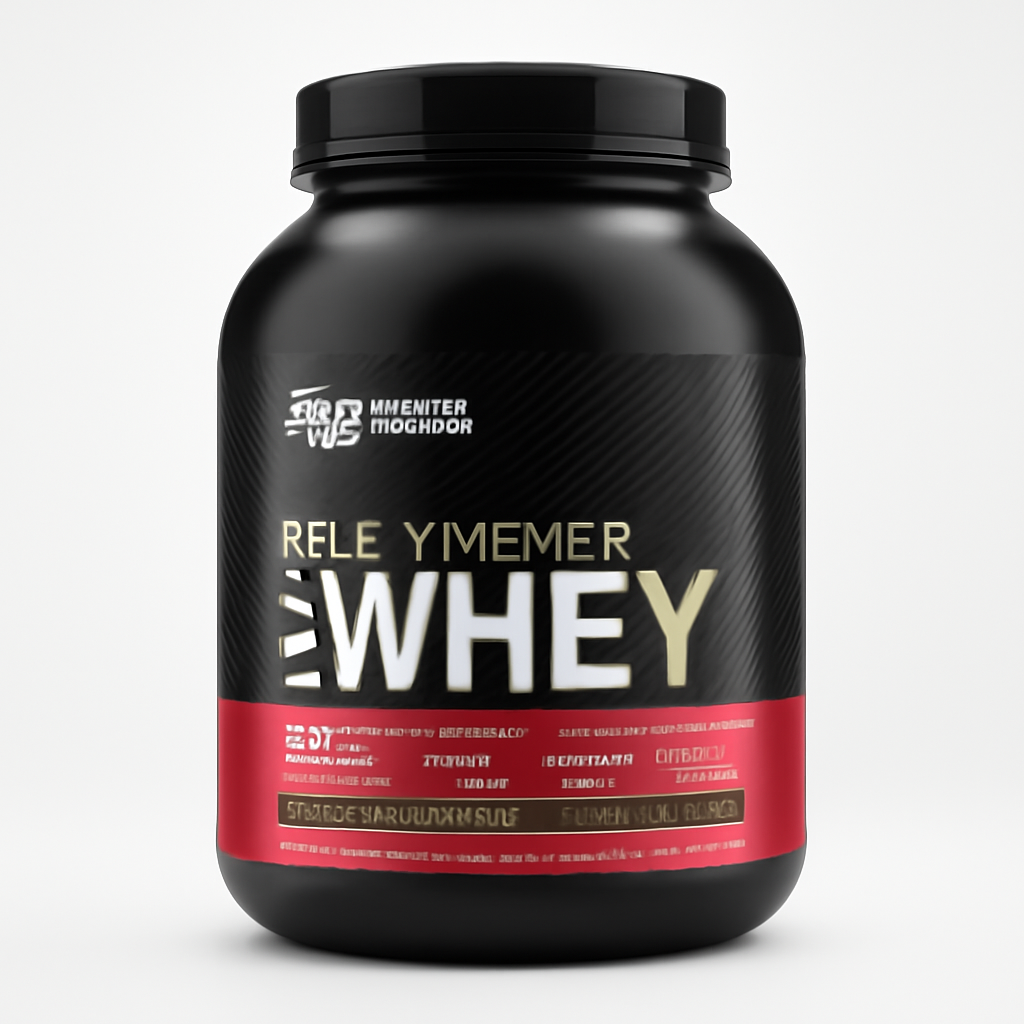
4. Optimum Nutrition Gold Standard 100% Whey
Best for: Serious fitness enthusiasts and gym-goers
Optimum Nutrition’s Gold Standard is the industry workhorse. It’s been reformulated in 2026 to include digestive enzymes and better mixability. At 24g protein, 120 calories, and less than 1g sugar, it delivers excellent macros with proven mixability (no clumps in a shaker bottle).
This isn’t a “weight loss specific” shake—it’s a legitimate sports nutrition product that happens to work great for weight loss. The 30+ flavor options mean you’ll find something you love, and the quality control is meticulous.
Who should buy it: People who lift weights and want a shake that supports both performance and fat loss. If you’re building muscle while losing fat (recomposition), this prioritizes muscle preservation.
Potential drawbacks: More expensive than budget brands, and the macros skew higher in carbs (though still low for overall goals). Contains leucine and isoleucine in addition to protein, which is great for muscle but adds cost.
—
Quick Comparison Table: Top Weight Loss Protein Shakes 2026
| Product | Best For | Protein/Serving | Calories | Net Carbs | Price Range |
| Premier Protein | Budget + balanced macros | 30g | 160 | 1-2g | $1.50-$2.00/serving |
| Isopure Zero Carb | Keto dieters | 25g | 110 | 0g | $1.80-$2.30/serving |
| Orgain Organic | Clean label, plant-based | 20g | 150 | 1g | $2.00-$2.80/serving |
| ON Gold Standard Whey | Gym-focused, muscle building | 24g | 120 | 3g | $1.60-$2.40/serving |
—
Low-Calorie vs. Meal Replacement Shakes
Understanding the difference matters for your goals.
Low-Calorie Protein Shakes (100-180 calories)
These are snack supplements, not meal substitutes. Examples include Isopure Zero Carb and most standalone protein powders mixed with water or almond milk.
Use case: Post-workout recovery, between-meal hunger control, breakfast boost with solid food.
Pros:
– Extreme flexibility in how you build them
– Won’t make you overfull if you eat regular meals
– Lowest calorie option for adding protein
Cons:
– Not substantial enough as a sole meal replacement
– You might get hungry 1-2 hours later
Meal Replacement Shakes (200-400 calories)
These are fortified with added carbs, fats, fiber, and micronutrients to function as a complete meal. Premier Protein and Orgain sit in this range.
Use case: Breakfast alternative, busy lunch, post-workout meal when solid food isn’t available.
Pros:
– Actually keeps you full for 3-4 hours
– Includes vitamins and minerals
– Easier to create a consistent calorie deficit
Cons:
– Less flexible than low-calorie shakes
– Can feel repetitive if consumed daily
For weight loss specifically: Meal replacement shakes work better if you’re replacing 1-2 meals daily. Low-calorie shakes work better for supplementing an otherwise solid diet. Mix and match based on your schedule.
—
Key Ingredients to Look For
Not all protein shakes are created equal. Here’s what separates the weight-loss-friendly shakes from the rest.
High-Quality Protein Source
What to look for: Whey protein isolate (not concentrate) for speed, amino acid profile, and maximum protein-per-calorie. Whey isolate goes through microfiltration to remove more lactose and fat.
Plant-based alternative: Pea + brown rice protein blend offers a complete amino acid profile better than pea alone.
Avoid: “Protein blend” without specification, as it often hides cheaper, lower-quality sources.
Minimal Added Sugars & Smart Sweetening
Target: Under 1g added sugar per serving. Watch the sweetener approach.
– Stevia: Natural, zero calories, sometimes bitter aftertaste. Orgain uses this.
– Erythritol: Zero calorie sugar alcohol, minimal digestive impact, cleaner taste.
– Monk fruit: Similar to stevia, natural, increasingly common in 2026.
– Avoid: Sucralose and aspartame if you’re sensitive; they’re safe but some prefer natural options.
Fiber Content (3-5g ideal)
Fiber slows digestion, improves satiety, and supports gut health—all bonuses during weight loss. Most powder shakes lack fiber; Premier Protein includes inulin (prebiotic fiber), which is a plus.
Micronutrients & Digestive Support
In 2026, the better shakes include:
– Digestive enzymes (amylase, protease, lipase) to improve absorption
– Probiotics for gut health
– Added vitamins especially B-vitamins and iron if you’re replacing meals
These aren’t essential but signal a more thoughtful formulation.
Avoid These Red Flags
– Long lists of artificial ingredients you can’t pronounce
– Proprietary blends (you don’t know what’s actually in it)
– Added “superfood” powders that justify inflated prices without research backing
– Excessive caffeine (100mg+ per serving) unless you specifically want it
—
Protein Shake Flavors & Taste Comparison
Taste is underrated in weight loss discussions. If your shake tastes like gym sock, you won’t drink it consistently—and consistency is everything.
Best-Tasting Shakes by Category
Chocolate (universally safe): Premier Protein’s Chocolate Peanut Butter and Optimum Nutrition’s Double Rich Chocolate are genuinely good. They taste like dessert without the sugar crash.
Vanilla (hit-or-miss): Vanilla can taste chalky or artificial. Isopure’s vanilla is clean and neutral (not exciting), while Premier Protein’s Vanilla Chai brings complexity that makes it interesting daily.
Fruit flavors: Orgain’s Creamy Chocolate Peanut Butter (yes, it’s fruit-forward) and most berry flavors from established brands work well. Avoid anything with “punch” or “blast” in the name—that’s usually bad sign.
Trending in 2026: Coffee-flavored shakes (cold brew, mocha) are having a moment. These work as breakfast replacement or post-afternoon slump solution.
Mixing & Customization Tips
– Base liquid matters: Water makes shakes chalky; unsweetened almond milk adds richness; fairlife milk boosts protein further.
– Add-ins: Greek yogurt (extra protein + creaminess), nut butter (satiating fat), spinach (hidden nutrients, no taste change), frozen berries (texture upgrade).
– Temperature: Cold shakes are more palatable than room temperature. Invest in a blender bottle if you’re shaking-not-blending.
—
How to Use Protein Shakes for Maximum Weight Loss Results
Having the right shake means nothing if you don’t use it strategically. Here’s how to actually lose weight with them.
Timing & Frequency
Breakfast: If you’re a serial breakfast-skipper, a meal replacement shake (200+ calories) can jumpstart your day without the morning rush. This prevents the 11 a.m. vending machine raid.
Post-workout (within 30-60 minutes): A low-calorie shake with carbs replenishes glycogen and jumpstarts recovery. This supports muscle preservation during fat loss. Optimum Nutrition Gold Standard is ideal here.
Lunch replacement: Once or twice weekly maximum. Daily liquid lunches get boring and might not keep you full through afternoon. Mix solid meals with shakes.
Between-meal hunger: A 100-150 calorie shake beats crackers or coffee + pastry. Premier Protein fits here perfectly.
Calorie Deficit Math
You can’t out-protein-shake a poor diet. Weight loss fundamentally requires a calorie deficit (typically 300-500 calories below maintenance).
Example: If your maintenance is 2,000 calories and you aim for 1,700:
– 2 meals at 500-600 calories each = 1,000-1,200 calories
– 1 meal-replacement shake (250 calories) = 250 calories
– 1-2 snacks/shakes (100-200 calories) = 100-200 calories
– Total: ~1,350-1,650 calories (consistent deficit)
Shakes make this mathematically easier because they’re pre-calculated and convenient.
Hunger Management Strategy
The mistake people make: drinking a shake and expecting it to hold them until the next meal. It won’t, not reliably.
Better approach:
1. Drink shake + eat a solid meal later (staggered eating)
2. Combine shake with whole foods (shake + apple + almonds)
3. Use shakes to replace specifically problematic meals (e.g., the vending machine lunch)
Hydration & Satiety
Protein shakes are mostly water, which helps with hydration but doesn’t count as water intake. Drink 2-3 liters of plain water daily alongside shakes. This boosts satiety further and supports overall metabolism.
Track, Adjust, Repeat
Use a food tracking app (MyFitnessPal, Cronometer) for 2-4 weeks. Log your shakes, meals, and weight trends. If you’re not losing 1-2 pounds weekly after the first week (water weight), reduce calories by 100-150 and reassess in another 2 weeks.
—
FAQs About Weight Loss Protein Shakes
Can you lose weight drinking only protein shakes?
Technically yes, but it’s unsustainable and unnecessary. A complete diet with whole foods, fiber, and micronutrients keeps you healthier and actually easier to stick to long-term. Shakes should replace 1-2 meals daily maximum, not be your entire diet.
Do protein shakes cause bloating or digestive issues?
Some people experience bloating from:
– Lactose (choose whey isolate or plant-based)
– Sugar alcohols (stevia, erythritol—try Isopure if this is an issue)
– Too much fiber too quickly (increase gradually)
– Swallowing air (blend properly, don’t chug)
Start with one shake weekly to assess tolerance, then increase frequency.
Is whey protein or plant-based better for weight loss?
Whey wins slightly on: complete amino acid profile, higher absorption rate, better satiety per gram, better taste consistency.
Plant-based wins on: accessibility for vegans/dairy-free, environmental impact, digestive tolerance for some people.
For pure weight loss results, whey isolate is marginally superior. For lifestyle fit, choose what you’ll actually drink.
Should I drink protein shakes if I don’t work out?
Absolutely. Protein supports weight loss through satiety and metabolism regardless of exercise. Shakes are actually more valuable during calorie deficits without resistance training, because your body needs extra protein to preserve muscle when you’re not actively stimulating it.
What’s the difference between whey isolate and whey concentrate?
– Isolate: 90%+ protein, lower carbs and fat, faster digestion, higher price
– Concentrate: 70-80% protein, slightly more carbs and