# Best Instant Pot Vegetarian Recipes 2026
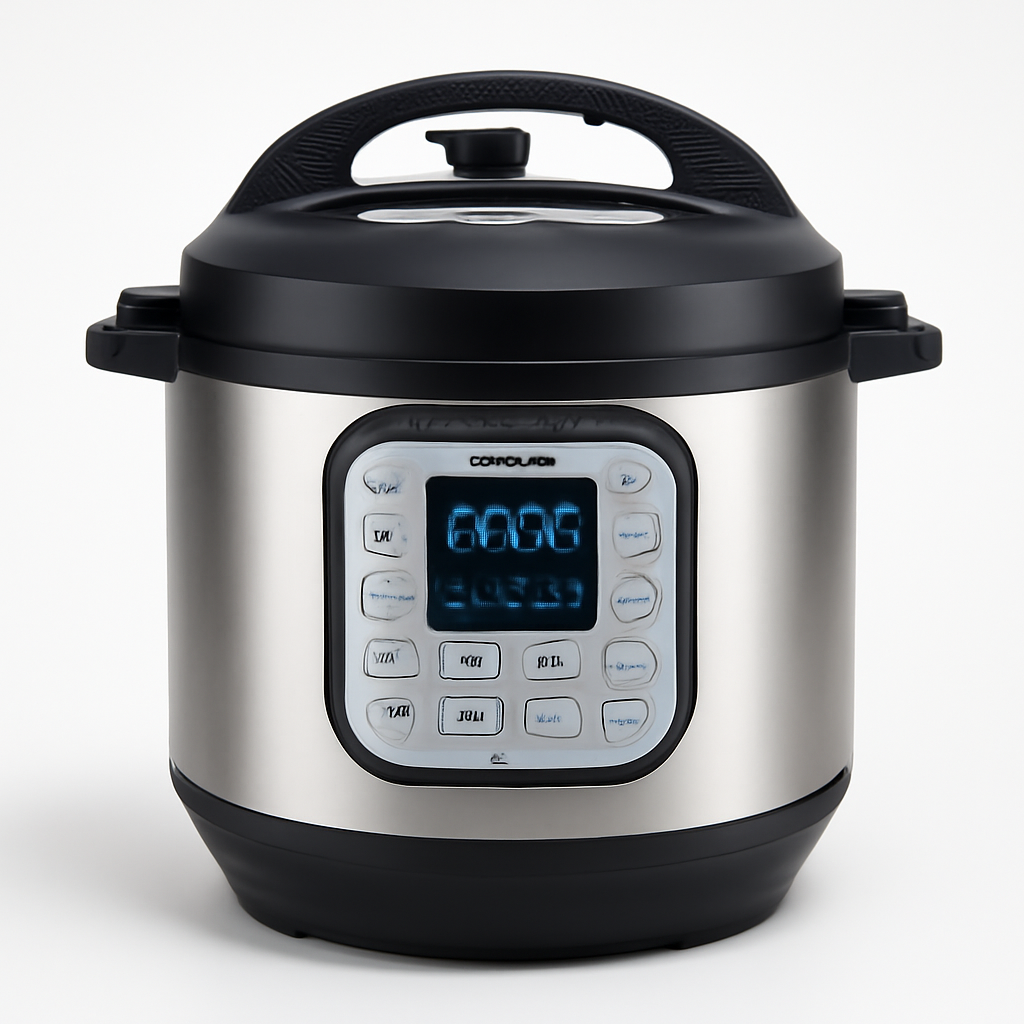
Quick Answer
An Instant Pot cuts cooking time by up to 70% for vegetarian meals, letting you prepare hearty beans, grains, and vegetable dishes in 20-40 minutes instead of hours. The best recipes focus on layering flavors through spices, using high-protein ingredients like lentils and chickpeas, and mastering the pressure cooking fundamentals that transform dried legumes into tender perfection.
—
Why Instant Pot Cooking Is Perfect for Vegetarians
If you’re vegetarian and tired of spending 90 minutes waiting for dried beans to soften or watching a pot of quinoa bubble away on the stove, the Instant Pot solves a real problem. Here’s why this appliance changed the game for plant-based cooking:
Time savings are massive. Dried chickpeas normally take 2-3 hours. In an Instant Pot, they’re creamy and ready to eat in 45 minutes (including natural pressure release). Lentils cook in 8-12 minutes. Black beans in 25 minutes. That’s a fundamental shift in how quickly you can get dinner on the table.
Flavor absorption is better. Pressure cooking forces liquid and seasonings deep into legumes and vegetables, creating more developed flavors than boiling ever could. Your vegetarian chili tastes richer, your dal tastes more complex, and your grain bowls taste intentional rather than assembled.
You can meal prep an entire week in one afternoon. Batch cook 8 cups of beans, several grains, and multiple vegetable dishes back-to-back. The Instant Pot cools quickly and handles repetitive cooking without the attention that a stovetop demands.
Nutritional value is preserved. Because cooking happens in a sealed environment with minimal water, water-soluble vitamins (like B vitamins) stay in your food rather than boiling away into a pot of cloudy liquid.
Energy efficiency matters. Pressure cooking uses 30% less energy than conventional cooking methods, which adds up when you’re cooking regularly.
For vegetarians specifically, the Instant Pot bridges the gap between convenience and nutrition. You’re not relying on processed meat substitutes or spending an hour on dinner prep—you’re building meals around whole ingredients that happen to cook faster.
—
Quick & Easy One-Pot Vegetarian Meals Under 30 Minutes
When you need dinner on the table, these recipes get from raw ingredients to plated food in under 30 minutes (including pressure release):
Chickpea Curry with Coconut Milk
Sauté onion and garlic, add curry powder and ginger, pour in canned chickpeas with coconut milk and vegetable broth. Pressure cook for 5 minutes. The sauce thickens during natural release. Serve over rice. Total time: 22 minutes.
Key technique: Use canned chickpeas here, not dried. Pre-cooked legumes dramatically cut your cooking window while still absorbing all those spice flavors.
Lentil Bolognese
Cook brown lentils with diced tomatoes, vegetable broth, garlic, onion, and Italian herbs under pressure for 12 minutes. The lentils break down slightly and create a meat-like texture that clings to pasta. No additional thickening needed.
Key technique: Brown your aromatics first in the sauté function. This Maillard reaction creates depth that raw vegetables can’t provide.
Vegetable Minestrone Soup
Sauté aromatic vegetables, add vegetable broth, diced tomatoes, pasta, white beans, spinach, and Italian seasoning. Pressure cook for 8 minutes. The pasta releases starch that naturally thickens the soup.
Key technique: Add delicate vegetables like spinach and fresh herbs after pressure cooking ends. They’ll wilt from residual heat without overcooking.
Black Bean and Sweet Potato Tacos
Pressure cook black beans with sweet potato chunks, cumin, and chili powder for 8 minutes. The sweet potato becomes jammy and the beans absorb all the spices. Serve in tortillas with avocado and lime crema.
Key technique: Cut sweet potatoes into ½-inch chunks so they cook evenly with the beans and don’t turn to mush.
Dal with Spinach
Split red lentils, coconut milk, onion, tomato, and spices (turmeric, cumin, ginger) pressure cook for 8 minutes. Stir in fresh spinach and finish with a squeeze of lemon. Serve with rice or naan.
Key technique: Red lentils naturally break down into a creamy consistency. No need to blend or add cream—the legume itself provides the richness.
—
Protein-Packed Plant-Based Instant Pot Recipes
Vegetarian meals need intentional protein layering. These recipes combine multiple protein sources to hit 15-20g of protein per serving:
Quinoa, Black Bean & Kale Buddha Bowl Base
Cook quinoa and black beans together with vegetable broth, garlic, and cumin in the Instant Pot (10 minutes). Layer over sautéed kale, roasted beets, avocado, and hemp seeds.
Protein breakdown: 1 cup cooked quinoa (8g) + 1 cup cooked black beans (15g) + 2 tbsp hemp seeds (3g) = 26g protein per bowl
Lentil & Walnut Bolognese
Red lentils cook with walnuts (blended into a paste), crushed tomatoes, garlic, and herbs. The walnut paste mimics ground meat texture while adding healthy fats and 8g of protein per ounce.
Protein breakdown: 1 cup cooked lentils (18g) + ¼ cup walnuts (5g) + 2 tbsp nutritional yeast (8g) = 31g protein
Chickpea & Tofu Tikka Masala
Pressure cook chickpeas separately, then combine with pan-seared cubed tofu, tomato sauce, and tikka masala spices. The dual legume-and-tofu approach ensures complete amino acid profiles.
Protein breakdown: 1 cup chickpeas (15g) + 5 oz tofu (9g) + ½ cup Greek yogurt garnish (10g) = 34g protein
Three-Bean Chili with Nutritional Yeast
Combine black beans, kidney beans, and pinto beans (use canned to save time) with tomato sauce, peppers, onion, and chili spices. Pressure cook for 8 minutes. Finish bowls with nutritional yeast, which adds nutty flavor and 8g of protein per 2 tablespoons.
Protein breakdown: Mixed beans (18g) + nutritional yeast (8g) + garnish with seeds (3g) = 29g protein
Lentil & Mushroom Bolognese
Brown mushrooms first (this concentrates their umami), then add to red lentils with tomato paste, garlic, and herbs. The earthiness of mushrooms plus the natural creaminess of lentils creates an extremely satisfying texture that doesn’t need meat to feel hearty.
Protein breakdown: 1 cup lentils (18g) + 8 oz mushrooms (3g) + 2 tbsp tahini drizzle (3g) = 24g protein
The pattern: Combine legumes + nuts/seeds + optional soy products + nutrient-dense vegetables. This approach ensures you’re hitting complete protein profiles while keeping meals interesting.
—
Best Instant Pot Models for Vegetarian Cooking
Not all pressure cookers are created equal. Here’s what matters when you’re cooking vegetarian meals regularly:
Key Features for Vegetarian Cooking
– Saute function: You’ll brown aromatics and vegetables constantly. A strong sauté mode matters.
– Capacity: 6-quart models let you batch cook. 3-quart models work for individuals or couples.
– Pressure levels: Adjustable pressure (high/low) gives you more control over delicate vegetables and grains.
– Natural pressure release: The built-in timer that lets pressure drop gradually is essential for beans and legumes.
– Keep warm function: Prevents overcooking when recipes finish before you’re ready to eat.
Top Models for Vegetarian Cooking
Instant Pot Duo Plus [CHECK PRICE]
This is the sweet spot for most home cooks. It has adjustable pressure, a reliable sauté function, and the steaming rack that’s essential for steaming vegetables while cooking grains underneath. The 6-quart model gives you capacity for meal prep without taking up excessive counter space.
Best for: Home cooks cooking for families or serious meal preppers
Pros:
– Strong sauté function heats evenly
– 14 preset programs (though you’ll ignore most and use manual pressure)
– Stainless steel interior is durable
– Excellent customer support
Cons:
– More expensive than basic models
– Larger footprint (not ideal for small kitchens)
– Learning curve on pressure release methods
Instant Pot Duo [CHECK PRICE]
The simpler, more affordable cousin of the Duo Plus. You get high/low pressure, sauté, and 7 preset programs in a compact 6-quart format. Perfect if you’re new to pressure cooking and don’t need extra bells and whistles.
Best for: Budget-conscious beginners and small kitchens
Pros:
– $100+ cheaper than Duo Plus models
– Reliable pressure cooking
– Still has the essential functions
– Compact enough to store easily
Cons:
– No yogurt or slow cook function
– Fewer preset programs
– Basic control interface
Instant Pot Max [CHECK PRICE]
The newest and most advanced model (released in 2024, still standard in 2026). Features sous vide temperatures, ultra-high pressure (up to 15 PSI), and an upgraded sauté function. The glass lid lets you watch food cook without releasing steam.
Best for: Serious cooks and those who meal prep multiple times weekly
Pros:
– Ultra-high pressure cooks things even faster
– Better temperature precision
– Glass lid eliminates guesswork
– Multiple pressure levels for delicate recipes
Cons:
– Most expensive option
– Overkill for basic vegetarian cooking
– More complex programming
Ninja Foodi Pressure Cooker & Air Fryer [CHECK PRICE]
This hybrid is becoming popular among vegetarian cooks because it pressure cooks (like an Instant Pot) but also air-fries vegetables. You can pressure cook chickpeas, then immediately air-fry them crispy for topping grain bowls—no transfer needed.
Best for: Cooks who want dual functionality without buying two appliances
Pros:
– Eliminates extra cooking steps
– Air-fried vegetables have better texture than steamed
– Stainless steel construction feels premium
– Fewer programs to ignore (more streamlined)
Cons:
– Takes more counter space than standard pressure cookers
– Air frying compartment reduces pressure cooking capacity
– Higher price point
Comparison Table: Instant Pot & Pressure Cooker Models
| Model | Best For | Price Range | Key Advantage |
| Instant Pot Duo | Budget-conscious beginners | $80–120 | Affordable, reliable basics |
| Instant Pot Duo Plus | Home cooking & meal prep | $130–170 | Best balance of features |
| Instant Pot Max | Serious/advanced cooks | $200–250 | Fastest cooking, precision |
| Ninja Foodi 2-in-1 | Those wanting air fry + pressure | $180–230 | Dual functionality |
Our Recommendation for Vegetarian Cooking: The Instant Pot Duo Plus offers the best return on investment. You get the sauté function (which matters for vegetarian cooking), adjustable pressure, capacity for batch cooking, and excellent reliability. It’s not overkill like the Max, but it’s not stripped-down like the basic Duo.
—
Essential Accessories to Enhance Your Vegetarian Cooking
Once you have your Instant Pot, a few accessories dramatically improve your results:
Silicone Steaming Rack (comes standard)
The trivet that comes with your Instant Pot is fine, but a full-sized steaming rack with handles lets you steam vegetables while cooking grains or beans underneath. This cuts your cooking sessions by 50% when you’re batch preparing.
Tempered Glass Lid (Not the Instant Pot Glass Lid)
The official Instant Pot glass lid is expensive. Third-party tempered glass lids do the same job—let you watch your sauté function without losing heat—at half the price. Look for OXO or similar brands.
Stainless Steel Steamer Basket
The silicone rack works, but a stainless steel basket with perforations gives you better drainage and sits higher in the pot. Essential when you’re steaming broccoli and other delicate vegetables that release water.
Instant Pot Springform Pan Insert
This 7-inch springform pan lets you pressure cook cheesecake-style desserts or savory layered dishes (like vegetable lasagna). Unexpected but genuinely useful for vegetarian meal variety.
Silicone Cooking Gloves
Pressure cooking is safe, but handling a hot 6-quart pot full of beans requires protection. Silicone gloves let you grip and move the inner pot without danger of burns.
Measuring Cup (Stainless Steel)
The plastic measuring cup that comes with your Instant Pot gets discolored and brittle quickly. A stainless steel cup is more durable and professional to use.
—
Common Mistakes When Making Vegetarian Instant Pot Dishes
These mistakes frustrate new users and lead to burnt pots, mushy vegetables, or bland food:
Mistake #1: Using Too Much Liquid
Pressure cooking doesn’t evaporate liquid the way stovetop cooking does. When converting a vegetarian chili recipe from stovetop to Instant Pot, use 25% less liquid. Otherwise, you’ll end up with soup instead of chili.
Rule of thumb: For beans and legumes, you need just enough liquid to cover them by ½ inch. For grains, follow the 1:1 ratio printed on the package, not a typical stovetop ratio.
Mistake #2: Not Browning Aromatics First
Pressure cooking doesn’t develop flavor the way sauté does. If you dump raw onions and garlic into the pot with liquid, they steam instead of brown. Spend 3-4 minutes in sauté function developing a flavor base first.
Fix: Brown onions until edges caramelize. Add garlic for 30 seconds. Then add beans, broth, and spices.
Mistake #3: Cooking Vegetables at High Pressure
Vegetables overcook rapidly under pressure. That 12-minute recipe that cooks beans is catastrophic for zucchini. Either:
– Use low pressure and extend time by 5 minutes
– Add vegetables after pressure cooking (during natural release)
– Use quick-release immediately when vegetables are done
Mistake #4: Releasing Pressure Too Quickly
Quick release (manually venting the steam) works fine for most recipes, but natural release (letting pressure drop on its own over 10-15 minutes) gives beans better texture and prevents splattering. The pot takes longer to cool, but your results improve dramatically.
Best practice: Natural release for beans and legumes (10+ minutes cooking time). Quick release for vegetables and grains (under 10 minutes).
Mistake #5: Forgetting to Deglaze
After sautéing, brown bits (called fond) stick to the pot’s bottom. If you don’t deglaze by adding a little broth and scraping with a wooden spoon, the Instant Pot will trigger a “burn” error when you pressurize. This is frustrating and wastes 15 minutes.
Fix: After sauté, add ½ cup broth and scrape the bottom thoroughly with a wooden spoon until all brown bits come loose.
Mistake #6: Adding Salt Too Early
Salt prevents beans from softening under pressure. Add salt during the last 5 minutes of cooking, not at the start. This is counterintuitive but scientifically proven—the sodium ions inhibit water absorption.
Mistake #7: Overfilling the Pot
The Instant Pot should be no more than ⅔ full (½ full for foaming ingredients like beans and grains). Overfilling prevents proper pressure buildup and can cause food to shoot out the vent when you release pressure.
—
Top Instant Pot Vegetarian Recipes for Meal Prep
These recipes freeze beautifully and taste better the next day (flavors continue developing). Divide into containers after cooking and you have 4-6 ready meals in under 2 hours:
Batch Recipe #1: Spiced Lentil & Vegetable Curry
Yield: 8 servings
Ingredients:
– 2 tbsp ghee or coconut oil
– 2 large onions, diced
– 4 cloves garlic, minced
– 2 tbsp g