Quick Answer
A great dog harness distributes pressure evenly across your dog’s chest and back, reduces pulling, and keeps your pet secure during walks. The best harness depends on your dog’s size, activity level, and specific needs—whether that’s reducing pulling, enabling off-leash adventures, or simply providing comfortable daily walks. Our top recommendations for 2026 include options for every dog type and budget.
—
What Makes the Best Dog Harness?
If you’ve ever felt your dog nearly yanking your arm off during walks, you know why a quality harness matters. But it’s not just about control—a poorly fitting harness can cause chafing, restrict movement, and create safety risks.
The best dog harnesses share these key qualities:
Weight Distribution: Unlike collars (which put all pressure on the neck), quality harnesses spread force across the chest, shoulders, and back. This protects your dog’s trachea and prevents injury during pulls.
Comfort & Fit: A well-fitting harness shouldn’t dig into the armpits, chafe the neck, or restrict breathing. Your dog should move naturally, not look like they’re being constricted.
Control: Whether you have a gentle lap dog or a 100-pound puller, the right harness gives you the control you need without causing discomfort.
Durability: You’re investing in something your dog wears regularly. Quality materials and stitching mean it lasts through hundreds of walks.
Adjustability: Dogs come in wildly different shapes and sizes. The best harnesses offer multiple adjustment points so they fit properly no matter your dog’s build.
Safety Features: Reflective strips, secure hardware, and breathable materials are the difference between a good harness and a great one.
—
Top Dog Harness Picks for 2026
Best Overall: Ruffwear Front Range Harness
**
The Ruffwear Front Range has dominated the harness market for years, and 2026 brings updated color options and improved stitching. This no-pull harness features:
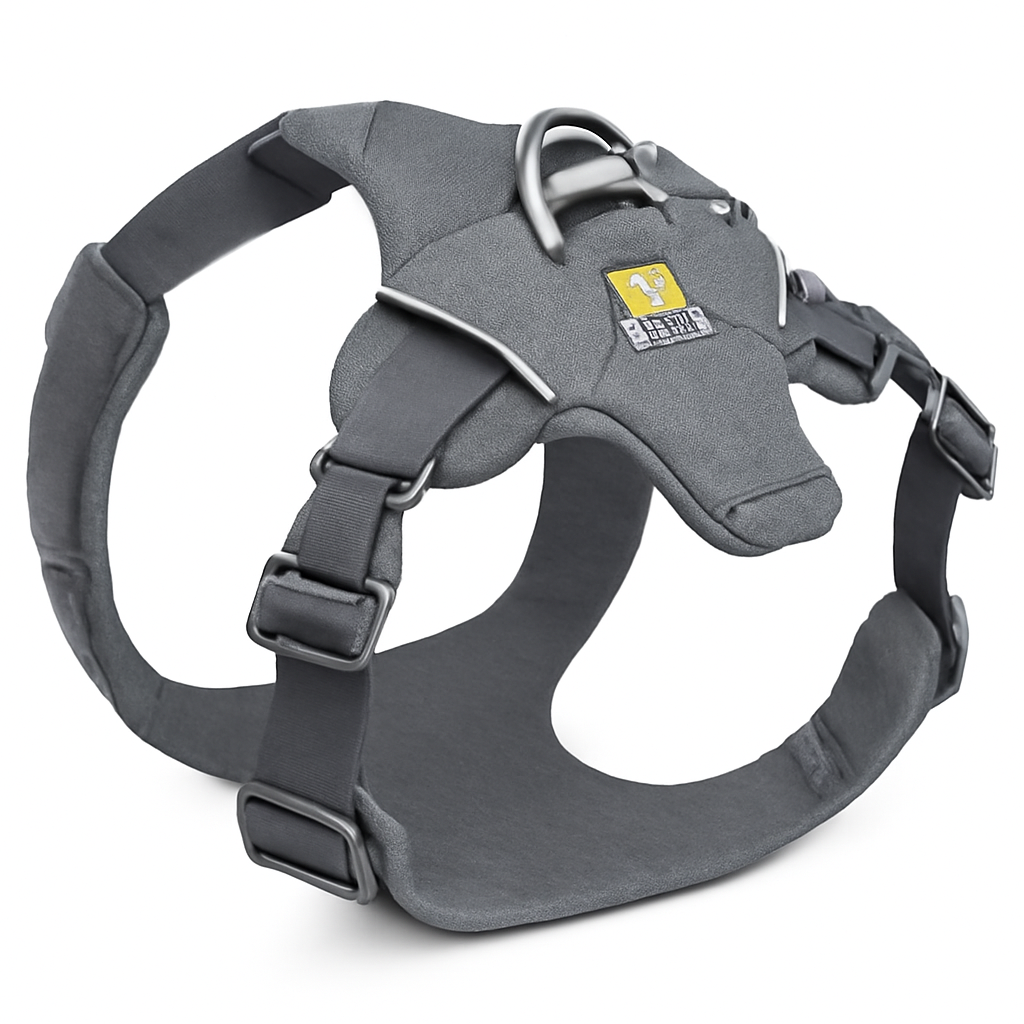
– Two attachment points (front and back) for versatile control
– Padded webbing that won’t dig into your dog’s armpits
– Reflective trim for visibility on evening walks
– Machine-washable design (remove metal hardware first)
– Available in sizes XS to XL, fitting dogs from 10 to 135 pounds
Pros:
– Truly comfortable fit—dogs don’t seem to mind wearing it
– Dual attachment points give you flexibility in how you leash
– Durable enough to last 3-5 years of daily use
– Great for dogs that pull; front attachment naturally redirects without choking
Cons:
– Higher price point than basic harnesses
– Takes some practice to get the fit perfect on first try
– Front attachment can twist slightly with very strong pullers (though rarely an issue)
—
Best No-Pull: Blue-9 Balance Harness
**
Designed by professional dog trainers, the Blue-9 Balance Harness focuses specifically on reducing pulling behavior while maintaining comfort.
– Unique wraparound design that prevents over-the-back adjustment confusion
– Strategic chest placement that naturally discourages pulling
– Minimal hardware means fewer pinch points
– Lightweight but supportive webbing
– Sizes from XS to XXL for truly large dogs
Pros:
– Genuinely reduces pulling for most dogs (even stubborn ones)
– Extremely comfortable—minimal chafing reports
– Great for training sessions since it’s less bulky than alternatives
– Affordable for the quality level
Cons:
– Less “technical” than some competitors; no back attachment point
– Design quirks make it slightly harder to put on at first
– Not ideal if you want the option of back attachment for off-leash work
—
Best for Active Dogs: Ruffwear Web Master Harness
**
If your dog does hiking, running, or outdoor adventures beyond casual walks, the Web Master is purpose-built for active lifestyles.
– Integrated handle on the back for helping dogs up obstacles or into vehicles
– Three attachment points (front, back, and side) for maximum control flexibility
– Lightweight webbing that doesn’t weigh dogs down
– Ventilated design for warm-weather comfort
– Ideal for dogs 20-60 pounds
Pros:
– The back handle is genuinely useful during hikes
– Side attachment points perfect for lead dogs in multi-dog households
– Extremely durable for rough outdoor use
– Great weight-to-control ratio
Cons:
– More harness than casual walkers need
– Pricier investment
– Multiple attachment points can be confusing if you’re new to harnesses
—
Best Budget-Friendly: Puppia Soft Harness
**
Quality doesn’t always require premium pricing. The Puppia Soft Harness offers surprising comfort and durability without breaking the bank.
– Soft neoprene padding that won’t rub raw
– Single attachment point (keeps it simple and reliable)
– Available in cute patterns and colors
– Fits dogs 3-15 pounds best (small breeds are their specialty)
– Machine-washable materials
Pros:
– Genuinely affordable without obvious quality cuts
– Great for small dogs and seniors who don’t need heavy-duty control
– Easy on/off design with snap closures
– Wide color selection lets personality shine through
Cons:
– Single attachment point; no option for no-pull front clip
– Less structural support for big pullers
– Won’t last as long as premium options under heavy daily use
—
Product Comparison Table
| Product | Best For | Price Range | Dog Size | Key Feature |
| Ruffwear Front Range | Overall best, daily walks | $70-90 | XS-XL (10-135 lbs) | Dual attachment points |
| Blue-9 Balance | No-pull training | $50-70 | XS-XXL | Naturally discourages pulling |
| Ruffwear Web Master | Hiking & adventure | $80-110 | Medium-Large (20-60 lbs) | Back handle, 3 attachment points |
| Puppia Soft | Small dogs, budget | $20-35 | Tiny-Small (3-15 lbs) | Soft padding, affordable |
—
Harness Types: Finding Your Best Fit
Different harness styles serve different purposes. Understanding the types helps you choose what actually matches your dog’s lifestyle.
Front-Clip Harnesses (No-Pull)
These attach at the chest, causing a dog’s body to turn toward you when they pull forward. It’s physics-based control that doesn’t require correction.
Best for: Dogs that pull aggressively, owners with joint pain or mobility issues, training situations
Example brands: Blue-9 Balance Harness, Halti Harness
Back-Clip Harnesses
Traditional attachment at the shoulders. This style gives you less active control but more freedom of movement for your dog.
Best for: Calm dogs, senior dogs, dogs who rarely pull
Example brands: Puppia, many basic harnesses
Dual-Attachment Harnesses
These offer both front and back clips, giving you flexibility to switch between control-focused and freedom-focused walks.
Best for: Dogs with unpredictable pulling behavior, owners who want one harness for multiple scenarios
Example brands: Ruffwear Front Range, Easy Walk Harness
Step-In Harnesses
You literally step your dog through leg holes, then fasten around the back. Minimal over-the-head action.
Best for: Dogs that dislike things going over their heads, anxious dogs, senior dogs
Example brands: Puppia, some Ruffwear designs
Escape-Proof Harnesses
Multi-point attachment with extra security features. Designed to prevent slipping.
Best for: Dogs that are escape artists, small breeds, nervous dogs in unfamiliar areas
Weighted & Anxiety-Reducing Harnesses
Heavier padding and wrap-around designs intended to provide calming pressure.
Best for: Anxious dogs, dogs with separation anxiety, reactive dogs in stressful situations
—
Size & Fit Guide for Dog Harnesses
This is non-negotiable. A harness that doesn’t fit is uncomfortable at best and dangerous at worst.
Taking Accurate Measurements
You’ll need three measurements:
Chest Girth: Measure around the widest part of your dog’s ribcage, right behind the front legs. Use a soft measuring tape and keep it snug but not tight—you should fit one finger underneath.
Neck Girth: Measure around the base of your dog’s neck where a collar would sit.
Body Length: Measure from the base of the neck to the base of the tail.
Write these down and reference them when checking product size charts. Don’t estimate—harness sizing varies wildly between brands.
The Fit Test
Once your harness arrives, perform this fit check:
1. Put the harness on your dog in the way it’s designed (over head, step-through, etc.)
2. Ensure it’s snug but not tight—you should fit 2 fingers between the harness and your dog’s skin
3. Check the armpits—the harness shouldn’t dig into the front leg joints
4. Test mobility—your dog should walk, trot, and play normally without the harness restricting movement
5. Verify it can’t slip—lift upward on the harness; it shouldn’t slide over your dog’s head (except step-in harnesses, which naturally prevent over-the-head escape)
Growth & Seasonal Changes
Puppies outgrow harnesses quickly. Budget for replacement every 3-6 months during growth phases. Adult dogs’ sizes can fluctuate with weight gain or loss—refit seasonally.
—
Safety Features Every Best Harness Should Have
Reflective Trim
Non-negotiable for evening walks or anywhere near traffic. Reflective stitching or strips increase your dog’s visibility to drivers and cyclists.
Secure Hardware
Look for:
– Metal D-rings rather than plastic (metal won’t break under pulling pressure)
– Reinforced stitching at attachment points
– Quality buckles that won’t pop open accidentally
Breathable Materials
Hot dogs in summer harnesses get uncomfortable fast. Look for:
– Ventilated webbing designs
– Moisture-wicking padding
– Air gaps rather than solid material
Quick-Release Features
In emergencies, you need to remove the harness instantly. Quality harnesses have:
– Snap closures rather than traditional buckles
– Padding-free release points so you can grab and undo quickly
Adjustability Range
Your harness should fit when your dog is at healthy weight, slightly overweight, and slightly underweight. Multiple adjustment points accommodate natural variations.
—
Best Dog Harnesses by Activity Level
For Casual Walkers (Perfect for Couch Potatoes)
Ideal harness type: Back-clip or step-in
Why: You don’t need aggressive pulling control. Comfort and ease matter more than advanced features.
Top pick: Puppia Soft Harness
Casual walking dogs just want a comfortable walk around the block without pressure points. A simple, well-padded harness is perfect.
For Moderate Pullers (Daily Neighborhood Walks)
Ideal harness type: Front-clip or dual-attachment
Why: You need some pulling control without overcomplicating daily routines.
Top pick: Ruffwear Front Range Harness
This is the sweet spot for most dogs. Dual attachment gives you options while front-clip capability handles pulling issues.
For Serious Pullers (Stronger Dogs or Untrained Dogs)
Ideal harness type: Dedicated no-pull (front-clip focused)
Why: You need physics-based control, not strength-based corrections.
Top pick: Blue-9 Balance Harness
The natural redirection makes strong dogs more manageable immediately. Paired with training, these harnesses transform pulling habits.
For Active & Adventurous Dogs (Hiking, Off-Leash Work)
Ideal harness type: Multi-attachment with structural support
Why: You need back attachment for secure off-leash work, plus handles for assistance on terrain.
Top pick: Ruffwear Web Master Harness
The back handle is clutch on hikes, and multiple attachment points give you flexibility for varied terrain and activity levels.
For Small & Toy Breeds
Ideal harness type: Step-in or soft padded
Why: Small dogs have delicate frame structure and sensitive skin. Over-the-head designs can stress their necks.
Top pick: Puppia Soft Harness
Specifically designed for small dogs, with padding that won’t irritate sensitive skin and step-through design that respects their comfort.
For Anxious or Reactive Dogs
Ideal harness type: Wrap-around with multiple adjustment points
Why: Snug fit provides calming pressure while maximum adjustability accommodates anxiety-related body tension changes.
Top pick: Ruffwear Front Range Harness
The wrap-around design feels secure without being restrictive, and dual attachment lets you adapt to your dog’s needs moment-to-moment.
—
How to Choose the Right Harness for Your Dog
Picking the perfect harness comes down to a simple decision tree:
Step 1: Identify Your Primary Use
Walking only? → Back-clip or basic design
Pulling is a problem? → Front-clip or no-pull design
Hiking/adventure? → Multi-attachment with back handle
Anxious dog? → Wrap-around with snug fit
Step 2: Consider Your Dog’s Size & Build
– Tiny breeds (under 10 lbs): Step-in harnesses with soft padding
– Small dogs (10-25 lbs): Adjustable soft harnesses
– Medium dogs (25-50 lbs): Standard dual-attachment harnesses
– Large dogs (50+ lbs): Heavy-duty with reinforced hardware
Special consideration: Dogs with narrow chests or deep chests may need custom-fit options. Measure first; don’t guess.
Step 3: Assess Pulling Severity
– Mild puller: Back-clip is fine
– Moderate puller: Dual-attachment harness
– Severe puller: Dedicated no-pull (front-clip focus)
Step 4: Set Your Budget
– Under $40: Puppia Soft Harness for small dogs or casual walkers
– $40-70: Most quality options including Blue-9 Balance
– $70+: Premium features like Ruffwear Web Master’s back handle
Step 5: Check the Return Policy
You can’t know if a harness truly fits without trying it on your dog. Buy from retailers with easy returns (Amazon, Chewy, direct from manufacturers) rather than local stores where policy might be restrictive.
—
Common Harness Mistakes to Avoid
Buying by appearance alone. That trendy pink harness is cute but useless if it digs into your dog’s armpits.
Ignoring the measurement guide. “My dog is medium-sized” isn’t enough. Use the tape measure. Seriously.
Expecting overnight pulling fixes. A no-pull harness helps, but training matters too. Pair any harness with consistent walking technique.
Choosing escape-artist features for a calm dog. Over-engineering creates unnecessary bulk and discomfort.
Not adjusting seasonal clothing impact. A harness that fits in summer over bare skin might be too tight over a winter coat (or too loose with a shaved summer cut).
Neglecting neck girth measurement. Many people only measure chest girth and end up with harnesses that slip over the head.
—
Maintaining Your Dog Harness
A quality harness lasts years with basic care:
Monthly: Inspect stitching and hardware for wear. Gently brush off dirt and debris.
Quarterly: Check fit as your dog’s weight fluctuates. Adjust straps if needed.
Annually or as needed: Hand-wash (unless manufacturer specifies machine-safe). Use mild soap and air-dry completely.
Watch for: Fraying webbing, corroded D-rings, or loose stitching. Address small issues before they become harness failures.
—
Our Verdict
For most dogs: Ruffwear Front Range Harness
This is the harness that works for the widest range of dogs and situations. Dual attachment points mean you’re not locked into one approach, the fit is genuinely comfortable, and it lasts through years of use. Yes, it costs more, but it’s a one-time investment that pays dividends through avoiding neck injuries, reducing pulling stress, and providing reliable control.
**For pulling-focused training: Blue-9 Balance Harness