# Creatine Monohydrate vs HMB: Which Works Better?
Quick Answer
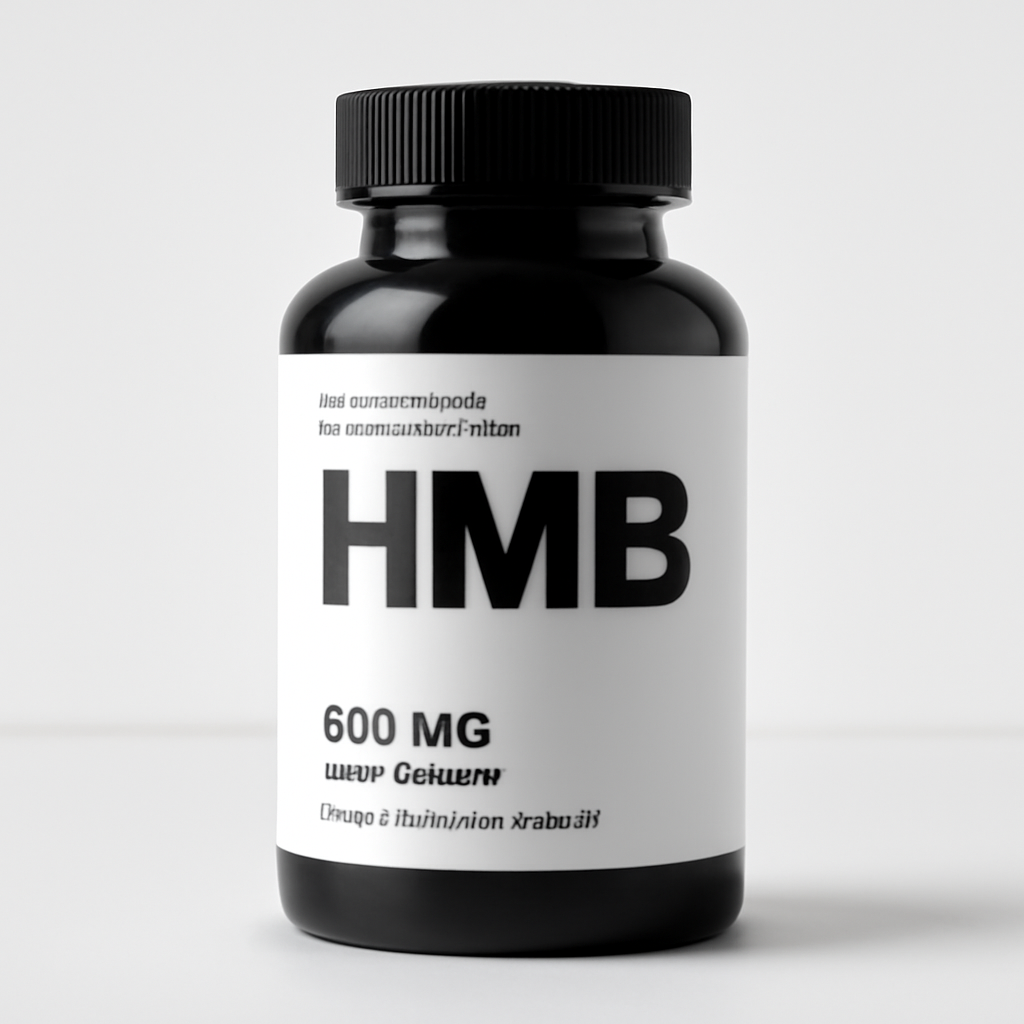
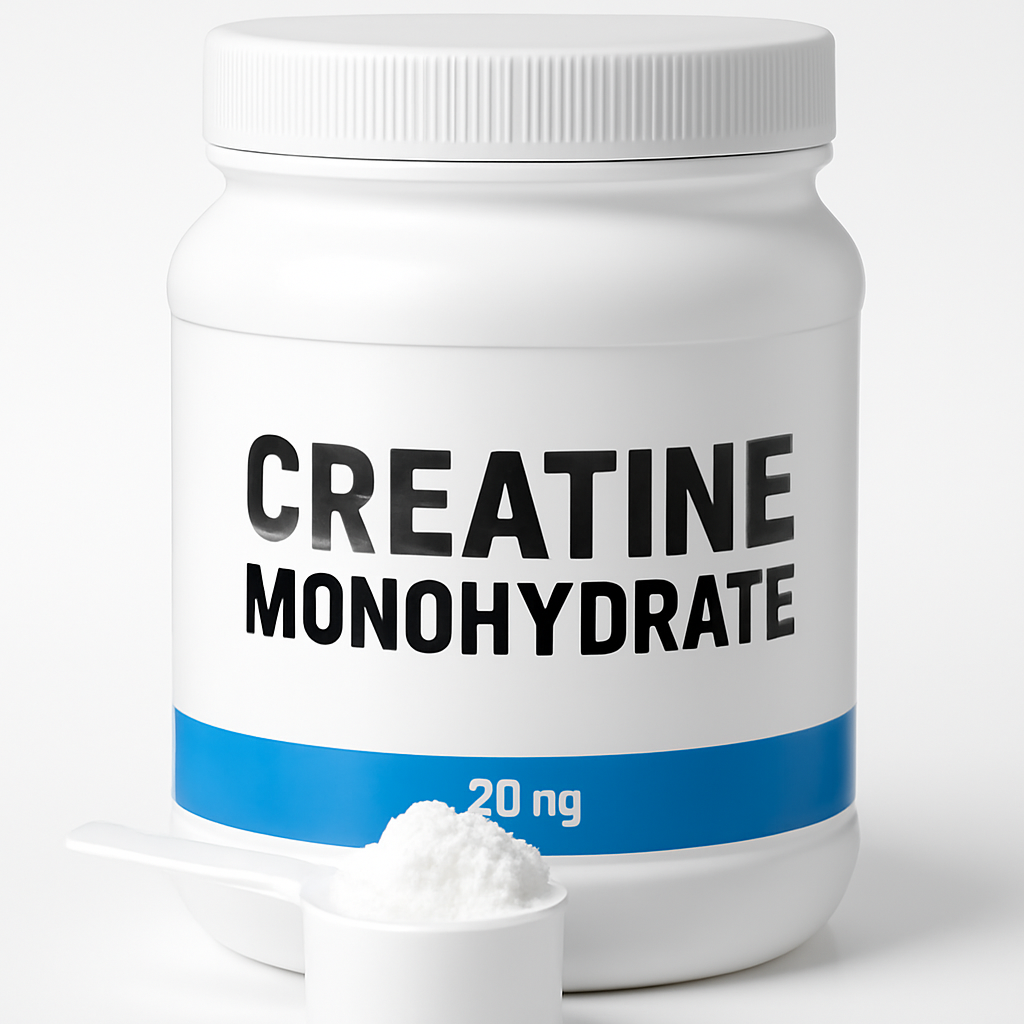
If you’re trying to decide between creatine monohydrate and HMB (beta-hydroxy beta-methylbutyrate), here’s the short version: creatine monohydrate wins for pure strength and muscle size gains, backed by decades of research and proven effectiveness. However, HMB is better if you’re focused on preserving muscle during cuts or recovery from intense training. Most serious lifters benefit from combining both, but if you can only pick one, creatine monohydrate delivers the most dramatic results for the lowest cost.
—
What is Creatine Monohydrate and How Does It Work?
Creatine monohydrate is a naturally occurring compound found in muscle cells that helps produce energy during intense exercise. Your body synthesizes creatine from amino acids (mostly in the liver and kidneys), but supplementing with creatine monohydrate floods your muscles with additional supply beyond what your body naturally creates.
The Mechanism Behind Creatine
Here’s the biochemistry in plain English: During heavy lifting or sprinting, your muscles burn ATP (adenosine triphosphate), which is your cells’ energy currency. Once ATP is used, it becomes ADP. Creatine phosphate donates a phosphate group to regenerate ADP back into ATP—essentially recharging your muscle’s battery.
By supplementing with creatine monohydrate, you increase creatine phosphate stores in your muscles, which means:
– Faster ATP regeneration during intense efforts
– More reps in the final sets of workouts
– Better performance in repeated high-intensity efforts (like sprinting intervals or heavy compound lifts)
– Increased training volume, which drives long-term muscle growth
How Long Does Creatine Take to Work?
Unlike pre-workout stimulants, creatine doesn’t provide an immediate “kick.” Most people follow a loading protocol (20g daily split into 4 doses for 5-7 days), then maintenance (3-5g daily). Some skip loading and just take 3-5g daily—it takes 3-4 weeks to saturate muscles, but the effect is identical.
—
Understanding HMB: Benefits and Mechanisms
HMB (beta-hydroxy beta-methylbutyrate) is a metabolite of the branched-chain amino acid leucine. When you consume protein or leucine-rich foods, your body breaks down a small percentage into HMB. Supplementing with HMB directly increases blood levels of this compound, which triggers different muscle-building pathways than creatine.
How HMB Works in Your Body
HMB’s primary benefit isn’t raw energy production—it’s muscle protein synthesis regulation and anti-catabolic effects. Here’s what it does:
– Increases mTOR signaling, a key pathway for muscle growth (though less dramatically than training itself)
– Reduces muscle protein breakdown, especially during intense training or caloric deficits
– Speeds up recovery between sessions
– Improves body composition during fat loss phases by preserving muscle while losing fat
The research shows HMB shines in two scenarios: (1) when you’re training extremely hard and need faster recovery, and (2) when you’re in a caloric deficit trying to preserve muscle.
HMB vs Leucine
Many people ask whether they should just take leucine instead. The reality: your body only converts about 5-10% of dietary leucine into HMB. Supplementing with HMB directly gives you the benefits without consuming massive amounts of branched-chain amino acids.
—
Creatine Monohydrate vs HMB: Direct Comparison
Let’s break down how these supplements stack up across the key metrics that matter to lifters.
| Factor | Creatine Monohydrate | HMB |
| Primary Benefit | Increased ATP production for strength/power | Muscle preservation & recovery |
| Best For | Building muscle & strength | Cutting & intense recovery |
| Evidence Quality | Strongest—500+ studies | Strong—100+ studies |
| Cost Per Month | $10-20 | $30-50 |
| Time to Effect | 3-4 weeks (loading speeds it up) | 2-3 weeks |
| Muscle Mass Gains | High (1-2 lbs in first 2 weeks, mostly water) | Moderate |
| Strength Gains | High (5-15% in most lifters) | Moderate |
| Body Composition Benefit | Neutral (doesn’t prioritize fat loss) | Helps preserve muscle during cuts |
| Side Effects | Minimal (water retention possible) | Minimal |
The Real-World Performance Difference
If you’re bulking and want to maximize muscle gain: creatine monohydrate is your answer. Studies consistently show that lifters using creatine gain more muscle and strength than those using HMB alone.
If you’re cutting and want to keep muscle while losing fat: HMB has an edge because it specifically signals to your body “preserve muscle” during times when your muscles might otherwise break down.
—
Muscle Growth and Strength Gains: Head-to-Head
Creatine’s Strength-Building Edge
The research here is overwhelming. A meta-analysis of creatine supplementation found that it increases strength gains by an average of 5-15% more than placebo in trained lifters. This translates to real-world improvements like:
– Adding 20-50 lbs to your bench press within 8 weeks
– Completing 2-3 extra reps on compound lifts
– Better performance in explosive movements (sprints, jumps, Olympic lifts)
Why creatine wins for muscle growth specifically: More reps at higher weight = more total training volume = more stimulus for muscle growth. Creatine enables this directly by improving performance.
The muscle gains are partly water (some stays inside muscle cells due to creatine’s osmotic effect), but the strength gains are real and durable.
HMB’s Subtle Advantage in Recovery
HMB doesn’t dramatically boost your bench press numbers. Instead, it quietly does this: helps you recover between sessions so you can train harder the next day without excessive fatigue.
Studies on HMB show modest improvements in lean muscle gain (about 0.5-1 lb more than placebo over 8-12 weeks) and more significant benefits in preserving muscle during cutting phases.
For most lifters, the difference isn’t as noticeable as creatine’s performance boost, but it matters more as you get older or when training volume is very high.
—
Cost and Value: Which Supplement Offers Better ROI?
This is where creatine monohydrate dominates.
Creatine Monohydrate: The Budget Champion
A quality creatine monohydrate supplement costs roughly $10-20 per month at a standard 5g daily dose. Popular, reliable options include:
– Optimum Nutrition Creatine Monohydrate [CHECK PRICE] — industry standard, highly pure, no fillers
– MuscleTech Platinum 100% Creatine [CHECK PRICE] — micronized for absorption, no loading needed
– Naked Creatine [CHECK PRICE] — no additives, just creatine monohydrate
All of these deliver identical results because they’re the same compound. You’re paying for brand trust and purity testing, not different efficacy.
HMB: The Premium Option
Quality HMB supplements run $30-50 monthly because it’s more complex to manufacture and less universally produced. You’ll see it as a standalone or bundled in pre-workout formulas:
– HMB Pro [CHECK PRICE] — one of the most researched standalone HMB products
– Nutricost HMB [CHECK PRICE] — budget-friendly option without the brand premium
The Real Cost Comparison
If you take both (a reasonable strategy), you’re looking at $40-70 monthly. If you can only afford one: creatine monohydrate gives you better performance gains per dollar.
That said, HMB’s cost is justified if you’re training hard enough to benefit from enhanced recovery or if you’re frequently cutting. For a casual lifter, it’s not essential.
—
Safety Profile and Side Effects
Both supplements have excellent safety profiles, but there are real differences in how your body experiences them.
Creatine Monohydrate Safety
The verdict: Creatine monohydrate is among the safest supplements available. Decades of research involving thousands of subjects show no serious adverse effects.
Potential side effects (rare and minor):
– Water retention: Most common “side effect.” Creatine draws water into muscle cells, so you might gain 2-5 lbs in the first 1-2 weeks. This is intramuscular (inside the muscle), not subcutaneous, so you look fuller, not bloated.
– Stomach cramps: Rare, usually from taking too much at once. Solution: take smaller doses with food.
– Dehydration concern: Outdated myth. Creatine actually helps retain water; just drink normally.
Who should avoid creatine: People with pre-existing kidney disease (though even this is debated—creatine doesn’t damage healthy kidneys, but people with kidney issues should consult their doctor).
HMB Safety
HMB is similarly safe. It’s a naturally-occurring metabolite, and supplementation simply increases blood levels to supraphysiological amounts—like creatine, but through a different pathway.
Potential side effects (very rare):
– Slight nausea if taken on an empty stomach
– GI upset in sensitive individuals
– Headaches (reported anecdotally, not confirmed in studies)
Advantage over creatine: HMB doesn’t cause water retention, so if you’re cutting and want to see scale weight drop, HMB won’t mask fat loss with water gain.
Long-Term Use
Both supplements are safe for years of continuous use. Athletes and research subjects have used them for 10+ years without safety concerns emerging.
—
Which Should You Choose in 2026?
Your choice depends on your specific goal. Here’s the decision tree:
Choose Creatine Monohydrate If:
✓ Your primary goal is building muscle and gaining strength
✓ You’re in a bulk or maintenance phase
✓ You want maximum performance gains for minimum cost
✓ You’re new to supplementation and want a proven, researched choice
✓ You do high-intensity, short-duration activities (lifting, sprinting, jumping)
Recommended product: Start with Optimum Nutrition Creatine Monohydrate [CHECK PRICE]. It’s affordable, widely available, tested for purity, and identical in effect to premium alternatives.
Choose HMB If:
✓ You’re in a cutting phase and want to preserve muscle
✓ You train with very high volume and struggle with recovery
✓ You prefer zero water retention
✓ You want anti-catabolic benefits during intense training periods
✓ You’re older (40+) and want to preserve muscle mass more aggressively
Recommended product: HMB Pro [CHECK PRICE] has the most research behind it and is specifically formulated for muscle preservation.
The Smart Move: Use Both
If budget allows, combine creatine + HMB for comprehensive benefits:
– Creatine monohydrate for raw strength and performance
– HMB for recovery and muscle preservation
This combination targets different mechanisms and compounds their effects. You’ll see better results than either alone, especially during cutting phases or high-volume training blocks.
—
Our Verdict
For most lifters in 2026, creatine monohydrate is the smarter first supplement choice. It’s cheaper, more researched, and delivers more dramatic results for the average person. The science is unambiguous: if you want to get stronger and build muscle faster, creatine works.
HMB deserves a spot in your rotation if you’re training seriously enough to benefit from enhanced recovery, cutting frequently, or training in a way that demands aggressive muscle preservation. It’s not a waste of money at that point—it’s legitimate performance enhancement.
The combo approach is ideal: Budget-conscious lifters can get creatine monohydrate ($15/month) and add HMB ($40/month) when it makes sense for their training phase. This gives you optimized muscle-building during bulk phases and optimized body composition during cuts.
Start with creatine monohydrate like Optimum Nutrition Creatine Monohydrate [CHECK PRICE]. Take 3-5g daily (no loading necessary—load if you want faster saturation). After 4 weeks, assess your results. If you want to amplify recovery or you’re planning a cut, add HMB Pro [CHECK PRICE] to your stack.
Both supplements have been validated by research, proven safe, and used successfully by millions of lifters. You can’t go wrong with either—but creatine monohydrate gives you better results per dollar invested.