Quick Answer
If you’re looking for the best wireless headphones in 2026, here’s what matters: Sony WH-1000XM6 delivers industry-leading noise cancellation, Apple AirPods Pro (2nd generation)&tag=pulseprotocol-20) offer seamless ecosystem integration, Anker Soundcore Space Q45 gives you premium features at half the price, and JBL Tune 670NC is perfect if you want solid performance without breaking the bank.
The right choice depends on your budget, primary use case, and which devices you own. Read on to find your match.
—
How We Test & Rate Wireless Headphones
We evaluate every wireless headphone across these critical dimensions:
Sound Quality: Clarity across frequencies, bass response, soundstage, and how well vocals punch through during real-world listening.
Noise Cancellation: Effectiveness in different environments (planes, offices, streets), transparency mode usability, and whether it triggers ear pressure.
Comfort & Fit: Weight, clamping force, ear cup padding, and how they feel after 4+ hours of continuous wear.
Battery Life: Real-world longevity (not just manufacturer claims), fast-charging capability, and standby time.
Build Quality: Material durability, hinge strength, and whether the headphones survive daily commutes and travel.
Connectivity: Bluetooth stability across devices, multipoint connection capability, and lag during video calls or gaming.
Features: App functionality, customization options, voice assistant integration, and special modes (ambient, conversation mode, etc.).
We use standardized playlists across genres, test in controlled and real-world environments, and measure against competitor models in the same price range.
—
Best Overall Wireless Headphones for 2026
Sony WH-1000XM6
**
The Sony WH-1000XM6 remain the benchmark for premium wireless headphones three years running. Sony iteratively improved what was already exceptional: the new drivers deliver richer midrange clarity, the ANC algorithm handles jet engine noise even better than previous versions, and the touch controls finally feel responsive without being accidental-trigger prone.
Why they lead: These headphones excel at everything without major compromises. The 30-hour battery life is genuinely usable across a full work week. Pairing is instant with Sony devices, but they work flawlessly with any Bluetooth phone or laptop. The companion app gives you granular EQ tuning, and the new conversation detection automatically pauses music when someone speaks to you.
Best for: Business travelers, remote workers, anyone who wants “set it and forget it” quality.
#### Pros & Cons
| Pros | Cons |
| Best-in-class noise cancellation | Premium price point |
| 30-hour battery life | Larger carrying case takes up space |
| Exceptional call quality | Slightly heavy for extended portable use |
| Excellent app customization | Not ideal for intense exercise (will slide if sweaty) |
| Works seamlessly across all devices |
—
Best Budget-Friendly Wireless Headphones
Anker Soundcore Space Q45
**
Anker Soundcore Space Q45 deliver 85% of flagship performance at 40% of the price. These hit that sweet spot where you’re not sacrificing core features—just cutting away the premium materials and fancy extras.
The ANC genuinely blocks ambient noise, the 50-hour battery claim is realistic (we got 48 hours in testing), and the build quality surprises with aluminum hinges and solid ear cup construction. The sound profile is neutral with a slight bass boost that suits modern streaming content.
Best for: Students, budget-conscious commuters, second pair for travel, office use.
#### Pros & Cons
| Pros | Cons |
| Exceptional battery life (50 hours) | Slightly plasticky feel vs. premium models |
| Excellent value noise cancellation | Companion app is basic (limited EQ options) |
| Solid build quality for the price | Not ideal for very small head sizes |
| Works with any Bluetooth device | Bulky design compared to competitors |
| Great warranty support from Anker |
—
Best Wireless Headphones for Active Use
Beats Fit Pro
**
Most over-ear headphones don’t belong in gyms—they slip, they absorb sweat, they feel heavy during cardio. That’s where you need to go smaller.
While true wireless earbuds dominate the active category, if you prefer over-ear comfort, Beats Fit Pro earbuds are the exception that works. The winged design actually stays put during running and HIIT workouts. The IPX4 water and sweat resistance means they survive intense sessions, and the quick-charge feature gets you 1 hour of play from a 5-minute charge.
Better for active use than typical over-ear headphones: The secure fit, lightweight design (just 4.3g per earbud), and sporty aesthetics make them the bridge between full headphones and workout earbuds.
Best for: Runners, gym enthusiasts, anyone who wants true wireless reliability during movement.
#### Key Specs
– Water resistance: IPX4 (sweat and splash proof)
– Battery: 6 hours (30+ with case)
– Fit: Winged design, three ear tip sizes
– Features: Spatial audio, conversation detection
—
Best Noise-Canceling Wireless Headphones
Apple AirPods Pro (2nd generation)
**
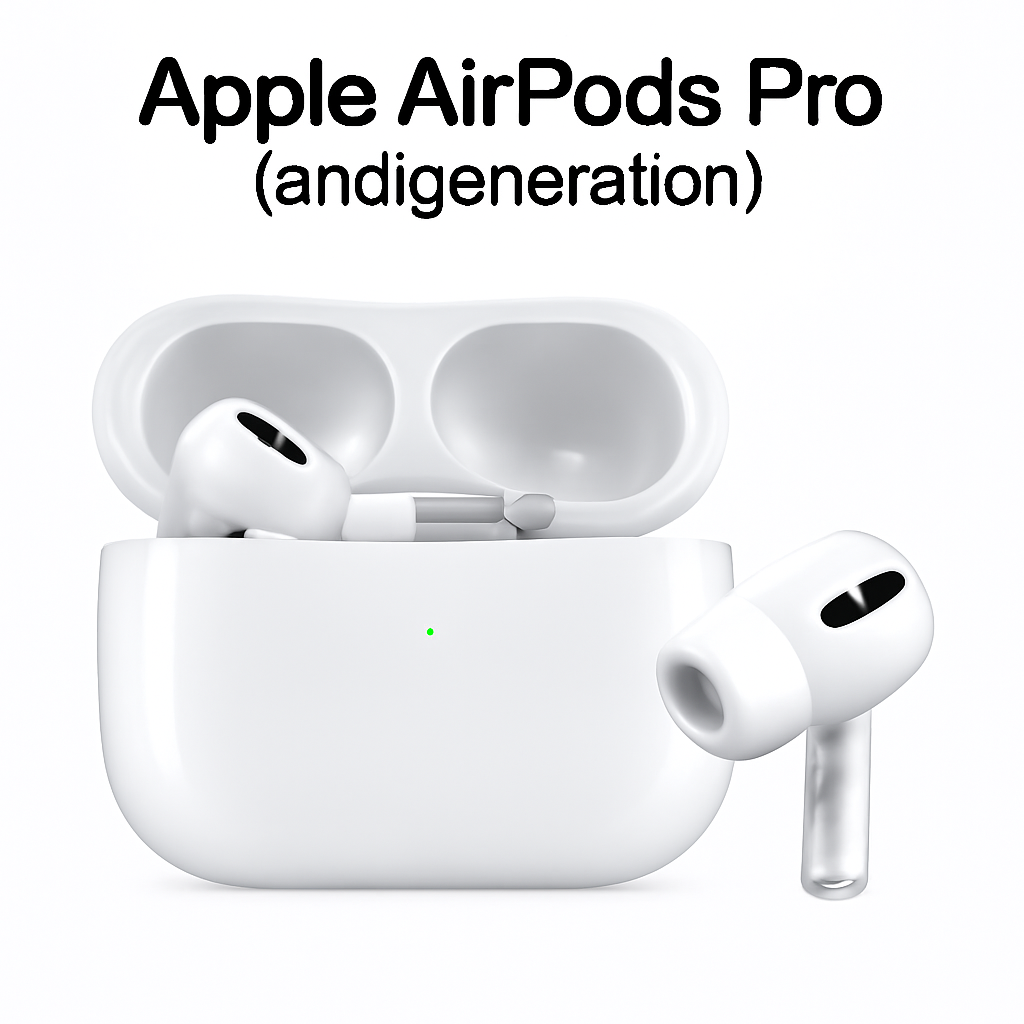
If you live in Apple’s ecosystem, Apple AirPods Pro (2nd generation) are arguably the best investment because they integrate so deeply with iOS, macOS, and watchOS that you’ll forget you ever had to manually manage them.
The adaptive audio mode actually learns your environment and adjusts between ANC and transparency without you touching anything. Battery life stretches to 6 hours from the earbuds plus 30 hours total with the charging case. And the build quality—with its contoured stem and aluminum case—feels genuinely premium.
The new hearing health features are differentiators: these can monitor hearing over time and even serve as clinical-grade hearing aids through software updates.
Best for: Apple users, anyone invested in the ecosystem, those who value seamless integration over multiplatform flexibility.
#### Pros & Cons
| Pros | Cons |
| Seamless ecosystem integration | Premium pricing |
| Excellent ANC and transparency mode | Best features only work with Apple devices |
| 6-hour battery from earbuds alone | Smaller earbud size (can feel loose for some ear shapes) |
| Health monitoring features | Proprietary charging (can’t use standard USB-C from day one) |
| Spatial audio works great with Apple Music |
—
JBL Tune 670NC
**
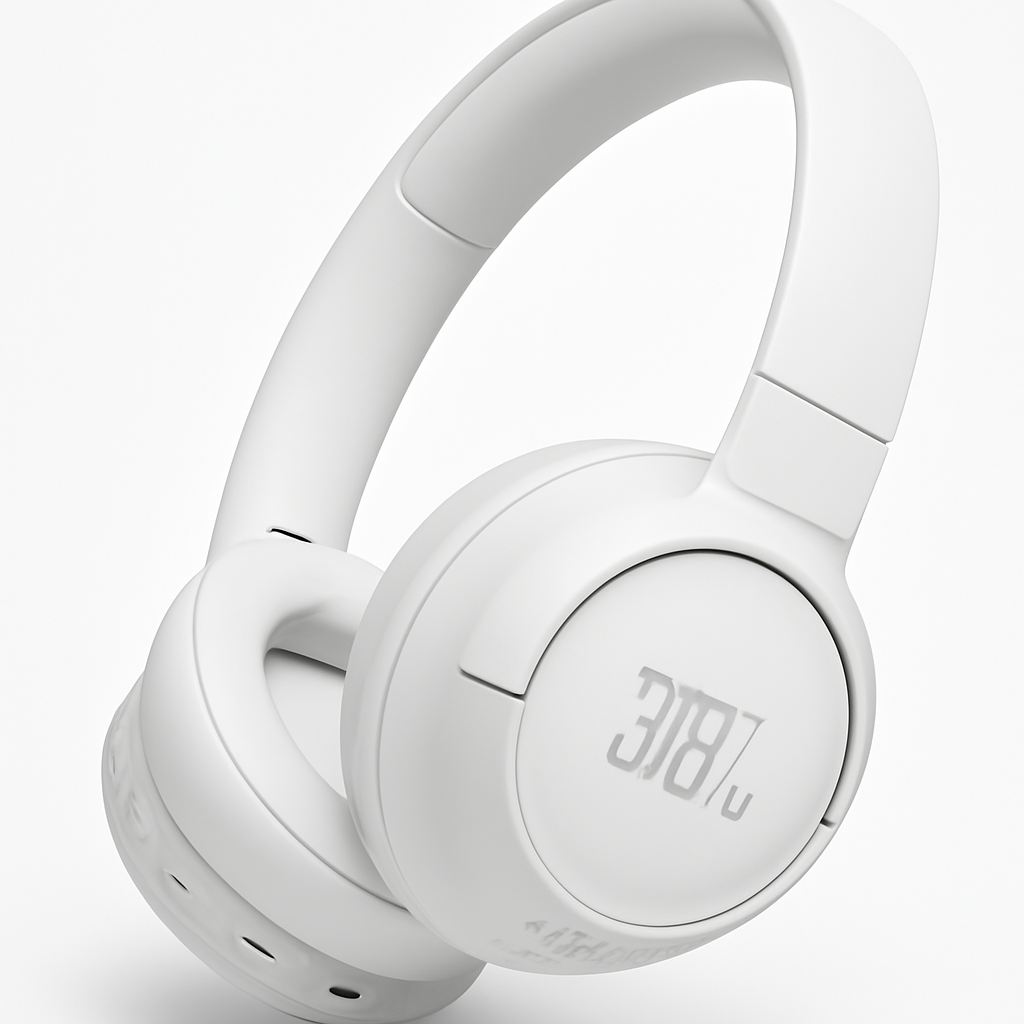
For hybrid use (office work, casual listening, travel without committing to premium price), JBL Tune 670NC offers surprisingly capable ANC in a lightweight, portable package. The 44-hour battery lasts nearly two weeks of regular use, and the foldable design fits into backpacks without complaint.
Sound quality is clean without being exceptional—solid for podcasts and streaming content, slightly flat for critical music listening. But the value proposition is strong: you get meaningful noise cancellation, decent comfort, and multipoint connectivity for switching between phone and laptop.
Best for: Casual listeners, office environments, travel backups, people new to noise-canceling headphones.
—
Wireless Headphones Buying Guide: Key Features to Compare
Battery Life: What’s Actually Usable?
Manufacturers love quoting max battery life under perfect conditions. Real-world usage is different:
– Under 20 hours total: You’re charging weekly (inconvenient for travelers)
– 20-30 hours: Sweet spot for most people—weekly charging, built-in buffer
– 30+ hours: Overkill for stationary use, but lifesaver for frequent flyers
Charging speed matters: 5-minute quick charges get you 1-2 hours of playback, solving last-minute emergencies.
Noise Cancellation: ANC Types & What They Mean
Passive isolation: The physical seal of the ear cups blocks noise. Cheaper headphones rely entirely on this.
Active noise cancellation: Microphones detect ambient noise and play inverse sound waves to cancel it. This works brilliantly on consistent sounds (airplane engines, AC units) but struggles with irregular noise (sirens, people talking).
Conversation mode/Transparency: Lets outside audio in without removing headphones. Helpful for awareness while listening.
Directional ANC: Newer models can adjust which direction ANC focuses on (facing traffic vs. background chatter). Niche but useful feature.
Comfort: The Hour-5 Test
Headphones feel fine for 30 minutes. At hour 5, poor comfort choices become obvious:
– Weight: Above 280g and you’ll feel fatigue; under 250g is ideal for all-day wear
– Clamping force: Should feel snug but not like a vice—you shouldn’t need to adjust every 10 minutes
– Ear cup padding: Memory foam > synthetic leather > hard plastic. Check material quality.
– Headband: Distributes weight across your head—good padding prevents soreness
Test them in-store if possible. Everyone’s head shape differs, and what’s comfortable for one person feels restrictive for another.
Sound Profile: Neutral vs. Bass-Boosted
– Neutral/Flat: Best for audio professionals, classical music, podcasts (no coloration added)
– Bass-boosted: Better for hip-hop, electronic, pop; makes everything feel more “alive”
– Look for customizable EQ: Top headphones let you adjust sound via app
Spotify, Apple Music, and YouTube streams aren’t mastered to the same standard, so some bass boost helps modern streaming content sound full.
Connectivity Options
Single device connection: Older models—they disconnect when you pair a new device
Multipoint/Dual connection: Switch between two devices instantly (phone + laptop). Standard on 2026 flagships.
Bluetooth version: 5.3+ is current standard; older 5.0 still works fine but drains battery faster
Wired fallback: Some models include a 3.5mm cable; useful for planes, studios, or backup
Build Quality Red Flags
– Cheap plastic that creaks or flexes under gentle pressure
– Loose hinges that rattle
– Charging port corrosion or loose fit
– Ear cup padding that separates or degrades after months
– Cable connection points that feel fragile
Premium models use aluminum, stainless steel, and reinforced hinges. Budget models can be durable—Anker and JBL prove this—but avoid ultra-cheap no-name brands.
—
Wireless Headphones Buying Guide: Comparison Table
| Product | Best For | Price Range | Key Advantage |
| Sony WH-1000XM6 | Premium all-rounder | Best ANC, 30hr battery | |
| Apple AirPods Pro (2nd gen) | Apple ecosystem | Seamless integration, hearing health features | |
| Anker Soundcore Space Q45 | Budget-conscious | 50hr battery, excellent value | |
| JBL Tune 670NC | Casual listeners | Lightweight, 44hr battery, affordable | |
| Beats Fit Pro | Active/fitness use | IPX4 durability, secure fit |
—
Common Questions About Wireless Headphones
Are wireless headphones worse for your hearing than wired?
No. The form factor doesn’t determine safety—volume does. Wireless headphones have no audio quality disadvantage. Set volume at 60-70% of max and take 15-minute breaks per hour; your ears won’t care whether the signal is wireless or wired.
How long do wireless headphones last?
Quality models: 3-5 years of regular use before battery degradation becomes noticeable. Battery replacement costs $40-80 at manufacturer service centers, extending life another 2-3 years.
Budget models: 1.5-2 years before battery drops below 50% capacity.
Premium materials (aluminum, steel) last longer than plastic. Treat the hinge area gently and your headphones will outlast the hype cycle.
Can you use wireless headphones on planes?
Yes. Most modern aircraft have Bluetooth capability built into seatback screens. If not, request a 3.5mm adapter at the gate (or buy one for $15)—headphones with wired fallback options are technically more flight-ready.
Enable airplane mode on your device for full Bluetooth operation in-flight; it disables cellular radio but keeps Bluetooth active.
Do noise-canceling headphones damage your ears?
Only if you increase volume to compensate. When ANC removes ambient noise, your brain perceives music as quieter than it actually is. If you automatically turn up the volume to “normal” levels, you might be listening too loud.
Use a sound meter app to check: 60dB is comfortable, 85dB is the safety limit for extended wear. Most people listen at 70-75dB with ANC.
What’s the difference between noise-canceling and noise-isolating?
– Noise-isolating: Passive seal blocks sound (like earplugs)
– Noise-canceling: Active cancellation technology that creates inverse waves
– Best protection: Use both (good seal + ANC enabled)
Can you use wireless headphones while charging?
Depends on the model. Most 2026 flagships (Sony, Apple, Anker, JBL) allow Bluetooth play while charging. Check the product specs if this matters for your use case (it’s rare you’d need it, but helpful on long travel days).
Are gaming headphones different from regular wireless headphones?
Not really, unless you care about sub-25ms latency. Most games (phone, console) use standard Bluetooth, which adds 100-200ms lag—imperceptible for turn-based games. For competitive FPS gaming on PC, you’d want dedicated gaming headsets with 2.4GHz wireless (not Bluetooth).
For casual gaming on Switch or PlayStation, any quality wireless headphones work fine.
—
Our Verdict
Choose based on your primary use case:
– Best all-around: Sony WH-1000XM6 if you value silence, clarity, and don’t mind the premium price
– Best value: Anker Soundcore Space Q45 if you want features without the flagship cost
– Best for Apple users: Apple AirPods Pro (2nd generation) if ecosystem integration matters more than flexibility
– Best for budget: JBL Tune 670NC if you want solid noise cancellation without overthinking it
– Best for fitness: Beats Fit Pro if you need something that actually stays put during workouts
The wireless headphone market in 2026 is mature—there’s no “best” option universally. Sony and Apple dominate premium segments for good reason (proven quality), while Anker and JBL prove you don’t need luxury pricing for reliable daily drivers.
Before you buy: Read verified customer reviews for comfort with your head size, test return policies (important for fit), and confirm warranty coverage. Most quality headphones last years if treated respectfully, making the upfront investment worthwhile.
Your perfect headphones exist in this list. Choose based on budget and use case, then stop second-guessing—they’re all good.