Quick Answer
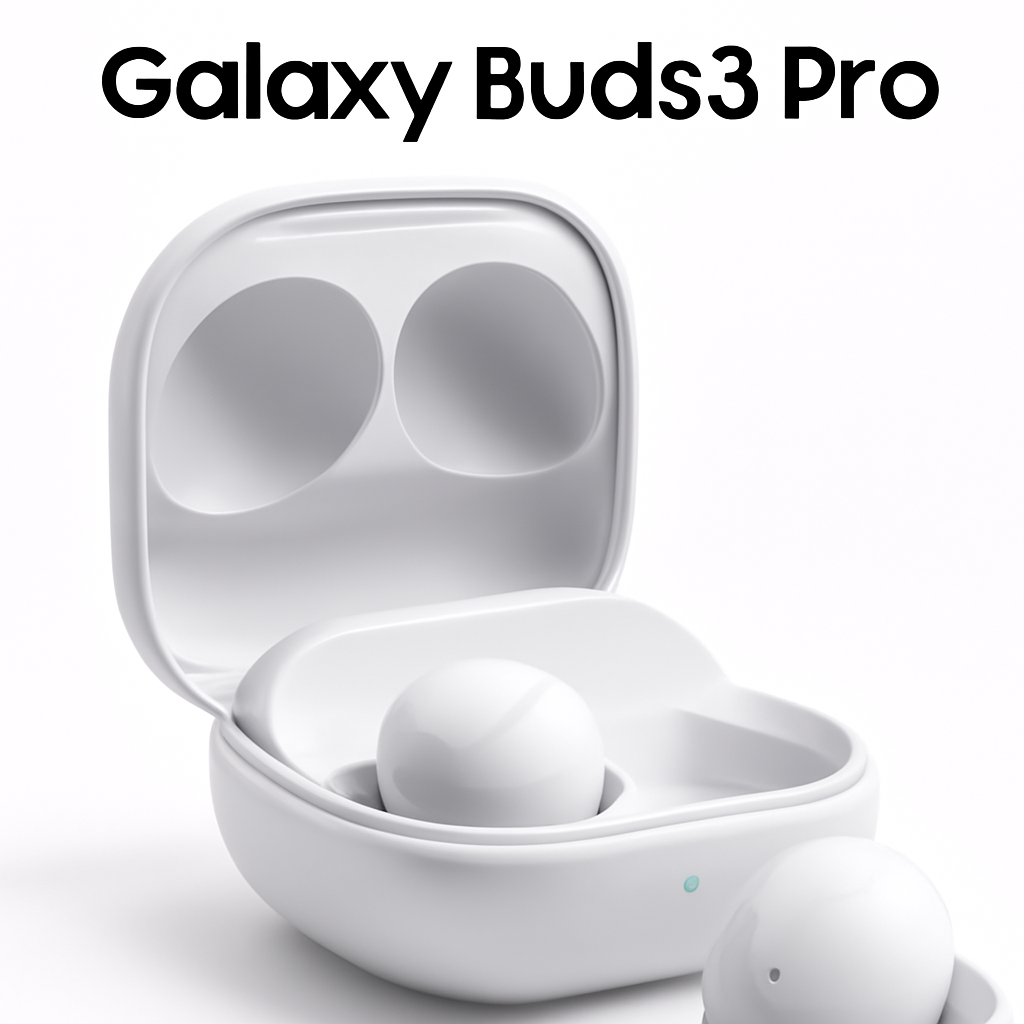
If you want the best wireless earbuds for iPhone right now, Apple AirPods Pro (2nd Generation)&tag=pulseprotocol-20) offer seamless integration and superior noise cancellation. But you’ll find excellent alternatives like Samsung Galaxy Buds3 Pro and Sony WF-1000XM5 that often cost less while delivering comparable sound quality and features. The right choice depends on your budget, how much noise cancellation you need, and whether you want to stick with Apple’s ecosystem or explore third-party options.
—
Best Wireless Earbuds for iPhone: Our Top Picks
Choosing wireless earbuds for your iPhone doesn’t mean you’re locked into Apple’s products. In 2026, there’s a competitive market with dozens of solid options at every price point. But let’s be clear: the pairing experience, Siri integration, and automatic syncing across your Apple devices still make AirPods the easiest choice for most iPhone users.
That said, if you’re willing to spend a few minutes setting things up, you can save money or get better features with third-party brands. Here’s what actually matters when shopping.
Top Picks at a Glance
| Product | Best For | Price Range | Key Strength |
| Apple AirPods Pro (2nd Gen) | iPhone ecosystem users | $249 | Seamless integration, spatial audio |
| Sony WF-1000XM5 | Audiophiles, noise cancellation | Industry-leading ANC, exceptional sound | |
| Samsung Galaxy Buds3 Pro | Android-iPhone hybrid users | Excellent value, great ANC | |
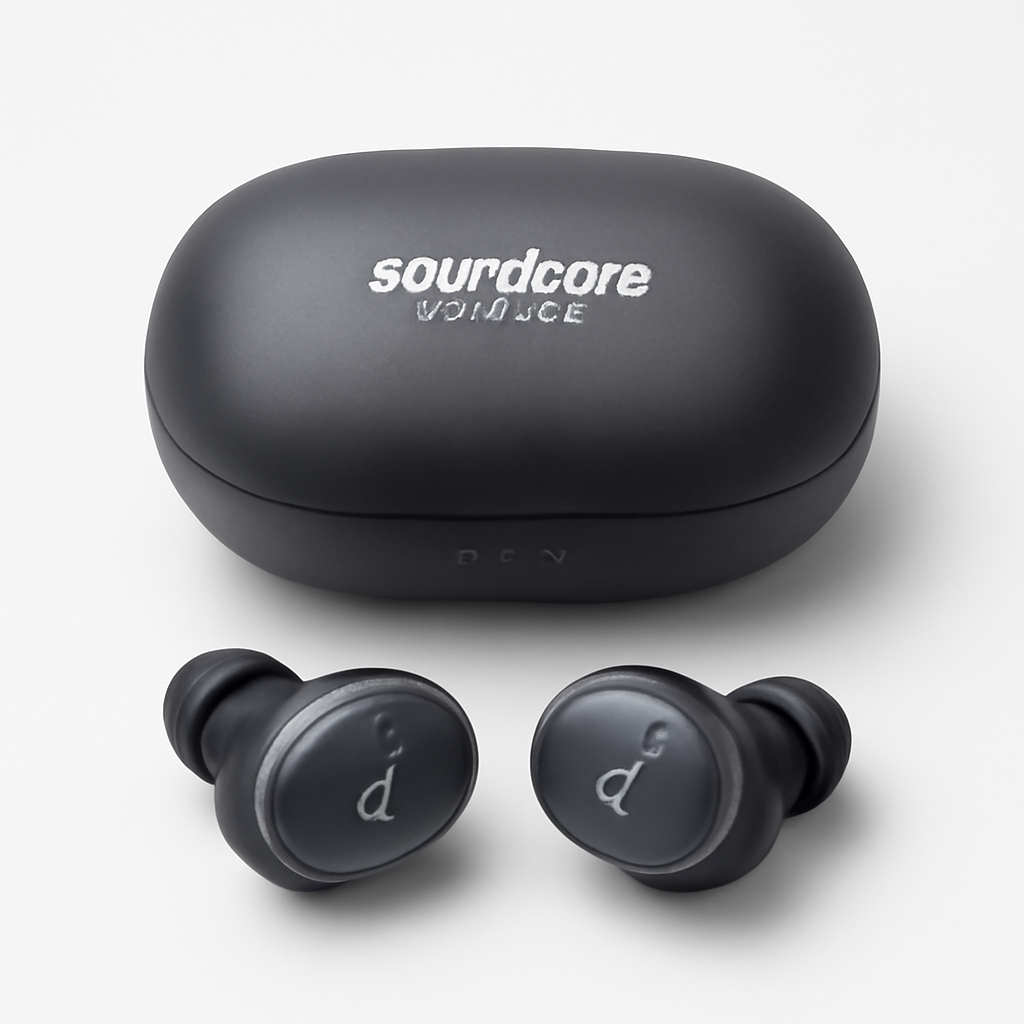
| Soundcore by Anker Space A40 | Budget-conscious buyers | Strong features under $100 |
—
Key Features to Look for in iPhone Earbuds
Not all wireless earbuds perform the same way on iPhone. Here are the critical specs and features to evaluate:
Bluetooth Connectivity & Codec Support
The most important thing: all modern earbuds work with iPhone via standard Bluetooth. The question is how well. Bluetooth 5.3 is the current standard for low latency and stable connections.
However, codec support matters less for iPhone than Android. iPhone doesn’t support high-end audio codecs like LDAC or aptX—it uses the basic SBC codec. This means you won’t get a quality boost from fancy codecs on iPhone the way you would on Android.
What to prioritize: Look for earbuds with strong Bluetooth 5.2 or 5.3 stability, not codec variety.
Active Noise Cancellation (ANC)
This is where premium earbuds differentiate themselves. ANC quality varies dramatically:
– Passive isolation (good fit alone) vs. active noise cancellation (electronic sound cancellation)
– Top-tier ANC can reduce ambient noise by 40+ decibels
– Mid-range ANC handles background chatter and office noise well
– Budget ANC is often underwhelming but still useful
If you commute, travel, or work in noisy environments, investing in quality ANC is worth it.
Transparency/Ambient Mode
This lets you hear the outside world without removing your earbuds. Quality matters here too—premium earbuds provide natural-sounding passthrough audio, while cheap options sound thin and electronic.
Touch Controls vs. Physical Buttons
Most wireless earbuds use touch controls on the stem or earbud surface. This is convenient but prone to accidental activation. Some newer models include physical buttons (like Samsung’s recent models), which are more reliable but slightly bulkier.
Battery Life
Real-world battery life varies:
– Standard: 4-6 hours of continuous listening
– Extended: 8-12 hours per charge
– With charging case: Total 24-48 hours depending on case capacity
Check if the earbuds support fast charging (15 minutes for 2+ hours is typical for 2026 models).
Water Resistance
IP54 or higher is practical for workouts and outdoor use. Anything below IP44 won’t handle sweat well.
Microphone Quality for Calls
If you take calls on your earbuds, this matters. Dual-mic setups with noise reduction typically perform better than single-mic designs.
—
Apple AirPods vs. Third-Party Alternatives
The Apple AirPods Advantage
Apple AirPods Pro (2nd Generation) still reign for iPhone users because:
– Instant pairing: Open the case near your iPhone, done in one tap
– Spatial audio: Works across all Apple devices seamlessly
– Siri integration: Natural language voice control
– Automatic switching: Seamlessly jump between your iPhone, iPad, and Mac
– Find My integration: Locate lost earbuds on a map
– Conversation awareness: Automatically adjusts volume when someone talks to you
– Adaptive transparency: Balances blocking external noise while letting you hear important sounds
Pros of AirPods Pro (2nd Gen):
– Flawless iPhone ecosystem integration
– Strong active noise cancellation (industry-competitive)
– Compact and lightweight design
– Reliable 6+ hour battery life
– Easy firmware updates
– Premium build quality and finish
Cons of AirPods Pro (2nd Gen):
– Expensive at
– Don’t work as well on Android (no seamless switching)
– Limited customization options
– Expensive replacements if lost ($89 per earbud)
– Proprietary charging case (Lightning, though USB-C versions now exist)
Why Choose Third-Party Earbuds?
There are legitimate reasons to skip AirPods:
1. Cost savings: You can get 80% of the performance for 40-50% less
2. Better ANC: Brands like Sony and Bose often have superior noise cancellation
3. Customization: More sound profile options, EQ adjustments, app controls
4. Battery life: Many third-party models outlast AirPods on a single charge
5. Cross-platform flexibility: If you use multiple devices, more features work on Android too
The trade-off: setup takes 2-3 extra minutes, and you lose some seamless integration perks.
—
Budget-Friendly Options Under $100
You don’t need to spend $250 to get solid wireless earbuds for iPhone in 2026.
Best Value Pick: Soundcore by Anker Space A40
Soundcore by Anker Space A40 consistently delivers premium features at a fraction of the cost:
– LDAC codec support (better sound quality on compatible devices)
– Hybrid ANC with up to 50dB noise reduction
– 11-hour battery life on a single charge (case extends to 50+ hours)
– Personalized sound via app EQ settings
– Multipoint Bluetooth (connect to two devices simultaneously)
– Comfortable fit with multiple earbud sizes
Pros:
– Exceptional value proposition
– Longer battery life than AirPods
– Strong feature set for the price
– Good build quality and durability
– Responsive customer service
Cons:
– Doesn’t integrate as smoothly with iPhone’s ecosystem
– Takes 5-10 seconds to connect after powering on
– App is less polished than Apple’s interface
– Slightly bulkier charging case
When to buy: If you’re budget-conscious and use multiple devices.
Alternative Budget Option: Nothing Ear
Nothing Ear earbuds offer transparent design and mid-range specs at competitive pricing. They’re fun, offer decent ANC, and support wireless charging. However, they’re still relatively new to the market, so longevity data is limited compared to established brands.
—
Premium Earbuds with Advanced Noise Cancellation
If noise cancellation is your priority, these options go head-to-head with AirPods and exceed them in some areas.
Sony WF-1000XM5
Sony WF-1000XM5 are considered the gold standard for active noise cancellation in 2026:
Pros:
– Industry-leading ANC: 8dB better noise reduction than competitors
– Superior sound quality: Balanced, detailed audio across frequencies
– Multipoint Bluetooth: Connect to two devices simultaneously
– Adaptive sound: Automatically adjusts volume based on environment
– LDAC codec support: For higher audio quality on compatible sources
– 8-hour battery life: Solid for extended daily use
– Customizable via app: Extensive EQ and sound adjustments
Cons:
– Expensive at
– Larger/bulkier than AirPods (less discreet)
– Not optimized for Apple ecosystem (no spatial audio handoff)
– Learning curve with the app
– Case is fragile compared to AirPods Pro
When to buy: If you’re an audiophile or spend significant time in loud environments.
Samsung Galaxy Buds3 Pro
Samsung Galaxy Buds3 Pro are excellent all-around earbuds that work wonderfully with iPhone despite the Samsung name:
– Auto-switching: Works across iPhone, iPad, Mac, Android, and Windows
– Dual-blade ANC: Two independent noise-canceling processors
– 360-degree audio: Immersive sound with spatial effects
– Physical buttons: More reliable than touch controls (earbud stem)
– Ambient aware: Context-aware passthrough audio
– Excellent microphone: Great for calls, even in wind
– 5-8 hour battery life: Solid endurance
The main advantage: Samsung’s seamless switching between Apple and Android devices is better than most competitors. If your household mixes iPhone and Android users, this is a practical choice.
—
Battery Life and Charging Comparison
Here’s how the top contenders stack up for real-world usage:
| Model | Single Charge | Total with Case | Fast Charging | Standby Time |
| AirPods Pro (2nd Gen) | 6 hours | 30 hours | 5 min = 1 hour | 5 days |
| Sony WF-1000XM5 | 8 hours | 24 hours | 10 min = 2.5 hours | 3 days |
| Samsung Galaxy Buds3 Pro | 6 hours | 26 hours | 5 min = 1 hour | 5 days |
| Soundcore Space A40 | 11 hours | 50 hours | 10 min = 2 hours | 10+ days |
Real-world note: Battery life varies with ANC enabled vs. disabled. All manufacturers test with ANC on, but if you disable it, expect 20-30% longer battery life across the board.
Fast charging advantage: If you frequently forget to charge overnight, look for models with fast charging that can give you 2+ hours of use in 10 minutes.
Case charging: USB-C is now standard in 2026, but verify before buying. Some budget models still use micro-USB or proprietary connectors.
—
How to Choose the Right Earbuds for Your Needs
If You’re a Hardcore Apple Ecosystem User
→ Buy AirPods Pro (2nd Generation)
You’ll appreciate the spatial audio, Find My support, and seamless switching between devices. The premium price is justified if you use multiple Apple products daily.
If You Want the Best Audio Quality and Noise Cancellation
→ Buy Sony WF-1000XM5
Sony’s ANC technology and sound signature are objectively superior. This is the choice for commuters, frequent travelers, and audiophiles. Yes, they cost more, but they’re an investment in daily comfort.
If You Use Both iPhone and Android
→ Buy Samsung Galaxy Buds3 Pro
Samsung’s multipoint Bluetooth and auto-switching capabilities work across all platforms. You get premium features at a slightly lower price than AirPods Pro, with better cross-platform functionality.
If You’re Budget-Conscious
→ Buy Soundcore by Anker Space A40
Don’t sacrifice too much. Soundcore delivers 85% of what premium models offer at half the price. Your money goes further on battery life and feature count rather than brand prestige.
If You Need Them for Workouts
Prioritize:
– IP67 water resistance or higher (survive full submersion)
– Secure fit with ear hooks or stabilizers
– Quick-access controls (easy to adjust without looking)
– Sound quality during movement (stable Bluetooth, no dropouts)
Best choice: Jaybird Vista 3 or Soundcore Sport if you want durability and secure fit.
If Comfort During Long Listening Sessions Is Priority
Prioritize:
– Lightweight design (under 6 grams per earbud)
– Soft silicone tips in multiple sizes
– Minimal touch sensitivity (fewer accidental commands)
– Good passive isolation (even without ANC)
Best choice: AirPods Pro (lightest) or Sony WF-1000XM5 with proper sizing.
—
Common iPhone-Specific Questions
Do I Need AirPods to Use Siri?
No. Any wireless earbuds with a microphone work with Siri. However, AirPods offer the smoothest experience with natural language commands and hands-free “Hey Siri” activation. Third-party earbuds typically require holding a button.
Will Third-Party Earbuds Support Spatial Audio on iPhone?
Not yet. Spatial audio is currently exclusive to AirPods Pro on iPhone. Some Android earbuds support spatial audio on compatible phones, but iPhone doesn’t open this API to third-party manufacturers.
Do I Need to Worry About Compatibility?
Bluetooth 5.0 or higher is standard for all modern earbuds. They’ll all connect to iPhone. The difference is in features and ecosystem integration, not basic functionality.
Can I Use Wireless Earbuds While Charging My iPhone?
Yes. Wireless earbuds don’t interfere with iPhone’s wireless charging. Your phone can charge while you listen.
Which Earbuds Have the Most Reliable Bluetooth Connection on iPhone?
AirPods Pro and Samsung Galaxy Buds3 Pro have the most stable connections. Sony’s are excellent too but occasionally take 1-2 seconds to reconnect after opening the case. This is rarely noticeable in practice.
—
Our Verdict
For most iPhone users, Apple AirPods Pro (2nd Generation) remain the best choice. The integration with iOS 18+, spatial audio support, Siri control, and Find My features justify the premium price if you use multiple Apple devices.
If you want the best overall wireless earbud experience regardless of price, Sony WF-1000XM5 deliver superior active noise cancellation and audio quality. They’re particularly valuable if you commute on public transit or frequently work in noisy environments.
For value-conscious shoppers, Soundcore by Anker Space A40 offer the best bang for your buck, giving you 85% of the performance of earbuds costing twice as much. The 11-hour battery life alone makes them practical for extended travel.
If you need cross-platform flexibility between iPhone and Android, Samsung Galaxy Buds3 Pro are the smartest choice, offering premium features and seamless switching without forcing you fully into one ecosystem.
In 2026, the wireless earbud market is mature and competitive. You honestly can’t go wrong with any of these options—your choice comes down to budget, priorities, and which ecosystem matters most to you. Pick your winner, buy it, and enjoy cable-free listening.