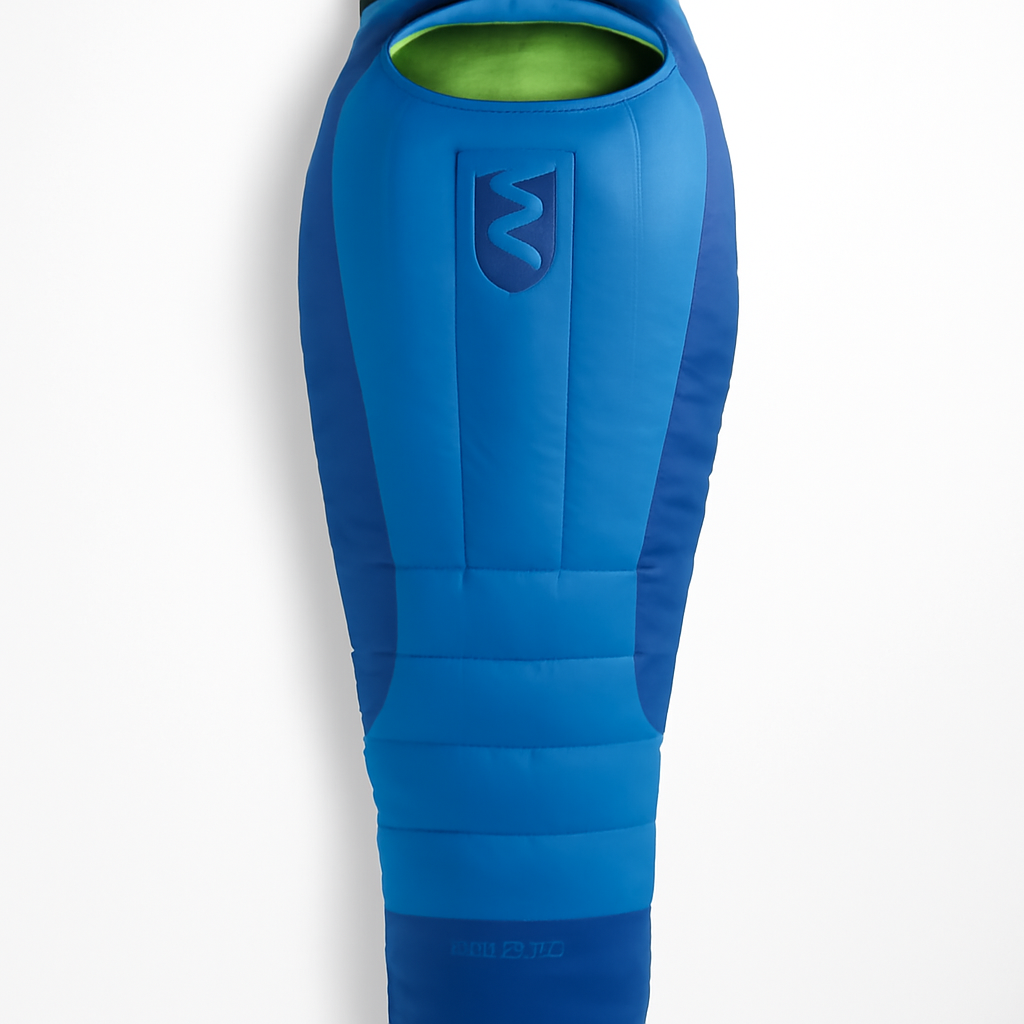
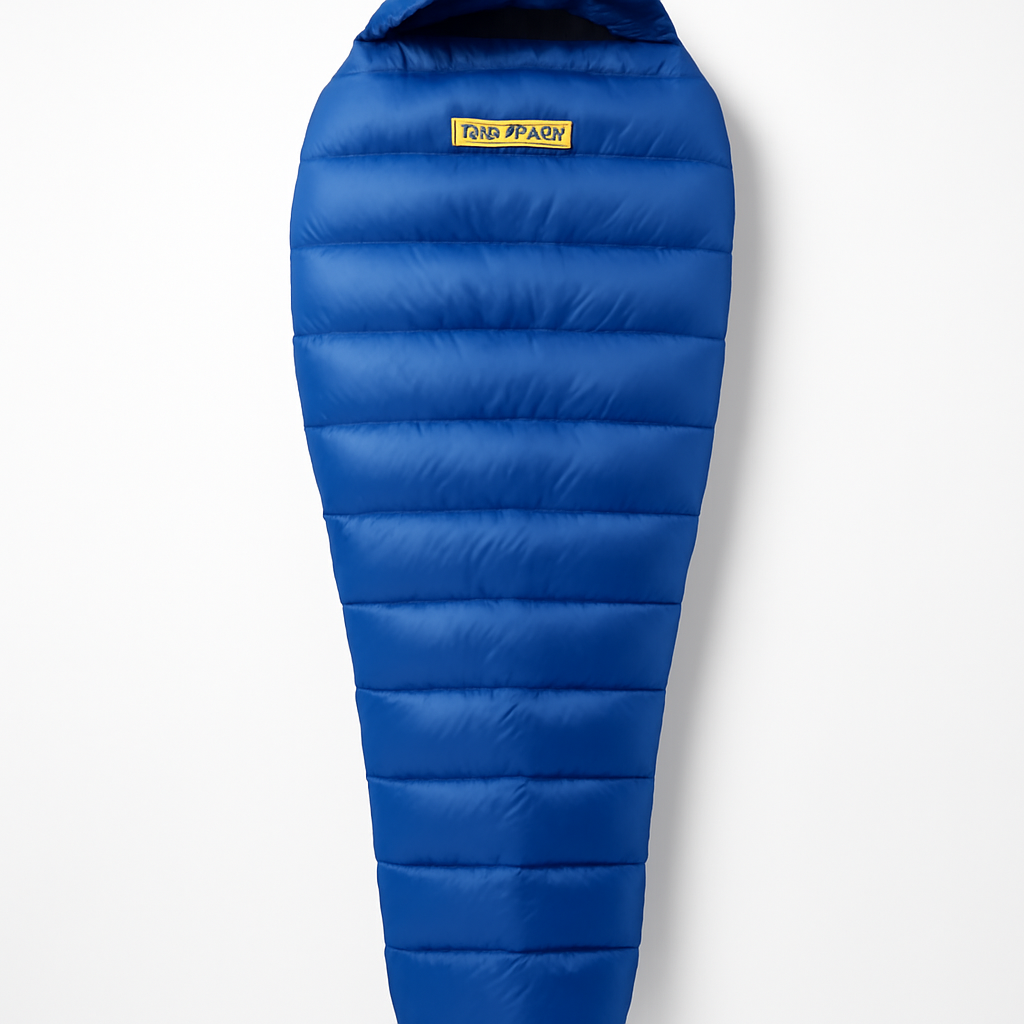
Quick Answer: The best sleeping bag for most campers in 2026 is the REI Co-op Magma 15 — it balances warmth, weight, and price better than anything else we tested. If you want ultralight performance for backpacking, the Western Mountaineering UltraLite is the gold standard. Budget-minded car campers should look at the Coleman Brazos, and cold-weather adventurers will want the NEMO Disco 15 for its roomy spoon shape and serious warmth.
Choosing a sleeping bag sounds simple until you’re staring at a wall of temperature ratings, fill weights, and “EN/ISO” labels that nobody explains. The wrong bag means a miserable, shivering night — or hauling two extra pounds you didn’t need. This guide cuts through the noise so you can pick the right bag for your trips, not someone else’s marketing.
—
How We Tested and Rated These Sleeping Bags
We don’t just read spec sheets. Our evaluation is built around how these bags actually perform in the field and how they hold up over a season of real use. Every bag in this guide was assessed against the same criteria:
– Warmth-to-weight ratio — how much heat you get per ounce carried
– Real-world temperature performance — does the rating hold up on a cold night?
– Packability — how small it compresses and how easily it stuffs
– Comfort — interior room, zipper draft tubes, hood fit, and fabric feel
– Durability — stitching, zipper quality, and how the fill holds loft over time
– Value — performance relative to price
We weight warmth and weight most heavily for backpacking bags, and comfort and value most heavily for car-camping bags. We also lean on standardized lab testing (more on that below) so we’re comparing apples to apples instead of trusting each brand’s in-house claims.
> A quick note on honesty: We use placeholder pricing () because sleeping bag prices shift constantly with seasonal sales and material costs. Always check the current price before buying.
—
Understanding Temperature Ratings (EN/ISO Standards)
This is the single most misunderstood spec in the category, so let’s get it right.
Modern sleeping bags are tested using the EN 13537 standard, now updated to ISO 23537. These are independent, standardized lab tests that let you compare a Marmot bag to a NEMO bag fairly. When a bag is “ISO rated,” it usually lists two numbers:
– Comfort rating — the temperature at which a “cold sleeper” (often modeled as a typical woman) stays comfortable.
– Limit rating — the temperature at which a “warm sleeper” (often modeled as a typical man) stays comfortable curled up.
There’s also an Extreme rating, but ignore it for planning — it’s a survival threshold, not a comfort target. You do not want to sleep at the extreme rating.
How to use the ratings
A bag labeled “15°F” typically refers to the limit rating. Here’s the practical rule:
> Buy for the Comfort rating, not the Limit rating — especially if you sleep cold, sleep in humid conditions, or are new to camping.
If a bag lists only a single number with no EN/ISO mention, treat that number with skepticism — it’s likely a marketing estimate, not a lab result. Also remember: ratings assume you’re using a sleeping pad with adequate R-value. The ground steals more heat than the air, so a great bag on a thin pad will still leave you cold.
—
Down vs. Synthetic Insulation: Which Is Right for You?
The insulation debate comes down to four trade-offs: warmth-to-weight, packability, wet-weather performance, and price.
| Factor | Down | Synthetic |
| Warmth-to-weight | Best — lightest for the warmth | Heavier for same warmth |
| Packability | Compresses smallest | Bulkier |
| Wet performance | Loses loft when soaked (unless treated) | Keeps warmth when damp |
| Price | Higher | More affordable |
| Lifespan | Longer with good care | Loft degrades faster |
Choose down if…
You’re backpacking, counting ounces, and camping in mostly dry conditions. Look for a fill power of 800+ for premium warmth-to-weight. Many premium bags now use hydrophobic (water-resistant) down, which closes much of the wet-weather gap.
Choose synthetic if…
You camp in wet or humid climates, you’re on a budget, or you want a low-maintenance bag for car camping and kids. Synthetic dries faster and keeps you warmer when damp — a real safety advantage in rainy backcountry.
—
Key Features to Look For: Weight, Packability, and Shape
Beyond insulation, these are the details that separate a great night’s sleep from a frustrating one.
Shape
– Mummy — Tapered, hooded, and thermally efficient. Best for cold weather and backpacking. Can feel restrictive if you move a lot.
– Semi-rectangular / “spoon” — A roomier hybrid. NEMO’s spoon-shaped bags add elbow and knee room for side sleepers without a huge weight penalty.
– Rectangular — Maximum room, minimum efficiency. Great for warm-weather car camping; poor for cold or backpacking.
Weight
For backpacking, a 3-season bag in the 2 to 2.5 lb range is excellent; ultralight bags dip under 1.5 lb. For car camping, weight barely matters — prioritize comfort.
Packability
Check the compressed (packed) size, not just the weight. Down packs dramatically smaller, which matters when your pack is full. A good compression sack helps, but don’t store the bag compressed long-term (more on that in Care).
Don’t overlook
– Zipper draft tubes — an insulated baffle behind the zipper that blocks cold air
– Draft collar / yoke — a neck baffle that seals warmth in on cold-weather bags
– Hood cinch — should adjust easily with one hand in the dark
– Anti-snag zipper guards — saves you from constant zipper jams
—
Top Sleeping Bag Picks for 2026
Top Picks at a Glance
| Product | Best For | Price Range |
| REI Co-op Magma 15 | Best overall 3-season backpacking | |
| Western Mountaineering UltraLite | Best ultralight / premium down | |
| NEMO Disco 15 | Best for side sleepers / roomy comfort | |
| Marmot Trestles Elite Eco 20 | Best synthetic / wet climates | |
| Coleman Brazos | Best budget car camping |
—
1. Best Overall: REI Co-op Magma 15
The REI Co-op Magma 15 hits the sweet spot that most campers actually need: genuinely warm, impressively light, and priced well below boutique competitors. It uses high-fill-power, responsibly sourced hydrophobic down and an ISO-tested rating you can trust. For three-season backpacking — spring through fall in most climates — this is the bag we’d hand a friend without hesitation.
Pros:
– Excellent warmth-to-weight for the price
– ISO/EN rated, hydrophobic down
– Comfortable mummy cut with a quality draft collar
– Strong value versus premium brands
Cons:
– Not roomy enough for restless side sleepers
– Down requires careful drying if it gets wet
—
2. Best Ultralight: Western Mountaineering UltraLite
If your priority is the lightest possible bag without sacrificing real-world warmth, the Western Mountaineering UltraLite is a benchmark. It’s built with top-tier high-fill-power down and meticulous construction that holds loft for years. This is a buy-it-once bag for serious backpackers and thru-hikers — premium price, premium performance.
Pros:
– Exceptional warmth-to-weight ratio
– Outstanding build quality and longevity
– Packs remarkably small
Cons:
– Premium price point
– Untreated down means you must keep it dry
—
3. Best for Side Sleepers: NEMO Disco 15
The NEMO Disco 15 uses a spoon shape that flares at the elbows and knees, so side sleepers and tossers-and-turners get room to move without ditching mummy-bag warmth. Thoughtful touches like “Thermo Gills” let you vent heat on warmer nights without unzipping fully. It’s a touch heavier than a strict mummy bag, but the comfort trade is worth it for many campers.
Pros:
– Roomy spoon shape — ideal for side sleepers
– Venting gills for temperature regulation
– Comfortable, well-featured for the price
Cons:
– Heavier and bulkier than a classic mummy
– The extra room slightly reduces thermal efficiency
—
4. Best Synthetic / Wet Climates: Marmot Trestles Elite Eco 20
The Marmot Trestles Elite Eco 20 is the pick for campers in the Pacific Northwest, the Southeast, or anywhere humidity and rain are a fact of life. Its synthetic fill keeps insulating even when damp and dries fast — and it does it at a friendly price using recycled materials.
—
5. Best Budget Car Camping: Coleman Brazos
For casual campers, family trips, and occasional weekends, the Coleman Brazos delivers honest warmth at a price that’s hard to argue with. It’s heavy and bulky by backpacking standards, but for tossing in the trunk and rolling out at a campsite, it’s all most people need.
—
Matching Your Sleeping Bag to Season and Climate
Bags are loosely grouped by season. Match the bag to the coldest night you realistically expect, then adjust for how warm or cold you sleep.
| Season / Use | Target Rating | Insulation Tip |
| Summer / warm nights | 35°F+ | Lightweight down or synthetic; consider a roomy or rectangular cut |
| 3-season (spring–fall) | 15°F to 30°F | The versatile sweet spot — the Magma 15 or NEMO Disco 15 shine here |
| Cold / shoulder winter | 0°F to 15°F | Mummy shape with a draft collar; high-fill down |
| Deep winter / alpine | -10°F and below | Expedition down, full draft tubes, paired with a high R-value pad |
Two field rules that matter more than the label:
1. Layer smart. A sleeping bag liner can add roughly 5–15°F of warmth and keeps your bag cleaner. It’s the cheapest way to extend a bag’s range.
2. Mind your pad. A warm bag on a low-R-value pad still sleeps cold. For cold trips, pair your bag with a pad rated R-value 4 or higher.
—
Care, Storage, and Maintenance Tips to Extend Bag Life
A quality bag can last a decade or more — if you treat it right. The single biggest mistake campers make is killing the loft through bad storage.
Storage
– Never store your bag compressed. Long-term compression crushes the loft permanently. Keep it in the large breathable storage sack it came with, or hang it in a closet.
– Store it fully dry. Even slight residual moisture invites mildew and rot.
Cleaning
– Wash sparingly. Frequent washing breaks down insulation. Spot-clean the hood and collar (where face oils collect) between deep washes.
– Use a front-loading washer (no agitator) on gentle, with a detergent made for the fill type — down-specific wash for down, mild tech wash for synthetic.
– Dry thoroughly on low heat. For down, toss in a few clean tennis balls or dryer balls to break up clumps and restore loft. This step can take hours — be patient.
On the trail
– Use a liner to keep body oils and dirt out of the bag.
– Air the bag out each morning before packing to release overnight moisture.
– Keep down bags dry; if you’re in a wet climate, a waterproof stuff sack or pack liner is cheap insurance.
—
Our Verdict
For most campers in 2026, the REI Co-op Magma 15 is the best all-around sleeping bag — it’s warm, light, trustworthy, and fairly priced for genuine three-season performance. It’s the bag that fits the widest range of trips and sleepers.
If you have specific needs, the picture sharpens:
– Counting every ounce? The Western Mountaineering UltraLite is the premium, buy-it-for-life ultralight choice.
– A side sleeper who hates feeling boxed in? Go with the NEMO Disco 15.
– Camping in wet, humid country? The synthetic Marmot Trestles Elite Eco 20 keeps you warm even when damp.
– Just need something reliable for the occasional family trip? The Coleman Brazos does the job without straining your wallet.
Whichever you choose, buy for the comfort rating, pair it with a properly rated sleeping pad, and store it uncompressed. Do that, and the right bag will keep you warm for many seasons to come.
Always confirm current pricing and the latest ISO/EN temperature rating before purchasing — specs and prices change with each model year.