Quick Answer
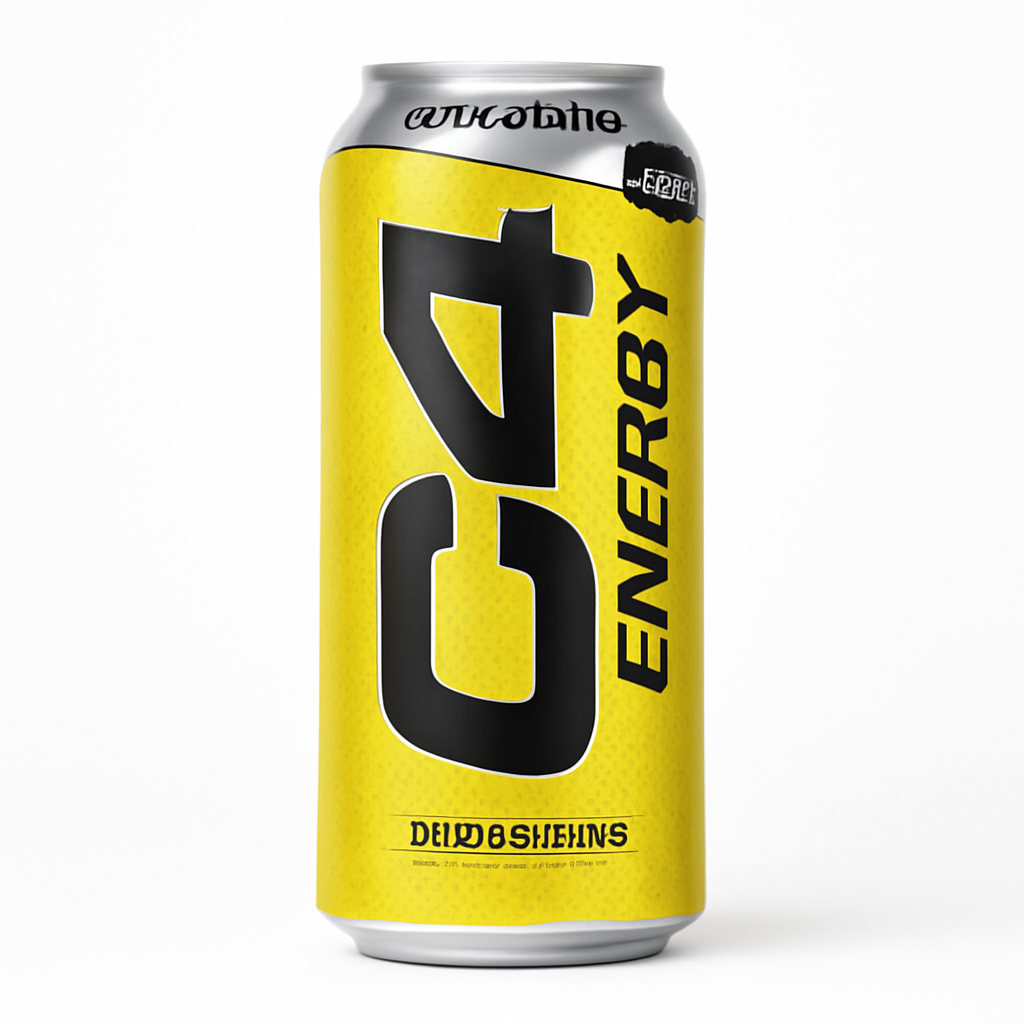
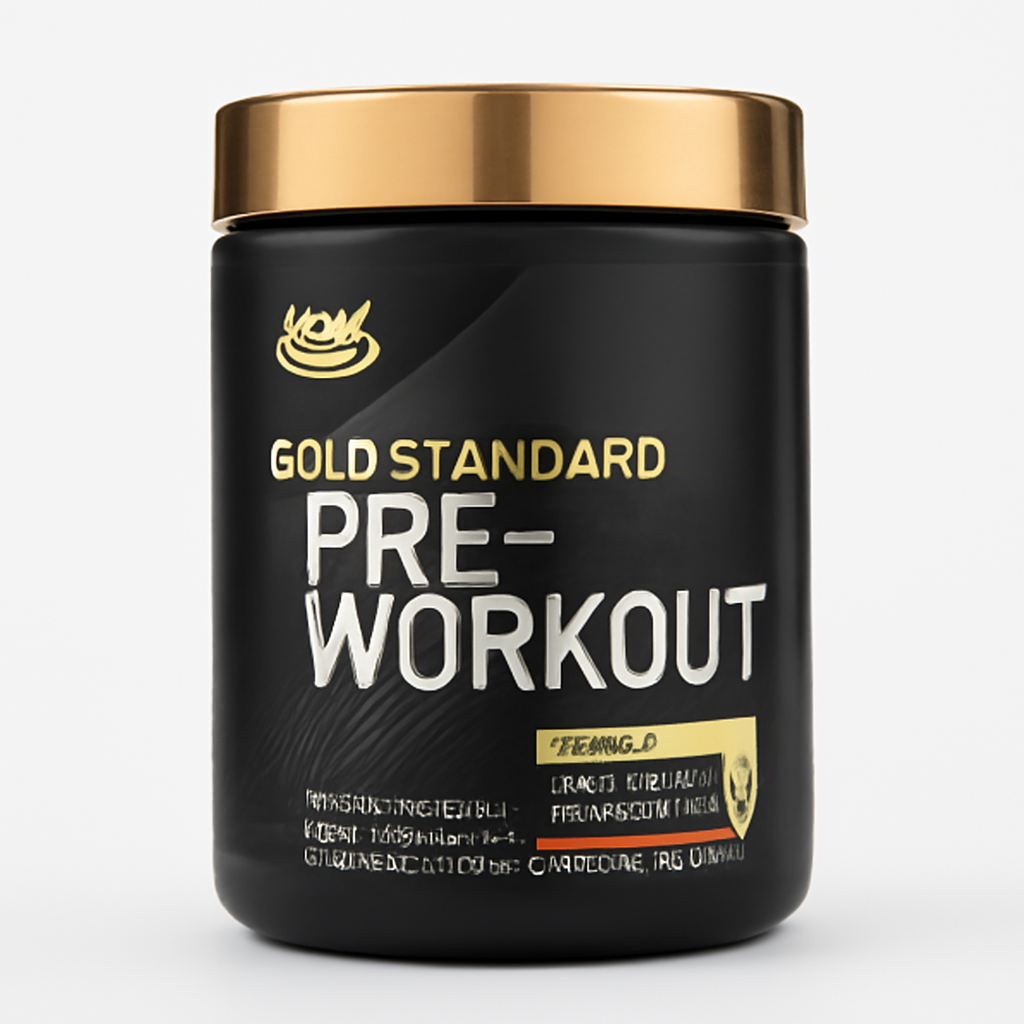
The most effective pre-workout ingredients combine caffeine (150-300mg) for energy, beta-alanine (3-5g) for endurance, citrulline malate (6-8g) for blood flow, and creatine monohydrate (3-5g) for strength. Look for products with transparent labeling that lists exact doses—not proprietary blends—and avoid excessive fillers or banned substances. Brands like Optimum Nutrition Gold Standard Pre-Workout, C4 Energy, and Transparent Labs Stim-Free consistently deliver research-backed formulations.
—
Essential Pre Workout Supplement Ingredients Explained
Before you throw down money on a pre-workout, you need to understand what you’re actually buying. The supplement industry loves flashy marketing and proprietary blends that hide weak ingredient doses behind fancy names. That’s why knowing what works—and what doesn’t—is your first defense against wasting cash.
A quality pre-workout should do three things:
1. Increase energy and focus so you can actually show up and train hard
2. Boost blood flow and oxygen delivery to working muscles
3. Delay fatigue so you can squeeze out extra reps
The problem? Not every ingredient in every product does all three. Some are just filler. Some work, but only at doses that cost manufacturers too much money to include.
This guide breaks down the science behind pre-workout ingredients so you can spot the real deal from the hype.
—
Caffeine & Stimulants: How They Boost Performance
Caffeine is the foundation of almost every effective pre-workout. It’s not fancy, but it works—and the research backs it up.
How Caffeine Works
Caffeine blocks adenosine receptors in your brain, which means you feel less tired. It also increases adrenaline production, which triggers your “fight or flight” response. More adrenaline = higher heart rate, sharper focus, and better muscle contraction.
For pre-workout, you want 150-300mg of caffeine. Below 150mg and you’re leaving performance on the table. Over 300mg and you risk jitters, elevated heart rate, and potential tolerance buildup.
Effective Caffeine Dosing
– 150-200mg: Good for beginners or caffeine-sensitive individuals
– 200-300mg: The sweet spot for most lifters
– 300mg+: Only useful if you have significant caffeine tolerance
Pro tip: If you’re drinking coffee or other caffeinated beverages, count those milligrams. Many people unknowingly double up and wonder why they feel shaky.
Other Stimulants Worth Knowing About
L-Theanine (100-200mg) is often paired with caffeine because it smooths out the caffeine jitters while keeping the energy. It’s an amino acid from green tea, and it genuinely works—you’ll feel more focused without the crash.
TeaCrine (Theacrine) is a caffeine-like compound that doesn’t build tolerance as fast. Some formulas use this alongside caffeine for extended energy without the mid-workout crash.
Synephrine (from bitter orange extract) is a milder stimulant that boosts metabolism and focus. It’s legal in most places but worth checking your competition rules if you compete.
—
Beta-Alanine & Creatine: Endurance & Strength Builders
These two ingredients are separated by purpose, but they’re equally important for different training goals.
Beta-Alanine: The Endurance Hero
Beta-alanine is an amino acid that buffers lactic acid buildup in your muscles. When you train hard, your muscles accumulate hydrogen ions (lactic acid), which creates that burning sensation and forces you to stop.
Beta-alanine increases carnosine levels in muscle, which neutralizes these hydrogen ions. Result? You can do more reps before fatigue hits.
Effective dose: 3-5g per serving, taken daily (not just pre-workout)
Important note: Beta-alanine works best with consistent use over days and weeks, not as a one-time pre-workout boost. You need to build it up in your system.
Side effect: You might experience a harmless tingling sensation (paresthesia) in your skin, especially in higher doses. This is normal and fades after a few weeks.
Creatine Monohydrate: The Strength Amplifier
Creatine is one of the most researched supplements ever. It increases ATP (energy) production in your muscles, allowing for more strength, power, and muscle growth.
Effective dose: 3-5g daily (whether in pre-workout or elsewhere)
Why it matters: Creatine requires consistent daily intake to build up in your system. One scoop before the gym won’t cut it—you need daily dosing for results.
Truth bomb: Creatine monohydrate is the gold standard. Fancy versions like creatine ethyl ester or buffered creatine don’t outperform it, despite higher prices.
Should You Use Both?
Yes. They serve different purposes:
– Beta-alanine = endurance and rep capacity
– Creatine = strength and power
You can stack them together safely, and many pre-workouts do.
—
Nitric Oxide Boosters: L-Citrulline & Beetroot Extract
If caffeine is the energy engine, nitric oxide boosters are the supercharger. They improve blood flow, which means more oxygen and nutrients reach your muscles.
L-Citrulline: The Pump Specialist
L-citrulline is converted to nitric oxide in your body, which relaxes blood vessel walls and increases blood flow. More blood flow = bigger pumps, more nutrients delivered, and better endurance.
Effective dose: 6-8g (as citrulline malate) per serving
Why citrulline malate specifically? The malate part is a compound that helps with energy production and may reduce muscle soreness. Standard L-citrulline works too, but the malate form is slightly more effective.
What to expect: Better pumps, slightly improved endurance, and sometimes reduced muscle soreness. Results are most noticeable in high-rep training.
Beetroot Extract: The Natural Nitrate Source
Beetroot juice and beetroot extract contain dietary nitrates, which also increase nitric oxide. It’s the “natural” option that actually has solid research behind it.
Effective dose: 500-1000mg of concentrated extract (equivalent to ~200-500mg nitrates)
Pros: Natural source, works synergistically with L-citrulline, improved cardiovascular function
Cons: Takes 2-3 hours to peak effect (less useful as an acute pre-workout), can stain your teeth and urine red
Which One to Choose?
L-citrulline malate acts faster and is better for immediate pre-workout effects.
Beetroot extract has longer-lasting effects and better cardiovascular benefits, but slower onset.
Many advanced pre-workouts include both because they stack well together.
—
BCAAs & Amino Acids: Muscle Recovery & Fatigue Prevention
BCAAs (branched-chain amino acids) are a hotly debated topic in fitness. Here’s the actual truth.
Do BCAAs in Pre-Workout Actually Matter?
If you’re eating adequate protein throughout the day, extra BCAAs in your pre-workout don’t provide much additional benefit. Your body gets BCAAs from regular food and whole protein.
However, if you’re training fasted or in a calorie deficit, BCAAs can help preserve muscle and reduce fatigue during training.
Which Amino Acids Actually Work?
– Leucine (the most important of the three BCAAs) – triggers muscle protein synthesis
– Isoleucine – aids energy production and glucose uptake
– Valine – reduces fatigue perception
Effective dose: 5-10g of BCAAs, or 3-5g of leucine specifically
L-Citrulline vs BCAAs: Which Matters More?
For most people, L-citrulline is more impactful than BCAAs in a pre-workout context. L-citrulline directly improves performance (pumps, endurance), while BCAAs are mainly protective if you’re training in a depleted state.
The Practical Take
If your pre-workout has L-citrulline, beta-alanine, and caffeine, you’re fine without extra BCAAs. But if you train fasted or are cutting calories aggressively, look for a pre-workout that includes them.
—
Natural vs Synthetic Ingredients: What Actually Works
Here’s where the marketing gets really slick. “Natural” pre-workouts charge premium prices because consumers assume natural = better. Usually, it’s not.
The Science Reality
Synthetic caffeine = Natural caffeine. They’re chemically identical. Your body can’t tell the difference.
Synthetic beta-alanine = Natural beta-alanine. Again, identical molecules.
The only time “natural” matters is when the natural source provides additional benefits—like beetroot extract, which gives you nitrates plus other beneficial compounds.
When “Natural” Actually Adds Value
– Beetroot extract – provides nitrates and other antioxidants
– Green tea extract – provides L-theanine + EGCG antioxidants
– Coconut water powder – natural electrolytes
– Honey or carbs – energy source plus micronutrients
These provide genuine added benefits beyond the active ingredient.
When “Natural” Is Just Expensive Marketing
– “Natural caffeine from coffee bean extract” – costs 3x more, same effect
– “Plant-based beta-alanine” – doesn’t exist; beta-alanine doesn’t come from plants at meaningful doses
– “Organic creatine” – organic labeling doesn’t apply to creatine; it’s all synthesized
Bottom line: Judge pre-workouts by ingredient doses and research, not whether they say “natural” on the label.
—
How to Choose Pre Workout Supplements With Quality Ingredients
The Label Checklist
Before you buy, verify your pre-workout meets these criteria:
1. Full Transparent Label (Not Proprietary Blends)
Proprietary blends hide individual doses. A label should list:
– Ingredient name
– Exact dose in milligrams
❌ Bad: “Energy Blend (2,500mg): Caffeine, Taurine, Synephrine…”
✅ Good: “Caffeine Anhydrous 250mg, Taurine 2g, Synephrine 30mg…”
2. Sufficient Doses of Key Ingredients
Match against this checklist:
| Ingredient | Minimum Effective Dose |
| Caffeine | 150-300mg |
| L-Citrulline Malate | 6g |
| Beta-Alanine | 3g |
| Creatine Monohydrate | 3-5g (daily) |
| L-Theanine | 100-150mg |
| Beetroot Extract | 500-1000mg |
If your pre-workout falls short on multiple ingredients, it’s underdosed.
3. Minimal Fillers and Artificial Ingredients
Watch out for:
– Excessive dyes and artificial flavors
– Unknown ingredients with no proven function
– “Proprietary blends” hiding weak doses
4. Third-Party Testing
Look for NSF Certified for Sport, Informed Choice, or USP verification. This confirms the product actually contains what the label claims and is free from banned substances.
—
Top Pre-Workout Products Compared
Optimum Nutrition Gold Standard Pre-Workout
Best for: Beginners and consistent daily users
Key ingredients:
– Caffeine: 150mg
– Creatine Monohydrate: 1g
– L-Citrulline: 2g
– Beta-Alanine: 1.5g
Pros:
– Affordable and widely available
– Transparent label with full ingredient disclosure
– Third-party tested
– Smooth texture, mixes well
Cons:
– Some ingredient doses are on the lower side
– Limited additional performance compounds
– Caffeine content is light for advanced lifters
—
C4 Energy
Best for: Intermediate to advanced lifters wanting hard-hitting energy
Key ingredients:
– Caffeine: 200mg
– L-Citrulline Malate: 6g
– Beta-Alanine: 3.2g
– Creatine Nitrate: 1g
Pros:
– Strong caffeine dose for sustained energy
– Excellent L-citrulline malate dose
– Great pump effect and endurance
– Wide flavor variety
Cons:
– More expensive than budget brands
– Higher stimulant content (may not suit stim-sensitive users)
– Creatine form is nitrate (works but monohydrate is standard)
—
Transparent Labs Stim-Free
Best for: Athletes avoiding caffeine or those training late in the day
Key ingredients:
– L-Citrulline Malate: 8g
– Beta-Alanine: 3.5g
– Beetroot Extract: 500mg
– Creatine Monohydrate: 5g
Pros:
– Premium ingredient doses (especially citrulline and beetroot)
– No caffeine allows twice-daily use
– Clean label with zero artificial dyes
– Third-party tested
Cons:
– No stimulant means no energy boost (intentional)
– Premium pricing
– Better for endurance athletes than strength athletes
—
Top Picks at a Glance
| Product | Best For | Price Range | Key Strength |
| Optimum Nutrition Gold Standard | Budget beginners | Affordability + transparency | |
| C4 Energy | Energy-seeking lifters | Strong caffeine + L-citrulline | |
| Transparent Labs Stim-Free | Stim-sensitive athletes | Maximum ingredient doses, no caffeine |
—
Our Verdict
The “best” pre-workout depends on your goals and tolerance, but the ingredients don’t lie.
For most people (strength + energy): Go with C4 Energy. The 200mg caffeine hits hard, the 6g L-citrulline malate delivers serious pumps, and beta-alanine supports endurance. It’s proven effective and costs less than premium brands.
For budget-conscious lifters: Optimum Nutrition Gold Standard Pre-Workout is solid. The doses are moderate, but the transparent label means you know exactly what you’re getting. Good for learning what works for your body without spending $50+ per container.
For stimulant-free training: Transparent Labs Stim-Free is the only non-negotiable choice if you can’t or won’t use caffeine. The ingredient doses are genuinely premium, and you get real beetroot extract (not just nitrates).
The Real Talk
You don’t need a fancy pre-workout to see results. The core ingredients—caffeine, beta-alanine, L-citrulline, and creatine—are commodity ingredients that work the same across brands. What varies is dose, quality, and price.
Skip brands making crazy claims like “300% pump increase” or “50% more strength.” Look for transparent labels, effective doses, and third-party testing. That’s it.
Your training, nutrition, and sleep matter infinitely more than which pre-workout you pick. Choose one with solid ingredients at a reasonable price, take it consistently, and focus your energy on the actual gym work.