# Best Portable Chargers 2026 | Top-Rated Picks
Quick Answer
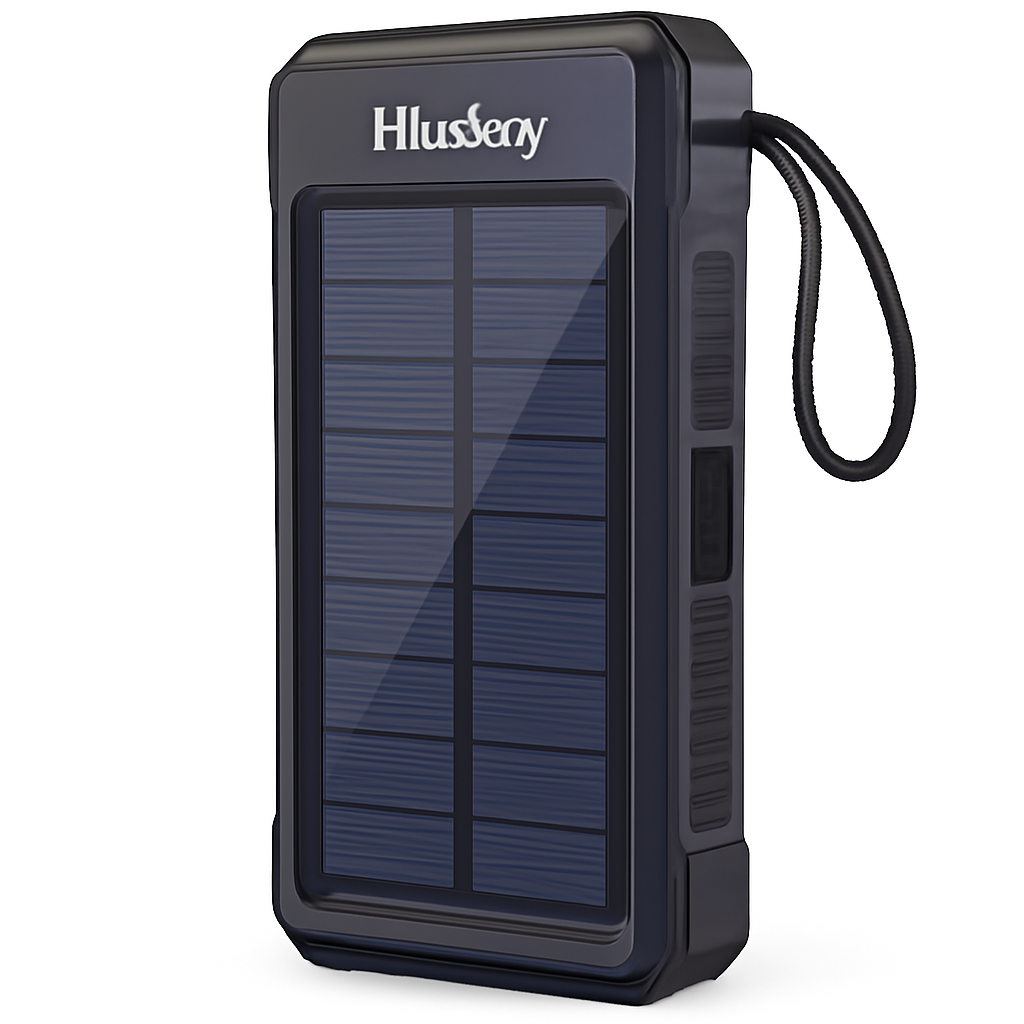
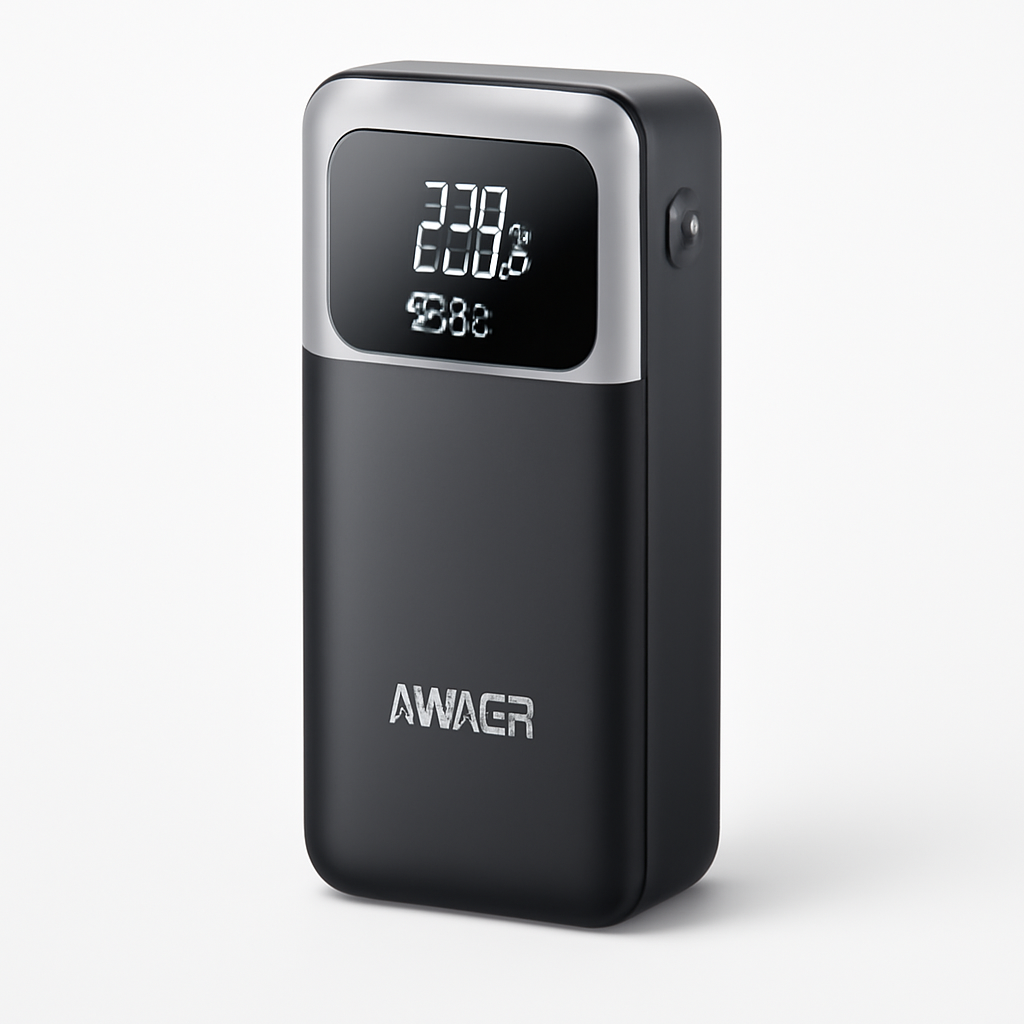
A good portable charger keeps your phone, tablet, or laptop powered when you’re away from an outlet. In 2026, the best options balance capacity, charging speed, and portability. If you need a one-size-fits-all solution, the Anker 737 Power Bank CHECK PRICE] offers fast charging and reliable performance. For travel, the [RAVPower 65W USB-C CHECK PRICE] is slim and powerful. Solar users should consider the [Hiluckey Solar Power Bank CHECK PRICE]. Budget shoppers can trust the [Belkin Boost Charge [CHECK PRICE] as a solid, affordable pick.
—
What to Look for in a Portable Charger
Choosing a portable charger isn’t one-size-fits-all. Before you buy, consider these key factors:
Capacity (mAh vs. Wh)
Portable chargers are measured in milliamp-hours (mAh) or watt-hours (Wh). Here’s what matters:
– 5,000–10,000 mAh: Good for a quick phone top-up. Fits in a pocket.
– 10,000–20,000 mAh: Charges a phone 2-4 times. The sweet spot for most people.
– 20,000+ mAh: Multiple full charges for tablets or laptops. Heavier, bulkier.
Real example: A 20,000 mAh charger with a 5V output gives roughly one full charge to a modern smartphone (3,000–4,000 mAh capacity).
Charging Speed (Wattage & Technology)
Look for these features:
– USB-C Power Delivery (PD): Fastest charging for phones and laptops. Supports up to 100W or higher.
– Proprietary Fast Charging: Apple’s MagSafe, Samsung’s Super Fast Charging, etc.
– Multiple Ports: Charge two devices simultaneously, though this can slow down individual charges.
What’s new in 2026: Most premium chargers now support 65W+ USB-C Power Delivery, cutting charging time in half compared to 2024 models.
Portability vs. Power Trade-off
– Under 200g: Pocket-friendly, for daily carry.
– 200–400g: Slightly bulky, more capacity.
– 400g+: Practically a small brick, but serious power for frequent travelers.
Safety & Certification
Legitimate chargers should have:
– UL, FCC, or CE certification
– Overcharge protection
– Temperature monitoring
– Short-circuit protection
Avoid no-name brands that skip these—a failed charger can damage your expensive devices.
—
Fastest Charging Portable Chargers of 2026
If you’re impatient, these are the speed demons:
Anker 737 Power Bank [CHECK PRICE]
Specs: 24,000 mAh, 140W max output, USB-C PD support
This is a game-changer for power users. With 140W of output, it can charge a laptop, phone, and tablet simultaneously. The USB-C input and output mean faster refilling too.
Pros:
– Insanely fast charging (laptop charges in ~2 hours)
– Multiple simultaneous devices
– Compact for its capacity
Cons:
– Hefty at 400g+
– Overkill if you just need phone charging
– Higher price tag
—
RAVPower 65W USB-C [CHECK PRICE]
Specs: 20,000 mAh, 65W Power Delivery, compact form factor
This balances speed and size better than the Anker for most people. It’s slim enough for a backpack, powerful enough for a MacBook charge or two phone charges.
Pros:
– Sleek, travel-friendly design
– 65W is plenty for most devices
– Great value relative to performance
Cons:
– Slower than 140W options
– May not fully charge large laptops under load
—
Belkin Boost Charge Pro [CHECK PRICE]
Specs: 10,000 mAh, 30W output, dual USB-C/USB-A ports
Belkin’s approach is simplicity. This smaller charger prioritizes speed over capacity—perfect if you just need a daily phone top-up with zero fuss.
—
Best Portable Chargers for iPhone & Android
Your device type matters. Here’s what works best:
For iPhone Users
What to look for:
– MagSafe compatibility (newer models magnetically attach to iPhone 12+)
– Lightning input support (though USB-C is becoming standard)
– 20,000 mAh minimum for 2–3 full charges
The Anker 737 Power Bank works flawlessly with iPhones, though it’s honestly overpowered for just phone charging. A smarter pick: something in the 10,000–15,000 mAh range with USB-C output.
For Android Users
Android has always been more flexible with charging standards. You have more options:
– USB-C Power Delivery (most common)
– USB-A output (older devices)
– Fast charging protocols (Samsung Adaptive Fast Charging, OnePlus Dash, etc.)
The RAVPower 65W USB-C [CHECK PRICE] is ideal for Android flagship phones, as it supports most proprietary fast charging standards and provides USB-A for older devices.
MagSafe & Magnetic Chargers
If you have a newer iPhone, consider a MagSafe-compatible charger. The Anker 737 includes MagSafe capability—you can stick it directly to your phone while charging, then slip it in your pocket. No cable salad.
—
Solar & Eco-Friendly Portable Charger Options
Going green? Solar chargers are better in 2026 than they’ve ever been.
Hiluckey Solar Power Bank [CHECK PRICE]
Specs: 25,000 mAh, dual solar panels, water-resistant
This is the go-to for camping, hiking, or anyone wanting emergency power. Solar panels charge slowly (expect 12–24 hours in direct sunlight), but they’re free energy. The charger also accepts USB input for faster charging at home.
Real-world use: Solar alone won’t power your phone quickly, but it’s great for maintaining charge during a week-long trip. Combine solar input with occasional outlet charging for best results.
Pros:
– Emergency energy source
– Waterproof (IP65 rated)
– Good for outdoor enthusiasts
Cons:
– Solar charging is slow
– Pricier than non-solar alternatives
– Solar panels degrade over 2–3 years
—
Eco-Friendly Materials
In 2026, several brands are using recycled plastics and aluminum:
– Anker Eco Series: Made partly from recycled materials, same warranty as premium lines.
– Native Union: Premium chargers with sustainable packaging (recyclable cardboard, no excess plastic).
These cost 10–20% more but matter if you care about carbon footprint.
—
Portable Chargers by Capacity: Which Size Do You Need?
Not sure what capacity to buy? Use this breakdown:
Small (5,000–10,000 mAh)
Best for: Daily commutes, office workers, light travel
– Weight: 100–150g (fits a pocket)
– Phone charges: 1–1.5 full charges
– Example: The Belkin Boost Charge Pro fits here
– Price: [CHECK PRICE] – typically $30–$60
Medium (10,000–20,000 mAh)
Best for: Weekend trips, frequent travelers, heavy phone users
– Weight: 200–300g (backpack-friendly)
– Phone charges: 2–4 full charges
– Example: The RAVPower 65W [CHECK PRICE] is mid-range
– Price: Typically $50–$100
Large (20,000+ mAh)
Best for: Laptop users, multiple devices, content creators
– Weight: 350g+ (definitely noticeable)
– Phone charges: 4+ full charges, plus laptop top-ups
– Example: The Anker 737 Power Bank [CHECK PRICE]
– Price: Typically $100–$150+
—
Top Picks at a Glance
| Product | Best For | Capacity | Key Feature | Price Range |
| Anker 737 Power Bank | Power users, laptop owners | 24,000 mAh | 140W output, MagSafe | $120–$150 |
| RAVPower 65W USB-C | Travelers, Android users | 20,000 mAh | Fast 65W charging, slim design | $60–$80 |
| Belkin Boost Charge Pro | Daily commuters | 10,000 mAh | Compact, 30W output | $40–$55 |
| Hiluckey Solar Power Bank | Outdoor enthusiasts | 25,000 mAh | Dual solar panels, waterproof | $50–$70 |
—
Top-Rated Brands & Customer Reviews
Anker: The Reliability King
Why people love it: Anker consistently delivers well-engineered chargers with excellent warranties (typically 18 months). The 737 Power Bank, in particular, gets praise for not throttling when charging multiple devices.
Common complaint: Slightly pricier than knockoffs, but the quality justifies it.
RAVPower: The Travel Champion
Why people love it: Slim, elegant design without sacrificing power. Users appreciate the lifetime customer support.
Common complaint: Older models had minor heating issues—newer 2026 versions have better thermal management.
Belkin: The Safe Choice
Why people love it: Backed by legendary Apple compatibility and rigorous safety testing. Great if you want zero hassle.
Common complaint: Can be pricey for what you get, especially the smaller capacities.
Hiluckey: The Adventurer’s Brand
Why people love it: Solar capability is unique, and the waterproofing is legit. Users report it survives drops and water splashes.
Common complaint: Solar charging is slow; most users treat the solar panels as a backup, not the primary charging method.
—
How to Extend Your Portable Charger’s Battery Life
A portable charger is a long-term investment. Here’s how to keep it healthy:
1. Avoid Extreme Temperatures
Lithium batteries hate heat and cold.
– Don’t leave it in a hot car (above 45°C / 113°F)
– Don’t charge it in freezing weather (below 0°C / 32°F)
– Store in a cool, dry place (15–25°C / 59–77°F ideal)
2. Don’t Fully Deplete It
Modern chargers have protection circuits, but it’s still better to:
– Recharge before it hits 0%
– Avoid letting it sit dead for weeks
3. Avoid Overcharging
Most quality chargers (like Anker, RAVPower, Belkin) have smart chips that stop charging at 100%. Still, don’t leave it plugged in for days.
4. Use Quality Cables
Cheap USB-C cables can cause internal damage over time. Stick with certified cables from the same brand or reputable third-party makers.
5. Clean the Ports
Dust builds up in USB ports and reduces charging speed. Use a dry cotton swab or compressed air every few months.
Expected Lifespan
With proper care, most portable chargers last 3–5 years before capacity degrades noticeably. By then, newer, faster models will likely appeal to you anyway.
—
Comparison: Top 2 Picks Side-by-Side
Anker 737 vs. RAVPower 65W
| Feature | Anker 737 | RAVPower 65W |
| Capacity | 24,000 mAh | 20,000 mAh |
| Max Output | 140W | 65W |
| Weight | ~400g | ~280g |
| Best For | Laptop + multiple devices | Slim, all-around workhorse |
| Price | ~$120–$150 | ~$60–$80 |
| Multiple Devices | Yes (zero throttle) | Yes (minor slowdown) |
| Laptop Charging | Fast | Moderate |
Choose Anker if: You regularly charge a laptop, want maximum overkill power, and don’t mind the weight.
Choose RAVPower if: You value portability, travel frequently, and want fast-but-not-excessive power.
—
Common Questions Answered
Can I bring a portable charger on a plane?
Yes, with limits. TSA allows portable chargers under 100 Wh in carry-on bags. Most chargers (under 20,000 mAh) fall here. Check your specific model before flying. Batteries above 100 Wh require airline approval.
How long does it take to charge a portable charger?
Depends on input wattage:
– With 5W charger: 8–12 hours
– With 18W charger: 4–6 hours
– With 65W+ charger: 2–3 hours
Always use the charger that came with your power bank for safety.
Can I charge multiple devices at once?
Yes, most chargers 10,000 mAh+ have dual or triple ports. But charging speed splits between devices. Charging two phones simultaneously will be slower than charging one phone.
Is it bad to use my phone while charging from a portable charger?
No, but it slows total charging time. The charger splits power between topping up the phone’s battery and powering its operation. It’s fine for light use (texting, browsing).
—
Our Verdict
For most people, the RAVPower 65W USB-C [CHECK PRICE] is the sweet spot. It offers genuine speed, excellent portability, and a fair price. One charge extends your phone’s life by 2–3 days of moderate use.
If you’re serious about power, invest in the Anker 737 Power Bank [CHECK PRICE]. The 140W output and laptop-charging capability make it worth the premium if you own multiple devices or travel frequently.
On a budget? The Belkin Boost Charge Pro [CHECK PRICE] delivers reliable, certified charging without overpaying for features you won’t use.
For outdoor adventures, the Hiluckey Solar Power Bank [CHECK PRICE] is the only choice. The solar panels give you peace of mind on long trips, even if they charge slowly.
Final recommendation: Buy once, buy well. A decent portable charger from Anker, RAVPower, or Belkin will outlast your current phone and save you countless times when the battery dies at 2%. Don’t cheap out on this one—the extra $20–$40 pays for itself in reliability and speed.