# Best Hiking Backpacks 2026 | Top Picks & Reviews
Quick Answer
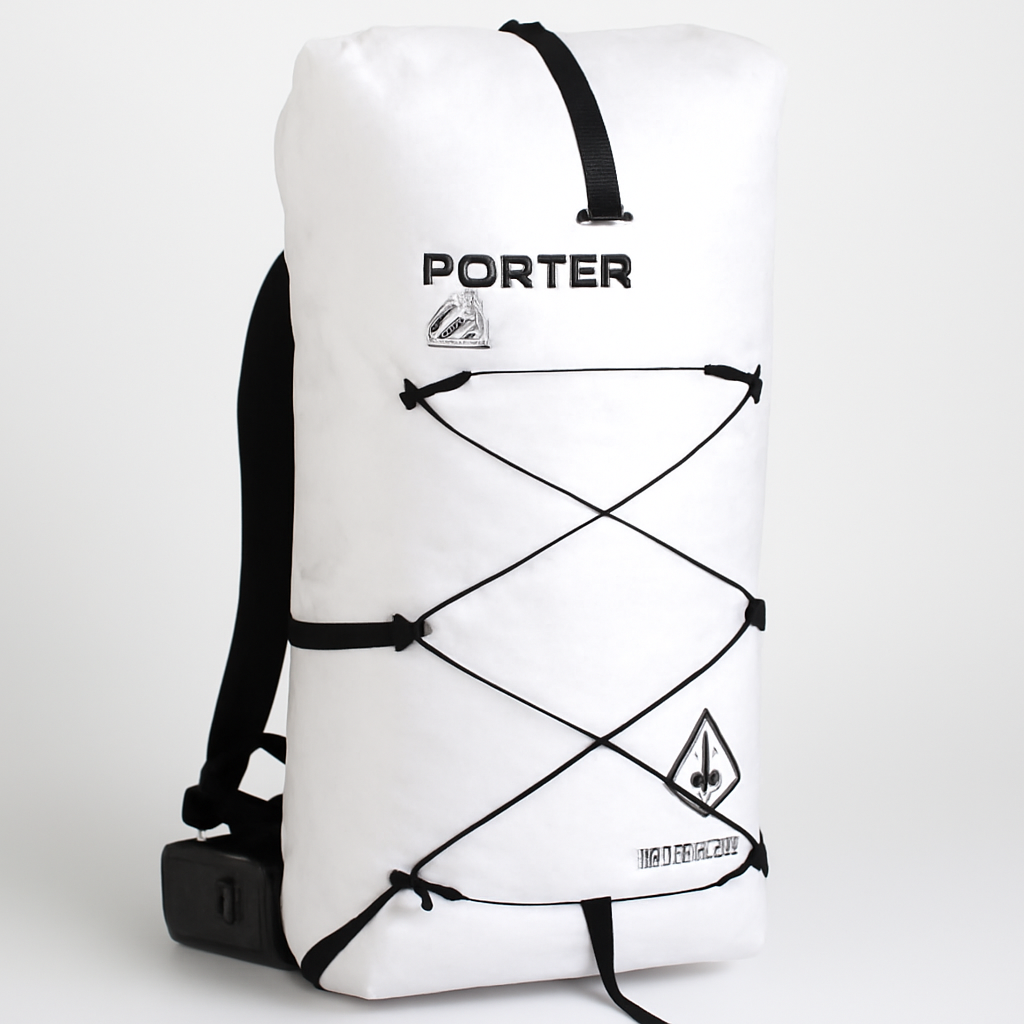
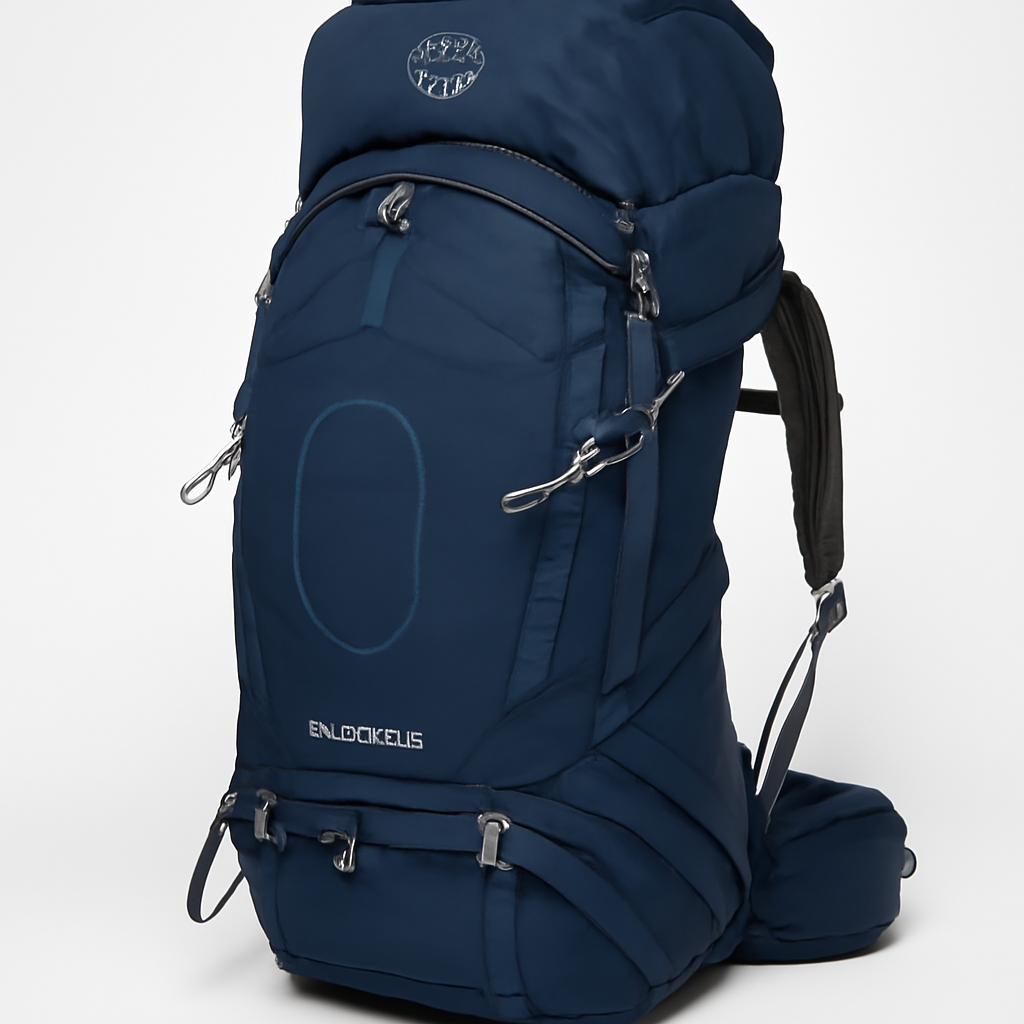
The best hiking backpack for you depends on your trip length and budget. For most hikers in 2026, the Osprey Atmos AG CHECK PRICE] offers the best all-around balance of comfort, durability, and load capacity. If you’re on a tight budget, the [Decathlon Forclaz 50L CHECK PRICE] delivers solid performance without the premium price tag. For ultralight backpacking, the [Hyperlite Mountain Gear Porter 55 [CHECK PRICE] cuts weight without cutting features.
Keep reading for detailed breakdowns of what separates the best packs from the rest, plus a complete buying guide to find your perfect fit.
—
What to Look for in a Hiking Backpack
Before we dive into specific recommendations, let’s talk about what actually matters when choosing a backpack. Too many hikers buy based on color or brand name alone—then spend miserable miles with a pack that doesn’t work for their body or trip style.
Capacity and Trip Duration
Backpack capacity is measured in liters, and it directly correlates to the length of trip it’s designed for:
– Day packs (15-30L): Perfect for hikes under 6 hours
– Weekend packs (30-50L): Ideal for 1-3 day trips
– Multi-day packs (50-70L): For 3-7 day backpacking adventures
– Extended packs (70L+): Expedition and long-distance hiking
The capacity you need isn’t just about the backpack itself—it’s about how much gear you’ll actually carry. A ultralight backpacker might only need a 40L pack for a week, while someone bringing a full shelter, sleeping bag, and camp stove might need 60L+ for a 3-night trip.
Fit and Torso Length
This is where most people go wrong. Backpack fit isn’t one-size-fits-all. Your torso length (measured from the base of your neck to the top of your hips) determines whether a pack will distribute weight correctly or leave you with shoulder and back pain.
Most quality brands offer multiple size options: Small (XS-S), Medium (M), and Large (L-XL). If you’re between sizes, test both before committing. A pack that’s too long will sit too low on your back; too short and the hip belt won’t contact your pelvis properly, where 80% of pack weight should sit.
Weight and Materials
Lighter isn’t always better. An ultralight 2-pound pack feels great on mile 1 but might not have the padding and structure to comfortably carry 40 pounds for 10 miles.
Modern 2026 backpacks use a mix of materials:
– Nylon fabric (400-1000D): Durable, affordable, heavier (typically 5-7 lbs for 60L)
– Lightweight nylon blends (100-200D): Best for weight-conscious hikers (3-5 lbs for 60L)
– Ripstop materials: Resist tears and punctures, add minimal weight
The sweet spot for most hikers is a pack in the 4-6 pound range made from quality mid-weight nylon.
Hip Belt and Shoulder Strap Design
The hip belt is non-negotiable for packs over 25 liters. A poorly padded or poorly positioned hip belt forces your shoulders to carry weight they shouldn’t, which causes fatigue and pain.
Look for:
– Padded hip belts with at least 1-2 inches of foam padding
– Curved shoulder straps that follow your shoulders, not straight lines
– Load-lifter straps that angle forward and upward (these distribute weight toward your hips)
– Sternum strap that keeps shoulder straps from sliding outward
Weather Protection
While no backpack is fully waterproof, quality 2026 models include:
– Rain covers: Included with most mid-range and premium packs
– Water-resistant zippers: Critical for protecting electronics and dry clothes
– Sealed seams or sealing tape: Adds cost but prevents seepage
– Water-resistant coatings: Most modern packs have some level of DWR (durable water repellent) treatment
—
Best Overall Hiking Backpacks for 2026
Osprey Atmos AG [CHECK PRICE]
Best for: Serious hikers who value comfort and don’t mind the premium price
The Osprey Atmos AG remains the gold standard for mid-to-long distance hiking in 2026. The “AG” stands for “Anti-Gravity,” which refers to Osprey’s proprietary suspension system using a flexible frame that moves with your body rather than restricting it.
What makes it special:
– Available in 50L and 65L sizes with XS/S/M/L/XL options
– AG suspension adapts to your exact spine curve
– Exceptional weight distribution—many reviewers say they can carry 40+ pounds and forget they’re wearing it
– Multiple access points (top-load and side zippers) make packing flexible
– Included weather cover and hydration sleeve
– Lifetime warranty reflects Osprey’s confidence in durability
Pros:
– Supremely comfortable for full-day hikes with heavy loads
– Excellent customer service and warranty
– Fits a wide range of body types due to size options
– Proven reliability across thousands of real-world hikers
Cons:
– Premium price point ($300+) puts it out of reach for casual hikers
– Not the lightest option (around 6 lbs for the 65L)
– Overkill for day hiking or ultralight trips
—
Gregory Baltoro [CHECK PRICE]
Best for: Multi-day backpackers who want excellent ventilation
Gregory’s Baltoro competes directly with the Osprey Atmos by prioritizing back ventilation. In hot, humid climates, the mesh back panel keeps you cooler than the fully padded suspension on some competitors.
What makes it special:
– J-Frame suspension with adjustable back panel height
– Available in 65L and 75L sizes
– Lightweight despite excellent support (approximately 5.5 lbs for 65L)
– Exceptional packing efficiency—clever pocket design and compression straps
– Proven track record with long-distance hikers (AT, PCT, CDT)
Pros:
– Superior ventilation in warm weather
– Lighter than comparable Osprey models
– Excellent hip belt comfort
– Great pocket organization
Cons:
– Narrower size range (fewer torso length options than Osprey)
– Back ventilation can be overkill in cold weather
– Premium pricing ($280+)
—
Top Lightweight Backpacks for Long Trails
If you’re hiking the Appalachian Trail, Pacific Crest Trail, or any multi-month trek in 2026, weight savings compound over thousands of miles. The following packs prioritize lightness without becoming fragile ultralight gear.
Hyperlite Mountain Gear Porter 55 [CHECK PRICE]
Best for: Ultralight and fast-packing hikers who want premium quality
Hyperlite Mountain Gear has built a cult following among serious distance hikers by treating backpacks like climbing gear—engineered for minimal weight with zero compromises on reliability. The Porter 55 is their workhorse capacity.
What makes it special:
– Weighs approximately 2.6 lbs (astonishingly light for a 55L pack)
– Uses proprietary Dyneema composite fabrics (stronger than nylon, lighter than aluminum)
– Minimalist design with a single main compartment plus front pocket
– Designed for packing efficiency—rows of attachment points let you customize
– Lifetime warranty despite the ultralight construction
The catch: Minimalist design means fewer structured pockets. You’ll need to organize gear carefully or add external pouches.
Pros:
– Extraordinary weight savings (makes a real difference over 1,000+ miles)
– Bulletproof construction despite light weight
– Premium materials feel like an investment
– Excellent customer service
Cons:
– Premium price point ($250+) for minimal features
– Learning curve for efficient packing
– Smaller size range (limited customization)
– Not ideal for casual hikers or beginners
—
Zpacks Arc Haul [CHECK PRICE]
Best for: Speed-hikers and through-backpackers chasing personal records
Zpacks is another ultralight brand favored by distance hikers, and their Arc Haul 52 is a proven workhorse. Zpacks fabric innovations have influenced the entire industry.
What makes it special:
– Around 2.4 lbs (among the lightest full-featured packs available)
– Proprietary Dyneema and Vx21 fabrics for durability without weight
– Available in custom sizes and colors
– Ventilated back panel prevents sweat buildup despite minimal padding
Pros:
– Exceptional weight-to-capacity ratio
– Proven durability across extreme conditions (Everest base camp, desert crossings)
– Customization options
– Resale value holds strong
Cons:
– Very premium pricing ($250-300)
– Minimal padding—not comfortable for leisurely camping
– Steep learning curve for packing efficiency
– Minimalist design requires buy-in to ultralight philosophy
—
Affordable Hiking Backpacks That Don’t Compromise Quality
You don’t need to spend $300+ to get a reliable backpack that will serve you well for years. These options prove that budget-friendly backpacks can deliver real value in 2026.
Decathlon Forclaz 50L [CHECK PRICE]
Best for: Budget-conscious hikers and beginners
Decathlon is Europe’s largest sporting goods retailer, and they’ve engineered the Forclaz line specifically for backpackers on a budget. The 50L hits a sweet spot for weekend and solo multi-day trips.
What makes it special:
– Exceptional value around [CHECK PRICE] (typically $80-120)
– Adjustable suspension system adapts to torso lengths 16-20 inches
– Padded hip belt and shoulder straps actually feel comfortable
– Decent weight for the price (around 4.5 lbs)
– Quality materials—you won’t feel like you’re getting cheap gear
– Rain cover included
Real talk: This won’t match an Osprey Atmos in comfort or features, but it’s 2-3 times cheaper and 80% as good.
Pros:
– Unbeatable price-to-value ratio
– Solid construction—people actually keep these packs for years
– Adjustable fit works for many body types
– No “brand tax” like premium labels
Cons:
– Limited torso size options (comes in one size with range)
– Not as refined as premium packs
– Back panel less ventilated in hot weather
– Fewer organizational pockets
—
REI Co-op 60 [CHECK PRICE]
Best for: REI members who want a straightforward, reliable pack
If you have an REI membership (or are willing to get one), the Co-op house brand offers surprising quality for the price. The 60L size works well for multi-day trips.
What makes it special:
– [CHECK PRICE] (typically $150-180) reflects member pricing advantage
– Straightforward, proven design—no unnecessary bells and whistles
– Excellent REI return policy and customer service
– Decent weight distribution and hip belt design
– Available in multiple torso sizes
– Made to last (many hikers report 5-10 years of use)
Pros:
– Great return policy removes buying risk
– Solid value for the price
– REI’s in-store fitting expertise and support
– Available immediately at physical stores
Cons:
– Not as refined as name-brand packs
– Limited innovation (it’s functional but not exciting)
– Doesn’t excel in any particular category
—
Hiking Backpacks by Capacity: Day Packs vs. Multi-Day
Not every hike requires a 60-liter behemoth. Let’s break down what you actually need by trip type.
Day Hiking Packs (15-30L)
Who needs this: Anyone hiking less than 6 hours with just snacks, water, and a light layer.
Top 2026 picks:
– Osprey Daylite Plus [CHECK PRICE]: 20L with excellent pockets and organization. Works as both a day pack and attachment for larger backpacks.
– Decathlon NH Hiking 20 [CHECK PRICE]: Budget option around $25-40 that’s legitimately usable.
For day packs, the real value is in pocket organization and water bottle access. You don’t need expensive materials because you’re carrying light loads.
Weekend and Short Trip Packs (30-50L)
Who needs this: Weekend warriors doing 1-3 night trips, or single hikers doing multi-day trips with minimal gear.
Sweet spot in 2026: A 40L pack is the most versatile. You can compress it down for a 2-day trip or expand for a light 4-day trip.
Top picks:
– Osprey Rook 65 (comes in 40L and 55L): Perfect if you want premium quality for weekend trips. [CHECK PRICE]
– Gregory Jade 38 [CHECK PRICE]: Women-specific pack with 38L capacity, excellent ventilation, lighter weight.
Multi-Day Packs (50-75L)
Who needs this: Anyone doing 3-7 day backpacking trips, or heading to base camp for mountaineering.
The packs mentioned in earlier sections (Osprey Atmos, Gregory Baltoro, Hyperlite Porter) all fall here. This is where you see the biggest quality differences between budget and premium options.
—
Comparison Table: Top Picks at a Glance
| Product | Best For | Capacity | Weight | Price Range | Key Feature |
| Osprey Atmos AG | All-around comfort | 50L/65L | ~6 lbs | $320-350 | Anti-Gravity suspension |
| Gregory Baltoro | Hot climates | 65L/75L | ~5.5 lbs | $280-320 | Ventilated back panel |
| Hyperlite Porter 55 | Ultralight hiking | 55L | ~2.6 lbs | $250-280 | Dyneema fabric |
| Zpacks Arc Haul | Speed hiking | 52L | ~2.4 lbs | $260-290 | Custom sizing |
| Decathlon Forclaz 50L | Budget-conscious | 50L | ~4.5 lbs | $80-120 | Value for money |
| REI Co-op 60 | REI members | 60L | ~5.2 lbs | $150-180 | Straightforward design |
| Osprey Daylite Plus | Day hiking | 20L | ~1.1 lbs | $70-90 | Pocket organization |
—
Durability & Material Features to Consider
A backpack is an investment. In 2026, understanding materials helps you choose something that’ll last through multiple multi-week trips instead of just one season.
Fabric Grades Explained
1000D Nylon: Heavy-duty, nearly indestructible, used in the main body of serious expedition packs. Around 6 oz per yard.
500D Nylon: The sweet spot for most hiking backpacks—durable enough for rock gardens and brush but light enough not to be tiresome. Around 4 oz per yard.
200D-300D Nylon: Used by ultralight brands, surprisingly durable if you’re careful. Around 2-3 oz per yard.
Dyneema/Gridstop: Newer material tech from brands like Hyperlite and Zpacks. Stronger than nylon weight-for-weight, more expensive, and lasts indefinitely (won’t degrade like nylon does over years).
Zippers
In 2026, most quality backpacks use YKK zippers (the gold standard) with either:
– Coil zippers: Flexible, less likely to jam, industry standard
– Coated zippers: Water-resistant coating prevents seepage
– Sealed zippers: Best waterproofing but less common on non-expedition packs
Budget packs sometimes use cheaper zipper brands that jam or fail after 50-100 trips. It’s worth checking reviews.
Seams and Sealing
Sealed seams (taped interior seams) prevent water from seeping through stitching. This adds cost but prevents damp gear on rainy trips.
Sealed zippers (covered with waterproof tape) are even more expensive but guarantee no water entry at zipper lines.
Most mid-range and premium packs include at least some sealed seams. Budget packs typically don’t, which is fine if you use an internal dry bag system.
Rain Cover Quality
A flimsy rain cover is worse than none at all (it flaps around and tears). Look for:
– Thick n