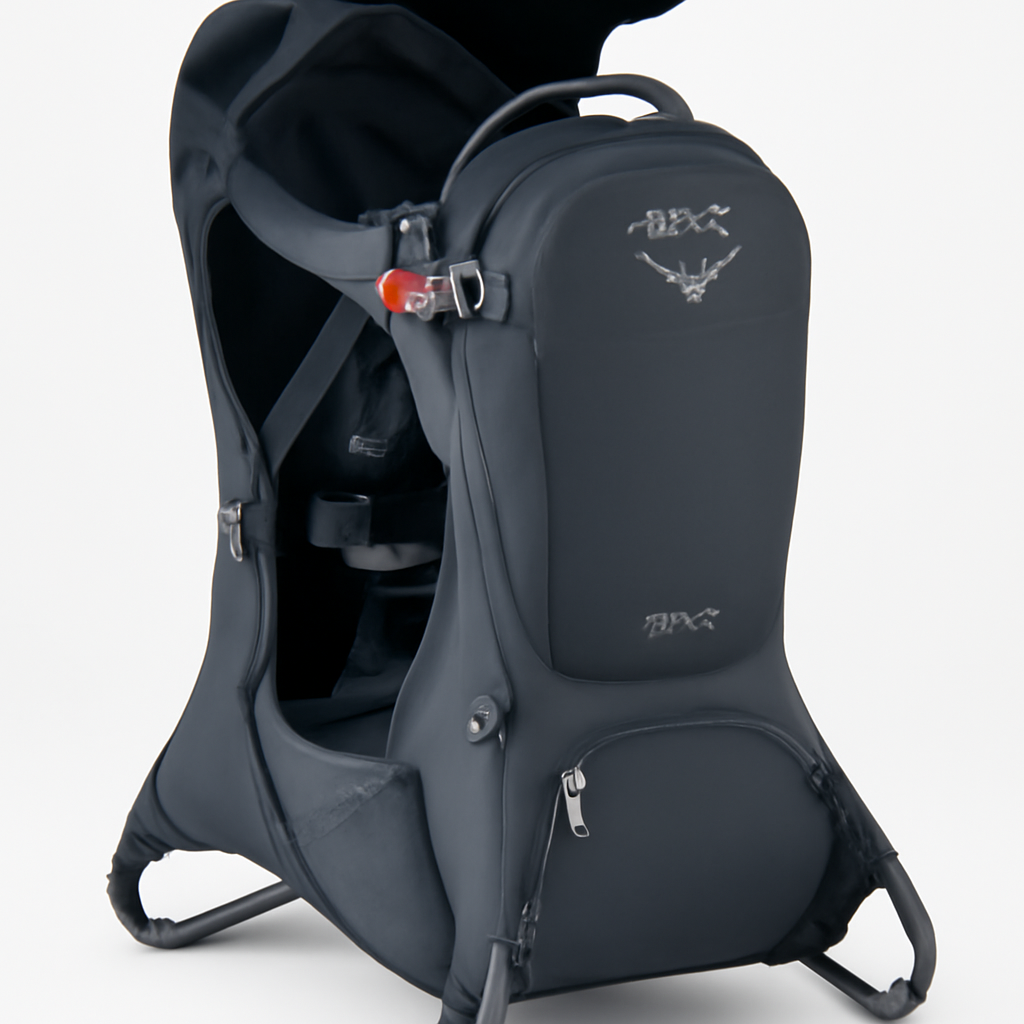
Quick answer: If you’re hauling a toddler on the trail, you want a dedicated child carrier backpack with a structured frame, a 5-point safety harness, and an adjustable cockpit that grows with your kid. For most parents in 2026, the Osprey Poco LT hits the best balance of comfort and weight, while the Deuter Kid Comfort is the gold standard for all-day comfort on longer hikes. If your toddler is old enough to walk and just wants their own little pack, that’s a different product entirely — and we cover both below.
Finding the right pack is confusing because “hiking backpack for toddler” actually describes two very different things: a carrier you wear with your child inside it, and a small daypack your toddler wears themselves. Pick the wrong one and you’ve either bought a toy that can’t carry a real load or a carrier your 18-month-old has already outgrown. This guide sorts it out, walks you through safety and fit, and gives you our top picks for 2026.
—
What to Look for in a Toddler Hiking Backpack
Before you compare brands, get clear on the non-negotiables. A good toddler hiking pack — whether it’s a carrier or a wearable daypack — should deliver on these:
– A secure, properly fitted harness. For carriers, that means a 5-point harness. For wearable packs, look for a chest clip so the straps don’t slide off little shoulders.
– Right-sized load capacity. Carriers are rated by combined child-plus-gear weight; daypacks should be small enough that a loaded pack won’t tip your toddler backward.
– Breathable, padded contact points. Toddlers overheat fast and complain faster. Mesh back panels and padded straps matter.
– Easy adjustability. Kids grow in spurts. A pack with an adjustable torso or harness extends its useful life by a year or more.
– Durable, wipeable materials. Trail mud, snacks, and the occasional diaper situation are all coming. Ripstop nylon and removable, washable liners are your friend.
– Sun and weather protection. A built-in or add-on sunshade is a huge plus for carriers.
Keep this checklist handy as you read — every pick below is scored against it.
—
Carrier Backpacks vs. Wearable Daypacks: Which Does Your Toddler Need?
This is the single most important decision, so let’s be direct.
Choose a carrier backpack if:
– Your child is roughly 6 months to 4 years old (once they can sit up unassisted).
– You want to cover real distance on trails your toddler can’t walk.
– You need to carry your child plus water, snacks, and layers.
A carrier is a framed pack you wear, with a seat and harness that holds your child high on your back. This is what most parents searching for a “hiking backpack for toddler” actually need.
Choose a wearable toddler daypack if:
– Your child is 2+ and wants to walk part or all of the trail.
– You want them carrying their own snack, water bottle, and a small toy.
– The goal is building independence and excitement about hiking — not covering miles.
These are tiny, lightweight packs sized for little torsos. They’re not meant to carry heavy loads, and a toddler wearing one still can’t hike far.
> Bottom line: If you’re doing the walking, buy a carrier. If your toddler is doing the walking, add a small daypack. Many families eventually own both.
—
Key Safety Features Every Parent Should Check
Safety is where you should never compromise to save money. Here’s what to verify before you buy.
For carrier backpacks:
1. 5-point harness. Two shoulder straps, two hip straps, and a crotch strap that all meet at a center buckle. This keeps your child seated even if you lean or stumble.
2. A stable kickstand. The frame should lock open so the carrier stands upright while you load your child — but check that it’s stiff enough not to collapse. Always load on flat ground.
3. High sidewalls and head support. Prevents your toddler from leaning out, and supports the head during inevitable trail naps.
4. Drool pad / grab bar padding. Toddlers chew the bar in front of them, so removable, washable padding matters.
5. A safe stirrup or footrest to prevent leg dangle and improve circulation on longer carries.
For wearable daypacks:
1. A chest/sternum clip so straps stay put.
2. No long dangling cords or drawstrings near the neck.
3. Reflective detailing for visibility.
4. Lightweight when empty — under a pound is ideal so the pack itself isn’t a burden.
Whatever you choose, do a “shake test” with the harness fastened before your first real hike, and never leave a child unattended in a standing carrier.
—
Sizing and Fit: Matching the Pack to Your Child’s Age and Weight
Fit works on two bodies at once — yours and your toddler’s — which is what makes carriers trickier than a regular backpack.
Sizing the child cockpit:
– Most carriers fit children from about 16 lbs up to 40–48.5 lbs, the upper structural limit on many premium models.
– Your toddler must be able to sit upright unassisted before riding in a carrier (typically around 6 months).
– Look for an adjustable seat height so your child’s chin clears the top of the seat — this is what keeps them comfortable and able to see out.
Sizing the carrier to you:
– Match the hip belt to your waist; the load should ride on your hips, not your shoulders.
– Choose a carrier with an adjustable torso length if two caregivers of different heights will share it.
Sizing a wearable daypack:
– Aim for a 2–6 liter capacity for toddlers. Anything bigger encourages overpacking and back strain.
– The pack bottom should sit at or above the waist, never sagging onto the hips/butt.
| Child Age | Approx. Weight | Best Pack Type | What to Prioritize |
| 6–12 months | 16–22 lbs | Carrier | Head/neck support, recline |
| 1–2 years | 22–30 lbs | Carrier | Adjustable seat, sunshade |
| 2–3 years | 28–35 lbs | Carrier + small daypack | Comfort, ventilation |
| 3–4+ years | 35–48 lbs | Carrier (max) or daypack | Load rating, walk-along straps |
—
Comfort, Padding, and Ventilation for Longer Trails
A carrier can be perfectly safe and still ruin your hike if it’s uncomfortable. Once you’re past the one-mile mark, comfort is the feature.
For you, the carrier’s wearer, look for:
– A tensioned mesh back panel that creates airflow between your back and the pack.
– Densely padded, contoured shoulder straps and a load-lifter system to pull weight in toward your body.
– A structured, padded hip belt — this is what makes a 25-lb toddler feel manageable for hours.
For your toddler, prioritize:
– A breathable seat and sidewalls so they don’t get sweaty and cranky.
– Adjustable foot stirrups to keep legs supported.
– A height-adjustable seat so they sit high enough to see the view — bored toddlers are loud toddlers.
Ventilation is the most underrated factor. Both you and your child will sweat, and a hot, swampy carrier is the fastest way to cut a hike short.
—
Our Top Toddler Hiking Backpack Picks for 2026
Here’s how our top picks stack up at a glance, followed by detailed breakdowns.
Top Picks at a Glance
| Product | Best For | Price Range |
| Osprey Poco LT | Lightweight all-rounder | |
| Deuter Kid Comfort | Long-haul comfort | |
| Kelty Journey PerfectFIT | Best value carrier | |
| Thule Sapling | Adjustable fit for two caregivers | |
| REI Co-op Tarn 12 (kids’ daypack) | Toddlers who want to walk |
—
1. Osprey Poco LT — Best Overall Carrier
The Osprey Poco LT is the carrier we’d hand most parents first. It’s notably lighter than full-size carriers, packs down smaller for travel, and still includes the features that matter: a ventilated mesh back panel, an adjustable child seat, a built-in sunshade, and a deluxe drool pad. The harness adjusts quickly between caregivers.
Pros:
– Lightweight and travel-friendly
– Excellent ventilation for parent and child
– Integrated sunshade included
Cons:
– Less under-pack storage than heavier models
– Premium pricing
—
2. Deuter Kid Comfort — Best for Long Trails
If your idea of a hike is more than a stroll, the Deuter Kid Comfort is built for distance. Its Aircomfort mesh back system is among the most breathable available, the height-adjustable child cockpit is generous, and the side-entry makes loading easier. The padded hip belt carries weight beautifully on multi-hour outings.
Pros:
– Outstanding back ventilation
– Roomy, height-adjustable child seat
– Comfortable on long, loaded carries
Cons:
– Heavier than the Osprey Poco LT
– Bulkier to store and travel with
—
3. Kelty Journey PerfectFIT — Best Value
The Kelty Journey PerfectFIT delivers the core carrier experience — 5-point harness, adjustable suspension, sunshade, and ample storage — at a friendlier price. It’s a smart pick for families who hike occasionally and don’t want to pay flagship money.
Pros:
– Strong feature set for the price
– Easy, tool-free torso adjustment
– Generous storage and pockets
Cons:
– Heavier and less refined ventilation than premium picks
—
4. Thule Sapling — Best for Two-Caregiver Fit
The Thule Sapling shines when two adults of different heights share the carrier. Its independent back-panel and hip-belt adjustments make swapping fast, and the dual entry points (top and side) simplify loading a squirmy toddler.
5. REI Co-op Tarn 12 — Best Toddler-Worn Daypack
For the kid who insists on walking, the REI Co-op Tarn 12 (or a similar small kids’ pack) gives them a real, lightweight pack with a chest strap to carry their own snack and water bottle — building hiking enthusiasm without the weight risk.
—
Care, Cleaning, and Trail Tips to Make the Pack Last
A good carrier is an investment that can serve multiple kids if you treat it well.
Cleaning:
– Remove and wash the drool pad and any liners after muddy or snacky outings.
– Spot-clean the fabric with mild soap and warm water — skip harsh detergents that degrade water-repellent coatings.
– Air-dry fully before storing to prevent mildew, especially in the seat and back panel.
Storage:
– Store dry and out of direct sun; UV slowly weakens straps and fabric.
– Keep buckles fastened so straps don’t tangle.
On-trail tips:
– Load and unload on flat, stable ground — never on a slope.
– Dress your toddler in layers; riders don’t generate heat the way walkers do and get cold faster.
– Add a sunshade and bring extra water — kids up high catch more sun and wind.
– Take breaks to let your toddler stretch their legs every 45–60 minutes.
– Pack snacks within reach to extend everyone’s good mood.
—
Our Verdict
For most parents shopping for a “hiking backpack for toddler” in 2026, the Osprey Poco LT is the best all-around choice — light, breathable, and travel-ready without giving up the safety essentials. If you regularly log longer miles and want maximum comfort for both you and your child, step up to the Deuter Kid Comfort. Budget-focused families should look hard at the Kelty Journey PerfectFIT, which covers the fundamentals for less, while two-caregiver households will appreciate the quick-swap fit of the Thule Sapling.
And if your toddler is ready to hit the trail on their own two feet, add a small pack like the REI Co-op Tarn 12 so they can carry their own snack and feel like part of the adventure.
Match the pack to who’s doing the walking, prioritize harness safety and ventilation, and you’ll have gear that turns trail days into your toddler’s favorite days — for years to come.
Prices change frequently — always check current pricing and availability before buying.