Quick Answer
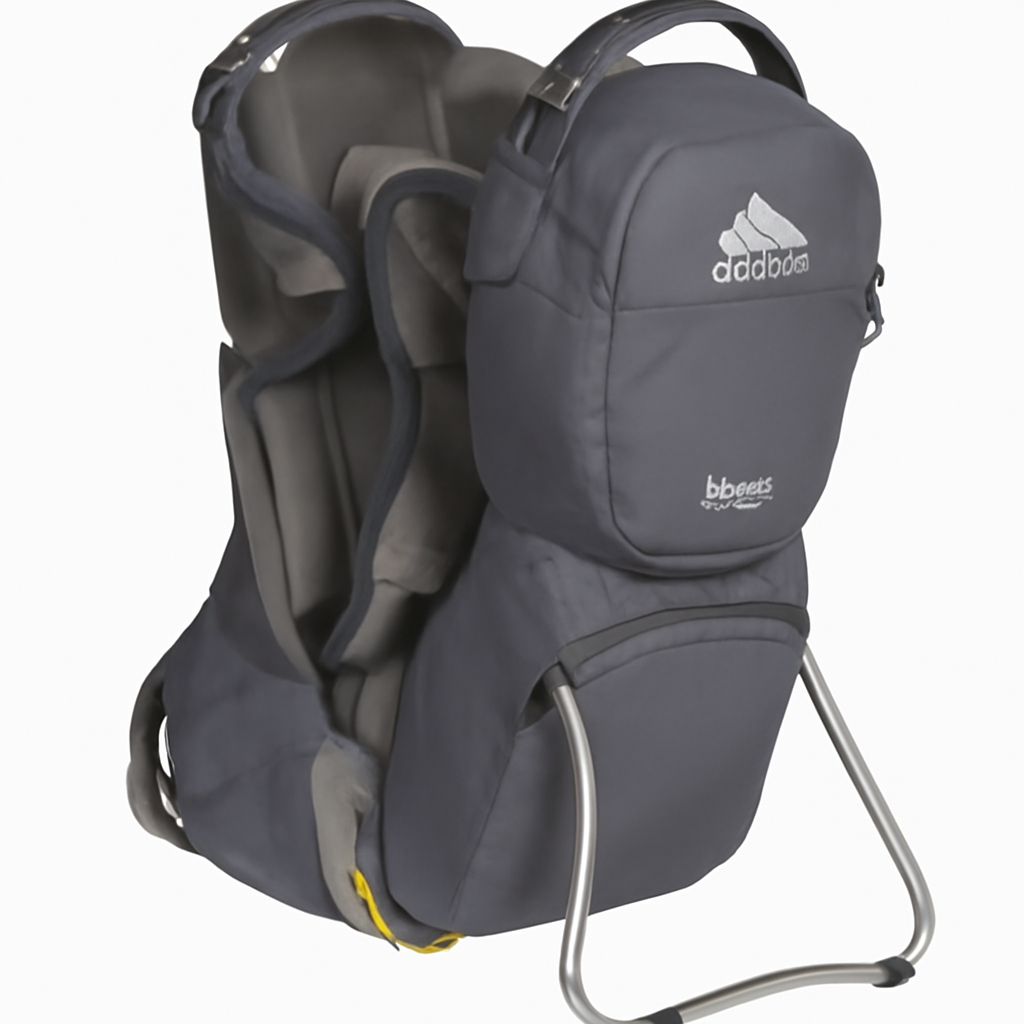
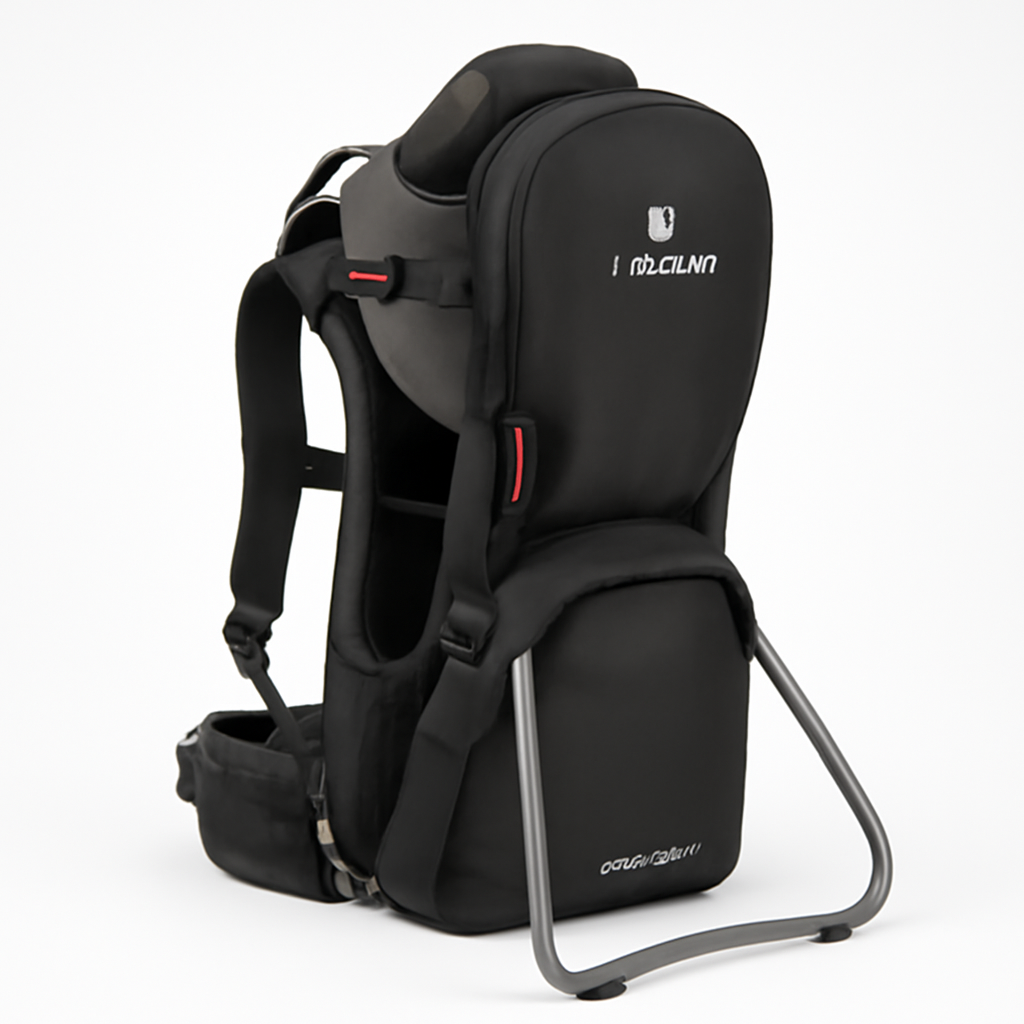
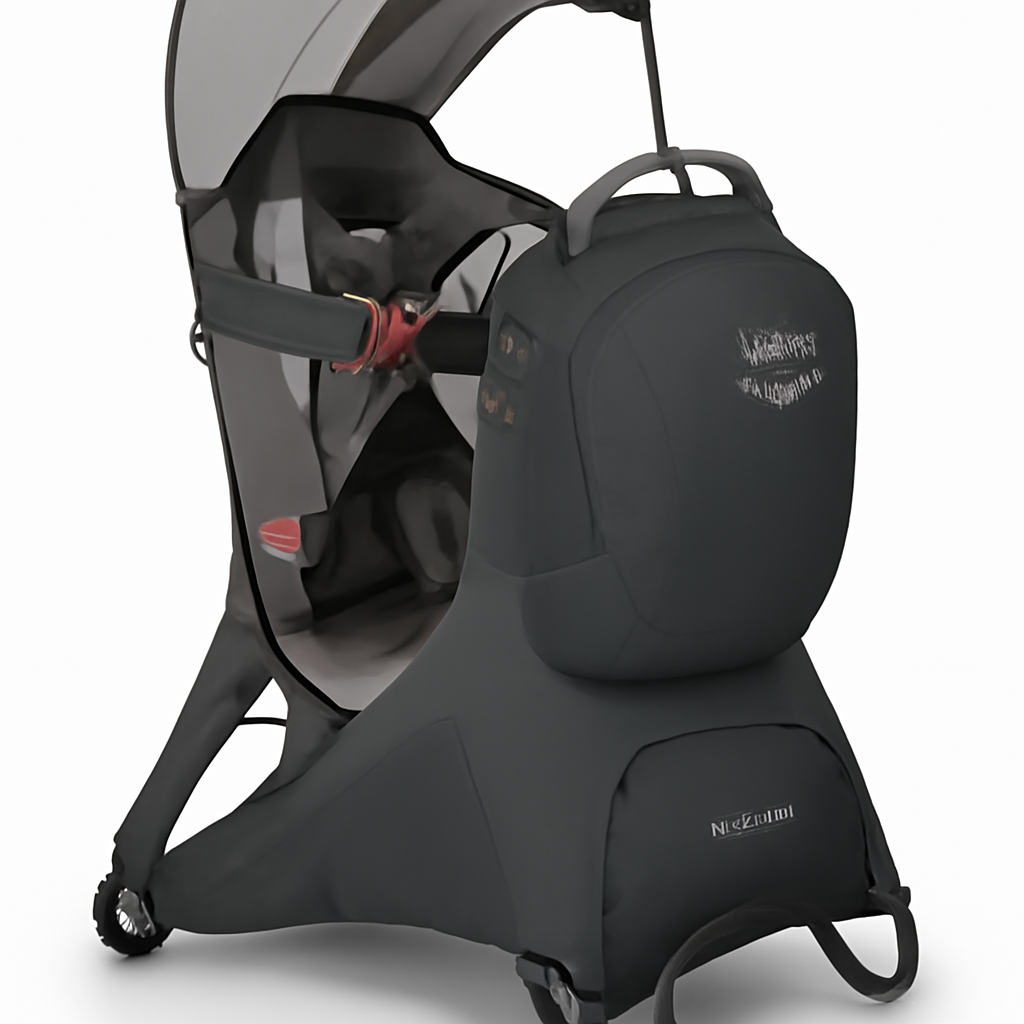
A hiking backpack baby carrier is a specially designed backpack that lets you carry your infant or toddler hands-free while hiking. Unlike standard baby carriers, these distribute weight across your hips and shoulders like a traditional hiking pack. The best options include the Osprey Poco Plus, Deuter Kid Comfort, LittleLife Adventurer S4, and Kelty Journey PerfectFIT. Most range from $150–$400 depending on features, weight limits, and durability. We recommend prioritizing hip belt support, safety harnesses, and weight capacity when choosing your carrier.
—
What Is a Hiking Backpack Baby Carrier?
A hiking backpack baby carrier combines the functionality of a traditional hiking backpack with a secure seat designed to hold your child. It’s not the same as a soft fabric baby wrap or carrier you’d wear on your chest—instead, it’s a full-sized backpack with a reinforced seat compartment where your child sits at shoulder height while you hike.
These carriers typically feature:
– Rigid frame or suspension system that distributes the child’s weight to your hips (not just your shoulders)
– Secure safety harness to keep your child safely seated
– Weather protection like a canopy or sunshade
– Storage pockets for your gear, snacks, and supplies
– Ventilated back panels to prevent sweat buildup during active hiking
The main advantage is hands-free hiking. You’re not cradling your baby or using one arm—your hands are completely free to balance on technical terrain, use trekking poles, or steady yourself on scrambles.
—
Key Features to Look for in a Baby Carrier Backpack
When shopping for a hiking backpack baby carrier in 2026, these features will have the biggest impact on your experience:
Hip Belt Support
The hip belt is crucial. It should be padded, contoured, and sit directly on your hip bones. A quality hip belt transfers 60–80% of your child’s weight to your hips (where your legs are) instead of your shoulders and back.
Why it matters: If all the weight hangs from your shoulders, you’ll get shoulder and neck pain quickly. Look for belts that are at least 2–3 inches wide.
Child Safety Harness
Your carrier needs a multi-point safety harness—typically 3-point or 5-point designs. The straps should be adjustable, padded, and secure without pinching.
What to check:
– Can you easily tighten/loosen with one hand?
– Is there a chest clip to prevent shoulder strap slipping?
– Does the crotch strap feel secure?
Weight Capacity and Size Range
Carriers have different weight limits (typically 20–50 lbs) and age ranges (usually 6 months to 3–5 years). Make sure your current child’s weight falls comfortably in the middle of the range, not the maximum.
Pro tip: Children grow quickly. If you’re buying now with a 6-month-old, you might only get 2–3 years of use before your child outgrows it.
Back Panel Ventilation
Hiking generates heat. If the back panel traps sweat between you and the pack, you’ll be uncomfortable fast. Look for mesh ventilation, curved frames that create air channels, or suspended systems.
Sun and Rain Protection
A sunshade or canopy protects your child’s face from UV rays. Some carriers have extendable hoods; others are fixed. Rain coverage is a bonus—either built-in or compatible with an aftermarket rain cover.
Frame and Suspension
Rigid frames (aluminum or composite) provide better weight distribution but are heavier and bulkier.
Suspended systems (using curved plastic or webbing) are lighter and more flexible but require more careful design to avoid shoulder strain.
Most quality carriers use a hybrid approach for the best of both worlds.
Pockets and Storage
You’ll need hands-free access to snacks, water bottles, a diaper, and a small first-aid kit. Look for:
– Easy-access hip pockets
– A front chest pocket for your phone/keys
– Side compression straps to keep gear secure
– Insulated bottle pockets (optional but nice)
—
Top-Rated Hiking Backpack Baby Carriers for 2026
Osprey Poco Plus
Best for: Serious hikers who want premium features and durability
The Osprey Poco Plus is one of the most popular high-end carriers on the market. It’s designed by Osprey, a brand known for serious outdoor gear.
Key specs:
– Weight capacity: 30 lbs
– Age range: ~6 months to 3 years
– Weight: ~4.5 lbs
– Material: Recycled nylon with aluminum frame
– Notable features: Hood sun protection, removable foam seat cushion, stowable rain cover
Why it stands out: The Poco Plus uses Osprey’s proven vent-panel suspension system, which creates excellent airflow between your back and the pack. The hip belt is chunky and supportive. The included rain cover is a major advantage—most competitors charge extra.
Pros:
– Excellent hip belt support and weight distribution
– Proven durability (backed by Osprey’s lifetime warranty on frame)
– Integrated rain protection included
– Roomy storage pockets for a day hike
– Easy one-handed harness adjustments
Cons:
– Higher price point than many competitors
– Takes up more pack volume when not in use
– Some users find the hood restrictive on wider trails
—
Deuter Kid Comfort
Best for: Lightweight hikers and European trail enthusiasts
The Deuter Kid Comfort has been around for years and is hugely popular in Europe. Deuter focuses on ergonomics and lightweight design.
Key specs:
– Weight capacity: 20 lbs
– Age range: ~6 months to 2.5 years
– Weight: ~3.2 lbs
– Material: Polyamide with composite frame
– Notable features: Extra-ventilated back system, compact fold, integrated hip pouch
Why it stands out: If you want a lighter carrier that doesn’t sacrifice quality, this is your pick. The ventilation is genuinely exceptional—you’ll stay drier than with heavier options. It also folds to a smaller profile for car travel.
Pros:
– Lightest full-featured option in this guide
– Superior back ventilation
– Excellent weight distribution despite lighter frame
– Compact when folded
– Good for lightweight ultralight hikers
Cons:
– Lower weight capacity (fine for younger kids, limiting if you have a larger 3-year-old)
– Smaller overall size means less gear storage
– Hood is more minimal than some competitors
– Frame is less robust for very rugged hiking
—
LittleLife Adventurer S4
Best for: Budget-conscious families and casual day hikers
The LittleLife Adventurer S4 is the budget option, but don’t dismiss it—LittleLife prioritizes safety and functionality.
Key specs:
– Weight capacity: 25 lbs
– Age range: ~6 months to 3 years
– Weight: ~3.8 lbs
– Material: Polyester with plastic frame
– Notable features: Multiple safety harness options, removable cushion, compact design
Why it stands out: For $150–$200, this delivers surprising quality. The safety harness system is genuinely solid, and the weight capacity is respectable. It’s great for families just testing whether they’ll use it regularly.
Pros:
– Most affordable option without cutting safety corners
– Straightforward design (fewer things to break)
– Lightweight and compact
– Decent hip belt for the price
– Good for casual weekend hikes
Cons:
– Plastic frame is less durable on technical terrain
– Less ventilation than premium options
– Smaller storage pockets
– May feel cramped if your child is tall for their age
—
Kelty Journey PerfectFIT
Best for: Families wanting adjustability for both parents and longer use
The Kelty Journey PerfectFIT is known for its innovative fit system that lets multiple people wear the same carrier comfortably.
Key specs:
– Weight capacity: 40 lbs
– Age range: ~6 months to 4 years
– Weight: ~4.2 lbs
– Material: Ballistic nylon with aluminum frame
– Notable features: PerfectFIT adjustment system, extensive pockets, integrated organizer
Why it stands out: Kelty’s PerfectFIT system has torso adjustment that fits a wider range of body types. If you and your partner are different heights or builds, this saves buying two carriers. The weight capacity is the highest in our guide, extending use into older toddlerhood.
Pros:
– Fits multiple body types without adjustment
– Highest weight capacity (longer usable life)
– Extensive gear storage for longer hikes
– Proven brand with good customer support
– Compatible with aftermarket add-ons
Cons:
– Slightly heavier than lighter competitors
– Larger profile takes up more pack space
– Mid-range pricing without some premium features (like integrated rain cover)
—
Comfort and Safety Considerations for Your Child
Age and Developmental Stage
Don’t use any backpack carrier before your child can sit upright reliably without support (around 6 months). Before that, use a front-facing soft carrier for hiking.
Age-specific considerations:
| Age | What to Know |
| 6–12 months | Head control is still developing; choose carriers with high back support and neck protection |
| 12–24 months | Kids are more active and may try to climb out; prioritize 5-point harnesses |
| 2–3+ years | Longer hikes are possible, but fatigue increases; bring entertainment and snacks |
Sun, Bug, and Weather Protection
Your child’s skin is more sensitive than yours. Even with sunscreen:
– Use the hood/canopy to shade their face and neck
– Dress in long sleeves and pants for bug and UV protection
– Bring a lightweight rain jacket for your child (even if you don’t need one)
– Check the forecast—your child can’t regulate temperature like you can
Harness Fit
The safety harness should be snug but not restrictive. You should be able to fit one finger under each strap at the chest and shoulder.
Check these points before every hike:
– Chest clip is centered on the breastbone
– Shoulder straps are snug but not cutting into armpits
– Crotch strap is between legs (never twisted)
– Waist straps don’t pinch the abdomen
Handling Discomfort and Fatigue
Kids get bored and uncomfortable on long hikes. They can’t tell you what’s wrong clearly, so watch for:
– Fussiness or whining (might indicate hunger, tiredness, or discomfort)
– Shifting position constantly (harness might be too tight)
– Grabbing at straps (usually normal exploration, but check fit)
– Silence/lethargy (might mean overheating)
Pro tip: Bring snacks, water, and a small toy. A 2-hour hike is realistic for most toddlers; anything longer requires breaks.
—
Weight Capacity and Durability Comparison
Here’s how our top picks stack up on raw specs:
| Product | Weight Capacity | Material Quality | Frame Type | Expected Lifespan |
| Osprey Poco Plus | 30 lbs | Premium (recycled nylon) | Aluminum + ventilation | 5–7 years |
| Deuter Kid Comfort | 20 lbs | High (polyamide) | Composite frame | 4–6 years |
| LittleLife Adventurer S4 | 25 lbs | Good (polyester) | Plastic frame | 3–5 years |
| Kelty Journey PerfectFIT | 40 lbs | Premium (ballistic nylon) | Aluminum | 6–8 years |
What “Durability” Really Means
Frame degradation: Plastic frames can crack or warp over time, especially in heat. Aluminum frames last longer but are heavier. Composite frames are a good middle ground.
Fabric wear: Nylon breaks down faster under UV exposure. Premium carriers use treated fabrics that resist fading and tearing.
Seam integrity: This is where cheap carriers fail. Look for reinforced stitching, especially on hip belt attachment points.
Hardware: Buckles and adjustment hardware matter. Cheap plastic buckles break; metal or reinforced plastic lasts longer.
Real-world durability: If you hike 20–30 times per year, expect 4–5 years from a budget carrier and 6–8 years from a premium one. Occasional use extends lifespan significantly.
—
How to Choose the Right Fit for Your Body Type
Torso Length Matters Most
The carrier’s torso length should match yours, not your height. Torso length is measured from the top of your shoulder to your hip bone.
How to find yours:
1. Stand straight in front of a mirror
2. Find the base of your neck (where it meets your shoulders)
3. Measure down to the top of your hip bones
4. Compare to carrier specifications
What happens if it’s wrong:
– Too short: Hip belt sits uncomfortably high, shoulder straps dig in
– Too long: Hip belt slides down, all weight goes to shoulders, back panel doesn’t contact properly
Body Type Considerations
Smaller-framed parents (under 5’4″, petite build):
– Deuter Kid Comfort fits smaller torsos better
– Watch for hip belts that are too wide (they can slip off)
Larger-framed parents (over 6’2″, broader shoulders):
– Kelty Journey PerfectFIT accommodates larger builds
– Osprey Poco Plus offers good shoulder support for broader shoulders
– Check that hip belt width matches your frame
Pregnant or post-pregnancy bodies:
– Many carriers can accommodate, but comfort varies
– The hip belt position might feel awkward if your midsection has changed
– Ask about return policies if trying while pregnant
Testing Fit Before Buying
The best way to verify fit is to try it on in-store with your child. If buying online, understand the return policy. Many outdoor retailers accept returns of used gear if packed carefully.
What to test:
1. Put on the empty carrier and tighten everything
2. Have someone place your child in the seat (or use a weighted bag)
3. Walk around for 5–10 minutes
4. Check that hip belt is on your hip bones (not your waist)
5. Verify no shoulder pressure or neck strain
—
Maintenance Tips and Long-Term Value
Regular Cleaning
After every few hikes, especially muddy ones:
– Empty all pockets
– Wipe the frame with a damp cloth
– Brush dried mud off fabric with a soft brush
– Wipe the harness and hip belt
For deep cleaning:
– Check care tags first—some carriers are machine washable at low temp (others are not)
– Hand-wash in lukewarm water with mild detergent if machine washing isn’t recommended
– Never use bleach or hot water
– Air dry completely before storage (mold loves damp nylon)
Storage
– Store in a dry, cool place (not basement or hot garage)
– Keep out of direct sunlight when not in use (UV degrades fabric)
– Don’t compress for years under other gear (creases can crack frame)
– Check seasonally for mold, pest damage, or frame cracks
Repair and Replacement Parts
Premium brands sell replacement parts:
– Osprey Poco Plus: Replacement seat cushion, harness padding, rain cover
– Kelty Journey: Replacement straps, hip belt padding
– Deuter Kid Comfort: Harness sets, back panel replacements
Budget carriers are often not repairable. If a strap breaks or plastic cracks, replacement is usually necessary.
Resale and Second-Hand Market
These carriers hold value well. You can sell a used Osprey or Kelty for 50–70% of the original price on Facebook Marketplace or eBay. Budget options don’t resell as well (typically 30–40% of original price).
This means: Spending more upfront on a premium carrier might actually save money if you plan to use it with multiple children or resell it later.
—
Our Verdict
If you hike regularly and want the best experience: Get the Osprey Poco Plus. The included rain cover, premium materials, and proven support system justify the higher price. It’ll last through multiple kids and resells well.
If you want to save weight and money: Go with the Deuter Kid Comfort. It’s genuinely excellent for lighter hikers, and the ventilation means