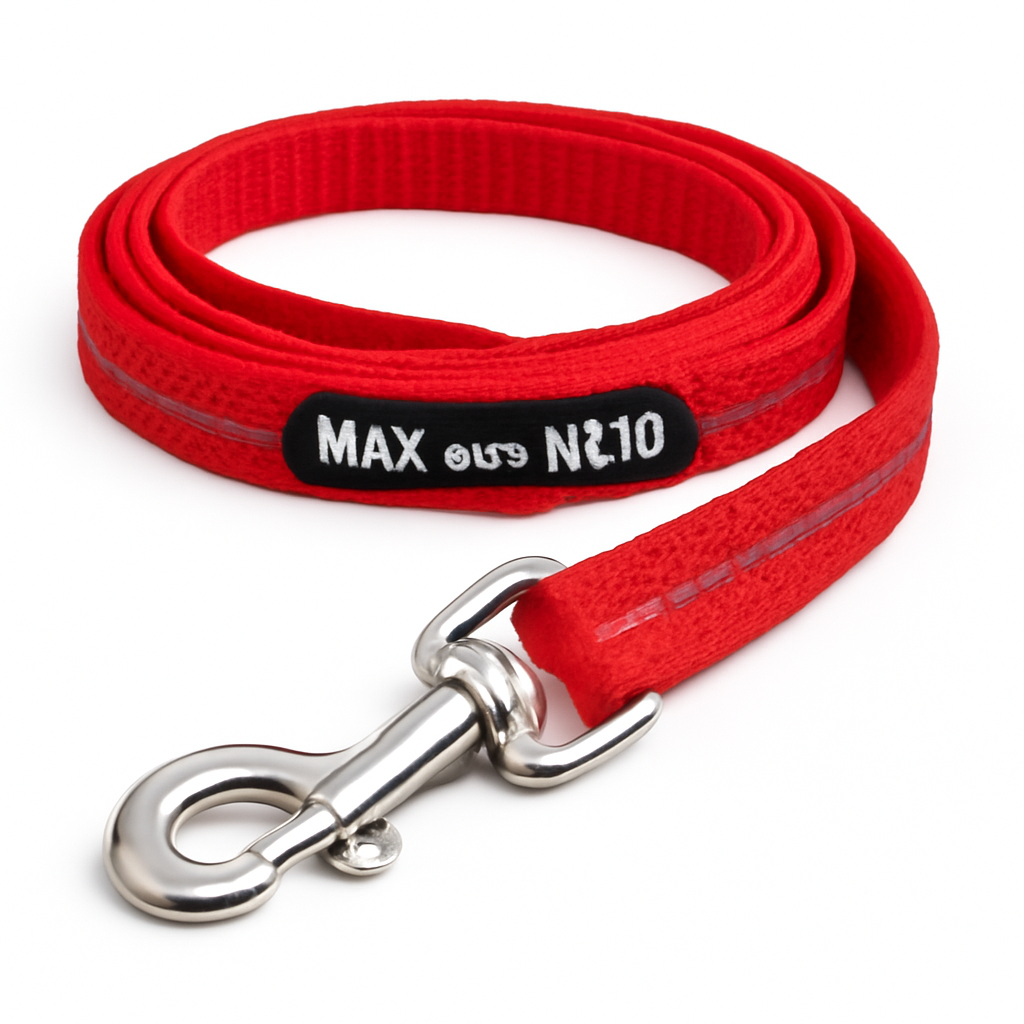
Quick Answer: For most dog owners in 2026, a well-made standard leash offers the best balance of control, safety, and price. Our top overall pick is the Max and Neo Reflective Nylon Dog Leash for its durability and value. If you want hands-free walking or running, go with the Ruffwear Roamer Leash. For strong pullers, a padded traffic-handle leash like the Leashboss Original gives you the extra control you need.
Choosing a leash sounds simple until you’re standing in the pet aisle staring at forty options, wondering which one won’t snap, chafe your hands, or let your dog bolt into traffic. This guide cuts through the noise so you can pick the right leash the first time.
—
Why Your Dog’s Leash Choice Matters in 2026
A leash isn’t just a legal formality or a way to keep your dog nearby. It’s the single most important piece of safety equipment you use every single day. The right leash keeps your dog out of traffic, protects other people and pets, and gives you real control in unpredictable moments — a squirrel, a passing dog, a sudden noise.
The wrong leash does the opposite. A flimsy clip can fail at the worst possible time. A too-thin cord can slice your palm when your dog lunges. A poorly designed retractable can teach your dog that pulling gets rewarded with more freedom.
In 2026, the market has matured. Materials are stronger, hardware is better tested, and hands-free designs have gone mainstream for runners and hikers. That’s good news — but it also means more choices to sort through. The fundamentals still matter most: strong stitching, reliable hardware, the right length, and a material that suits your dog’s size and behavior.
—
Types of Dog Leashes: Standard, Retractable, and Hands-Free
Before comparing specific products, it helps to understand the three main categories. Each solves a different problem.
Standard Leashes
The classic 4-to-6-foot leash is still the gold standard for a reason. It gives you consistent, predictable control and works in almost every situation — neighborhood walks, vet visits, training sessions, and busy sidewalks. Standard leashes come in nylon, leather, rope, and biothane (a coated, waterproof webbing that’s grown popular recently).
Best for: Everyday walks, training, most dogs, most owners.
Retractable Leashes
Retractable leashes use a spring-loaded cord housed in a plastic handle, extending anywhere from 10 to 26 feet. They give dogs more room to roam in open spaces. However, they come with real trade-offs: less control in emergencies, thin cords that can cause injury, and a tendency to reinforce pulling. Many trainers advise against them for reactive or strong dogs.
Best for: Well-trained dogs in open, low-traffic areas like quiet parks or fields.
Hands-Free Leashes
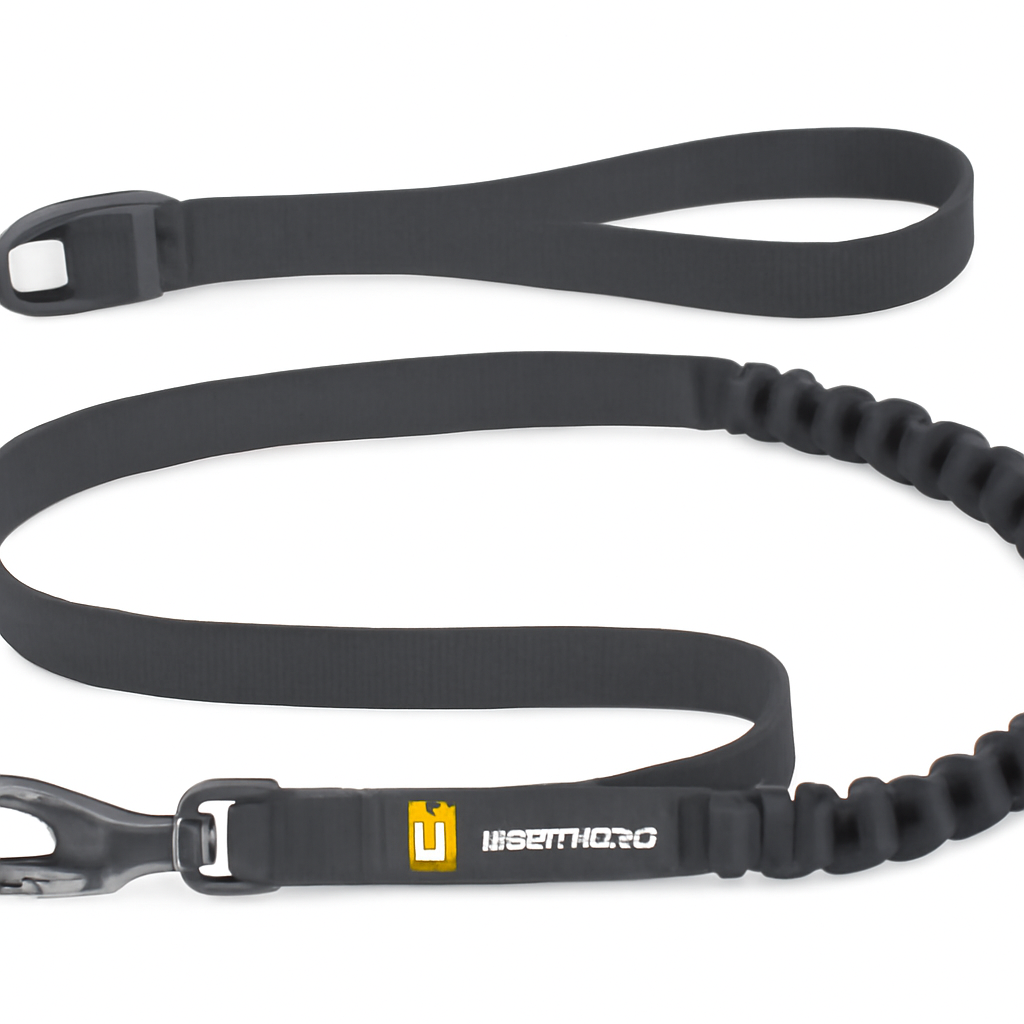
Hands-free leashes wrap around your waist or clip to a belt, freeing your hands for running, hiking, or juggling coffee and keys. Better designs include bungee sections that absorb shock so a sudden lunge doesn’t yank you off balance.
Best for: Runners, hikers, and active owners with dogs that walk reasonably well.
—
Key Features to Look for in a Quality Leash
Not all leashes are built to the same standard. Here’s what separates a leash that lasts years from one that frays in a month.
– Stitching quality: Look for reinforced, box-stitched connection points. This is where most leashes fail first.
– Hardware and clips: The clip is the weakest link on many leashes. Look for solid, heavy-duty bolt snaps or climbing-grade carabiners rather than cheap trigger clips that jam or corrode.
– Material durability: Nylon is affordable and strong. Leather is comfortable and ages well. Biothane is waterproof and easy to clean. Rope leashes offer a good grip and shock absorption.
– Handle comfort: Padded or neoprene-lined handles prevent chafing and rope burn, especially important for larger dogs.
– Reflective stitching: For early-morning or evening walks, reflective threads dramatically improve visibility and safety.
– Traffic handle: A second handle near the clip lets you pull your dog in close quickly in crowded or dangerous situations.
– Appropriate length: 6 feet is the versatile standard. 4 feet gives more control for training or city walking.
—
Best Dog Leashes for Every Need (Our Top Picks)
After weighing durability, comfort, control, and value, here are our recommendations for 2026.
Top Picks at a Glance
| Product | Best For | Price Range |
| Max and Neo Reflective Nylon Dog Leash | Overall value & everyday walks | |
| Ruffwear Roamer Leash | Running & hands-free walking | |
| Leashboss Original | Strong pullers & large dogs | |
| Flexi New Classic Retractable | Open spaces & trained dogs | |
| Mendota Products Slip Leash | Training & quick on/off |
1. Best Overall: Max and Neo Reflective Nylon Dog Leash
This leash keeps showing up on best-of lists because it nails the fundamentals. It’s a heavy-duty nylon leash with reflective stitching, a padded handle, and a solid metal clip — and the company donates a leash to a rescue for every one sold. For most owners, it’s the sweet spot of durability, comfort, and price.
Pros:
– Thick, well-stitched nylon that holds up to daily use
– Reflective threading for low-light visibility
– Padded handle reduces hand fatigue
– Strong, reliable hardware
Cons:
– Not ideal for extreme pullers without training
– Fewer length options than some competitors
2. Best Hands-Free: Ruffwear Roamer Leash
Ruffwear built its reputation on trail-tested gear, and the Roamer is a favorite among runners and hikers. It stretches from about 5.5 to 7 feet thanks to a stretchy, tubular webbing that absorbs shock, and it converts between handheld and waist-worn use with an adjustable waist belt.
Pros:
– Comfortable bungee stretch smooths out sudden pulls
– Converts easily between hands-free and handheld
– Durable, weather-resistant materials built for the outdoors
– Accessory loop for tags or waste bags
Cons:
– Priced higher than basic leashes
– Bungee stretch isn’t ideal for precise heel training
3. Best for Strong Pullers: Leashboss Original
If your dog treats every walk like a sled-pull competition, this leash is designed for you. It features a double-handle design — one at standard length and a traffic handle near the collar — plus heavy padding to protect your hands.
Pros:
– Dual-handle design gives instant close-up control
– Thick padding prevents rope burn
– Built specifically for medium-to-large, strong dogs
Cons:
– Heavier and bulkier than minimalist leashes
– Overkill for small or already well-trained dogs
4. Best Retractable: Flexi New Classic Retractable
If you want a retractable, Flexi is the brand that’s been doing it longest and best. The New Classic offers a comfortable braking button and consistent cord retraction. Use it responsibly — in open, low-traffic areas — and it gives your dog room to explore.
5. Best for Training: Mendota Products Slip Leash
A slip leash combines the leash and collar into one piece, making it fast to slip on and off. Mendota’s rope slip leads are handmade, weather-resistant, and popular with trainers, groomers, and shelters. They’re excellent for training and quick handling, though they should only be used under supervision.
—
Choosing the Right Leash Size and Material
The best leash for a Chihuahua is not the best leash for a Great Dane. Match the leash to your dog.
Width by Dog Size
– Small dogs (under 20 lbs): A thin, lightweight leash (about 3/8″ to 1/2″ wide) is comfortable and won’t weigh your dog down.
– Medium dogs (20–60 lbs): A 5/8″ to 3/4″ width offers a solid balance of strength and comfort.
– Large dogs (60+ lbs): Go with a 1″ wide leash and heavy-duty hardware for maximum strength.
Material Comparison
| Material | Strengths | Weaknesses |
| Nylon | Affordable, strong, many colors | Can cause rope burn if thin |
| Leather | Comfortable, durable, ages well | Higher price, needs occasional care |
| Biothane | Waterproof, easy to clean, odor-resistant | Fewer style options |
| Rope | Strong grip, natural shock absorption | Bulkier, can retain dirt |
Length Guidance
– 4 feet: Maximum control for city walks and training.
– 6 feet: The versatile all-purpose standard.
– 10+ feet (long lines): For recall training and supervised exploration in open areas.
—
Leash Training Tips for a Better Walk
Even the best leash won’t fix pulling on its own. A few habits make a huge difference.
– Reward the loose leash. When the leash is slack and your dog is at your side, mark it and reward. Dogs repeat what gets rewarded.
– Stop when they pull. If your dog pulls, stop walking. Only move forward again when the leash loosens. This teaches that pulling doesn’t get them where they want to go.
– Change direction. Randomly turning keeps your dog paying attention to you rather than charging ahead.
– Use the right gear together. Pairing a good leash with a well-fitted harness (front-clip harnesses help discourage pulling) makes training easier.
– Keep sessions short and positive. A few focused minutes beats a long, frustrating slog. End on a win.
– Be consistent. Everyone who walks the dog should follow the same rules, or the dog gets mixed messages.
—
Frequently Asked Questions About Dog Leashes
What length leash is best for everyday walks?
A 6-foot leash is the sweet spot for most owners. It gives your dog room to sniff and move while keeping them close enough for control. For busy city sidewalks or training, a 4-foot leash offers tighter control.
Are retractable leashes bad for dogs?
They’re not inherently bad, but they require responsible use. In crowded or high-traffic areas, they offer little control and can reinforce pulling. They’re best reserved for open, low-traffic spaces and dogs with solid recall.
What’s the strongest type of dog leash?
Wide nylon and quality leather leashes with reinforced box stitching and heavy-duty hardware are among the strongest. For very strong dogs, look for a 1″-wide leash with a solid bolt snap or climbing-grade carabiner clip.
Should I use a leash or a harness?
They serve different purposes and often work best together. The leash gives you the connection and control; a harness distributes pressure away from your dog’s neck. A front-clip harness paired with a good leash is a great combo for dogs that pull.
How often should I replace my dog’s leash?
Inspect your leash regularly for fraying webbing, worn stitching, and corroded or loose hardware. A quality leash can last for years, but replace it the moment you spot damage at any stress point — especially near the clip.
Is a slip leash safe?
Slip leashes are handy for training and quick handling, but because they tighten around the neck, they should only be used under active supervision and never left on an unattended dog.
—
Our Verdict
For the majority of dog owners in 2026, the Max and Neo Reflective Nylon Dog Leash is the smartest all-around choice — it’s tough, comfortable, visible in low light, and priced fairly. If your walks involve running or hiking, the Ruffwear Roamer Leash is worth the upgrade for its shock-absorbing, hands-free design. And if you’re wrestling with a determined puller, the dual-handle Leashboss Original gives you the control to make walks enjoyable again.
Whatever you choose, prioritize strong stitching, dependable hardware, and the right size for your dog. Buy quality once, and you’ll walk with confidence for years to come.
Prices and availability change frequently — always check the current price before purchasing.