If your dog rides shotgun—or worse, roams freely across the back seat—you’re gambling with their safety every time you hit the road. An unrestrained 50-pound dog in a 30 mph crash becomes a 1,500-pound projectile. That’s not scare-tactic math; it’s basic physics. And it’s exactly why a proper car dog harness isn’t a “nice to have,” it’s the single most important piece of gear you can buy for a dog who travels.
The problem? Most harnesses sold as “car safety” harnesses have never been crash-tested at all. This guide cuts through the marketing so you can buy something that actually protects your dog.
Quick Answer
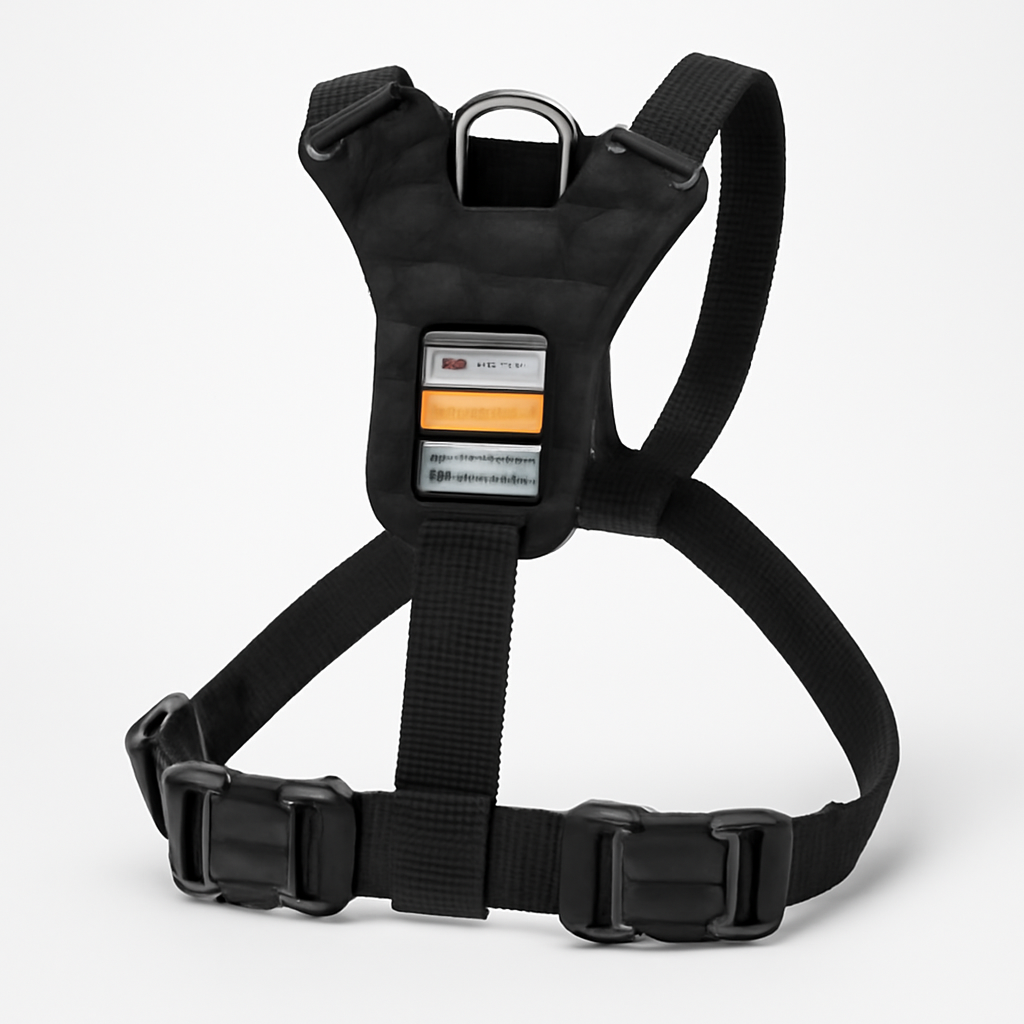
For most dogs, the [Sleepypod Clickit Sport](#) is the best crash-tested car harness in 2026—it’s one of the few independently tested to keep a dog secured during a collision. If you want a more affordable, do-everything option, the Kurgo Tru-Fit Smart Harness is the value pick. Big, strong dogs are best served by the Ruffwear Load Up.
Below, we break down what “crash-tested” actually means, the features that matter, and how to size and install a harness correctly.
Top Picks at a Glance
| Product | Best For | Price Range |
| Sleepypod Clickit Sport | Overall crash protection | |
| Kurgo Tru-Fit Smart Harness | Value / everyday use | |
| Ruffwear Load Up | Large & strong dogs | |
| ZuGoPet Rocketeer Pet Carrier | Small dogs & toy breeds | |
| Mighty Paw Vehicle Safety Harness | Budget-conscious buyers |
Why a Regular Harness Isn’t Enough for Car Travel
A walking harness and a car harness do two completely different jobs. A walking harness distributes leash pressure so your dog doesn’t choke while pulling. That’s it. It’s designed for steady, low forces coming from one direction.
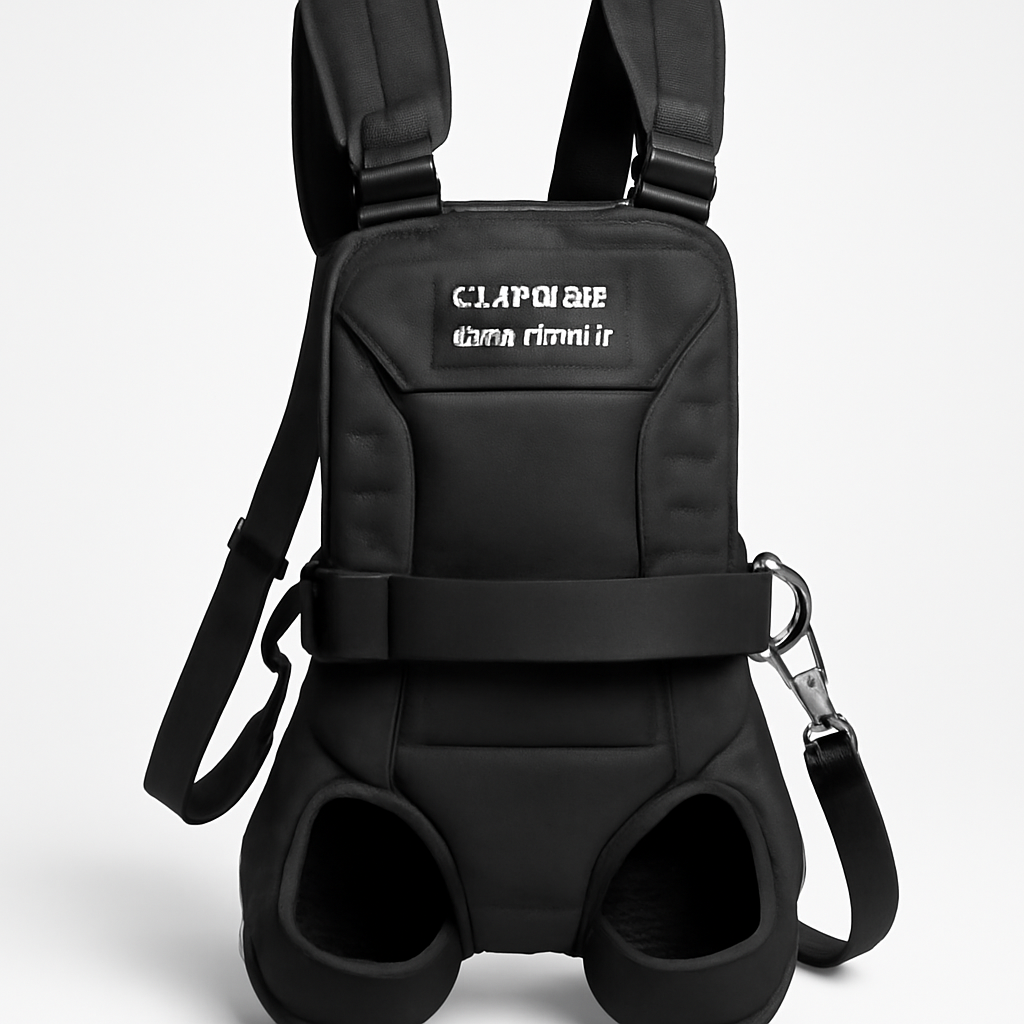
A car harness has to do something far harder: absorb and distribute the violent, instantaneous forces of a crash—forces that can be dozens of times your dog’s body weight—without snapping, without letting your dog slip out, and ideally without transferring that shock into your dog’s neck or spine.
Here’s what goes wrong when people clip a standard walking harness to a seat belt:
– Thin straps concentrate force. In a crash, a narrow strap acts like a blade across your dog’s chest or abdomen.
– Plastic buckles fail. Most everyday harnesses use lightweight clips never rated for crash loads.
– Poor geometry causes ejection. A harness that isn’t built to hold a dog back will let them submarine forward, slip out, or twist.
– Long tethers create momentum. Clip a dog in on a two-foot leash and they’ll still hit the seat back at full speed.
A true car harness is engineered around wide, load-bearing chest padding, reinforced stitching, steel or heavy-duty hardware, and a short, direct connection to the vehicle’s seat belt system. It’s a fundamentally different product.
Crash-Tested vs. Restraint-Only: What the Ratings Actually Mean
This is where the marketing gets slippery. Almost every car harness on the market calls itself “crash-tested.” Very few can back it up.
Who actually tests these?
The organization that matters most in the U.S. is the Center for Pet Safety (CPS), an independent nonprofit that runs standardized crash tests using weighted dog test dummies—similar to the way child car seats are evaluated. CPS certification is voluntary and expensive to earn, which is exactly why so few products carry it.
When a manufacturer says “crash-tested,” ask two questions:
1. Tested by whom? In-house testing with no published methodology means very little. Independent testing (like CPS) means a lot.
2. Tested to what standard? A harness “tested” at 5 mph with a small dog dummy is not comparable to one certified with a 75-pound dummy at highway-relevant speeds.
Crash-tested vs. restraint-only
– Crash-tested (certified): Independently verified to keep a dog secured and reduce injury in a collision. This is the gold standard. The Sleepypod Clickit series and the Ruffwear Load Up are among the products historically recognized in this category.
– Restraint-only: Keeps your dog from climbing into your lap, jumping out an open door, or distracting you while driving. Useful for behavior and everyday convenience—but not proven to protect in an actual crash.
Both categories have their place. A restraint-only harness is far better than nothing. But if crash protection is your goal, don’t pay a premium for a product that only offers restraint. Buy accordingly.
Key Features to Look For in a Car Dog Harness
Once you’ve decided on your protection level, these are the features that separate a genuinely safe harness from a glorified seat-belt leash.
Wide, padded chest plate
The broad front panel is what absorbs crash force and spreads it across your dog’s sternum and shoulders—the strongest part of their body—rather than the throat or belly. The wider and more structured it is, the better.
Load-rated hardware
Look for steel or aluminum buckles and welded rings, not thin plastic clips. Hardware is almost always the first thing to fail under crash loads.
Short, direct seat-belt connection
The best systems thread the vehicle’s seat belt directly through the harness or use a very short (a few inches) rigid tether. The shorter the connection, the less your dog accelerates before the restraint engages.
Reinforced, bar-tacked stitching
Every load-bearing seam should be double- or triple-stitched. Cheap harnesses fail at the seams.
Proper fit range and adjustability
Multiple adjustment points (neck plus chest plus girth) let you dial in a snug, no-slip fit. A harness that only adjusts in one dimension will never fit most dogs correctly.
Everyday usability
A harness you can also walk your dog in—with a top-mounted leash ring—means it stays on the dog, which means it actually gets used. Convenience drives compliance.
How to Size and Fit a Harness to Your Dog
A crash-tested harness that fits poorly offers crash-tested-level protection to nobody. Sizing is the step people skip, and it’s the step that matters most.
Measure before you buy
You’ll need three measurements:
1. Chest/girth: The widest part of the ribcage, just behind the front legs. This is the most important number.
2. Neck: Around the base of the neck where a collar sits.
3. Weight: Many car harnesses are rated by weight class because crash forces scale with mass—use the manufacturer’s weight rating, not just the girth chart.
The fit test
– Two-finger rule: You should be able to slide two fingers flat under any strap—snug, not tight.
– No slipping: Pull firmly forward and up. If the harness slides toward the neck or the legs pull through, it’s too loose or the wrong shape.
– Chest plate centered: The padded front panel should sit squarely on the sternum, not ride up the throat.
– Full range of motion: Your dog should be able to sit, stand, and lie down comfortably—but not turn all the way around when tethered.
When in doubt, size for the girth
If your dog falls between sizes, prioritize the chest/girth measurement and confirm the harness’s weight rating still covers your dog. A harness that’s slightly roomy in the neck can be adjusted; one that’s too small in the chest can’t.
Best Dog Harnesses for Car Safety in 2026
1. Sleepypod Clickit Sport — Best Overall
The Clickit Sport is the harness safety-conscious owners keep coming back to, and for good reason: it’s one of the few products designed from the ground up around independent crash testing. Its three-point design and wide, structured vest disperse crash energy across the chest and shoulders, while the seat belt threads through a sleeve that keeps the connection short and controlled.
Pros
– Engineered around independent crash-test standards
– Broad, padded vest spreads force effectively
– Doubles as a sturdy walking harness
– Available in sizes for a wide range of dogs
Cons
– Premium price
– More time-consuming to put on than a basic strap harness
– Bulkier than restraint-only options
Best for: Owners who want the strongest available crash protection and travel frequently.
2. Kurgo Tru-Fit Smart Harness — Best Value
The Kurgo Tru-Fit is the sweet spot between price and protection. It pairs a padded chest plate and steel nesting buckles with an included seat-belt tether, and its five adjustment points make it one of the easier harnesses to fit correctly. It’s a genuine everyday walking harness too, so it earns its place on your dog full-time.
Pros
– Steel hardware at a mid-range price
– Five points of adjustment for a precise fit
– Includes a seat-belt tether in the box
– Comfortable enough for daily walks
Cons
– Restraint-focused rather than certified crash protection
– Padding is lighter than premium picks
– Tether length should be shortened for best safety
Best for: Owners who want solid, affordable protection in a do-it-all harness.
3. Ruffwear Load Up — Best for Large & Strong Dogs
Built with a reinforced, wide chest panel and strength-rated hardware, the Ruffwear Load Up is the pick for big, powerful dogs where flimsy gear simply won’t cut it. It uses a short, secure connection to the seat belt and is made to the kind of durability standards Ruffwear is known for.
Pros
– Heavy-duty construction for large breeds
– Wide, structured chest panel
– Strength-rated buckles and reinforced stitching
Cons
– Primarily a car harness—less ideal for long walks
– Higher price point
– Limited padding compared to full-vest designs
Best for: Large and strong dogs that overpower lighter harnesses.
4. ZuGoPet Rocketeer Pet Carrier — Best for Small Dogs
Toy and small breeds have different needs, and a full carrier-style restraint like the ZuGoPet Rocketeer cradles a small dog in a structured pod that anchors to the seat belt—arguably safer for tiny dogs than a harness alone. It’s a niche pick, but for a Chihuahua or Yorkie, it’s excellent.
5. Mighty Paw Vehicle Safety Harness — Best Budget Restraint
If you need a reliable restraint-only option that keeps your dog secured and out of your lap without breaking the bank, the Mighty Paw Vehicle Safety Harness delivers padded comfort and a simple seat-belt tether. Just be clear-eyed that this is a convenience-and-behavior product, not a certified crash harness.
Installation: Seat Belts, Tethers, and Anchor Points
Even the best harness fails if it’s installed wrong. Here’s how to set it up correctly.
The three connection methods
1. Seat-belt threading (best): The vehicle’s seat belt passes through a dedicated sleeve or loop on the harness. This uses the car’s own restraint system and keeps the dog close to the seat. This is the method used by top crash-tested designs.
2. Short tether to seat-belt buckle: A rigid or webbing tether clips into the seat-belt receiver via a purpose-made attachment. Keep it as short as possible.
3. Cargo/LATCH anchor points: Some SUVs have cargo tie-downs or LATCH anchors you can attach to. Verify the anchor is load-rated, not just a light cargo hook.
Setup best practices
– Back seat, always. Just like children, dogs are safest in the back, away from airbags that can injure them in a deployment.
– Keep the tether short. The goal is to limit forward travel. A long tether defeats the entire purpose.
– Center of the seat when possible. This reduces the chance of side-impact contact with a door.
– Never clip to a collar. All force must go through the harness’s chest structure—never the neck.
– Do a tug test. Before every trip, pull firmly on the connection to confirm hardware is seated and buckles are locked.
Frequently Asked Questions About Car Dog Harnesses
Are dog car harnesses legally required?
It varies by region. Some jurisdictions have distracted-driving or animal-restraint laws that can apply to unrestrained pets, while others have none. Regardless of the law where you live, restraint is a safety best practice.
Can I use my dog’s regular walking harness in the car?
Not safely. Walking harnesses aren’t built to handle crash forces and can fail or injure your dog. Use a harness specifically designed—and ideally crash-tested—for vehicle use.
Do crash-tested harnesses guarantee my dog won’t be injured?
No restraint can guarantee zero injury, for dogs or people. But a properly fitted, crash-tested harness dramatically reduces the risk of severe injury and prevents your dog from becoming a projectile that endangers everyone in the vehicle.
Where should my dog ride?
The back seat, secured and away from front airbags. Front-seat airbags are calibrated for adult humans and can seriously hurt a dog.
How tight should the harness be?
Snug enough that you can just fit two flat fingers under any strap, with the chest plate centered on the sternum and no slipping when you tug forward.
How often should I replace a car harness?
Replace immediately after any crash—even a minor one—since the materials may be compromised. Otherwise, inspect regularly for frayed webbing, cracked hardware, or loose stitching and replace at the first sign of wear.
Our Verdict
If you want the best crash protection money can buy in 2026, the Sleepypod Clickit Sport is the harness to get—it’s built and independently tested to actually protect your dog in a collision, and it doubles as a quality walking harness so it stays on your dog where it belongs.
Want strong protection without the premium price? The Kurgo Tru-Fit Smart Harness is the smart value play, with steel hardware and easy, precise fitting. For big, powerful dogs, step up to the Ruffwear Load Up; for toy breeds, the ZuGoPet Rocketeer cradles them safely; and if you just need an affordable everyday restraint, the Mighty Paw Vehicle Safety Harness gets the job done.
Whatever you choose, remember the two rules that matter most: buy for crash protection if that’s your goal—not marketing claims—and fit it correctly every single time. The safest harness in the world only works when it’s snug, short-tethered, and buckled in the back seat before you pull out of the driveway.