Quick Answer: If your dog gets loose stools, gas, or vomiting from regular dental chews, the problem is usually the ingredients — not dental chews in general. The best options for sensitive stomachs use single-source proteins or limited ingredients, skip artificial additives, and are highly digestible. Our top overall pick for 2026 is Virbac C.E.T. VeggieDent Fr3sh Chews for their gentle, plant-based formula and vet-backed reputation. For grain-free eaters, Greenies Grain-Free Dental Treats are the easiest crowd-pleaser.
—
Why Sensitive Stomachs Need Special Dental Chews
Roughly 8 out of 10 dogs show signs of dental disease by age three, so dental chews aren’t a luxury — they’re one of the easiest ways to slow plaque and tartar between brushings. But here’s the catch: many popular chews are dense, heavily processed, and packed with additives that a sensitive gut simply can’t handle.
If your dog reliably gets the runs, gassy, or throws up after a chew, a few things are usually going on:
– Rich or novel proteins the gut isn’t used to
– Too much fat, which is a common trigger for loose stools and, in worse cases, pancreatitis flare-ups
– Artificial colors, flavors, and preservatives that irritate the digestive tract
– Chews that get gulped instead of chewed, landing in the stomach as big, hard-to-digest chunks
A dog with a sensitive stomach needs a chew that is gentle, highly digestible, and predictable. The goal is clean teeth without the 2 a.m. cleanup. The good news: the 2026 market has more limited-ingredient and vet-formulated options than ever.
What to Look for in a Gentle Dental Chew
Not all “sensitive” labels are equal. Here’s what actually matters when you’re standing in the aisle or scrolling the product page.
Limited or Single-Ingredient Formulas
Fewer ingredients means fewer things that can upset your dog. Limited-ingredient diets (LID) are the gold standard for sensitive guts because they make it easy to pinpoint — and avoid — triggers.
Highly Digestible Base
Look for chews built around easy-to-digest bases like rice, potato, or plant proteins rather than dense rawhide. Rawhide is notoriously hard to break down and is a frequent cause of both stomach upset and choking.
Appropriate Size and Texture
A chew your dog has to actually work on does two things: it scrapes more plaque, and it slows down gulpers so the pieces reaching the stomach are smaller. Always size up or down to your dog’s weight per the label.
Vet Endorsement (VOHC Seal)
The Veterinary Oral Health Council (VOHC) Seal is the closest thing to an unbiased quality mark in dental chews. It means the product was tested and shown to reduce plaque or tartar. Several sensitive-friendly options carry it.
Low Fat and No Junk Additives
Aim for lower-fat formulas and steer clear of artificial dyes, added sugars, and vague “flavorings.” Your dog’s gut will thank you.
Ingredients to Avoid If Your Dog Has a Sensitive Gut
When you flip the bag over, these are the red flags for a sensitive stomach:
– Rawhide — hard to digest, choking and blockage risk
– Artificial colors (Red 40, Yellow 5, Blue 2) — no nutritional value, common irritants
– Artificial preservatives (BHA, BHT, ethoxyquin) — better avoided in sensitive dogs
– Added sugars, corn syrup, or molasses — feed bad bacteria and can loosen stools
– High-fat animal by-products — a frequent trigger for GI upset and pancreatitis
– Vague “meat meal” or “animal digest” — you can’t avoid a trigger you can’t identify
– Common allergens like wheat, soy, and corn — if your dog is grain-sensitive, these are prime suspects
The rule of thumb: if you can’t pronounce it or identify its source, it doesn’t belong in a sensitive dog’s chew.
Our Top 7 Dog Dental Chews for Sensitive Stomachs in 2026
We prioritized limited ingredients, digestibility, clean labels, and — where possible — the VOHC seal. Prices shift constantly, so check current pricing before you buy.
Top Picks at a Glance
| Product | Best For | Price Range |
| Virbac C.E.T. VeggieDent Fr3sh | Overall / plant-based sensitive guts | |
| Greenies Grain-Free Dental Treats | Grain-sensitive dogs | |
| Whimzees by Wellness Natural | Single-ingredient / vegetarian | |
| Blue Buffalo Dental Bones | Natural, no artificial additives | |
| Zesty Paws Dental Sticks | Added functional ingredients | |
| Pedigree Dentastix (Original) | Budget / everyday use | |
| Nylabone Advanced Oral Care Chews | Long-lasting gentle chewing |
—
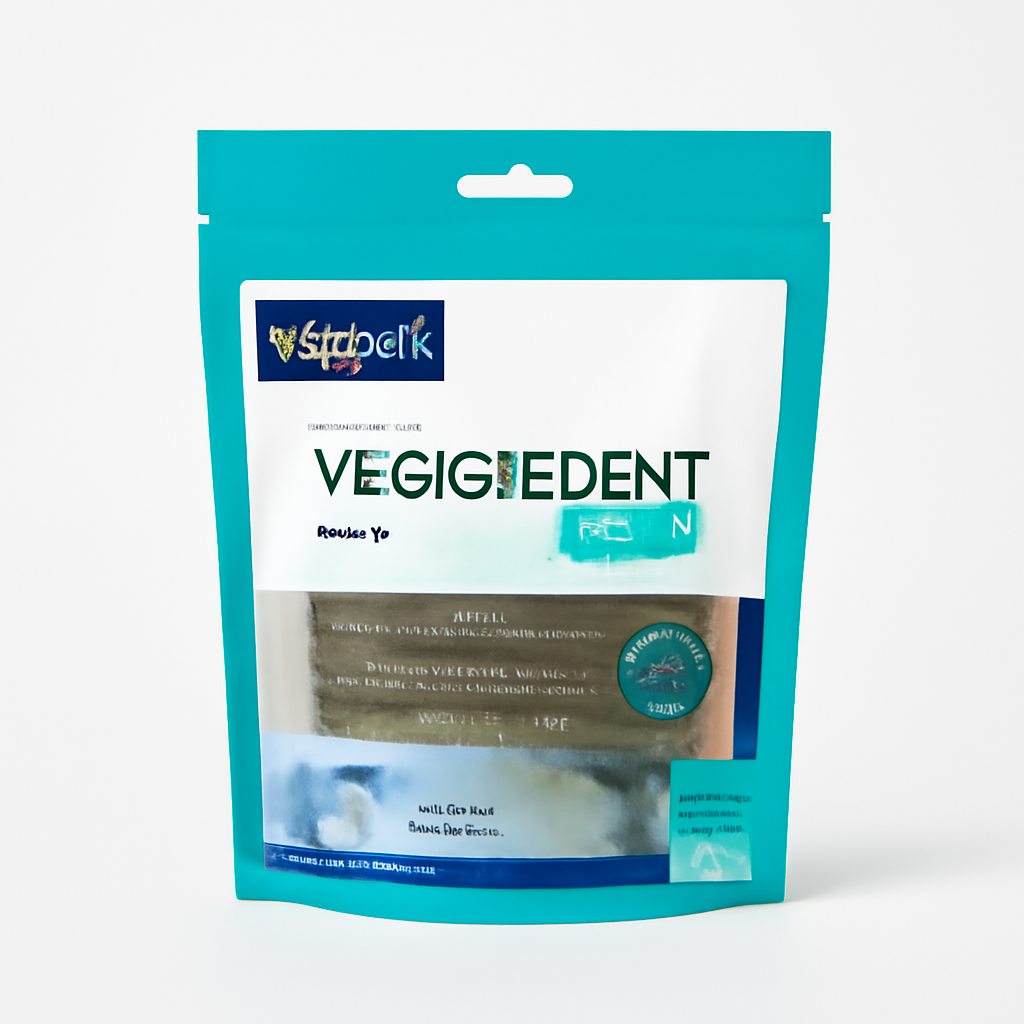
1. Virbac C.E.T. VeggieDent Fr3sh Chews — Best Overall
If your dog reacts to meat-based chews, VeggieDent is often the answer. These are plant-based, highly digestible, and VOHC-accepted, with a Z-shape designed to force real chewing (great for gulpers). Because they skip animal proteins entirely, they sidestep one of the most common sensitive-stomach triggers, and they’re a longtime vet-office staple.
Pros:
– Plant-based and highly digestible — easy on sensitive guts
– VOHC-accepted for plaque and tartar reduction
– Freshens breath noticeably
– Trusted, vet-recommended brand
Cons:
– Pricier than grocery-store chews
– Sizing needs attention for small breeds
– Not for dogs with specific plant/legume sensitivities
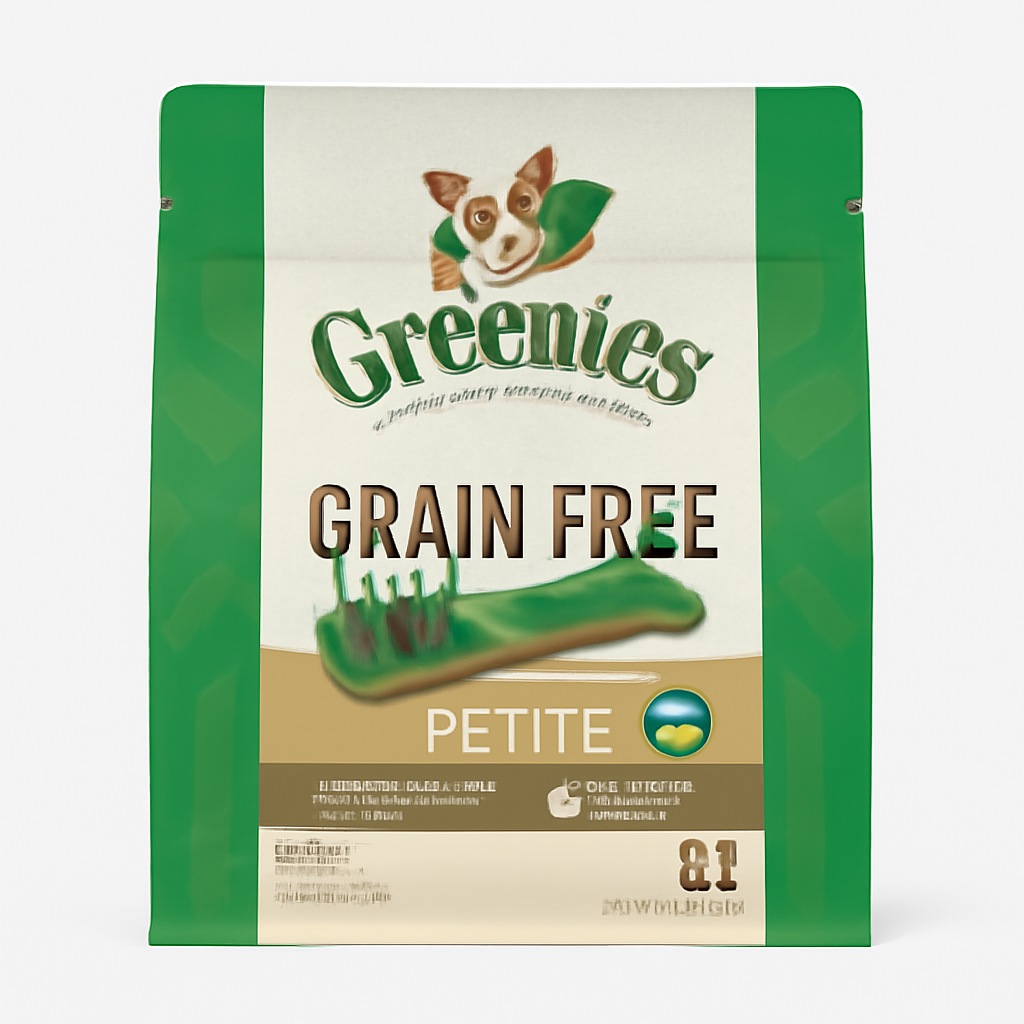
2. Greenies Grain-Free Dental Treats — Best for Grain Sensitivities
Greenies are the best-known dental chew for a reason, and the grain-free line swaps wheat for potato and other easy-to-digest ingredients. They’re VOHC-accepted, chewy (not hard), and soften as your dog works them, which many sensitive-stomach dogs tolerate better than dense chews. Match the size to your dog’s weight and supervise fast eaters.
Pros:
– Grain-free, easy-to-digest formula
– VOHC-accepted
– Soft, chewy texture is gentle on the gut and teeth
– Widely available in precise size ranges
Cons:
– Can be gulped by aggressive chewers if the size is too small
– Higher calorie count — factor into daily treats
– Not a limited-ingredient formula
3. Whimzees by Wellness Natural Dental Chews — Best Single-Ingredient Feel
Whimzees keep it refreshingly simple: vegetable-based, grain-free, and free of artificial colors, flavors, and preservatives. The fun shapes (toothbrush, alligator, hedgehog) have deep grooves that do real cleaning work, and the short, plant-forward ingredient list makes them a strong pick for dogs that react to almost everything.
Pros:
– Short, natural, plant-based ingredient list
– No artificial additives
– Textured shapes clean well and last a while
Cons:
– Vegetable base doesn’t appeal to every dog
– Denser texture may be too much for very small or senior dogs
4. Blue Buffalo Dental Bones — Best Clean-Label Natural Option
Blue Buffalo’s dental bones lean on natural ingredients with no chicken by-product meals, artificial flavors, or preservatives. For owners who want a recognizable label without going fully vegetarian, these strike a nice balance. Choose the appropriate size and introduce slowly.
5. Zesty Paws Dental Sticks — Best with Functional Add-Ins
Zesty Paws builds functional ingredients into their dental sticks, and several formulas are made with limited, digestible bases and no artificial junk. Good for owners who want a little extra from a chew — just read the specific formula’s label, since add-ins vary.
6. Pedigree Dentastix (Original) — Best Budget Everyday Chew
Dentastix are affordable and available everywhere, with a chewy, lower-density texture some sensitive dogs tolerate well. They’re not a limited-ingredient product, so they’re best for dogs with mild sensitivity rather than serious allergies — but as a cost-effective daily option, they earn their spot.
7. Nylabone Advanced Oral Care Chews — Best Long-Lasting
For power chewers who need something that lasts, Nylabone’s edible dental chews are designed to clean over a longer chewing session while staying digestible. Match to your dog’s chewing strength and size, and supervise as always.
How to Safely Introduce New Dental Chews
Even the gentlest chew can upset a sensitive stomach if you rush it. Here’s the low-drama way to switch:
1. Start with half a chew. Give a partial serving for the first two or three days and watch for any change in stool, appetite, or energy.
2. Go slow — one new thing at a time. Don’t introduce a new chew and a new food in the same week, or you won’t know what caused a reaction.
3. Give it 5–7 days. Sensitive guts sometimes react a day or two later, so hold steady for a full week before judging.
4. Always supervise. Especially with gulpers — take the chew away when it’s small enough to swallow whole.
5. Fresh water on hand. Chews plus water aids digestion and helps everything move through smoothly.
6. Count the calories. Dental chews add up. Trim other treats so you don’t overload the system.
If you see repeated vomiting, diarrhea lasting more than 24–48 hours, lethargy, or any sign of an allergic reaction, stop the chew and call your vet.
Dental Chews vs. Brushing and Other Alternatives
Chews help, but they’re one tool in the kit. Here’s how they stack up:
| Method | Effectiveness | Effort | Sensitive-Stomach Friendly? |
| Daily brushing | Highest — gold standard | High (daily) | Yes — no ingestion |
| Dental chews | Good with consistent use | Low | Depends on formula |
| Water additives | Mild | Very low | Usually yes |
| Dental wipes | Mild-moderate | Medium | Yes — no ingestion |
| Professional cleaning | Highest one-time reset | Vet visit + cost | N/A |
The takeaway: Brushing with a dog-safe toothpaste is the single most effective at-home habit, and it doesn’t involve digesting anything — a real advantage for touchy stomachs. But most of us don’t brush daily, and that’s exactly where dental chews shine as a low-effort supplement. The best routine combines a few weekly brushings, a daily gut-friendly chew, and an annual professional cleaning.
Frequently Asked Questions
Can dental chews cause diarrhea in dogs?
Yes — usually from rich ingredients, high fat, artificial additives, or introducing them too fast. Switching to a limited-ingredient chew and starting with a partial serving resolves most cases.
How often should I give my dog a dental chew?
Most are designed for once daily, but sensitive dogs often do better every other day at first. Follow the label and count the calories toward your dog’s daily intake.
Are grain-free dental chews better for sensitive stomachs?
Only if your dog is specifically grain-sensitive. Grain-free isn’t automatically gentler — many dogs handle grains fine and react to a protein or additive instead. Match the chew to your dog’s actual trigger.
What’s the safest dental chew for a dog with a very sensitive stomach?
Plant-based, limited-ingredient options like Virbac C.E.T. VeggieDent Fr3sh or Whimzees by Wellness tend to be the most reliable because they avoid the meat proteins and additives that trigger most reactions.
Do dental chews actually replace brushing?
No. They reduce plaque and tartar and freshen breath, but brushing remains the most effective at-home care. Think of chews as a strong supplement, not a substitute.
Are rawhide chews okay for sensitive stomachs?
Generally no. Rawhide is hard to digest and carries choking and blockage risks. Choose a digestible, purpose-made dental chew instead.
Our Verdict
For most dogs with sensitive stomachs, Virbac C.E.T. VeggieDent Fr3sh Chews are the best place to start. They’re plant-based, highly digestible, VOHC-accepted, and vet-trusted — the exact profile a touchy gut needs, minus the meat proteins and additives that cause most problems.
If your dog turns up their nose at plant-based chews or you want something more mainstream, Greenies Grain-Free Dental Treats are the easiest win: soft, grain-free, VOHC-accepted, and easy to find in the right size. For owners who want the shortest possible ingredient list, Whimzees by Wellness is hard to beat.
Whichever you choose, introduce it slowly, supervise the chewing, and pair it with regular brushing. Clean teeth and a calm stomach aren’t mutually exclusive — you just have to pick the right chew. Always check current pricing before you buy, since deals and sizes change often.
This guide is for informational purposes and isn’t a substitute for veterinary advice. If your dog has ongoing digestive issues, talk to your vet before adding new chews.