Quick answer: For most dog owners in 2026, a sturdy double-door wire crate like the MidWest Homes iCrate Double Door is the best all-around choice — it’s affordable, folds flat, and grows with your puppy thanks to a divider panel. If you have an escape artist or a powerful chewer, step up to the ProSelect Empire Heavy-Duty Cage. Travelers and anxious dogs do better with a Diggs Revol Collapsible Crate or a soft-sided EliteField 3-Door Folding Crate.
Below, we break down every cage type, how to size one correctly, the features that actually matter, and our fully reviewed top picks for 2026.
—
How We Chose the Best Dog Cages for 2026
Picking a dog cage sounds simple until you’re staring at dozens of options that all look nearly identical. To cut through the noise, we evaluated crates against the criteria that matter most to real owners:
– Safety & build quality — no sharp edges, secure latches, and coatings that won’t chip or rust.
– Durability — how well the cage holds up to chewing, pawing, and daily in-and-out use.
– Ease of setup & storage — whether it folds flat, sets up without tools, and stores easily.
– Sizing options — availability of multiple sizes and included divider panels for growing puppies.
– Portability — weight, folded size, and whether it’s practical for travel or moving room to room.
– Value — real-world durability relative to price, not just the lowest sticker.
We prioritized brands with a long track record among trainers, veterinarians, and everyday owners. We did not rely on marketing claims alone — where possible, we weighted our picks toward crates that have earned durable reputations over multiple years of use.
—
Types of Dog Cages: Wire, Plastic, Heavy-Duty & Soft
There is no single “best” cage — the right one depends on your dog’s temperament and how you’ll use it. Here are the four main types.
Wire Crates
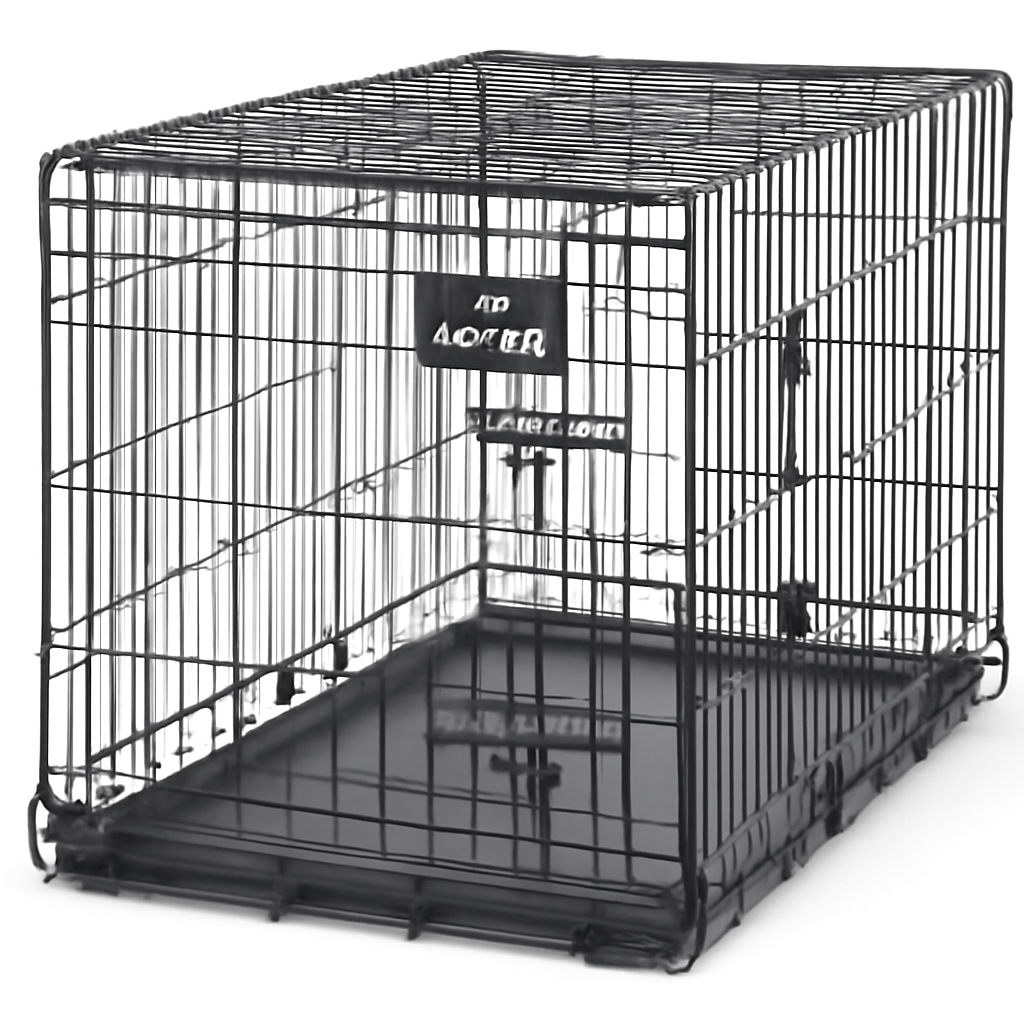
The most popular option. Wire crates offer excellent ventilation and visibility, fold flat for storage, and usually include a removable plastic tray for easy cleaning. Many come with a divider so a single crate can grow with your puppy. Best for indoor use and general crate training.
Plastic (Airline-Style) Crates
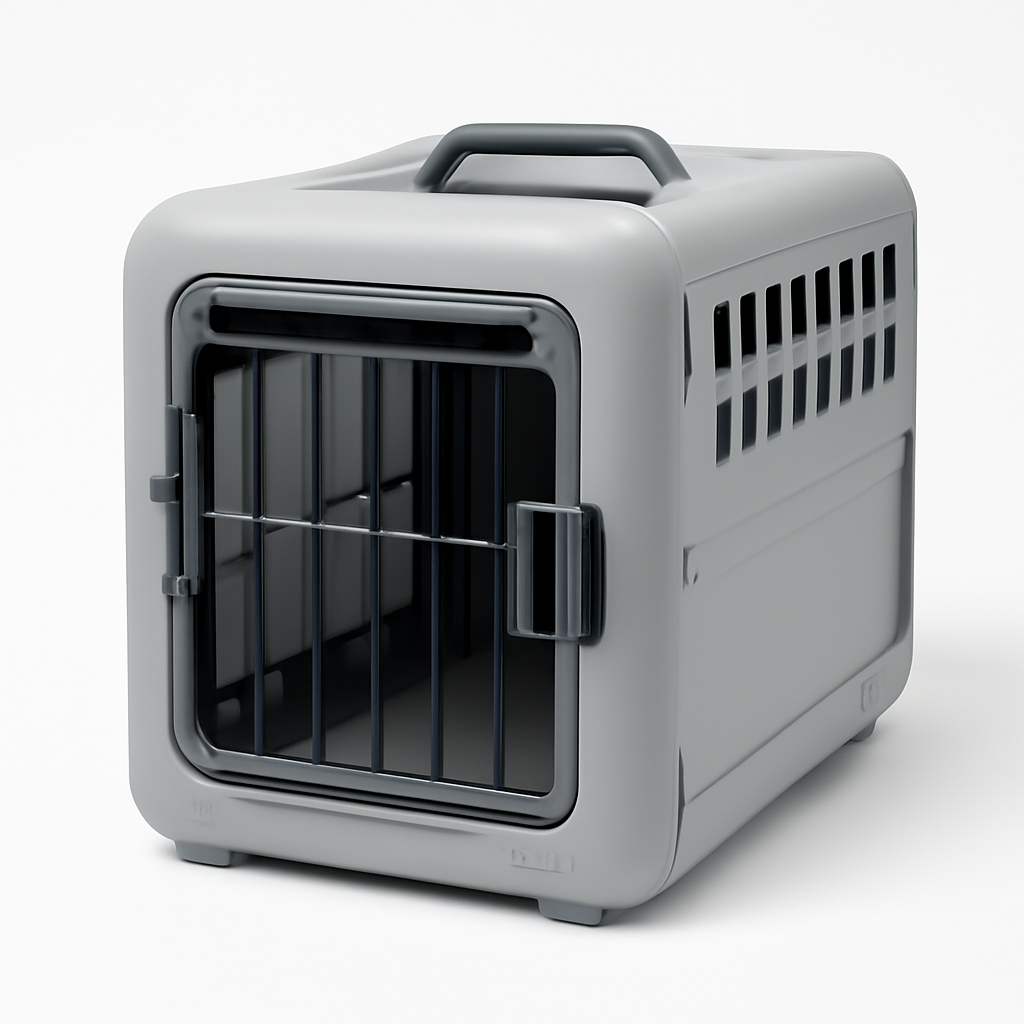
Enclosed plastic crates feel more den-like, which many anxious dogs prefer. They’re the standard for air travel because most meet airline requirements. The trade-off is reduced airflow and visibility, and they don’t fold down.
Heavy-Duty Crates
Made from reinforced steel with heavy gauge bars and serious latches, these are built for powerful, determined, or anxious dogs that destroy standard wire crates. They’re heavy and pricier, but for a true escape artist they’re often the only thing that works.
Soft-Sided Crates
Lightweight fabric crates on a collapsible frame. Extremely portable and great for travel, camping, or already crate-trained calm dogs. Not suitable for chewers or dogs that scratch — the fabric won’t survive it.
—
How to Pick the Right Cage Size for Your Dog
Size is the single most common mistake owners make. A crate should be just big enough for your dog to:
– Stand up fully without ducking
– Turn around comfortably
– Lie down and stretch out on their side
Too big is a real problem, not a bonus. If the crate is much larger than needed, your dog may use one end as a bathroom — which sabotages house-training. This is exactly why a crate with a divider panel is so valuable for puppies: you block off the extra space and expand it as they grow.
Quick Sizing Guide
| Dog Weight | Approx. Breed Examples | Recommended Crate Length |
| Up to 25 lbs | Chihuahua, Pug, small terrier | 24 inches |
| 26–40 lbs | Beagle, French Bulldog | 30 inches |
| 41–70 lbs | Border Collie, Boxer | 36 inches |
| 71–90 lbs | Labrador, German Shepherd | 42 inches |
| 91+ lbs | Great Dane, Mastiff | 48 inches |
How to measure: Measure your dog from nose to base of tail, then add 2–4 inches for length. Measure from floor to the top of the head (sitting) and add 2–4 inches for height. Round up to the nearest available size.
—
Key Features to Look For (Safety, Durability, Portability)
Safety
– Secure latches: Look for slide-bolt latches on wire crates and multiple locking points on heavy-duty models. Cheap single-latch doors are the easiest for dogs to nose open.
– Rounded corners & smooth edges: No sharp wire ends that can scratch a nose or paw.
– Non-toxic, rust-resistant coating: Powder-coated or e-coated steel holds up far better than bare or cheaply painted metal.
Durability
– Gauge of the wire/steel: Lower gauge number = thicker, stronger bars. This matters enormously for strong dogs.
– Frame reinforcement: Welded joints beat crimped ones.
– Removable, crack-resistant tray: You’ll clean this constantly — a flimsy tray is a daily annoyance.
Portability
– Fold-flat design: Wire and soft crates that collapse without tools are far easier to store and move.
– Weight and handles: If you’ll travel, check the folded weight and whether it has a carry handle.
– Double doors: A front and side door gives you flexible placement in a car or tight room.
—
Top Dog Cage Picks Reviewed for 2026
Top Picks at a Glance
| Product | Best For | Price Range |
| MidWest Homes iCrate Double Door | Best overall / puppies | Budget–Mid |
| ProSelect Empire Heavy-Duty Cage | Escape artists & chewers | Premium |
| Diggs Revol Collapsible Crate | Design-conscious & safety features | Mid–Premium |
| EliteField 3-Door Folding Soft Crate | Travel & calm dogs | Budget–Mid |
| Frisco Fold & Carry Double Door | Best value | Budget |
—
1. MidWest Homes iCrate Double Door — Best Overall
The iCrate is the crate most trainers point new owners toward, and for good reason. It hits the sweet spot of price, durability, and convenience. It folds flat without tools, includes a removable plastic tray, offers front and side doors, and comes with a divider panel so a single crate carries a puppy all the way to adulthood.
Pros
– Excellent value across every size
– Divider panel included — grows with your dog
– Folds flat in seconds, no tools needed
– Double doors for flexible placement
Cons
– Not strong enough for determined chewers or escape artists
– Tray can flex on the largest sizes
Best for: First-time owners, puppies, and any calm-to-moderate dog. If you’re not sure what to buy, start here. Check current pricing at MidWest Homes iCrate Double Door.
—
2. ProSelect Empire Heavy-Duty Cage — Best for Escape Artists
If your dog bends bars, pops latches, or has torn through a standard wire crate, this is the answer. The Empire is built from heavy-gauge steel tubes with a reinforced frame, a serious dual-latch door system, and caster wheels to move its considerable weight. It’s overkill for most dogs — and exactly right for the few that need it.
Pros
– Genuinely escape-resistant construction
– Rust-resistant hammertone finish
– Rolling casters make the heavy frame movable
– Removable steel tray
Cons
– Expensive
– Very heavy and does not fold flat
– More than most dogs require
Best for: Powerful breeds, severe separation anxiety, and any true escape artist. See the current price on the ProSelect Empire Heavy-Duty Cage.
—
3. Diggs Revol Collapsible Crate — Best Modern Design & Safety
The Revol reimagined the wire crate with safety and looks in mind. It features diamond-shaped mesh that reduces the risk of paws or teeth getting caught, a garage-style side door, rounded corners with no exposed sharp ends, and a genuinely one-handed collapse. It’s a premium pick, but the thoughtful details stand out.
Pros
– Puppy-safe mesh pattern, no sharp edges
– Collapses easily for storage and travel
– Handsome enough to leave out in a living room
– Multiple access doors, including a top hatch
Cons
– Higher price than standard wire crates
– Fewer size options for very large breeds
Best for: Owners who want a safer, better-looking crate and don’t mind paying for it. View pricing on the Diggs Revol Collapsible Crate.
—
4. EliteField 3-Door Folding Soft Crate — Best for Travel
For already crate-trained, easygoing dogs, a soft crate is a lightweight, packable alternative. The EliteField offers three zippered doors, mesh windows for airflow, a padded washable floor, and a carry bag. It sets up in seconds and weighs a fraction of a wire crate.
Best for: Road trips, camping, visiting family, and dogs that won’t chew or claw fabric. It is not for chewers. Check availability of the EliteField 3-Door Folding Soft Crate.
—
5. Frisco Fold & Carry Double Door — Best Value
If budget is the priority, the Frisco Fold & Carry delivers the wire-crate essentials — double doors, a divider panel, a slide-out tray, and a fold-flat design — at a lower price point. It’s not as robust as premium options, but for calm dogs and cost-conscious owners it covers the basics well. See the Frisco Fold & Carry Double Door.
—
Setup, Crate Training & Safety Tips
A great crate only works if it’s introduced the right way.
Setup
1. Place it in a social spot — a corner of the living room or bedroom, not an isolated basement. Dogs are den animals but also want to be near their people.
2. Add comfortable bedding — a washable mat or pad. Skip loose blankets with a heavy chewer.
3. Use the divider for puppies so the space is just big enough to stand, turn, and lie down.
Crate Training
– Make it positive from day one. Toss treats inside, feed meals in the crate, and never use it as punishment.
– Start with the door open, letting your dog explore freely before you ever close it.
– Build duration slowly — a few minutes at a time, then gradually longer as they relax.
– Ignore whining you know is attention-seeking, but never leave a genuinely distressed dog crated for hours.
Safety
– Remove collars with tags before crating — dangling hardware can snag on bars.
– Never crate a dog for too long. Adult dogs shouldn’t be crated more than a few hours at a stretch during the day; puppies far less.
– Check latches regularly for wear, especially with strong dogs.
—
Frequently Asked Questions About Dog Cages
Is it cruel to put a dog in a cage?
No — when used correctly, a crate taps into a dog’s natural denning instinct and gives them a safe, calm space. It becomes cruel only when overused, undersized, or used as punishment.
What size cage does my dog need?
Big enough to stand, turn around, and lie down fully — and no bigger. Use our sizing table above, and choose a crate with a divider if you have a growing puppy.
Wire or plastic crate — which is better?
Wire crates offer better ventilation, visibility, and storage, making them ideal for home use. Plastic crates feel more enclosed and den-like, and are the standard for air travel.
How do I stop my dog from escaping the crate?
First, confirm the crate is correctly sized and the latches are secure. For persistent escape artists, move up to a heavy-duty steel crate like the ProSelect Empire rather than adding makeshift fixes to a flimsy one.
Can I leave my dog in a crate all day?
No. Crating for an entire workday is too long. Arrange a midday break, a dog walker, or a safe playpen setup for longer absences.
How long does crate training take?
It varies by dog, but most owners see solid progress within a few weeks of consistent, positive training. Puppies and anxious dogs may take longer — patience is the key.
—
Our Verdict
For the majority of dog owners in 2026, the MidWest Homes iCrate Double Door is the smartest buy: it’s affordable, easy to live with, and its included divider means one crate serves your dog from puppyhood to adulthood.
If your dog is a determined escape artist or heavy chewer, don’t waste money on repeated replacements — go straight to the ProSelect Empire Heavy-Duty Cage. For those who want the safest, best-looking modern option, the Diggs Revol Collapsible Crate is worth the premium. And if you travel often with an easygoing dog, the EliteField 3-Door Folding Soft Crate is the most practical companion.
Match the crate to your dog’s temperament and your lifestyle, size it correctly, and introduce it with patience — do that, and any of these picks will serve you well for years.
Always confirm current pricing and exact dimensions before purchasing, as availability and specifications can change.