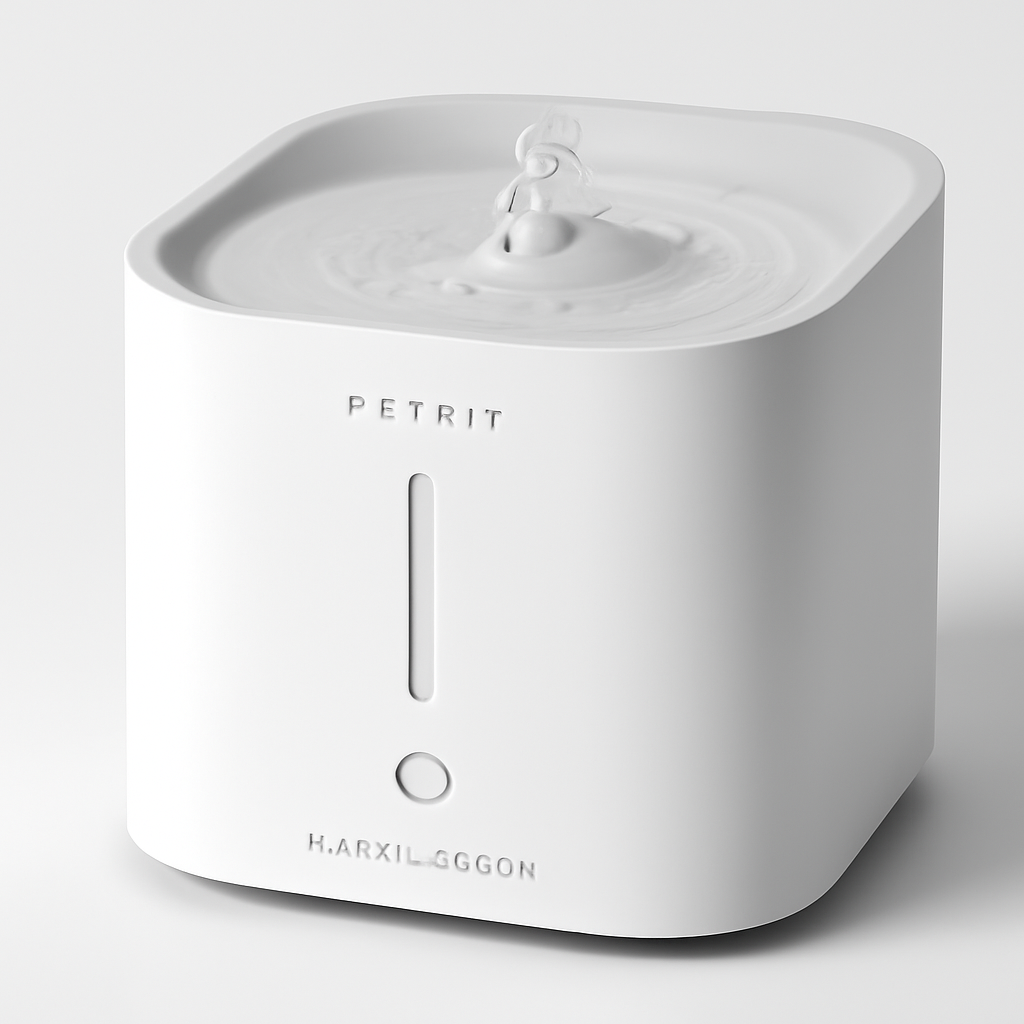
Quick answer: If your cat barely touches their water bowl, a cat water fountain is one of the cheapest upgrades you can make to their health. The moving, filtered water encourages cats to drink more, which helps prevent urinary and kidney problems. For most households, a stainless steel or ceramic fountain in the 2–3 liter range hits the sweet spot of hygiene, quiet operation, and low maintenance. Our top overall pick for 2026 is the PetKit Eversweet SOLO 2, with the PETLIBRO Ceramic Fountain close behind for anyone who wants something that looks good on the kitchen floor.
Below, we’ll walk through why fountains matter, the trade-offs between materials, the features that actually count, and our specific picks.
—
Why a Cat Water Fountain Is Worth It (Hydration & Health Benefits)
Cats are famously bad at drinking water. It’s not laziness — it’s biology. Descended from desert-dwelling wildcats, domestic cats have a naturally low thirst drive and historically got most of their moisture from prey. Feed a cat a diet of dry kibble and that instinct works against them: many cats live in a state of mild chronic dehydration without their owners ever noticing.
That matters because under-hydration is directly linked to some of the most common (and expensive) feline health problems:
– Urinary tract issues and crystals — concentrated urine is a major risk factor for FLUTD and blockages, which can be life-threatening in male cats.
– Chronic kidney disease — the leading cause of death in older cats. More water intake eases the load on aging kidneys.
– Constipation — well-hydrated cats simply have an easier time.
So why a fountain instead of a bowl? Two reasons. First, cats are drawn to moving water — many instinctively prefer a running stream to still water they can’t easily judge the depth of (this is why you’ve caught your cat drinking from the faucet). Second, circulating water stays fresher and more oxygenated, and the filter pulls out hair, food debris, and the slime that builds up in a stagnant bowl.
In practice, most owners who switch report their cat visibly drinking more within the first week. For a $30–$70 device, that’s a strong return on investment for your cat’s long-term health.
—
Types of Cat Water Fountains: Ceramic vs. Stainless Steel vs. Plastic
The material your fountain is made of affects hygiene, durability, noise, and how often you’ll be scrubbing it. Here’s the honest breakdown.
Plastic
The most common and most affordable. Plastic fountains are lightweight and usually the cheapest option, and the best ones (like the Catit and Veken models) are genuinely good.
The downside: plastic is porous and develops micro-scratches over time, which can harbor bacteria and contribute to feline chin acne — those little black bumps some cats get on their chin. If you go plastic, commit to regular cleaning and replace the unit every year or two.
Stainless Steel
The hygiene winner for most households. Stainless steel is non-porous, doesn’t scratch easily, and resists bacteria and biofilm far better than plastic. It’s also dishwasher-friendly and won’t hold odors. It typically costs more than plastic and can show water spots, but for a low-maintenance, allergy-friendly bowl, it’s hard to beat.
Ceramic
The aesthetic and hygiene choice. Ceramic is heavy (so it won’t slide around or get tipped by an enthusiastic drinker), non-porous like steel, and many owners simply think it looks nicer than a plastic gadget. The trade-offs: it’s heavier to lift for cleaning, more fragile if dropped, and usually the most expensive material.
| Material | Hygiene | Durability | Price | Best For |
| Plastic | Fair | Fair | $ | Budget buyers, multi-cat testing |
| Stainless Steel | Excellent | Excellent | $$ | Low-maintenance, acne-prone cats |
| Ceramic | Excellent | Good (fragile) | $$$ | Aesthetics, heavy drinkers |
—
Key Features to Look For Before You Buy
Not all fountains are created equal. Before you check out, run down this list:
– Pump quality and replaceability. The pump is the heart of the fountain and the part most likely to fail. Look for a detachable, easy-to-clean pump with replacement parts readily available. A pump you can’t take apart is a pump that will get gunky and die.
– Water level visibility. A clear window or translucent tank so you can see when it’s running low. A pump that runs dry can burn out fast.
– Filtration system. Most quality fountains use a replaceable carbon + foam filter to trap hair and debris and reduce odor. Check that filters are cheap and easy to find before you commit to a brand.
– Low-water shutoff or smart alerts. Higher-end models will pause the pump or ping your phone when the tank is low.
– Quiet operation. A noisy fountain is a fountain your cat avoids — and one you’ll unplug. More on this below.
– Capacity. Match it to your household size (next section).
– Flow modes. Some cats love a bubbling stream; others prefer a calm surface. Adjustable flow lets you find what your specific cat will actually use.
—
How to Choose the Right Fountain Capacity for Your Household
Capacity is a balance between how often you want to refill and how fresh the water stays. Bigger isn’t automatically better — water sitting in a huge reservoir for days isn’t fresher than a smaller tank you top up regularly.
Here’s a simple guide:
– 1 cat: A 1.5–2 liter fountain is plenty. You’ll refill every few days.
– 2–3 cats: Step up to 2.5–3 liters so it doesn’t run dry between top-ups.
– 4+ cats or a cat + dog household: Go 3 liters or more, or consider two smaller fountains placed in different rooms — cats often prefer their water located away from their food and litter.
A good rule of thumb regardless of size: empty, clean, and refill with fresh water every 2–4 days, even if the tank isn’t empty. Capacity buys you convenience, not an excuse to skip cleaning.
—
Filtration, Pump Noise & Ease of Cleaning
These three factors are what separate a fountain you love from one that ends up in a closet.
Filtration. Replaceable filters typically combine activated carbon (for taste and odor) with a foam or mesh layer (for hair and grit). Expect to swap them every 2–4 weeks. Factor the ongoing cost of filters into your budget — a cheap fountain with expensive proprietary filters can cost more over a year than a pricier model with affordable ones.
Pump noise. This is the #1 complaint in reviews. Noise usually comes from one of three things: the pump running low on water, the pump needing a cleaning, or a poorly designed unit. To keep things quiet: keep the water topped up, clean the pump regularly, and choose a model with a good reputation for silence. Cats have sensitive hearing — a buzzing pump can scare them off entirely.
Ease of cleaning. Look for few parts, wide openings, and dishwasher-safe components. The pump should disassemble so you can clear the impeller with a small brush (many fountains include one). Fewer nooks and crannies = less biofilm = a healthier cat and a less annoying chore for you.
—
Our Top Cat Water Fountain Picks for 2026
Here are the models we’d actually recommend to friends this year. Prices shift, so we’ve left placeholders — always confirm the current cost.
1. PetKit Eversweet SOLO 2 — Best Overall
PetKit Eversweet SOLO 2
A smart, wireless-pump fountain that’s earned its reputation for genuinely quiet operation and thoughtful design. The pump sits separate from the water, which cuts noise and makes cleaning easier, and the multi-stage filtration keeps water tasting fresh. Some versions include app alerts for water level and filter life.
Pros:
– Very quiet, separated pump design
– Smart alerts on select models
– Easy to disassemble and clean
Cons:
– Pricier than basic plastic fountains
– Proprietary filters add ongoing cost
2. PETLIBRO Ceramic Water Fountain — Best Ceramic
PETLIBRO Ceramic Water Fountain
If you want something that looks like a piece of decor rather than a gadget, this is it. Heavy, stable ceramic construction that resists scratches and bacteria, with a gentle flow most cats take to quickly. PETLIBRO also makes a well-regarded stainless steel line if you prefer metal.
Pros:
– Non-porous, hygienic, and stable
– Attractive enough to leave in the kitchen
– Gentle, low-splash flow
Cons:
– Heavier to lift and clean
– Ceramic can chip or crack if dropped
3. PetSafe Drinkwell 360 — Best for Multi-Cat Homes
PetSafe Drinkwell 360
A large-capacity fountain with multiple free-falling streams, designed so several pets can drink at once. If you’ve got a busy household, this is the workhorse. It’s plastic, so stay on top of cleaning, but the capacity and multi-stream design are hard to match at the price.
Pros:
– High capacity, great for multiple pets
– Multiple drinking streams
– Widely available, cheap replacement filters
Cons:
– Plastic requires diligent cleaning
– More parts to disassemble
4. Veken Stainless Steel Fountain — Best Value
Veken Stainless Steel Fountain
Veken built its name on affordable, reliable fountains, and its stainless steel model brings the hygiene benefits of metal at a friendly price. Simple, quiet, and easy to live with — a great first fountain.
5. Catit PIXI Smart Fountain — Best Budget Smart Pick
Catit PIXI Smart Fountain
For owners who want app connectivity without the top-tier price, the Catit PIXI offers water-level monitoring and a triple-filter system in a compact, tidy design. A solid entry point into “smart” fountains.
Comparison Table
| Product | Best For | Price Range |
| PetKit Eversweet SOLO 2 | Best overall / quiet operation | |
| PETLIBRO Ceramic Fountain | Aesthetics & hygiene | |
| PetSafe Drinkwell 360 | Multi-cat households | |
| Veken Stainless Steel | Best value | |
| Catit PIXI Smart | Budget smart pick |
—
Care & Maintenance Tips to Keep the Water Fresh
A fountain only helps if it stays clean. Here’s how to keep it working and your cat drinking:
1. Top up daily. Never let the pump run dry — it’s the #1 cause of noise and burnout. A quick daily check takes seconds.
2. Full clean every 2–4 days. Empty the reservoir, wipe it down, and refill with fresh water even if it’s not empty.
3. Deep clean the pump weekly. Disassemble it and clear the impeller with a small brush (most fountains include one). This is where biofilm and gunk hide.
4. Swap filters on schedule. Every 2–4 weeks, or sooner if you notice debris or a change in water clarity. Buy filters in multipacks to save money.
5. Descale monthly if you have hard water. Mineral buildup can clog the pump. A rinse with a diluted vinegar solution (followed by a thorough freshwater rinse) clears it.
6. Place it smartly. Keep the fountain away from food and the litter box — cats instinctively avoid drinking near either. A quiet corner they pass by often works best.
Do these six things and a good fountain will run quietly for years — and your cat will actually use it.
—
Our Verdict
A cat water fountain is one of the highest-value, lowest-effort upgrades you can make for your cat’s long-term health, especially if they eat dry food or have any history of urinary trouble. The moving, filtered water taps into your cat’s natural instincts and gets them drinking more, which pays off in fewer vet visits down the road.
For most people, the PetKit Eversweet SOLO 2 is the pick to beat — quiet, smartly designed, and easy to keep clean. If looks and hygiene top your list, the PETLIBRO Ceramic Fountain is beautiful and bacteria-resistant. Got a houseful of cats? The PetSafe Drinkwell 360 has the capacity to keep everyone hydrated. And if you’re watching your budget, the Veken Stainless Steel Fountain delivers the hygiene of metal without the premium price.
Whichever you choose, the best fountain is the one you’ll keep clean and your cat will actually drink from. Match the material and capacity to your household, stay on top of maintenance, and you’ve made a small investment that your cat’s kidneys and bladder will thank you for.
Always confirm current pricing and availability before purchasing, as prices change frequently.