If you just spent $300 to $700 on a self-cleaning litter box, the last thing you want is a jammed rake, a sensor error, or a cloud of dust every time it cycles. The truth most people learn the hard way: the litter you use matters just as much as the box itself. The wrong litter can clog the mechanism, throw off the weight sensors, or leave your cat’s box smelling worse than a manual one.
This guide breaks down exactly what to look for and which litters actually perform well in automatic boxes like the Litter-Robot 4, Whisker, PetSafe ScoopFree, and Casa Leo.
Quick Answer
For most automatic litter boxes, a hard-clumping, low-dust, unscented clay litter is the safest bet. Our top overall pick is Dr. Elsey’s Ultra Premium Clumping Cat Litter — it forms rock-hard clumps that survive the raking cycle without crumbling. If you’re on a budget, Tidy Cats Clumping Litter works well. For sensitive cats and allergy-prone homes, go with Arm & Hammer Clump & Seal Naturals.
Avoid crystal, non-clumping, and ultra-lightweight litters in most Rake-based automatic boxes — we’ll explain why below.
—
Top Picks at a Glance
| Product | Best For | Price Range |
| Dr. Elsey’s Ultra Premium Clumping | Best overall — hard clumps, sensor-friendly | $$ |
| Tidy Cats Clumping Litter | Budget-friendly, widely available | $ |
| Arm & Hammer Clump & Seal Naturals | Low-dust, sensitive cats | $$ |
| Fresh Step Clumping Litter | Odor control with sensitive noses | $$ |
| World’s Best Cat Litter (Multiple Cat) | Flushable/natural, lighter-duty boxes | $$$ |
—
Why Litter Choice Matters for Automatic Litter Boxes
A manual litter box is forgiving. You scoop when you scoop, and any litter that “kind of clumps” gets the job done. An automatic box is a machine — and machines have tolerances.
Most self-cleaning boxes work in one of two ways:
– Rake-based (PetSafe ScoopFree, older designs): a comb-like rake drags across the litter bed and pushes waste into a trap.
– Rotating/sifting (Litter-Robot 4, Casa Leo Loo Too): the entire globe rotates, and clumps fall through a screen into a sealed drawer.
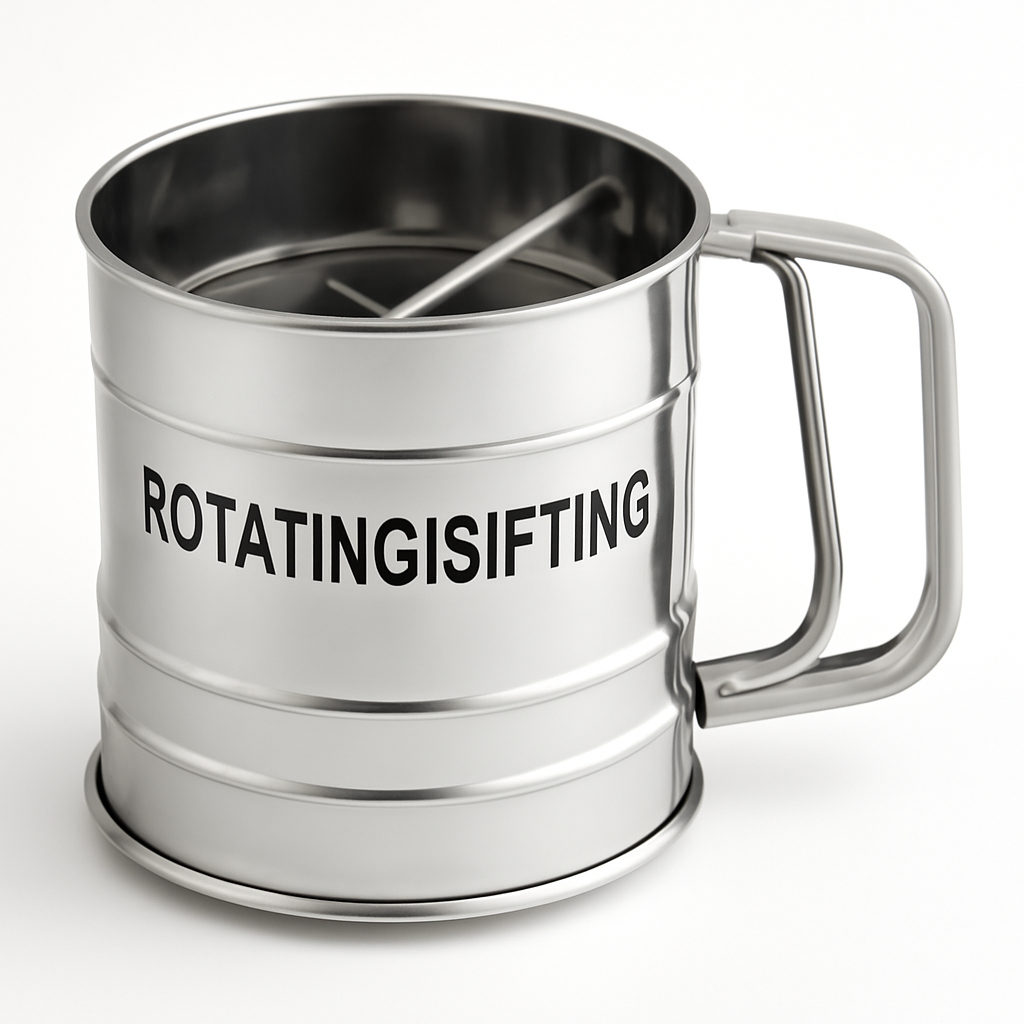
In both systems, the litter has to clump hard enough to hold together while it’s being moved. If a clump breaks apart, you get one of two failures: waste smeared back across the bed, or fine debris falling through the sifting screen and building up in the “clean” drawer. Over weeks, that means odor, residue, and more frequent deep-cleans.
Then there are the sensors. Many premium boxes (especially the Litter-Robot line) use weight sensors to detect when a cat enters and how full the waste drawer is. Ultra-lightweight litters can confuse these sensors, and litter that tracks or sticks to the globe can throw off calibration. This is why manufacturers like Whisker specifically recommend clumping clay litter for their boxes.
Bottom line: your expensive box is only as good as the litter feeding it.
What to Look for: Clumping Strength, Dust & Sensor Compatibility
Here’s the checklist I use when evaluating any litter for an automatic box.
1. Clumping Strength (the #1 factor)
You want litter that forms hard, solid clumps that don’t crumble when moved. Cheap litters form soft, sandy clumps that shatter the moment a rake hits them. Look for litter marketed as “hard clumping” or “scoopable” clay with fast absorption.
Test: Pour water on a small pile. A good clump should hold its shape when you lift it with a scoop. If it falls apart, it’ll fall apart in your machine too.
2. Low Dust
Automatic boxes cycle multiple times a day, and every cycle stirs up whatever dust is in the bed. High-dust litter coats the internal components, can gum up sensors, and is worse for both you and your cat’s respiratory health. Look for “99% dust-free” or “low dust” on the label.

3. Sensor & Weight Compatibility
– Avoid ultra-lightweight formulas in weight-sensing boxes unless the manufacturer explicitly approves them.
– Medium-weight clay is the safe default — it’s what most boxes are calibrated around.
– Fill to the fill line your box recommends. Too little litter and clumps hit the bottom; too much and the sifting screen jams.
4. Granule Size
Fine-to-medium granules sift and rake cleanly. Large pellets and crystals don’t move well through most rakes and screens — more on that below.
5. Scent
Heavily perfumed litter can irritate sensitive cats and may combine with the sealed-drawer environment of an automatic box to produce a stronger, stranger smell. Unscented or lightly scented is usually the better call, paired with the box’s own odor-sealing drawer.
—
Best Overall Cat Litter for Automatic Boxes in 2026
Dr. Elsey’s Ultra Premium Clumping Cat Litter
If I could only recommend one litter for automatic boxes, this is it. Dr. Elsey’s Ultra is a medium-weight, unscented clay that forms genuinely hard clumps — the kind that survive a full rake or sift cycle without breaking down. That single trait solves the most common automatic-box complaint: crumbled clumps contaminating the clean litter.
It’s also low-dust and low-tracking, and because it’s unscented, it plays nicely with the sealed waste drawers on boxes like the Litter-Robot 4 and Casa Leo Loo Too. It’s the litter most frequently recommended in owner communities for a reason.
Pros:
– Exceptionally hard clumps — ideal for rake and sift mechanisms
– Low dust, unscented (good for sensitive cats and humans)
– Medium weight works well with sensor-based boxes
– Widely available and consistently formulated
Cons:
– Heavier bags — not fun to carry or refill
– No added fragrance means you rely on the box’s odor control (a plus for some, a con for others)
– Mid-tier price, not the cheapest option
Best for: Almost every automatic box owner who wants reliable, trouble-free performance.
—
Top Budget-Friendly Pick
Tidy Cats Clumping Litter
You don’t have to spend a fortune to keep an automatic box running well. Tidy Cats’ clumping clay is inexpensive, sold nearly everywhere, and clumps firmly enough for most rake and sifting systems. It’s a great choice if you have multiple cats burning through litter quickly and need to keep monthly costs down.
The trade-off is a bit more dust than premium options and, in scented versions, a stronger fragrance. If you go this route, choose an unscented or lightly scented variety and keep an eye on dust buildup during your monthly clean.
Pros:
– Very affordable and easy to find
– Clumps well enough for most automatic boxes
– Good option for high-volume, multi-cat homes
Cons:
– Dustier than premium picks
– Scented versions can be strong for sensitive cats
– Clumps aren’t quite as rock-hard as Dr. Elsey’s
Best for: Cost-conscious owners and multi-cat households.
—
Best Low-Dust Option for Sensitive Cats
Arm & Hammer Clump & Seal Naturals
If your cat sneezes, has asthma, or you simply want the cleanest air in the room, prioritize a low-dust formula. Arm & Hammer’s Clump & Seal Naturals is designed to minimize airborne dust while still forming solid, scoopable clumps — the combination you need for a machine that stirs the bed several times a day.
The baking-soda-based odor control pairs nicely with automatic boxes’ sealed drawers, and the low-dust formula means less residue settling on sensors and internal parts.
Pros:
– Low dust — better for cats with respiratory sensitivity
– Strong odor control without heavy perfume
– Clumps firmly enough for automatic cycling
Cons:
– Costs more than basic clay
– Some cats need time to adjust to the texture
Another solid low-dust alternative is Fresh Step Clumping Litter, which offers reliable odor control in lightly scented and unscented options — a good pick if your cat tolerates a touch of fragrance.
For owners who want a natural, plant-based, flushable option, World’s Best Cat Litter (Multiple Cat formula) clumps well and is far lighter than clay — but check your box’s manual first, since ultra-light litters can affect weight sensors on some models.
—
Litter Types to Avoid (Crystal, Non-Clumping & Lightweight)
Not every litter belongs in an automatic box. Here are the categories that cause the most problems.
Crystal (Silica Gel) Litter
Crystal litter absorbs urine instead of clumping it, which works against how most self-cleaning boxes operate. Rake and sift mechanisms are designed to remove solid clumps — with crystals, there’s often no clump to remove, so urine saturation just spreads through the bed. The large granules also jam rakes and don’t sift cleanly.
> Exception: Some boxes, like the PetSafe ScoopFree, are specifically designed to use their own crystal litter trays. If your box is built for crystals, use crystals. Otherwise, avoid them.
Non-Clumping Litter
This one is simple: if it doesn’t clump, the machine has nothing to scoop. Non-clumping litter lets urine pool at the bottom of the bed, defeating the entire purpose of an automatic box. Never use it in a clumping-based self-cleaner.
Ultra-Lightweight Litter
Lightweight litters are marketed as easier to carry, but they can confuse weight sensors in boxes like the Litter-Robot, and they tend to track and float more during cycling. They also sometimes produce softer clumps that break apart when raked. Unless your manufacturer specifically approves a lightweight formula, stick with standard-weight clay.
Quick “Avoid” Summary
| Litter Type | Why to Avoid | Exception |
| Crystal / Silica | Doesn’t clump; jams rakes | Boxes built for crystal trays (e.g. ScoopFree) |
| Non-clumping | Nothing for the machine to scoop | None for clumping boxes |
| Ultra-lightweight | Can confuse weight sensors, soft clumps | Only if manufacturer-approved |
—
How to Transition Your Cat to a New Litter
Cats are creatures of habit, and a sudden litter switch can lead to protest — including going outside the box. Transition gradually over 7 to 10 days.
1. Days 1–3: Mix about 25% new litter with 75% of the old litter.
2. Days 4–6: Move to a 50/50 blend.
3. Days 7–9: Shift to 75% new, 25% old.
4. Day 10+: Fully switch to the new litter.
A few extra tips for automatic boxes specifically:
– Fill to the recommended line. Automatic boxes are calibrated for a specific litter depth. Eyeballing it is the #1 cause of jams and sensor errors.
– Run a manual cycle after refilling to confirm the rake or globe moves freely with the new litter.
– Watch the first few clumps. If they crumble during the cycle, your litter isn’t clumping hard enough — switch to a harder-clumping formula like Dr. Elsey’s.
– Keep a backup manual box during the transition so a hesitant cat always has somewhere to go.
If your cat is stress-prone, slow the timeline down further. A litter transition that takes two weeks is far cheaper than cleaning up avoidance accidents.
—
Our Verdict
For the vast majority of automatic litter boxes, the winning formula is hard-clumping, low-dust, unscented clay — and Dr. Elsey’s Ultra Premium Clumping Cat Litter delivers exactly that. Its clumps hold together through rake and sift cycles, it keeps dust off your sensors, and it works across nearly every major box on the market.
– Best overall: Dr. Elsey’s Ultra Premium Clumping
– Best on a budget: Tidy Cats Clumping Litter
– Best for sensitive cats: Arm & Hammer Clump & Seal Naturals
– Runner-up for odor control: Fresh Step Clumping Litter
– Best natural/flushable (check sensor compatibility): World’s Best Cat Litter
Whatever you choose, match the litter to your specific box’s requirements — a quick look at your manufacturer’s manual will confirm whether it expects clumping clay or a proprietary crystal tray. Get the litter right, and your self-cleaning box finally does what you paid for: quietly handle the dirty work so you don’t have to.
Prices and availability change frequently — always check the current price before buying.