Quick Answer: For most cat owners in 2026, the Litter-Robot 4 is the best overall self-cleaning litter box thanks to its reliability and app control, while the PetSafe ScoopFree Crystal is the best budget-friendly automatic option. If you prefer a simple manual box, the Petmate Booda Dome (top-entry) and the iPrimio Ultimate Stainless Steel cover covered and open needs respectively. Multi-cat households should look hard at the Litter-Robot 4 or a pair of large open boxes.
Choosing the right litter box sounds simple until you’re standing in the pet aisle staring at domes, robots, and rakes wondering which one your cat will actually use — and which one won’t stink up your apartment. This guide cuts through the noise so you can buy once and buy right.
—
How We Tested and Ranked the Best Cat Litter Boxes
We evaluated litter boxes the way a real cat owner would, focusing on the things that actually matter after week one — not just what looks good in a product photo.
Our ranking weighed these factors:
– Odor control — how well the design and any filtration contain smell between cleanings
– Ease of cleaning — scooping access, liner compatibility, and how easily the box comes apart
– Cat acceptance — entry height, interior space, and whether skittish cats will approach it
– Durability — plastic quality, hinge strength, and (for automatic units) motor reliability
– Size and capacity — floor space for the cat versus footprint in your home
– Value — performance relative to price, including ongoing costs like filters or special litter
For automatic boxes, we also considered app functionality, safety sensors, waste-drawer capacity, and how loud the cleaning cycle is. Cats are notoriously noise-averse, and a loud rake can scare a cat off a box permanently.
> A note on ratings: We don’t publish star counts or review totals here because they shift constantly across retailers. Always check current buyer feedback on the product page before purchasing.
—
Top Picks at a Glance
| Product | Best For | Price Range |
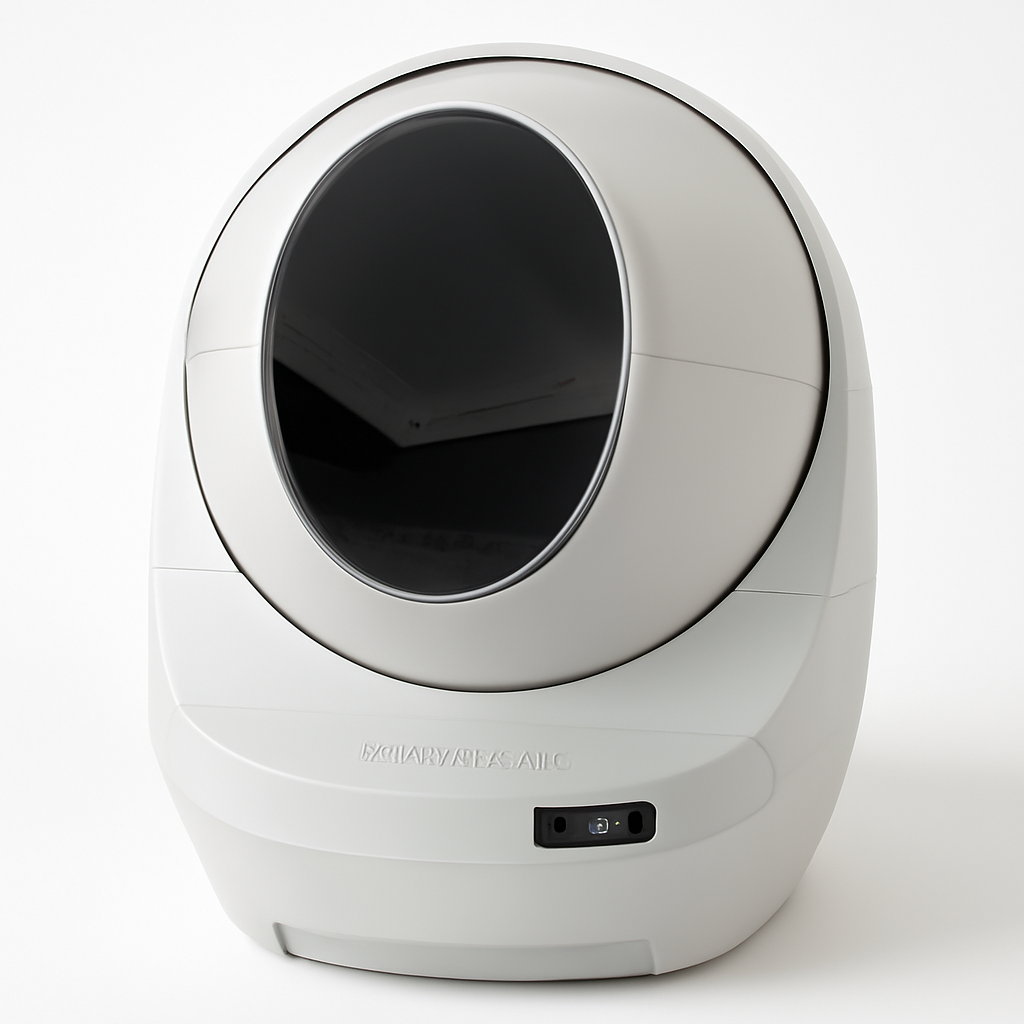
| Litter-Robot 4 | Best overall / self-cleaning | |
| PetSafe ScoopFree Crystal | Best budget automatic | |
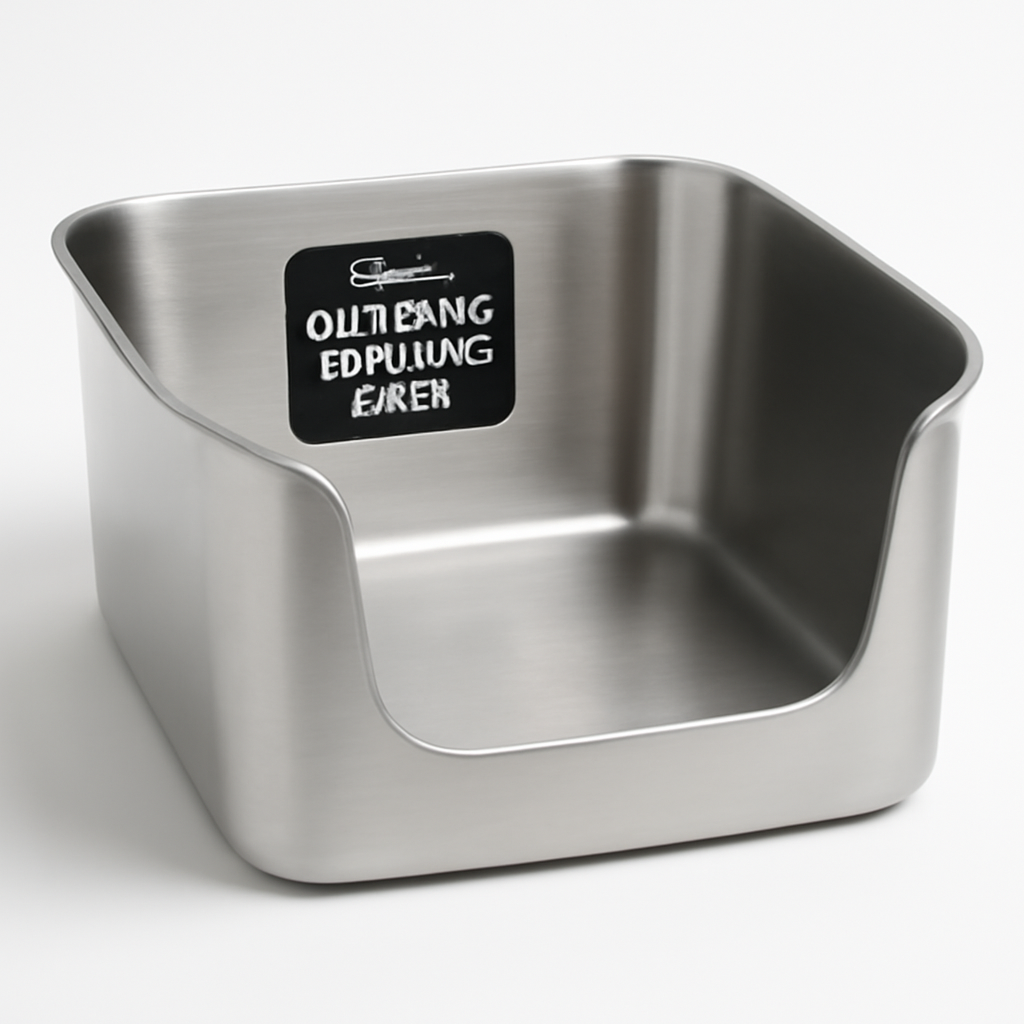
| iPrimio Ultimate Stainless Steel | Best open box / hygiene | |
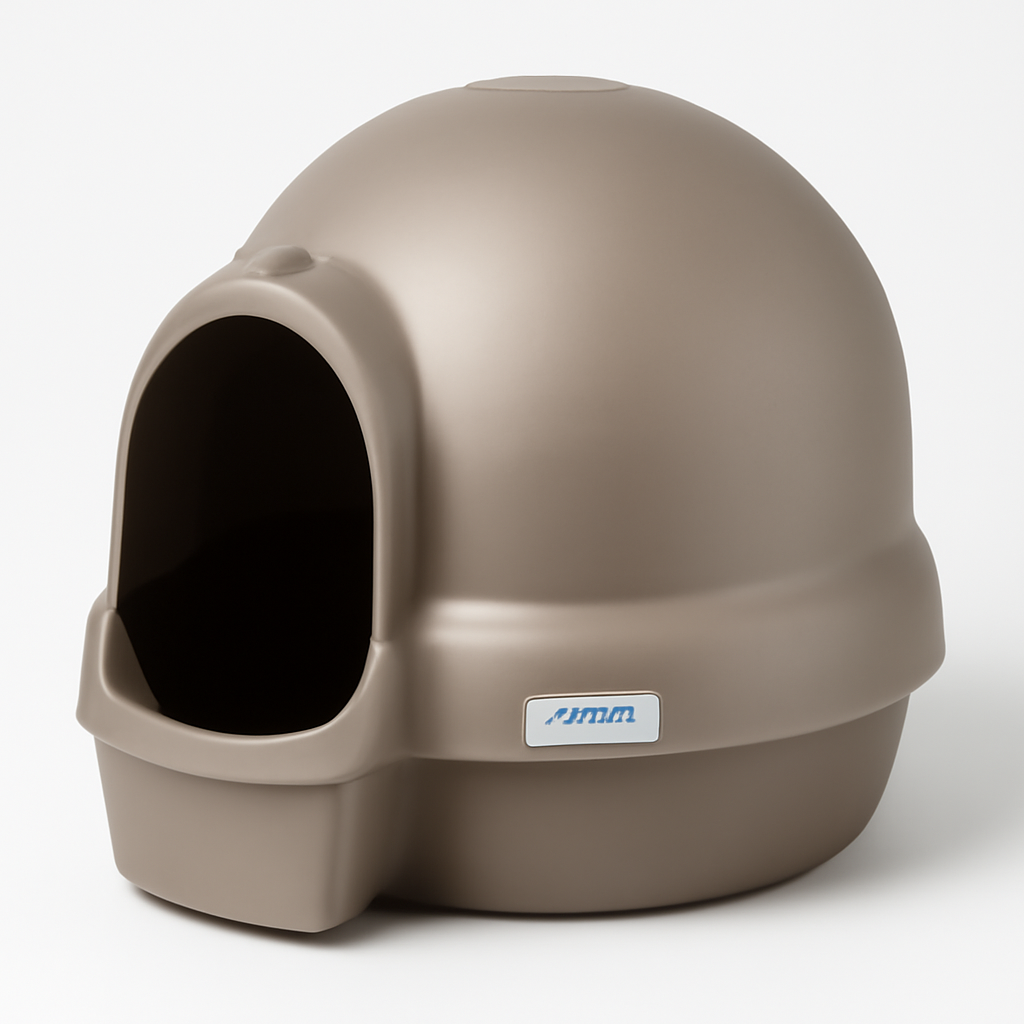
| Petmate Booda Dome | Best top-entry / odor | |
| Nature’s Miracle High-Sided | Best for litter scatter | |
| Catit Jumbo Hooded | Best covered value | |
| Modkat Flip | Best design / small spaces |
—
Top Litter Box Types: Open, Covered, Self-Cleaning & Top-Entry
Before comparing specific products, it helps to understand the four main styles — because the “best” box depends heavily on your cat’s personality and your living situation.
Open (Uncovered) Boxes
The classic pan. Cats generally love open boxes because they offer an unobstructed view of their surroundings — a big deal for animals that instinctively want to watch for threats while vulnerable. Open boxes are the cheapest and easiest to clean, but they do the least to contain odor and stray litter.
Best for: Multi-cat homes, senior cats, and cats that feel trapped in enclosed spaces.
Covered (Hooded) Boxes
A hood traps odor better and hides the contents from view, which many owners prefer aesthetically. The tradeoff: some cats dislike the enclosed feel, and covers can trap ammonia inside, which is unpleasant for the cat.
Best for: Owners prioritizing odor and mess control, in homes with confident cats.
Self-Cleaning (Automatic) Boxes
These use sensors and a rake or rotating mechanism to sift waste into a sealed compartment after each use. They dramatically reduce daily scooping and keep the litter bed consistently fresh — the biggest win for odor. The downsides are cost, occasional maintenance, and the fact that very small kittens or nervous cats may need time to adjust.
Best for: Busy owners, people who travel, and anyone who hates scooping.
Top-Entry Boxes
The cat jumps in through a hole in the lid. This design is excellent at containing litter scatter and blocking odor, and it deters dogs and toddlers from getting into the litter. It’s not ideal for older or arthritic cats who can’t jump.
Best for: Litter scatter problems, homes with dogs, and agile younger cats.
—
Key Features to Look For Before You Buy
Whatever type you choose, these are the features that separate a box you’ll love from one you’ll return.
– Adequate size — The box should be at least 1.5 times your cat’s body length. Undersized boxes are the #1 cause of “accidents” outside the box.
– High sides or a lip — Great for cats that dig enthusiastically or stand while they pee. Look for sides around 8+ inches where possible.
– Low entry point — Kittens and senior cats need a low lip on at least one side. Some open boxes offer a high back with a low front.
– Easy-clean material — Smooth, non-porous plastic (or stainless steel) resists odor absorption and scratching. Rough plastic holds smell over time.
– Odor management — Carbon filters, sealed waste drawers, or top-entry designs all help.
– Litter compatibility — Automatic boxes often require a specific litter type (clumping or crystal). Factor that ongoing cost in.
– Quiet operation — For automatic units, a quiet cycle keeps skittish cats comfortable.
—
Best Litter Box for Multi-Cat Households
The golden rule for multiple cats is one box per cat, plus one extra. Two cats means three boxes. But you can reduce that burden with the right high-capacity picks.
🏆 Litter-Robot 4 — Best Overall for Multiple Cats
The Litter-Robot 4 is our top choice for multi-cat homes because it cleans itself after every use, so the litter bed never gets overwhelmed. Its large globe accommodates multiple cats, and the companion app tracks each cat’s usage and alerts you when the drawer is full.
Pros:
– Self-cleans after each visit — no ammonia buildup
– App tracks individual cat weight and usage patterns
– Large sealed waste drawer reduces odor dramatically
– Quieter and more reliable than earlier generations
Cons:
– Premium price point
– Large footprint needs dedicated floor space
– Very small kittens should wait until they’re big enough for the sensors
iPrimio Ultimate Stainless Steel — Best Manual Option for Multiple Cats
If you’d rather scoop, buy several of these. Stainless steel never absorbs odor or stains, won’t scratch, and lasts essentially forever — a smart long-term buy when you need three or four boxes. The open design also keeps confident, territorial cats from feeling cornered.
Pros:
– Stainless steel resists odor and bacteria permanently
– No plastic to crack, stain, or hold smell
– Open design suits multi-cat social dynamics
Cons:
– Higher scatter than covered boxes
– No odor hood — relies on litter and frequent scooping
For homes tight on space, a pair of Nature’s Miracle High-Sided boxes offers tall walls that contain litter well while staying affordable.
—
Best Self-Cleaning Litter Boxes for 2026
Automatic boxes have come a long way, and 2026’s models are more reliable and quieter than ever.
Litter-Robot 4
The gold standard. Its rotating-globe mechanism sifts clumps into a sealed drawer, weight sensors prevent cycles while a cat is inside, and the app handles monitoring and alerts. It works with standard clumping litter, which keeps ongoing costs reasonable compared to proprietary-litter systems.
PetSafe ScoopFree Crystal
The best value in automation. It uses crystal (silica) litter that absorbs urine and dehydrates solid waste, then a rake sweeps into a covered trap. There’s no daily scooping and excellent odor control for the price. The tradeoff is the recurring cost of crystal litter trays and a smaller interior than the Litter-Robot.
Pros:
– Much lower upfront cost than globe-style robots
– Crystal litter is outstanding at odor control
– Simple, low-maintenance rake mechanism
Cons:
– Ongoing cost of proprietary crystal litter
– Tighter interior — best for one small-to-medium cat
– Less roomy for large or multiple cats
Buying tip: If you have one cat and want automation without the premium price, the ScoopFree is the sweet spot. If you have multiple cats or want app tracking, the Litter-Robot 4 justifies its cost.
—
Sizing, Placement, and Odor Control Tips
Even the best box underperforms if it’s the wrong size or in the wrong spot.
Sizing
– Choose a box at least 1.5× your cat’s length from nose to tail base.
– Large and long-bodied breeds (Maine Coons, Ragdolls) almost always need a jumbo box like the Catit Jumbo Hooded — standard boxes are too cramped.
– Fill litter 2–3 inches deep so cats can dig and cover properly.
Placement
– Put boxes in quiet, low-traffic areas where your cat won’t be startled mid-use.
– Keep boxes away from food and water — cats instinctively avoid eliminating near where they eat.
– In multi-level homes, place at least one box per floor.
– Avoid tucking a covered box into a tight corner where ammonia can’t dissipate.
Odor Control
– Scoop daily — no box, automatic or not, beats consistent removal of waste.
– Replace all litter and wash manual boxes weekly to biweekly.
– Use a quality clumping or crystal litter; cheap litter is a false economy.
– Consider a carbon filter or a top-entry design like the Petmate Booda Dome for extra containment.
– Replace plastic boxes every year or so — porous plastic eventually holds odor no matter how well you clean it. Stainless steel avoids this entirely.
—
Frequently Asked Questions About Cat Litter Boxes
How many litter boxes do I need?
The standard rule is one box per cat plus one extra. One cat = two boxes ideally; two cats = three boxes. More boxes reduce territorial stress and accidents.
Are self-cleaning litter boxes worth it?
For most busy owners, yes. They keep the litter bed consistently fresh, which controls odor better than manual scooping and reduces daily effort. The main downsides are upfront cost and occasional maintenance. If budget is tight or your cat is very skittish, a high-quality manual box works perfectly well.
Do cats prefer covered or uncovered litter boxes?
Most studies and behaviorists suggest cats lean toward open boxes because they can see their surroundings and don’t feel trapped. That said, plenty of cats use covered boxes happily. If your cat is avoiding a covered box, try removing the lid as a test.
What size litter box should I get?
Aim for at least 1.5 times your cat’s body length. When in doubt, go bigger — cramped boxes are one of the most common reasons cats stop using them.
Will an automatic box scare my cat?
It can at first. Introduce it gradually: run it with the cat out of the room initially so they get used to the noise, and keep the old box available during the transition. Most cats adapt within a week or two.
How do I stop litter from scattering everywhere?
Use a high-sided box like the Nature’s Miracle High-Sided, a top-entry design, or place a litter-trapping mat in front of the box. Longer-fiber mats catch granules as your cat exits.
How often should I replace the litter box itself?
Replace plastic boxes roughly once a year — they develop scratches that harbor bacteria and odor. Stainless steel boxes like the iPrimio Ultimate can last for years without absorbing smell.
—
Our Verdict
For most cat owners in 2026, the Litter-Robot 4 is the box worth stretching your budget for — it all but eliminates scooping, controls odor better than anything else we looked at, and scales beautifully to multi-cat homes with its per-cat tracking. It’s an investment, but it’s the one automatic box we’d trust to run reliably day after day.
If you want automation without the premium price, the PetSafe ScoopFree Crystal delivers excellent odor control for a single cat at a much friendlier cost. And if you prefer to keep things simple, the iPrimio Ultimate Stainless Steel is a buy-it-for-life open box, while the Petmate Booda Dome is our pick for owners who want a covered, scatter-fighting design at a reasonable price.
Match the box to your cat’s temperament and your daily routine, size it generously, keep it clean, and you’ll solve the litter problem for years — not just this week.
Prices change frequently — click through to check current pricing and availability before you buy.