Quick Answer
If you want smooth, less acidic coffee without the wait, a cold brew maker is your answer. The Toddy Cold Brew System is our top pick for reliability and simplicity, while the OXO Good Grips Cold Brew Maker wins for ease of use. Budget shoppers should look at the Takeya Cold Brew Bottle, and anyone making coffee for a crowd needs the Oxo Cold Brew Maker 2L.
—
What to Look for in a Cold Brew Coffee Maker
Cold brew isn’t complicated, but the right equipment makes all the difference. Here’s what actually matters when you’re choosing between the dozens of options out there.
Brewing Capacity
How much cold brew do you actually drink? If you’re a solo drinker, a 1-quart maker is plenty. If you’re serving a household or hosting, look for 2-quart or larger models. Keep in mind that cold brew concentrate means you won’t always need a huge container—a smaller maker can produce enough for several servings when you dilute it with water or milk.
Ease of Filtering
This is where cold brew makers vary wildly. Some use mesh filters you dunk in the finished brew. Others have built-in straining systems. A few use disposable filters (more convenient, slightly wasteful). The best systems let you separate grounds from liquid without mess or multiple steps. If you hate cleanup, prioritize this.
Material and Durability
You’ll use this thing for years if it’s good. Glass gives you visibility and doesn’t absorb flavors, but it’s breakable. Plastic is affordable and lightweight but can stain and degrade over time. Stainless steel is durable and keeps your brew cooler longer, though you can’t see what’s happening inside.
Lid and Sealing
A leaky cold brew maker is a nightmare—especially if you’re keeping it in the fridge. Look for airtight seals that actually perform. Screw-on lids are more reliable than snap-on designs.
Temperature Control (For Some Models)
A few premium models include temperature control for brewing at different temps. This is nice but not essential—cold water in your fridge does the job for free.
—
Best Overall Cold Brew Coffee Makers
Toddy Cold Brew System
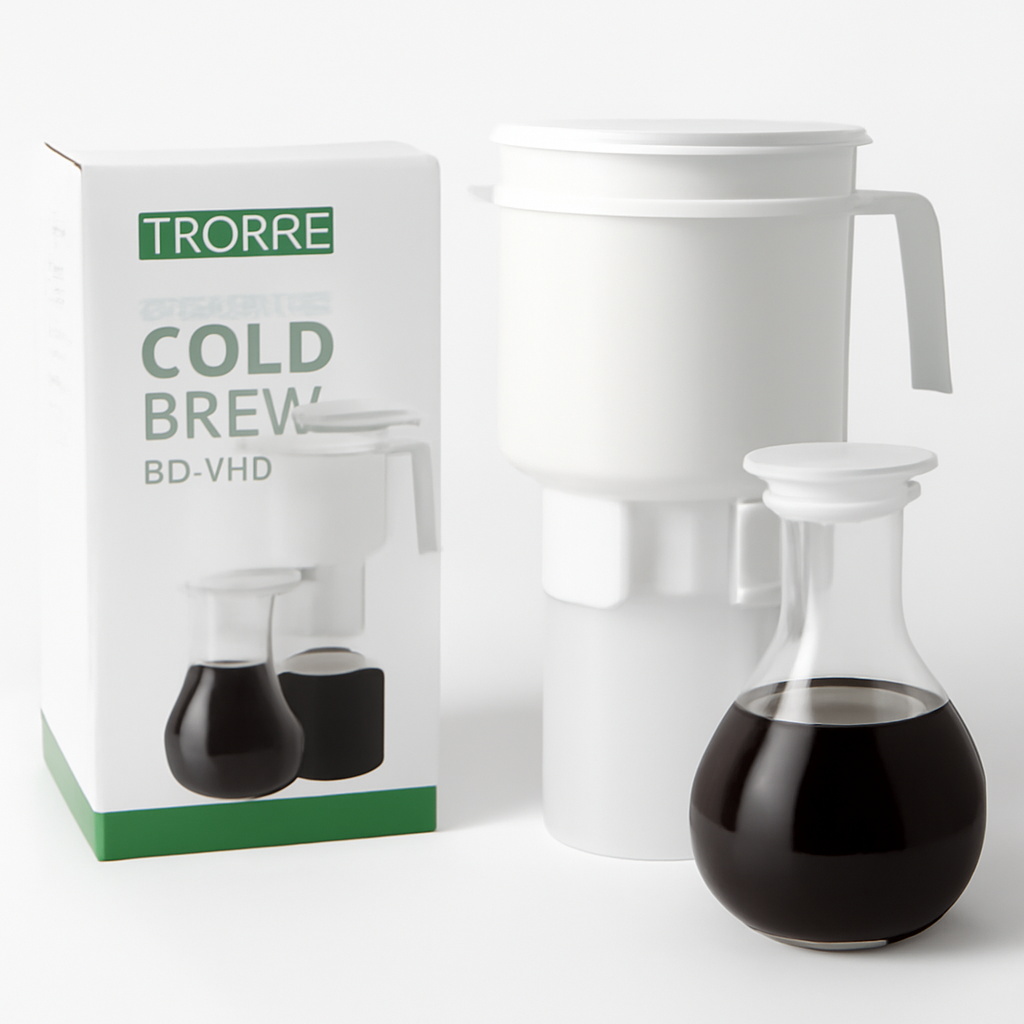
The Toddy has been around forever for a reason. It’s a simple glass carafe with a wood filter plug and mesh strainer. You fill it with coarse grounds and room-temperature water, wait 12 hours, then remove the filter plug and strain. That’s it.
Why it wins: The process is foolproof. The glass is durable. The price is fair. Thousands of people swear by this method, and once you understand it, you’ll understand why. It’s not fancy, but it works.
Pros:
– Simple, minimal parts
– Makes rich concentrate reliably
– Glass carafe is food-safe and never absorbs flavors
– Instructions are clear
– Affordable without feeling cheap
Cons:
– Requires an extra straining step (not difficult, just one more thing)
– Takes up fridge space
– No integrated filter system—you manage it separately
—
OXO Good Grips Cold Brew Maker
OXO designs kitchen tools with user experience in mind, and it shows here. This glass carafe has a built-in fine mesh filter basket and a flip-lock drain valve at the bottom. You load grounds into the basket, fill with water, wait, then open the valve and your concentrate drips directly into a cup.
Why it wins: Fewer steps, cleaner process, and you get concentrate without manually straining. The design removes the annoying parts of cold brew without overcomplicating it.
Pros:
– Integrated filter basket—no separate straining
– Drain valve makes serving clean and easy
– High-quality glass and stainless steel
– Takes up less space than competitors
– Looks nice on a shelf
Cons:
– More expensive than Toddy
– Small filter basket means you need to get the ratio right
– Drain valve can be slow (just patience required)
—
Budget-Friendly Cold Brew Options
Takeya Cold Brew Bottle
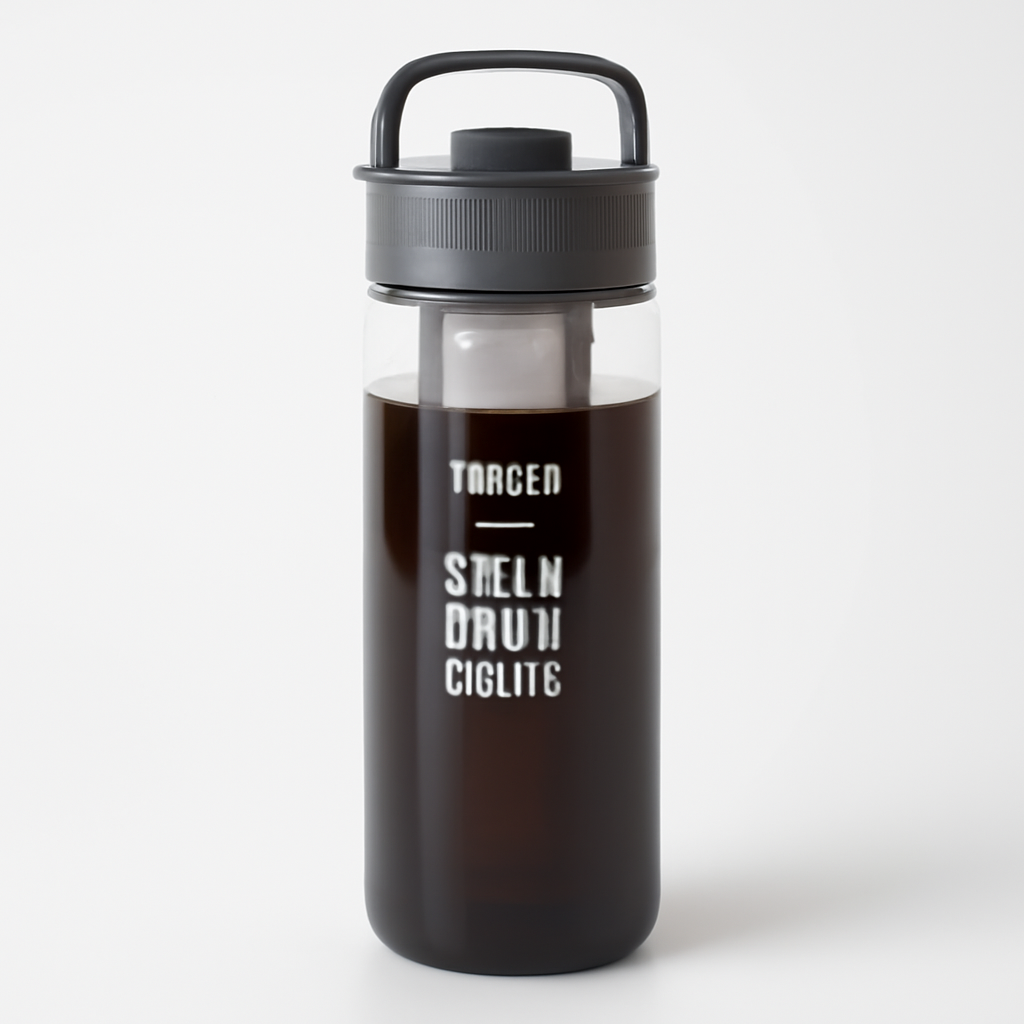
This is cold brew without pretension. It’s a simple BPA-free plastic bottle with a coarse mesh filter inside. Add grounds, add water, cap it, and refrigerate for 12 hours. The filter stays submerged while the bottle is sealed, then you serve directly from the bottle using the built-in spout.
Why it wins: If you’re making cold brew just for yourself, this costs half what you’d spend on a glass system and does the exact same job. Plus, the brewing vessel doubles as your serving vessel.
Pros:
– Genuinely affordable
– Lightweight and durable
– Brews and serves from the same bottle
– Filter stays inside during brewing (less mess)
– Comes in multiple sizes
Cons:
– Plastic can stain with time and darker roasts
– Less “premium” feeling than glass
– Filter is basic mesh—fine, but less refined than some competitors
—
Cold Brew Makers for Large Batches
Oxo Cold Brew Maker 2L
This is the scaled-up version of OXO’s excellent smaller model. The 2L capacity is serious volume—enough cold brew concentrate for a household for days, or to serve guests. It has the same flip-lock valve and integrated filter basket, just bigger.
Why it wins: If you’re a heavy cold brew user or serving multiple people, buying twice as much for one brewing cycle makes sense. The ratio stays the same, so the quality doesn’t suffer when you scale up.
Pros:
– Makes 4x the amount in one batch
– Same reliable OXO design
– Concentrate keeps in the fridge for weeks
– Better value per ounce than smaller models
– Integrated filter system at scale
Cons:
– Takes up significant fridge space
– If you only drink occasionally, this might be overkill
– Heavier when full (obvious, but worth noting)
—
Top Picks at a Glance
| Product | Best For | Price Range | Material |
| Toddy Cold Brew System | Simplicity and reliability | $20–$30 | Glass |
| OXO Good Grips Cold Brew Maker | Ease of use and design | $30–$45 | Glass + Stainless Steel |
| Takeya Cold Brew Bottle | Budget-conscious solo drinkers | $15–$25 | Plastic |
| Oxo Cold Brew Maker 2L | Large households and batch brewing | $35–$50 | Glass + Stainless Steel |
—
Glass vs. Plastic vs. Stainless Steel: Which Material Wins
Each material has a job.
Glass
Best for: People who plan to use their cold brew maker for years and want zero flavor absorption.
Glass is transparent (you see what’s brewing), neutral (it won’t taint flavor), and will outlast you if you don’t drop it. The downside? It breaks. And it’s heavier.
Glass makers like Toddy and OXO Good Grips are the premium choice for flavor purists. If cold brew is becoming your main coffee method, glass is worth the investment.
Plastic
Best for: Traveling, taking to the office, and casual users.
Modern BPA-free plastics are safe and lightweight. The downside is that dark roasts will stain over time, and some people feel plastic imparts a subtle taste (though this is controversial). Plastic also degrades slightly under UV light, so keeping it away from windows helps.
The Takeya is excellent plastic. If you’re denting your budget and don’t care about the aesthetics, plastic works fine.
Stainless Steel
Best for: Durability and keeping brew cooler.
Steel is nearly indestructible and insulating, which can keep your brew at an ideal temperature slightly longer. The catch? You can’t see inside, so you’re brewing somewhat blind. And if the interior coating degrades (rare but possible), you’ll want a replacement.
Few cold brew makers are fully stainless, though most premium models use it for components.
The Verdict: Glass > Plastic for flavor and longevity. Plastic wins for casual users and portability. Steel is the dark horse—durable but less transparent (literally).
—
How to Use and Maintain Your Cold Brew Maker
Cold brew is dead simple once you understand the process. Here’s the actual workflow:
Basic Cold Brew Process (12-Hour Method)
1. Add coarse grounds (use a 1:4 or 1:5 coffee-to-water ratio; 1 cup grounds to 4–5 cups water is a good starting point)
2. Add cold water (filtered water produces better results)
3. Stir gently to saturate all grounds
4. Cap and refrigerate for 12 hours (12–24 is fine; overnight is easiest)
5. Strain and serve (either using your maker’s built-in system or a separate strainer)
6. Dilute with water, milk, or ice (concentrate is strong; 1 part concentrate to 1 part water/milk is typical)
Maintenance Tips
After each brew:
– Empty used grounds immediately (don’t let them sit)
– Rinse the filter basket or strainer thoroughly
– Wash the carafe with warm soapy water
Weekly:
– Run a hot water rinse through all components
– If using Toddy, soak the wooden filter plug briefly (keeps it from warping)
Monthly:
– For stubborn residue, mix equal parts white vinegar and water, let sit for 15 minutes, then rinse
– Inspect seals and lids for cracks or degradation
Storage:
– Keep your maker clean and dry between brews
– Store in a cool place away from direct sunlight
– If glass, store in a cabinet to prevent chips
—
Cold Brew Coffee Maker Buying Guide: FAQs
How long does cold brew concentrate last?
Cold brew concentrate keeps in the fridge for 2–3 weeks when properly sealed. Some people say a month is fine; to be safe, use within 21 days. The lack of heat means it stays fresher longer than hot brewed coffee.
Can I use any coffee for cold brew?
Technically yes, but use coarse grounds. Finely ground coffee will over-extract and taste bitter, and fine particles get harder to filter. Buy whole beans and ask your roaster to grind them coarse, or use a grinder set to a coarse setting.
How much caffeine is in cold brew?
Cold brew concentrate has more caffeine than hot coffee (ounce for ounce) because you’re steeping longer. However, most people dilute it 1:1 with water or milk, which brings the per-ounce caffeine closer to regular coffee. A 12 oz serving of diluted cold brew has roughly 150–240 mg of caffeine depending on the concentration you make.
Is cold brew less acidic?
Yes. The cold-water steeping process extracts fewer oils and acids compared to hot water. If you have a sensitive stomach, cold brew is often easier to drink. This isn’t about the coffee’s acidity level per se—it’s about which compounds make it into your cup.
Do I need to refrigerate while brewing?
No. Cold brew is literally room-temperature water + grounds sitting for 12 hours. You can brew on your counter. Most people refrigerate because it’s convenient (brew at night, drink by morning) and slightly faster extraction happens at cool temps, but it’s not required.
What’s the difference between cold brew and cold drip?
Cold brew steeps grounds in static water for hours. Cold drip (or Dutch coffee) slowly drips cold water through grounds like a reverse hot brewer. Cold drip is faster (2–4 hours) and more hands-on. For simplicity, cold brew is easier. Cold drip produces a slightly different flavor profile that some people prefer.
Can I make cold brew in a regular jar?
Absolutely. You don’t need a specialized cold brew maker. A mason jar, a cheesecloth, and patience work fine. The advantage of a dedicated maker is convenience (better filtering, easier serving) and durability (a broken mason jar is a mess). But if you’re testing whether you like cold brew before investing, a jar is smart.
How fine should the filter be?
Cold brew filters should be coarse mesh or cheesecloth, not fine. Fine filters clog and slow your drain. You’re not trying to catch every particle—some sediment is normal and fine. OXO and Toddy both use appropriately coarse filters.
Is cold brew worth the 12-hour wait?
If you like smooth coffee without much acidity, yes. If you love the brightness of hot coffee, probably not. Cold brew is mellower and creamier, which some people adore and others find flat. Try it before committing to a maker.
—
Our Verdict
For most people: OXO Good Grips Cold Brew Maker
It’s the sweet spot of reliability, ease, and design. The integrated filter system removes the manual straining step that trips up beginners, and the quality is obvious. If you’re starting cold brew in 2026 and want a maker that’ll last years without fuss, this is it.
If you want the absolute simplest method: Toddy Cold Brew System
Proven design, minimal parts, foolproof process. It’s cheaper and just as good if you don’t mind an extra straining step. Thousands of dedicated cold brew drinkers use Toddy and won’t switch.
If you’re on a tight budget: Takeya Cold Brew Bottle
It does the job at a fraction of the price. Plastic stains over time and feels less premium, but the actual cold brew it produces is identical to expensive models. If you’re unsure whether cold brew is for you, start here.
If you brew for a household: Oxo Cold Brew Maker 2L
One batch every 3–4 days instead of every 1–2 days saves time and fridge real estate (counterintuitively, a bigger maker is more efficient). Same great OXO design, just scaled.
—
Final Thoughts
Cold brew is genuinely better than just leaving coffee in the fridge, and it’s less fussy than people think. Pick a maker that matches your use pattern—solo vs. household, budget vs. premium, simplicity vs. features—and you’ll be drinking smooth, less-acidic coffee regularly.
The best cold brew maker is the one you’ll actually use. That’s usually the one that fits your budget, your fridge space, and your tolerance for cleanup. Start there, and you’ll figure out what works.