Quick Answer
If you need a harness right now: The Ruffwear Front Range All-Day Adventure Harness offers the best balance of comfort, durability, and control for most dogs. Want something for pulling? Try the Easy Walk No-Pull Harness. Got a small breed? The Puppia Soft Harness wins on comfort and style.
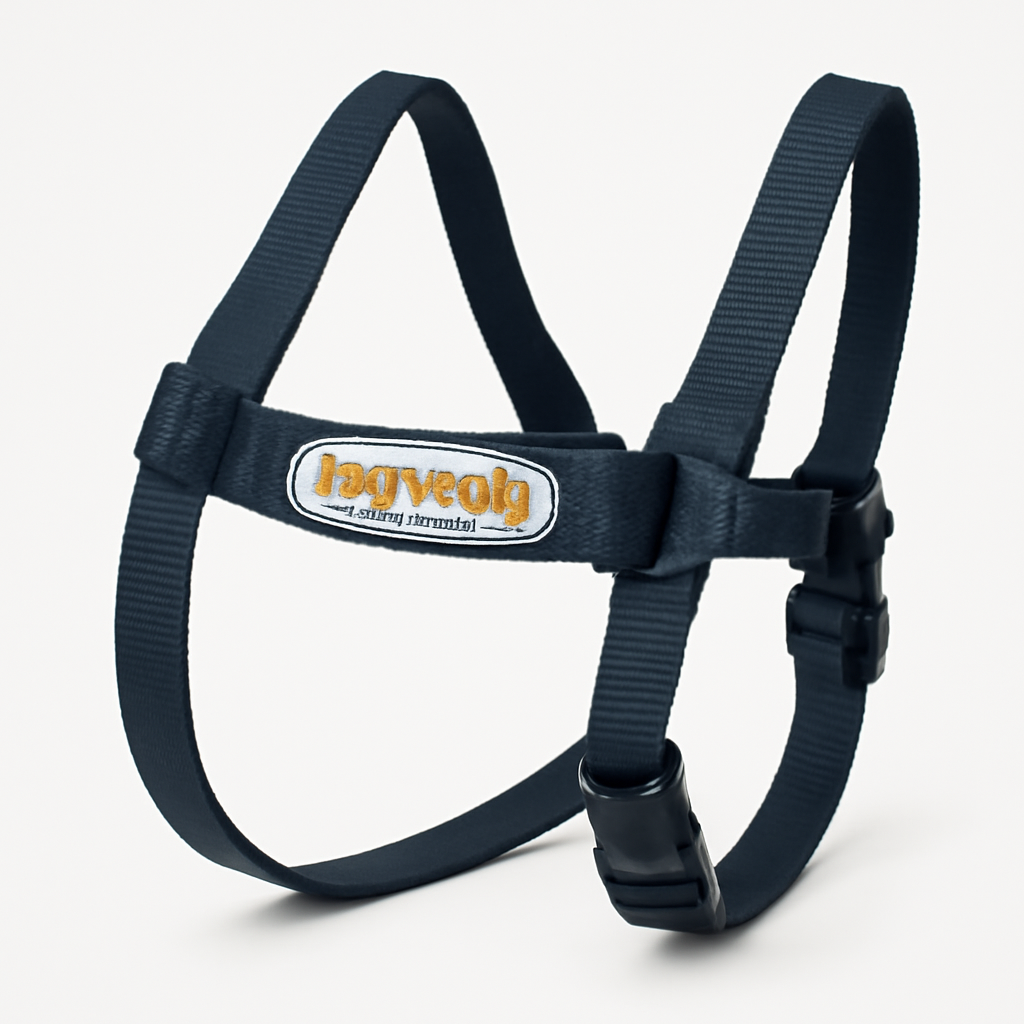
But if you’re buying a harness in 2026, you’ve probably noticed the market has exploded. There are dozens of options, and picking the “best” one depends entirely on your dog’s size, behavior, and what you’ll actually use it for.
This guide cuts through the noise and shows you exactly which harnesses earn top ratings for good reason—and which ones to skip.
—
What Makes a Dog Harness Best Rated?
Before we get into specific products, let’s talk about what actually matters when a harness earns consistent positive reviews and ratings.
Best rated harnesses share these qualities:
– Proper weight distribution — Spreads pressure across the chest and shoulders, not the neck
– Escape-proof design — Your dog can’t slip out (this matters way more than you’d think)
– Easy on/off — You’ll use it more if it’s not a five-minute wrestling match
– Adjustable fit — Because dogs come in weird shapes and your pup might fluctuate in weight
– Quality materials — Won’t fall apart after 3 months of regular use
– Good control — Whether you need steering help or just want to prevent pulling
– Comfort — Your dog should actually want to wear it, not act like you’re torturing them
The best rated harnesses in 2026 nail most or all of these. The mediocre ones fail at 2-3 of them, which is why they collect frustrated one-star reviews.
—
Top 5 Best Rated Dog Harnesses for 2026
1. Ruffwear Front Range All-Day Adventure Harness
Why it’s best rated: This is the harness that shows up in almost every “best of” list for a reason. It’s built for active dogs and real-world use.
Key features:
– Dual attachment points (front and back clips)
– High-quality nylon construction with reinforced stitching
– Padded chest plate that doesn’t dig in
– Multiple sizing options for dogs 10-130 lbs
– Available in multiple colors
What owners love:
– Genuinely escape-proof (critical for escape artists)
– Comfortable enough for all-day wear
– Control without choking
– Holds up to years of heavy use
What to watch:
– Higher price point than basic options
– Takes a bit to dial in the perfect fit on first use
– Not ideal if you need maximum pulling control (it’s a balance, not a no-pull)
Best for: Active dogs, long hikes, general-purpose daily use, dogs that tend to slip out of harnesses.
—
2. Easy Walk No-Pull Harness
Why it’s best rated: If your dog pulls hard enough to make walks miserable, this harness actually changes the game. It redirects forward pulling into a turn-toward-you motion.
Key features:
– Front-clip design that reduces pulling by 60%+ according to user feedback
– Soft padding on chest and sides
– Two-snap adjustment system (easy to adjust)
– Recommended by veterinarians and trainers
– Available for small to large breeds
What owners love:
– Genuinely reduces pulling (not just claims to)
– Takes pressure off the neck
– Affordable compared to premium options
– Easy to put on once you get the hang of it
What to watch:
– Not ideal for calm dogs (no real benefit)
– Some dogs take a week to adjust to the front-clip sensation
– Material isn’t quite as durable as Ruffwear for extreme chewers
Best for: Dogs that pull constantly, leash reactivity, dogs you want to train out of pulling behavior.
—
3. Puppia Soft Harness
Why it’s best rated: Small dog owners rave about this one. It’s lightweight, cute, and actually comfortable for toy breeds that other harnesses swallow.
Key features:
– Ultra-lightweight vest-style design
– Soft, breathable mesh materials
– Available in XS-L sizes (perfect for Chihuahuas to smaller Labs)
– Comes in dozens of colors and patterns
– Fully adjustable with velcro and buckles
What owners love:
– Small dogs actually want to wear it (no fuss)
– Doesn’t interfere with movement
– Washable (throw it in the machine)
– Great aesthetics—actually looks good in photos
What to watch:
– Not built for large powerful breeds
– Less durable for aggressive chewers
– Minimal control for heavy pullers (it’s comfort-focused, not control-focused)
Best for: Small breeds, toy dogs, sensitive dogs, fashion-forward owners, short daily walks.
—
4. Kong Comfort Harness
Why it’s best rated: The sweet spot between price and quality. Kong has been making pet products for decades, and this harness reflects that expertise.
Key features:
– Adjustable padded harness vest
– “Comfort loop” handle on back for control
– Wide straps that distribute weight well
– Durable nylon with reinforced seams
– Sizes from extra small to extra large
What owners love:
– Solid durability without the premium price tag
– The grab handle is genuinely useful
– Good balance of comfort and control
– Fits wider variety of dog body shapes
What to watch:
– Not quite as refined as Ruffwear
– Back clip only (no front option)
– Material wears faster than top-tier options
Best for: Budget-conscious buyers, dogs with varied body shapes, owners who want a grab handle.
—
5. Blue-9 Balance Harness
Why it’s best rated: This one has a cult following among dog trainers and behavioral professionals. It’s specifically designed to work with natural dog movement.
Key features:
– Biomechanically designed for natural gait
– Available in two styles (standard and sz)
– Dual attachment points (front and back)
– High-quality webbing and stitching
– Sizing for dogs 25-125 lbs
What owners love:
– Dogs move more naturally compared to other harnesses
– Training-friendly design
– Professional-grade durability
– Recommended by force-free trainers
What to watch:
– Steeper learning curve for proper fitting
– Fewer size options than some competitors
– Less beginner-friendly than simpler designs
Best for: Working dogs, service dog training, owners who want biomechanically sound design, trainers.
—
Top Products at a Glance
| Product | Best For | Price Range |
| Ruffwear Front Range | Active dogs, all-day use | $60-75 |
| Easy Walk No-Pull | Pullers, training focus | $25-35 |
| Puppia Soft Harness | Small breeds, comfort | $20-30 |
| Kong Comfort Harness | Budget pick, varied breeds | $30-45 |
| Blue-9 Balance Harness | Training, natural movement | $40-60 |
—
Harness Types: Finding the Right Fit for Your Dog
Not all harnesses are created equal. There are actually distinct types, each designed for different purposes.
Back-Clip Harnesses
How they work: Single attachment point on the dog’s back.
Pros:
– Simple, intuitive design
– Good for calm, well-behaved dogs
– Minimal neck pressure
Cons:
– Doesn’t discourage pulling
– Less control over direction
– Can sometimes swing around on active dogs
Best for: Calm dogs, elderly dogs, dogs already trained to walk nicely.
—
Front-Clip (No-Pull) Harnesses
How they work: Attachment point on the chest. When the dog pulls forward, the harness turns them back toward you.
Pros:
– Dramatically reduces pulling
– Redirects behavior without pain
– Great for training
Cons:
– Takes adjustment period for some dogs
– Not ideal if your dog doesn’t pull (unnecessary complexity)
– Sometimes feels awkward initially
Best for: Dogs that pull hard, training scenarios, owners with less upper-body strength.
—
Dual-Clip Harnesses
How they work: Attachment points on both front and back.
Pros:
– Maximum versatility
– Can switch between control (front) and stability (back)
– One harness covers multiple needs
Cons:
– More complex design
– Slightly more expensive
– Overkill for some situations
Best for: Multi-purpose use, changing needs, training and casual walking.
—
Vest-Style Harnesses
How they work: Full-body coverage that looks more like a vest than traditional harnesses.
Pros:
– Very comfortable for sensitive dogs
– Excellent weight distribution
– Often look better aesthetically
Cons:
– Bulkier, sometimes too warm
– Harder to get on/off
– Often more expensive
Best for: Sensitive dogs, small breeds, aesthetic preference, all-day comfort.
—
Safety Features Every Best Rated Harness Should Have
When you’re reading reviews of highly-rated harnesses, look for these non-negotiable safety elements:
Padded Construction
Bare nylon against skin causes rubbing and chafing. The best rated harnesses have padding in contact points (chest, shoulders, sides).
What to look for: At least ½ inch of padding on high-pressure areas. Some premium options have 1+ inches.
Escape-Proof Design
This is where cheapo harnesses fail spectacularly. You take your dog out, turn around, and they’ve backed out of the harness.
What to look for:
– Multiple adjustment points (not just one strap)
– Gusseted construction (material sewn on sides, not just pulled tight)
– Test reviews mentioning “houdini dogs” or escape artists
Reflective Elements
For early morning and evening walks, visibility matters.
What to look for: Reflective threading or patches, especially on the sides and back.
Weight-Appropriate Design
A harness rated for 10-30 lbs shouldn’t be used on a 60 lb dog. The worst-rated harnesses fail because they’re undersized.
What to look for: Clear sizing guides (measured by weight AND chest girth). Legitimate manufacturers provide both.
Quality Hardware
Plastic buckles break. Metal attachment points rust. Good harnesses use reinforced plastic or stainless steel hardware.
What to look for: Test reviews mentioning durability after 6+ months of use.
—
How to Measure Your Dog for the Perfect Harness
This is where tons of people mess up. They buy a harness online and it doesn’t fit because they eyeballed the size.
Step 1: Measure Chest Girth
Use a soft measuring tape (or a string, then measure the string with a ruler).
– Place the tape around the widest part of your dog’s rib cage
– Keep the tape snug but not tight—you should fit one finger between the tape and chest
– Record the measurement in inches
Step 2: Measure Neck Girth
For harnesses that have a neck loop:
– Measure around the base of the neck
– Again, keep it snug with one-finger room
– Record the measurement
Step 3: Weigh Your Dog
Stand on a scale with your dog, then subtract your weight. Or use your vet’s scale.
Step 4: Compare to Manufacturer Size Charts
This is critical: Don’t use “small,” “medium,” “large.” Use the actual measurements.
For example, Ruffwear Front Range sizes:
– XS: 9.5-15 in chest, 5-10 lbs
– SM: 12-18 in chest, 10-20 lbs
– MD: 16-23 in chest, 20-55 lbs
If your dog measures 17 inches chest, they fit SM or MD depending on the brand’s overlap.
Step 5: Check the Return Policy
Even if you measure correctly, some dogs are built weird. Wide chests, deep chests, short backs, long backs—dogs come in strange shapes.
The best-rated harnesses have good return policies because the manufacturers know fit is important.
—
Best Rated Harnesses by Dog Size and Breed
Different dogs need different harnesses. Here’s what works for different categories:
Tiny Breeds (Under 10 lbs)
Chihuahuas, Yorkies, Pomeranians, Toy Poodles
Best choice: Puppia Soft Harness
– Lightweight enough not to weigh them down
– Available in true XS sizes
– Comfortable for lap-sized dogs that won’t get aggressive use
Alternative: Kong Comfort Harness (Extra Small)
—
Small Breeds (10-25 lbs)
Beagles, Corgis, Cocker Spaniels, Miniature Pinschers
Best choice: Easy Walk No-Pull Harness if they pull, Ruffwear Front Range if they don’t
– Both have proper small sizing
– Easy Walk’s pulling correction works well for this size range
– Ruffwear’s durability suits active small breeds
—
Medium Breeds (25-55 lbs)
Labs, Cocker Spaniels, English Springers, Golden Retrievers, Border Collies
Best choice: Ruffwear Front Range All-Day Adventure Harness
– This is where Ruffwear shines
– Great for active medium-sized dogs
– Dual clips offer maximum versatility
Alternative: Blue-9 Balance Harness for training-focused owners
—
Large & Extra-Large Breeds (55-130+ lbs)
German Shepherds, Great Danes, Mastiffs, Saint Bernards
Best choice: Ruffwear Front Range
– Rated for dogs up to 130 lbs
– Heavy-duty construction needed for large dog power
– Dual clips give control options
Alternative: Kong Comfort Harness (widely available in XL/XXL sizes)
—
Breeds with Pulling Issues
If you have a breed known for being a pulling machine (Huskies, Labs, Malamutes):
Best choice: Easy Walk No-Pull Harness
– Specifically designed for this problem
– The redirecting motion works better than back-clip training alone
– Veterinarian-recommended for strong pullers
—
Senior & Arthritic Dogs
If your dog is older and movement quality matters:
Best choice: Blue-9 Balance Harness or Ruffwear Front Range
– Biomechanically designed
– Excellent weight distribution
– Won’t restrict natural movement
—
Durability and Material Comparison
This is where best-rated harnesses separate from the rest. A $20 harness might work for 3 months. A properly rated one works for years.
Material Breakdown
Nylon
– Most common material in harnesses
– Durable if thick enough (1000D+ is good)
– Can wear in high-friction areas
– Best brands: Ruffwear, Kong, Blue-9 all use quality nylon
Polyester Blend
– Often softer than pure nylon
– Good balance of comfort and durability
– Popular in vest-style harnesses
– Common in: Puppia, some Kong models
Reinforced Stitching
– The difference between 1 year and 5 years of life
– Best harnesses use bar-tacking and double stitching
– Check product photos for visible stitching quality
Durability Expectations by Price Range
Budget ($15-30)
– 6-18 months of regular use
– Adequate for light use or calm dogs
– Plastic hardware may fail
– Example: Basic Easy Walk models
Mid-Range ($30-60)
– 2-4 years of regular use
– Better materials and stitching
– Reliable for most situations
– Examples: Kong, standard Ruffwear
Premium ($60-100+)
– 4-7+ years of regular use
– Reinforced everything
– Designed for professional/daily use
– Examples: Premium Ruffwear, Blue-9, specialized models
Testing Harness Durability
When reading reviews, look for comments mentioning:
– How long they’ve owned it
– How often they use it