# Best Dog Supplements 2026 | Complete Buyer’s Guide
Quick Answer
Dog supplements support your pet’s joints, digestion, skin, and brain health—areas where diet alone often falls short. The best choices depend on your dog’s age, size, and specific health concerns. Start with joint support if your dog is older or large-breed, digestive aids if they have stomach issues, or omega-3s for skin/coat problems. Always consult your vet before introducing new supplements, and choose products with third-party testing to ensure quality.
—
What Are Dog Supplements and Why Does Your Pet Need Them?
Dog supplements are concentrated forms of vitamins, minerals, herbs, and other nutrients designed to fill nutritional gaps in your dog’s regular diet. Even high-quality dog food may not provide optimal levels of certain compounds—especially joint-supporting glucosamine, omega-3 fatty acids, or probiotics for digestive health.
Your dog might benefit from supplements if they:
– Are aging and experiencing joint stiffness or cognitive decline
– Have digestive issues like gas, loose stools, or food sensitivities
– Struggle with skin or coat quality (dull fur, excessive shedding, itching)
– Have been diagnosed with specific health conditions (arthritis, allergies, anxiety)
– Are highly active or athletic and need extra joint/muscle support
It’s important to understand that supplements aren’t replacements for proper nutrition or veterinary care. Instead, they work alongside good food and medical treatment to optimize your dog’s health.
—
Top Dog Supplements for Joint Health and Mobility
Joint problems are one of the most common reasons dog owners turn to supplements. Large breeds, senior dogs, and athletic dogs are particularly prone to joint wear, cartilage degradation, and arthritis.
Key Ingredients for Joint Support
– Glucosamine: Supports cartilage structure and reduces inflammation
– Chondroitin: Works with glucosamine to maintain joint fluid and cushioning
– MSM (Methylsulfonylmethane): Reduces inflammation and supports collagen
– Hyaluronic acid: Lubricates joints and maintains synovial fluid
– Green-lipped mussel: Natural source of omega-3s and joint-supporting compounds
Best Joint Supplements for Dogs
Nutramax Cosequin Maximum Strength [CHECK PRICE]
This veterinarian-formulated joint supplement combines glucosamine and chondroitin to support cartilage health. It’s one of the most researched and widely recommended supplements by vets. Available in capsule, tablet, and soft chew forms, making it easy to administer to dogs of all sizes.
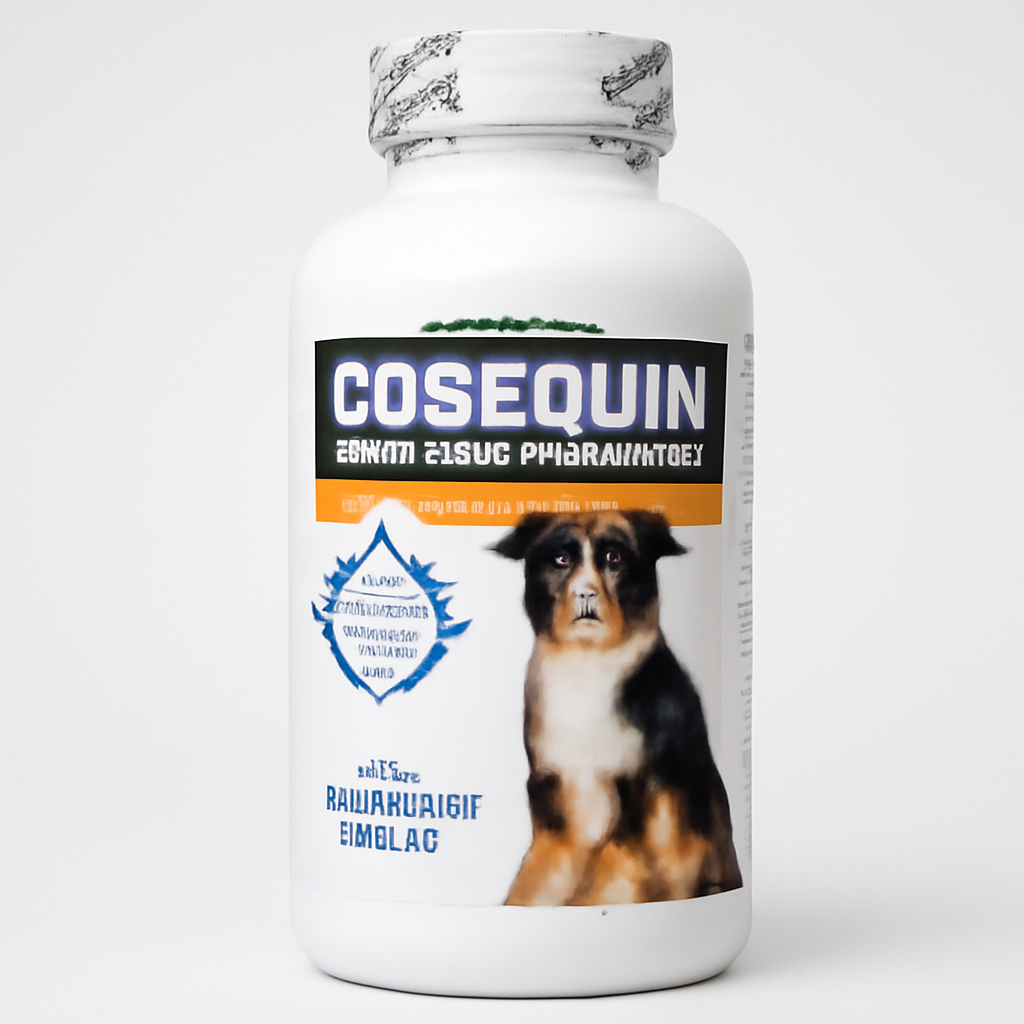
– Best for: Older dogs, large breeds, dogs with early-stage arthritis
– Active ingredients: Glucosamine HCl, chondroitin sulfate
– Form options: Capsules, soft chews, tablets
Zesty Paws Hip and Joint Soft Chews [CHECK PRICE]
A more palatable option that dogs actually enjoy eating. Contains glucosamine, chondroitin, turmeric, and green-lipped mussel. The soft chew format means no pill-pushing required, and many dogs treat them like training treats.
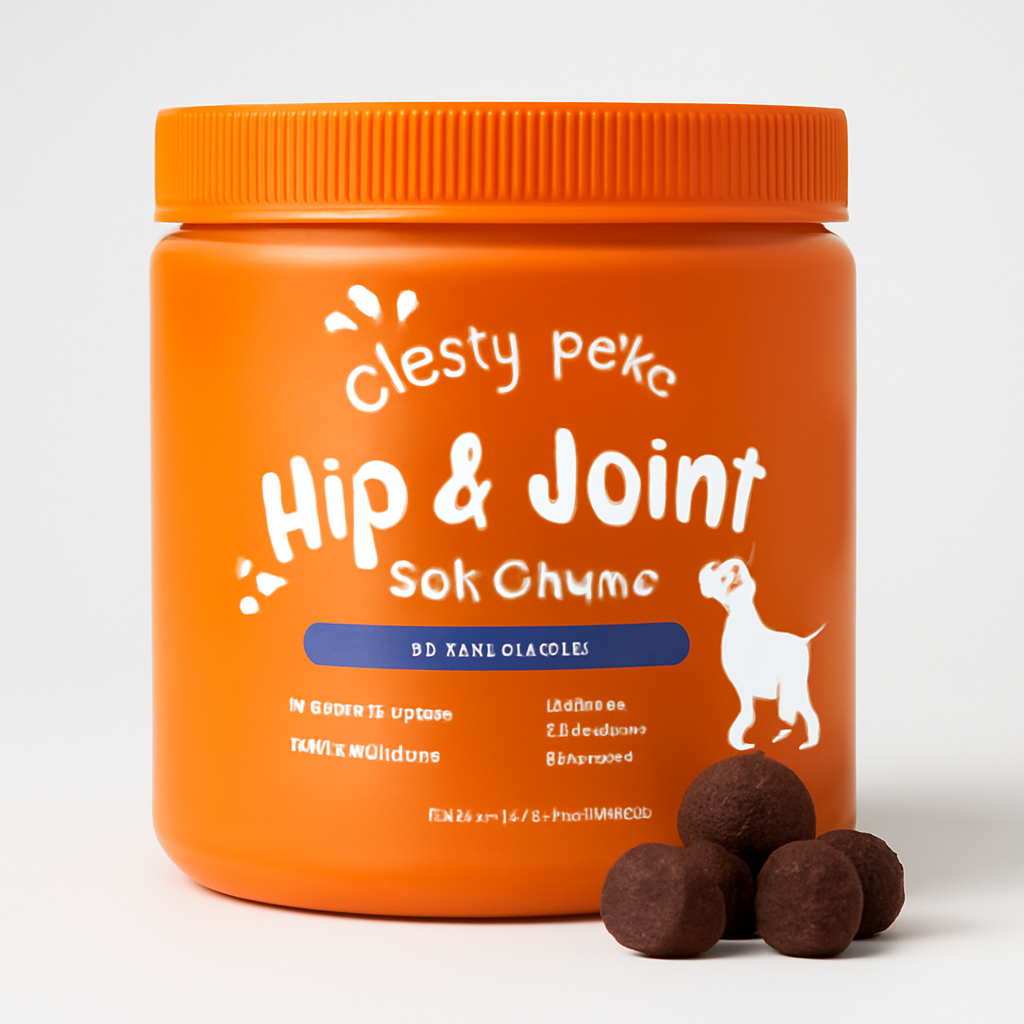
– Best for: Dogs resistant to pills, dogs needing better taste compliance
– Special features: Includes curcumin for anti-inflammatory benefits
– Flavor: Duck flavored
Vetprof Advanced Orthopedic Complex [CHECK PRICE]
This premium option includes not just glucosamine and chondroitin, but also MSM, hyaluronic acid, and fish oil. It’s more comprehensive than entry-level supplements and targets multiple angles of joint health.
– Best for: Dogs with moderate to severe joint issues, multi-symptom support
– Unique components: MSM, hyaluronic acid, omega-3s
– Dosing: Twice daily
Joint Supplements Comparison Table
| Product | Best For | Form | Price Range |
| Nutramax Cosequin Max Strength | Arthritis prevention, large breeds | Capsules/chews/tablets | $20–$50/month |
| Zesty Paws Hip & Joint | Picky eaters, younger preventative use | Soft chews | $15–$30/month |
| Vetprof Advanced Orthopedic | Comprehensive joint care, senior dogs | Powder/tablets | $35–$60/month |
—
Digestive Health Supplements for Dogs
A healthy gut is the foundation of overall wellness. Dogs with sensitive stomachs, food allergies, or irregular digestion benefit significantly from targeted digestive support.
Why Digestive Supplements Matter
Dogs can develop digestive issues for many reasons: dietary changes, stress, food sensitivities, aging, or underlying conditions like IBD (inflammatory bowel disease). Probiotics and digestive enzymes help restore the balance of beneficial bacteria and improve nutrient absorption.
Best Digestive Supplements
Pedigree Pro Probiotics [CHECK PRICE]
A straightforward probiotic formulation with multiple beneficial bacterial strains designed specifically for canine digestive health. It’s unflavored powder that mixes easily into food, making it invisible to even finicky eaters.
– Best for: Dogs with loose stools, dietary transitions, general gut health
– Probiotic strains: Multiple canine-specific beneficial bacteria
– Format: Powder (easy to mix into wet food)
Zesty Paws Probiotics & Prebiotics Bites [CHECK PRICE]
These chewable treats combine probiotics with prebiotic fiber to feed beneficial bacteria. They’re particularly useful for dogs recovering from antibiotic courses, which can deplete healthy gut flora.
– Best for: Post-antibiotic recovery, prebiotic + probiotic combo
– Includes: Prebiotics, probiotics, digestive enzymes
– Taste: Chicken flavored
FortiFlora Canine Nutritional Supplement [CHECK PRICE]
A veterinary-grade probiotic powder with the specific strain Enterococcus faecium. It’s often recommended by vets for digestive upset and has strong clinical backing.
– Best for: Prescription-level digestive support, diarrhea management
– Strain specificity: Single, clinically studied strain
– Veterinary endorsed: Frequently prescribed by vets
Digestive Support Pros and Cons
| Aspect | Probiotics | Digestive Enzymes |
| Best for | Gut flora balance, post-antibiotic | Nutrient absorption, food sensitivities |
| Works best when | Taken consistently over weeks | Taken with each meal |
| Side effects | Minimal; may see temp. stool changes | Rare; stomach upset if excess |
| Cost | $15–$40/month | $20–$50/month |
—
Skin and Coat Enhancement Products
Dull, itchy, or shedding skin is often a sign of nutritional gaps—particularly omega-3 and omega-6 fatty acids, zinc, and biotin.
Why Skin and Coat Supplements Work
Fish oil and other omega-3 sources reduce inflammation, support skin barrier function, and promote shiny fur. When combined with biotin and zinc, results become visible within 4–8 weeks.
Top Skin and Coat Supplements
Omega-3 Fish Oil for Dogs [CHECK PRICE]
A foundational supplement in any skin-supporting routine. Quality fish oil provides EPA and DHA, two omega-3s that reduce inflammation and support skin health. Liquid formulas allow for easy dosing and fast absorption.
– Best for: Itchy skin, dull coats, inflammation reduction
– Active components: EPA and DHA (look for products with specific mg amounts)
– Format options: Liquid, capsules, or infused chews
Nutramax Welactin Liquid [CHECK PRICE]
A concentrated omega-3 supplement in liquid form that mixes easily into food. Contains fish oil optimized for canine health with proper EPA/DHA ratios.
– Best for: Dogs with allergies or itching, coat quality improvement
– Dosing advantage: Easy to adjust portions for different dog sizes
– Format: Pump bottle (portion control)
Zesty Paws Omega-3 Skin & Coat Soft Chews [CHECK PRICE]
Combines omega-3s with biotin, coconut oil, and other coat-supporting nutrients. Great for dogs who won’t accept liquids and need comprehensive skin support.
– Best for: Picky eaters, comprehensive skin + coat support
– Special ingredients: Biotin, coconut oil, omega-3s
– Taste: Salmon flavored
Skin and Coat Results Timeline
Most dogs show improvements within:
– Week 1–2: Improved appetite/tolerance (if omega-3 + probiotics combined)
– Week 4–6: Less itching, softer fur
– Week 8–12: Visible shine, reduced shedding, healthier skin appearance
—
Brain and Cognitive Support Supplements
Senior dogs often experience cognitive decline similar to canine dementia. Supplements containing antioxidants, B-vitamins, and specific compounds can help maintain mental sharpness.
Why Cognitive Support Matters for Aging Dogs
Dogs in their senior years (7+ for large breeds, 10+ for small breeds) may show signs of cognitive dysfunction: disorientation, changes in sleep patterns, house-training regression, or reduced responsiveness. Supplements supporting brain blood flow and cellular health can slow this decline.
Best Cognitive Support Options
Virbac Novifit (Anipryl) [CHECK PRICE]
A prescription-grade cognitive support supplement for senior dogs. Contains selegiline, which increases dopamine levels and supports brain function in aging dogs.
– Best for: Diagnosed canine cognitive dysfunction, senior dogs showing confusion
– How it works: Increases dopamine and inhibits MAO-B enzyme
– Requires: Veterinary prescription
Purina Pro Plan Bright Mind [CHECK PRICE]
Available as a complete diet or supplement, containing enhanced antioxidants, B-vitamins, and fatty acids to support cognitive function in senior dogs.
– Best for: Senior dogs (7+), preventative cognitive health
– Key compounds: Antioxidants, B6, B12, EPA/DHA
– Format: Complete food or supplement
SAMe Supplement for Dogs [CHECK PRICE]
S-Adenosyl methionine (SAMe) is an amino acid that supports liver function and has been shown in some studies to improve cognitive function and mood in aging dogs.
– Best for: Senior dogs, mood support, liver health
– Dosing consideration: Often requires twice-daily dosing
– Secondary benefits: Liver protection
—
How to Choose the Right Supplement for Your Dog
With countless options available in 2026, selecting the right supplement requires a strategic approach.
Step 1: Identify Your Dog’s Specific Needs
Ask yourself:
– Age: Is your dog a young adult, middle-aged, or senior?
– Size: Large-breed dogs have different joint stress than small breeds
– Activity level: Athletic dogs may need more joint support
– Current health issues: Digestive problems, itching, mobility issues, or cognitive changes?
– Diet: Are they already on a high-quality food, or do they need broader support?
Step 2: Look for Third-Party Testing
Quality matters enormously with supplements. Choose products that have been:
– Tested by AAFCO (Association of American Feed Control Officials)
– Verified by NSF (National Sanitation Foundation)
– Certified by USP (United States Pharmacopeia)
These certifications ensure the product contains what it claims and is free from contaminants.
Step 3: Check the Ingredient List and Dosage
– Specific amounts: Reputable brands list exact milligrams of active ingredients
– Avoid vague terms: “Proprietary blend” means you don’t know actual doses
– Check for fillers: Corn, soy, and wheat may trigger sensitivities
– Verify dog-safety: Some human supplements contain ingredients toxic to dogs (xylitol, garlic, etc.)
Step 4: Consider Format and Administration
– Tablets/capsules: Easy to dose but some dogs resist
– Soft chews: Most palatable but harder to adjust dosage
– Powders: Flexible dosing but requires mixing into food
– Liquids: Best for absorption and dosage control
Step 5: Factor in Your Budget
Supplement costs vary widely:
– Entry-level: $10–$20/month (basic single-ingredient supplements)
– Mid-range: $20–$50/month (multi-ingredient, branded options)
– Premium: $50–$100+/month (veterinary-formulated, comprehensive blends)
It’s often worth investing in quality. A poorly formulated supplement may deliver minimal results, wasting money over time.
—
Dog Supplements: Safety, Dosage, and Vet Consultation
When to Consult Your Veterinarian
Always discuss supplements with your vet before starting, especially if your dog:
– Is on medication (supplements can interact with prescriptions)
– Has existing health conditions (kidney disease, liver problems, bleeding disorders)
– Is pregnant or nursing
– Is very young (under 1 year old)
– Has known allergies to fish, poultry, or other common supplement ingredients
Potential Side Effects and Safety Concerns
Most quality dog supplements are safe, but watch for:
| Symptom | Possible Cause | Action |
| Loose stools | Digestive adjustment or excess oil | Reduce dosage, try with food |
| Vomiting | Too high dose or sensitivity | Stop and consult vet |
| Itching worsens | Allergic reaction to ingredient | Discontinue immediately |
| Lethargy | Rare but possible | Consult vet |
Proper Dosing Guidelines
– Follow label instructions based on your dog’s weight
– Start low, go slow: Introduce at half-dose for 1 week, then increase
– Be consistent: Supplements work best with daily use
– Separate timing: Don’t give supplements with medications without vet approval
– Track results: Note improvements over 4–12 weeks
Quality and Storage
– Store in cool, dry places (not in the car or bathroom)
– Check expiration dates before purchasing and using
– Look for vacuum-sealed or dark bottles for powders and liquids (protects from degradation)
– Avoid buying in bulk if shelf life is short
—
Dog Supplements Comparison: Top Picks at a Glance
| Product | Best For | Main Ingredients | Form | Price Range |
| Nutramax Cosequin Maximum Strength | Joint health, arthritis | Glucosamine, chondroitin | Chews/capsules/tablets | $20–$50/month |
| Zesty Paws Hip & Joint Soft Chews | Palatable joint support | Glucosamine, chondroitin, turmeric | Soft chews | $15–$30/month |
| FortiFlora Canine | Digestive health, probiotics | Enterococcus faecium | Powder | $20–$35/month |
| Nutramax Welactin Liquid | Skin and coat, omega-3s | Fish oil (EPA/DHA) | Liquid | $15–$40/month |
| Purina Pro Plan Bright Mind | Senior cognitive function | Antioxidants, B-vitamins, omega-3s | Food/supplement | $25–$45/month |
—
Pros and Cons: Top 2 Picks Compared
Nutramax Cosequin Maximum Strength
Pros:
– ✓ Veterinarian-formulated with clinical backing
– ✓ Multiple form options (chews, capsules, tablets)
– ✓ Affordable entry point for joint support
– ✓ Widely available at pet stores and online
– ✓ No prescription needed
Cons:
– ✗ Takes 4–6 weeks to show full results
– ✗ Requires daily dosing indefinitely
– ✗ Some dogs dislike the tablet form
– ✗ May not be strong enough for severe arthritis
—
Zesty Paws Hip & Joint Soft Chews
Pros:
– ✓ Highly palatable (dogs treat them like treats)
– ✓ Includes anti-inflammatory turmeric
– ✓ Contains green-lipped mussel for comprehensive support
– ✓ Easy to administer
– ✓ Good value for the ingredient profile
Cons:
– ✗ Soft chew format makes portion adjustment difficult
– ✗ Higher sugar content than capsule options
– ✗ Less research than Cosequin
– ✗ May not suit dogs with grain