# Best Protein Powder or Creatine in 2026 | Top Picks
Quick Answer
If you’re trying to build muscle or improve performance, you’re probably wondering whether to invest in protein powder or creatine—or both. Here’s the straightforward truth: protein powder helps you build muscle tissue, while creatine gives your muscles more energy to lift harder. Most serious lifters use both, but if you can only pick one right now, protein powder is the better starting point because it directly feeds muscle growth. Creatine becomes valuable once you’ve nailed your training and eating habits.
This guide breaks down everything you need to know to make the right choice for your specific goals.
—
Protein Powder vs Creatine: Which Should You Choose?
These two supplements do completely different things, so comparing them head-to-head isn’t quite fair. Think of them this way:
Protein powder is essentially food. It’s powdered milk, eggs, or plant sources that provide amino acids your muscles use to repair and grow after workouts. You need adequate protein to build muscle—there’s no way around it.
Creatine is a compound that helps your muscles produce energy during intense exercise. It allows you to squeeze out an extra rep or two, which over time leads to more muscle growth and strength gains.
The Core Differences
| Feature | Protein Powder | Creatine |
| What it is | Source of amino acids (building blocks) | Energy helper for muscle cells |
| Main benefit | Builds muscle tissue directly | Increases workout performance |
| Timeline | Works immediately, results in 2-4 weeks | Takes 5-7 days to build up, results in 4-6 weeks |
| Required daily intake | Yes (gap in normal diet) | No (you naturally produce some) |
| Side effects | Rare; some bloating with whey | Minimal; water retention common |
| Cost per serving | $0.50–$2.00 | $0.10–$0.30 |
—
Best Protein Powders for Muscle Gain (2026)
Whey Protein Isolate: Fast-Acting and Proven
Optimum Nutrition Gold Standard Whey [CHECK PRICE] remains the industry standard because it’s reliable, tastes decent, and mixes cleanly. Each serving delivers 24g of protein with minimal lactose, making it ideal for post-workout recovery when you want fast-absorbing amino acids.
Pros:
– Fast absorption (30-60 minutes)
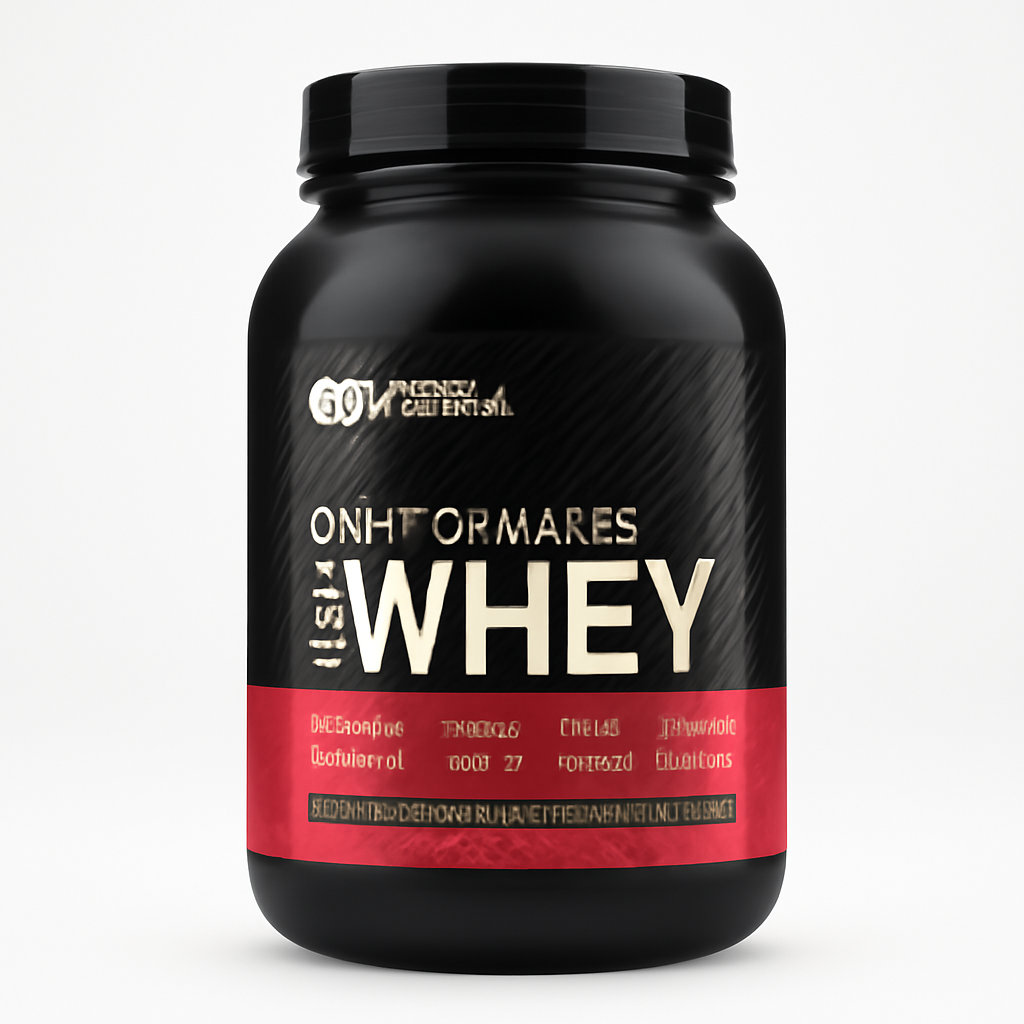
– Naturally high in leucine, the amino acid that triggers muscle growth
– Third-party tested for purity
– Affordable ($0.60–$1.20 per serving)
Cons:
– Contains lactose (problematic if you’re sensitive)
– Doesn’t taste like dessert despite marketing claims
– Requires blending or shaking for smooth texture
Casein Protein: The “Slow-Release” Option
MuscleTech Nitro-Tech Casein Gold [CHECK PRICE] is casein-based, meaning it digests slowly and provides amino acids over 6-8 hours. This is excellent for overnight muscle recovery or when you can’t eat a full meal.
Pros:
– Sustained amino acid release over hours
– Keeps you fuller longer
– Great as a bedtime supplement
– Mixes smoothly
Cons:
– Not ideal for post-workout (you need fast protein then)
– More expensive than whey ($1.50–$2.50 per serving)
– Heavier, so some people feel bloated
Plant-Based Protein: For Vegan Athletes
Orgain Organic Protein Powder [CHECK PRICE] combines pea, rice, and chia proteins to create a complete amino acid profile. It’s the go-to for people avoiding animal products.
Pros:
– No dairy, soy, or artificial sweeteners
– Hypoallergenic
– Suitable for vegans/vegetarians
– 20g protein per serving
Cons:
– Plant proteins are less bioavailable than whey (your body absorbs slightly less)
– Higher price point ($1.80–$2.50 per serving)
– Gritty texture if not blended well
– May taste “earthy” to some people
Top Protein Picks at a Glance
| Product | Best For | Protein per Serving | Price per Serving |
| Optimum Nutrition Gold Standard Whey | General muscle building | 24g | $0.60–$1.20 |
| MuscleTech Nitro-Tech Casein Gold | Overnight recovery | 26g | $1.50–$2.50 |
| Orgain Organic Protein Powder | Vegan athletes | 20g | $1.80–$2.50 |
—
Top Creatine Supplements Ranked by Effectiveness
Creatine Monohydrate: The Gold Standard
Creatine monohydrate is the most researched form of creatine on the market. Pure, simple, and effective. Micronized Creatine from Optimum Nutrition [CHECK PRICE] is the standard bearer here—it’s affordable, tested extensively, and just works.
Why it’s the best choice:
– Hundreds of peer-reviewed studies confirm its safety and effectiveness
– Increases muscle strength by 5-15% on average
– Costs about $0.10–$0.20 per serving
– No proprietary blends or marketing gimmicks
The reality: You’ll gain 1-2 lbs of water weight initially (inside your muscles, not under your skin), and after 3-4 weeks you’ll notice increased strength and endurance during workouts.
Creatine HCL: Better Absorption, Higher Cost
Some newer creatine forms like HCL claim better absorption and smaller doses, but the difference is negligible. You’re paying more for minimal gains. Standard monohydrate is still the smarter choice unless you have stomach sensitivity.
Loading Protocol vs. Steady State
Do you need to “load”? Many guides suggest taking 20g per day for 5-7 days, then 3-5g daily. Skip the loading phase—it’s not necessary. Just take 3-5g daily for 4-6 weeks and let it build up naturally. The end result is identical; loading just gets you there slightly faster (2 weeks vs. 4-6 weeks).
—
How to Pick Between Protein and Creatine for Your Goals
Goal: Build Muscle Mass
Choose: Protein powder first
Muscle tissue is literally made from amino acids. Without adequate protein, creatine can’t help you build anything meaningful. Aim for 0.7–1g of protein per pound of bodyweight daily. If you’re not hitting that through food alone, protein powder fills the gap.
When to add creatine: After 8-12 weeks of consistent training with solid protein intake, adding creatine will squeeze 5-10% more strength gains from your workouts.
Goal: Increase Strength and Performance
Choose: Creatine first (if protein is covered)
If you’re already eating enough protein, creatine delivers more immediate performance benefits. You’ll notice strength gains in 4-6 weeks, which translates to more reps and heavier weight—and that’s what builds muscle long-term.
Goal: Lose Fat While Preserving Muscle
Choose: Protein powder (essential)
When you’re eating in a caloric deficit, high protein intake becomes non-negotiable. It preserves muscle mass during fat loss and keeps you fuller longer. Aim for the higher end: 1g per pound of bodyweight.
Creatine here? Optional, but helpful. It may help you maintain strength and performance even in a deficit.
Goal: General Health and Fitness (Not Serious Training)
Choose: Maybe neither, or just protein
If you’re doing light cardio and casual strength training, whole food probably covers your protein needs. You don’t need creatine unless you’re in the gym 4+ days per week doing heavy compound lifts.
—
Protein Powder and Creatine: Can You Take Both Together?
Short answer: Yes, absolutely. They work through different mechanisms and don’t interfere with each other.
The Combined Approach
Taking protein powder and creatine together is actually smarter than choosing one. Here’s why:
– Protein provides the building blocks your muscles need to grow
– Creatine gives your muscles the energy to do more work in the gym
– Together, they create a synergistic effect: you can lift heavier, do more reps, and have more amino acids available for recovery
Optimal Protocol
Post-workout (immediately after training):
– 25-40g protein powder
– 3-5g creatine
– 30-50g fast carbs (dextrose, white rice, banana)
This combination is optimal because:
– Protein + carbs trigger insulin, which helps amino acids enter muscle cells
– Creatine absorbs better with insulin present
– You’re delivering nutrients when muscles are primed to accept them
Rest of the day:
– Take your daily 3-5g creatine dose (any time)
– Meet your protein target through food + powder as needed
—
Price Comparison: What’s the Best Value?
Monthly Cost Breakdown (for a 170 lb lifter)
Protein Powder Only:
– 120g daily ÷ 25g per serving = 4.8 servings/day
– At $0.80/serving = $115/month
Creatine Only:
– 5g daily × 30 days
– At $0.15/serving = $4.50/month
Both Combined:
– $115 + $4.50 = $119.50/month
The value calculation: Creatine adds just 4% to your supplement budget but potentially improves results by 10-15%. That’s a smart trade-off.
Cost Per Pound of Muscle Gained (Estimated)
Research suggests:
– Protein powder alone: ~$8-12 per lb of muscle gained (over 12 weeks)
– Protein + creatine: ~$7-10 per lb of muscle gained (over 12 weeks)
The addition of creatine actually lowers your cost-per-result because you’re getting more work done in the gym.
—
Expert Recommendations Based on Your Fitness Level
Beginner (0-6 months of training)
Start with: Protein powder only
Your main limitation right now is basic nutrition, not performance. Focus on:
1. Hitting your daily protein target (0.7–0.8g per lb)
2. Consistent training 3-4x per week
3. Progressive overload (adding weight or reps each week)
Add creatine when: After 3-4 months of consistent training, when you’ve built a solid foundation and understand your routine.
Product recommendation: Optimum Nutrition Gold Standard Whey [CHECK PRICE] + basic creatine monohydrate [CHECK PRICE]
Monthly cost: ~$40 protein + $5 creatine = $45
—
Intermediate (6-18 months of training)
Use both: Protein powder + creatine
You’re past the beginner stage where everything works. You need both components:
– Protein to support muscle growth from more intense training
– Creatine to push past performance plateaus
Upgrade consideration: You might benefit from a blend. Some athletes prefer casein alongside whey for sustained amino acid delivery.
Product recommendation:
– Primary: Optimum Nutrition Gold Standard Whey [CHECK PRICE]
– Evening option: MuscleTech Nitro-Tech Casein Gold [CHECK PRICE]
– Creatine: Micronized Creatine Monohydrate [CHECK PRICE]
Monthly cost: ~$120 protein + $6 creatine = $126
—
Advanced (18+ months of training)
Optimize both: Higher protein intake + consistent creatine
At this level, you’re building relatively small amounts of muscle year-to-year. Every advantage matters:
– Protein intake should be at the higher end (1g per lb bodyweight)
– Creatine should be consistent (never cycle off; it’s safe long-term)
– Consider your specific training phase (strength vs. hypertrophy vs. endurance)
Product consideration: Some advanced lifters add a second protein source to vary amino acid profiles, though research on this is minimal.
Monthly cost: ~$160–180 protein + $6 creatine = $170
—
Side Effects and Safety
Protein Powder Safety
Generally very safe. The main concerns:
– Whey lactose: Can cause bloating/digestion issues if you’re sensitive (switch to isolate or casein)
– Artificial sweeteners: Some people report headaches from sucralose or aspartame (choose stevia or monk fruit options)
– Calorie creep: Easy to consume excess calories if you’re not tracking
No liver damage, kidney damage, or hormonal issues from whey protein—decades of research confirm this.
Creatine Safety
Also very safe. Concerns are largely myths:
| Myth | Reality |
| “Creatine damages kidneys” | False. 200+ studies show no kidney damage in healthy people |
| “Creatine causes hair loss” | False. One outdated study showed elevated DHT levels; follow-up research doesn’t support this |
| “Creatine requires cycling” | False. Long-term use is safe and actually more effective than cycling |
| “Creatine causes dehydration” | Partially true. You’ll retain water inside muscles (good), but you need to drink slightly more. Not dangerous. |
Real side effect: Water retention (1-2 lbs in muscles, which is beneficial). That’s it.
—
Our Verdict
If You Can Only Choose One
Go with protein powder. It’s non-negotiable for muscle building, and you can’t get optimal results without sufficient protein intake. Creatine is a performance enhancer; protein is a fundamental building block.
If You Have a Budget for Both
Use both together. The combined cost is minimal, the synergy is real, and research backs it up. Protein powder + creatine monohydrate is the most cost-effective, evidence-based combination available.
Our Top Pick for Overall Value
Optimum Nutrition Gold Standard Whey [CHECK PRICE] for protein + Micronized Creatine Monohydrate [CHECK PRICE] for creatine.
Why? Because:
– Gold Standard is tested, affordable ($0.80/serving), and mixes well
– Creatine monohydrate is the most researched form with the best cost-per-benefit ratio
– Together, they cost ~$120/month and deliver measurable results in 4-6 weeks
– Both have excellent third-party testing records
If you’re vegan, substitute Orgain Organic Protein Powder [CHECK PRICE] for whey—you’ll still get solid results, just at a slightly higher cost.
Implementation Checklist
Before buying anything, confirm you have these basics covered:
– [ ] Training 3-5x per week with progressive overload
– [ ] Eating in a slight surplus (for muscle gain) or maintenance (for strength)
– [ ] Sleeping 7-9 hours nightly
– [ ] Drinking enough water (at least 0.5oz per lb bodyweight)
If you’ve checked these boxes, protein powder and creatine will deliver 5-15% faster results. If you haven’t, they’ll be wasted money.
Start simple. Pick one product, use it consistently for 8 weeks, then evaluate. You’ll know within 2 months if it’s working for you.