# Best Protein Powder for Kids in 2026 | Safe & Nutritious
Quick Answer
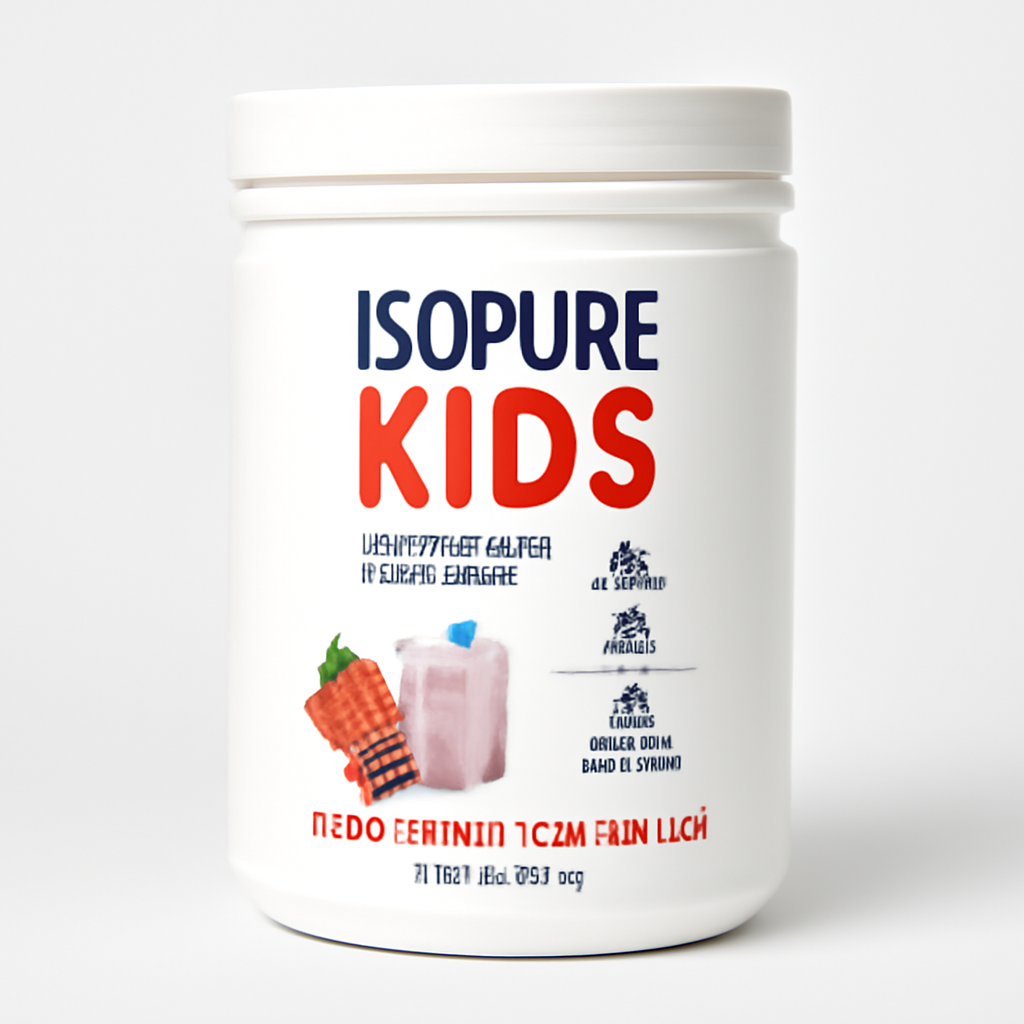
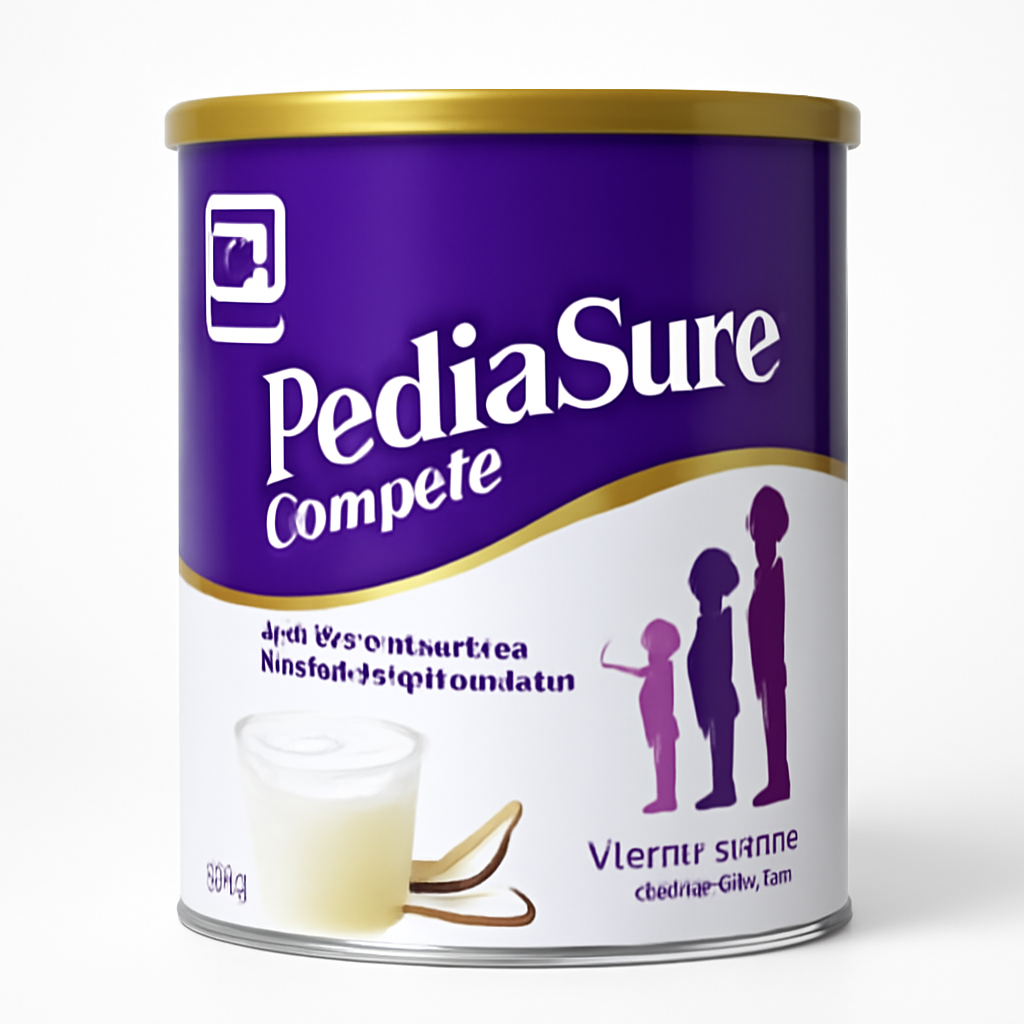
Kids ages 4+ can safely use protein powder designed specifically for children, but it’s not essential—whole foods like milk, eggs, and chicken are better primary sources. If you choose a powder, look for PediaSure Complete™ CHECK PRICE], [Orgain Organic Protein for Kids CHECK PRICE], or [Isopure Kids [CHECK PRICE], which are formulated without artificial sweeteners, heavy metals, or excessive sugar. Most kids need 10-25g of protein daily depending on age and activity level—protein powder should supplement, not replace, real food.
—
Why Kids Need Protein Powder: Growth & Development Benefits
Protein is essential for children’s growth, muscle development, bone strength, and immune function. But here’s the honest truth: most healthy kids get enough protein from regular food alone.
That said, protein powder can be genuinely helpful in specific situations:
When protein powder actually makes sense:
– Picky eaters who reject meat, eggs, and dairy
– Athletic kids with high protein demands (sports, training)
– Kids with dietary restrictions (vegetarian, vegan, or allergies)
– Underweight or failure-to-thrive children (under medical supervision)
– Recovery support after illness or intense activity
The real benefit: A properly formulated kids’ protein powder can help fill nutritional gaps without the hassle of forcing a child to eat chicken they hate. A chocolate protein shake often works better than a lunch-time standoff.
What protein powder should NOT be is a substitute for balanced meals or a way to “boost nutrition” beyond normal needs. Kids who eat reasonably well don’t need it.
—
Safety Standards: What to Look for in Kid-Friendly Formulas
Not all protein powders are safe for children. The supplement industry is loosely regulated, so you need to know what to check.
Critical Safety Markers
1. Third-Party Testing
Look for NSF Certified for Sport, ConsumerLab, or USP seals. These independent labs test for:
– Heavy metals (lead, cadmium, arsenic)
– Banned substances
– Accurate label claims
– Contamination
2. Avoid These Ingredients in Kids’ Formulas
– Artificial sweeteners: While the FDA allows them, stevia or monk fruit are safer bets for children
– High sodium: Kids’ products should contain <200mg per serving
– Caffeine: No child formula should contain this
– Sugar alcohols in excess: Can cause digestive upset
– Proprietary blends: You can’t see exact amounts—avoid them
3. Protein Source Matters
– Whey: Fast-absorbing, complete amino acid profile, tested extensively
– Casein: Slow-release, good for satiety
– Plant-based blends: Pea + rice work well together; soy is complete but may trigger allergies
– Avoid: Collagen or incomplete proteins (lacking essential amino acids)
4. Sugar Content Reality Check
– Under 5g per serving is ideal for kids
– 5-10g is acceptable (less than a glass of juice)
– Over 10g means you’re essentially giving them candy
5. Allergy Information
Check labels for: dairy, soy, peanuts, tree nuts, eggs. If your child has allergies, verify “made in a facility” statements.
—
Top Protein Powder Brands Recommended for Children
The Safest & Most Reliable Options
#### 1. Orgain Organic Protein for Kids
[CHECK PRICE]
Best for: Parents wanting clean, organic ingredients
Orgain’s kids’ line uses organic whey concentrate, stevia for sweetening, and real fruit flavors. Each serving has about 10g protein with only 3g sugar. The ingredient list reads like actual food—which is the point.
What makes it stand out: USDA Organic certified, no artificial anything, NSF Certified for Sport. Mixes reasonably well, though not silky-smooth.
Flavors available: Chocolate, vanilla, strawberry
Realistic drawback: Higher price point and slightly grainy texture compared to conventional brands.
—
#### 2. PediaSure Complete™
[CHECK PRICE]
Best for: Kids who are picky eaters or need caloric support
This is the gold standard recommended by pediatricians for children who struggle to meet nutritional needs. It’s a complete drink with 7g protein, 24 essential vitamins and minerals, and tastes genuinely good (most kids don’t realize it’s a supplement).
What makes it stand out: Pediatrician-formulated, extensive safety testing, available in ready-to-drink bottles or powder. Good macronutrient balance for growing kids.
Flavors available: Chocolate, vanilla, strawberry, banana
Realistic consideration: It’s more of a meal replacement than a protein supplement. Higher in sugar (10g per serving) than dedicated protein powders, but acceptable in context.
—
#### 3. Isopure Kids
[CHECK PRICE]
Best for: Athletic kids or those wanting pure protein without extra calories
Isopure Kids delivers 20g of protein per serving with minimal carbs and fat. This is ideal for active children who need higher protein without sugar creep. It mixes smoothly and comes in kid-friendly flavors.
What makes it stand out: High protein-to-calorie ratio, gluten-free, artificial sweetener (sucralose—debated but widely used), NSF Certified for Sport.
Flavors available: Vanilla, chocolate, fruit punch
Realistic trade-off: Uses artificial sweeteners (sucralose), so not ideal if you’re avoiding synthetics entirely. Better for older kids (10+) with higher protein needs.
—
#### 4. SmartyPants Kids Protein Powder
[CHECK PRICE]
Best for: Parents prioritizing micronutrients alongside protein
SmartyPants combines 10g whey protein with added vitamins D3, B12, and omega-3s. It’s sweetened with monk fruit and stevia, contains no artificial sweeteners, and actually tastes pleasant.
What makes it stand out: Whole-food approach, added beneficial nutrients, no artificial ingredients. The brand is known for rigorous testing.
Flavors available: Vanilla, chocolate
Realistic note: Premium pricing and the added nutrients make it more of a “multivitamin + protein” than a pure protein powder.
—
Quick Comparison Table
| Product | Best For | Protein/Serving | Sugar/Serving | Price Range |
| Orgain Organic for Kids | Clean ingredients | 10g | 3g | [CHECK PRICE] |
| PediaSure Complete™ | Picky eaters/weight gain | 7g | 10g | [CHECK PRICE] |
| Isopure Kids | Athletic kids | 20g | 1g | [CHECK PRICE] |
| SmartyPants Kids | Nutrient-dense option | 10g | 2g | [CHECK PRICE] |
—
Flavor & Taste: Getting Kids to Actually Enjoy It
The best protein powder is useless if your kid won’t drink it. Here’s what actually works:
Flavor Preferences by Age
Ages 4-6: Kids this age respond to sweet, familiar flavors. Chocolate and vanilla work best. Avoid “healthy” marketing—just make it taste good.
Ages 7-10: More adventurous but still prefer simple flavors. Chocolate, vanilla, strawberry, and fruit punch. Some kids enjoy mixing into foods rather than straight shakes.
Ages 11+: Can handle more complex flavors and honestly appreciate quality. This age group is often more open to plant-based or less-sweet options.
Mixing Tips That Actually Work
The Shake Method:
– Use a blender bottle with a wire whisk
– Mix powder + liquid first, let sit 30 seconds
– Add liquid gradually while blending
– Never use hot water (denatures protein)
The Sneaky Method:
– Blend into frozen fruit smoothies (berry flavors mask most powders)
– Mix into pancake batter (reduces grittiness)
– Stir into yogurt or pudding
– Add to oatmeal (works surprisingly well)
The Honest Method:
Some kids just don’t like shakes. Try mixed-in foods first before assuming they won’t accept protein powder at all.
—
Nutritional Comparison: Ingredients & Macros Breakdown
Not all kids’ protein powders are created equal. Here’s how to read what you’re actually getting:
Macronutrient Comparison Table
| Nutrient | Orgain | PediaSure | Isopure | SmartyPants |
| Protein | 10g | 7g | 20g | 10g |
| Carbs | 5g | 24g | 1g | 3g |
| Fat | 1.5g | 6g | 0g | 1.5g |
| Sugar | 3g | 10g | 1g | 2g |
| Calories | 60 | 240 | 90 | 60 |
| Added Vitamins | Limited | Extensive (24 vit/min) | Limited | Moderate (D3, B12, Omega-3) |
What This Actually Means
High Protein, Low Sugar (Isopure):
Good for active kids who need muscle support without sugar crashes. Better for mixing into foods rather than drinking straight.
Complete Nutrition (PediaSure):
Designed as a meal replacement. Higher calories and sugar, but acceptable when used as intended (not daily protein shakes). Pediatrician-approved for specific nutrition gaps.
Clean & Balanced (Orgain):
Organic ingredients appeal to parents concerned with additives. Good for kids who need moderate protein support without unnecessary extras.
Nutrient-Dense (SmartyPants):
Premium option paying for additional micronutrients. Overkill if your kid eats vegetables, but useful if they’re truly deficient.
—
How Much Protein Do Kids Really Need Daily?
This is where the marketing stops and actual nutrition science starts.
Recommended Daily Protein Intake (RDA)
| Age Group | Daily Protein Needs | Examples That Meet It |
| 4-8 years | 19g | 1 chicken breast OR 2 eggs + 1 cup milk |
| 9-13 years | 34g | 3 oz chicken + 1 cup milk + 1/2 cup yogurt |
| 14-18 years | 46-52g (depending on sex) | 4 oz chicken + 2 cups milk + snack cheese |
Additional Protein for Activity
Kids in organized sports or training should add:
– Moderate activity (2-3 hours/week): +5-10g daily
– High activity (5+ hours/week): +10-15g daily
Real-world example: A 12-year-old girl playing soccer 4 hours weekly needs ~34g + 10g = 44g protein daily. That’s achievable with normal meals, but a 10g protein shake could round it out easily.
The Truth About “Protein Gaps”
Most American kids eating regular meals get adequate protein. The kids who genuinely need supplemental protein are:
– Those with documented deficiencies (rare without dietary restriction)
– Vegetarian/vegan kids not eating complementary proteins
– Elite young athletes in high-demand sports
– Kids with medical conditions affecting nutrient absorption
If you’re unsure, ask your pediatrician for a dietary assessment. It takes 10 minutes and prevents wasted money on products you don’t need.
—
Best Practices: Mixing Tips and Serving Suggestions for Kids
How to Introduce Protein Powder Successfully
Step 1: Start Small
First serving should be half a normal scoop. This prevents digestive upset and lets you gauge tolerance and taste preference.
Step 2: Mix Into Favorite Foods
Don’t start with plain shakes. Blend into chocolate milk, yogurt, or fruit smoothies where the powder is hidden initially.
Step 3: Make It a Choice
“Would you like a chocolate protein shake or vanilla today?” works better than “you have to drink this.”
Step 4: Use Proper Mixing
Cold water + powder first, then add milk or juice. Blender bottles with wires work far better than shaking by hand.
Daily Serving Suggestions by Age
Ages 4-6 (if needed):
– 1 serving mixed into breakfast smoothie with fruit
– 5-10g protein per serving is sufficient
– Best mixed into other foods, not standalone
Ages 7-10:
– Can handle 1-2 servings daily if needed
– 10g per serving appropriate
– Morning smoothie or post-activity drink
Ages 11-18:
– Can use 1-2 servings daily, especially if active
– 10-20g per serving depending on brand and need
– Post-workout drinks work well for athletic kids
Storage & Freshness
– Keep powder in original container with tight seal
– Store in cool, dry place (not humid bathroom)
– Opened powder lasts 6-12 months depending on brand
– Pre-made shakes should be consumed within 2 hours or refrigerated up to 24 hours
—
Pros & Cons: Top 2 Picks Head-to-Head
Orgain Organic Protein for Kids
Pros:
– ✅ USDA Organic certified—no synthetic pesticides
– ✅ No artificial sweeteners or dyes
– ✅ Transparent ingredient list
– ✅ 10g protein with only 3g sugar (good balance)
– ✅ Independently tested by NSF
Cons:
– ❌ More expensive than conventional brands
– ❌ Slightly grainy texture (not silky-smooth)
– ❌ Mixed reviews on taste (some kids dislike it)
– ❌ Lower protein per serving than athletic formulas
– ❌ Not designed as complete nutrition (missing some micronutrients)
Best for: Parents willing to pay more for clean ingredients; kids who can afford to be picky.
—
Isopure Kids
Pros:
– ✅ High protein (20g) with minimal sugar (1g)
– ✅ Excellent for athletic kids
– ✅ Mixes smoothly
– ✅ NSF Certified for Sport (rigorous testing)
– ✅ Affordable for the quality
Cons:
– ❌ Uses sucralose (artificial sweetener)—debated safety
– ❌ Not organic
– ❌ High protein may be unnecessary for sedentary kids
– ❌ Not designed as complete nutrition
– ❌ Some kids find it too “chemical-tasting”
Best for: Athletic kids ages 10+; families unconcerned with artificial sweeteners; parents wanting high protein density.
—
Common Questions About Kids’ Protein Powder
“Is protein powder safe for young kids?”
Yes, when formulated specifically for children and used appropriately. Avoid general adult formulas (too much protein, potential contaminants). Check for third-party testing.
“Will protein powder make my kid gain too much muscle?”
No. Children don’t have the hormone levels to build significant muscle from protein alone. It supports normal growth, not bodybuilding.
“Can protein powder replace meals?”
No, except for products like PediaSure specifically designed as meal replacements. Protein powder should supplement whole foods, not replace them.
“How do I know if my child actually needs it?”
Ask yourself: Does my kid eat meat, eggs, dairy, or plant proteins regularly? If yes, they probably don’t need it. If no, or if they’re active/underweight, it might help. Ask your pediatrician if unsure.
“What about vegan/plant-based options for kids?”
Plant-based protein powders work fine for kids, but ensure they’re formulated for children (lower protein load, age-appropriate ingredients). Rice + pea blends offer complete amino acid profiles.
—
Our Verdict: Which Protein Powder Is Right for Your Kid?
Choose Orgain Organic Protein for Kids if:
– You prioritize clean, organic ingredients
– Your child is picky about taste
– Budget allows for premium pricing
– Your kid has mild protein gaps from general picky eating
Choose Isopure Kids if:
– Your child is athletic or highly active
– You want maximum protein with minimal sugar
– Artificial sweeteners don’t concern you
– You need cost-effectiveness without sacrificing quality
Choose PediaSure Complete™ if:
– Your pediatrician recommends nutritional support
– Your child needs weight gain or is underweight
– You want a complete nutrient profile beyond just protein
– Your child refuses whole foods and needs a nutrition boost
**Choose SmartyP