# Best Dog Food for Puppies 2026 | Top Brands Reviewed
Quick Answer
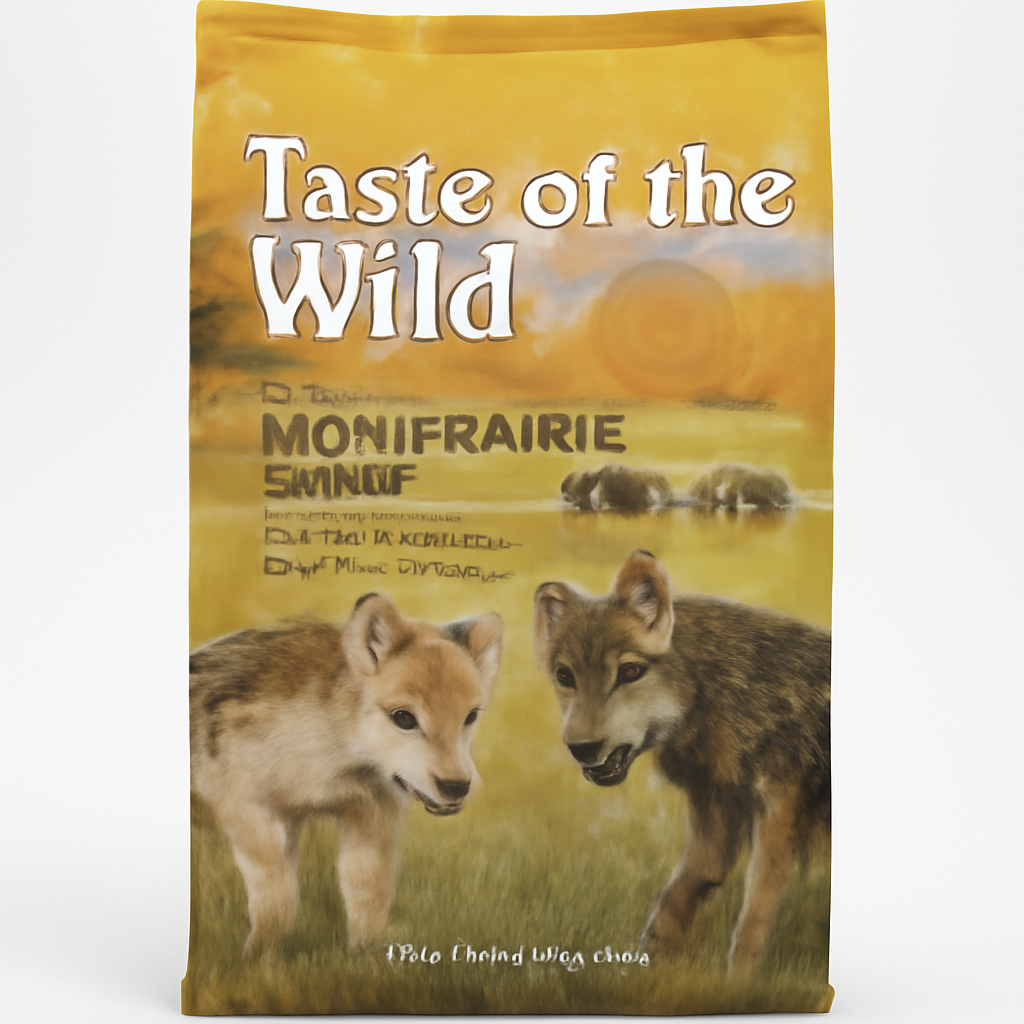
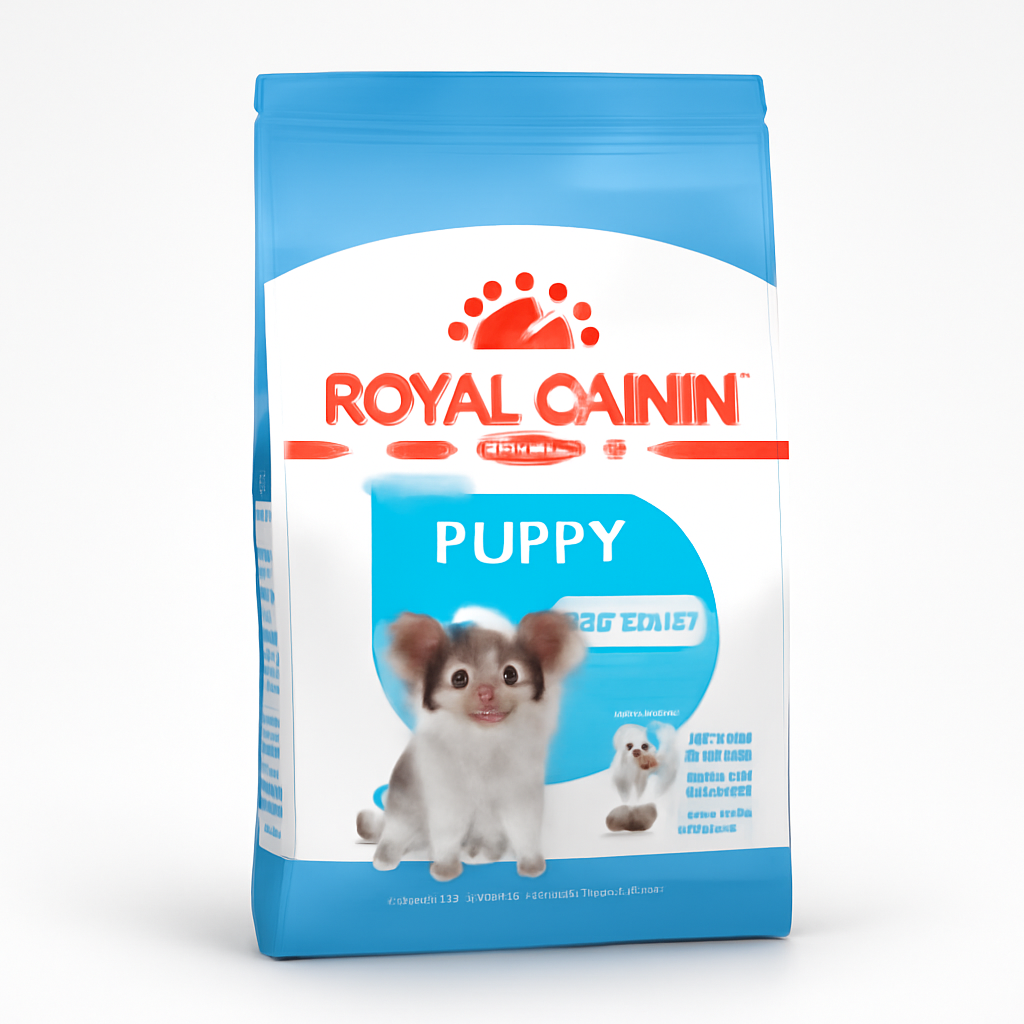
Puppies need food formulated specifically for their growth stage, with higher protein (18-25%), fat (8-15%), and essential nutrients like DHA and calcium. Royal Canin Puppy CHECK PRICE] and [Purina Pro Plan Puppy CHECK PRICE] are vet-recommended leaders, while [Taste of the Wild High Prairie Puppy [CHECK PRICE] works well for budget-conscious owners. The best choice depends on your puppy’s age, breed size, and any dietary sensitivities.
—
What to Look for in Puppy Food: Essential Nutrients
Feeding your puppy the right food during their first year is one of the most important decisions you’ll make as a pet owner. Puppies aren’t just tiny dogs—they have completely different nutritional requirements than adult dogs. Getting this right sets them up for healthy growth, strong bones, and a solid foundation for life.
Protein Requirements
Puppies need significantly more protein than adult dogs. Look for foods with 18-25% crude protein (or higher for large breed puppies). Protein builds muscle, supports immune function, and helps with growth and development.
Quality matters here too. Animal-based proteins like chicken, lamb, and fish are more bioavailable than plant-based options, meaning your puppy’s body can actually use them more efficiently.
Fat and Essential Fatty Acids
Puppies need 8-15% fat in their diet. Fat isn’t the enemy—it’s critical for brain development, coat health, and energy. Specifically, look for foods containing DHA (docosahexaenoic acid), an omega-3 fatty acid that supports cognitive development and eye health during those crucial early months.
Calcium and Phosphorus Balance
This is especially important for large breed puppies. An improper calcium-to-phosphorus ratio can lead to developmental orthopedic disease (DOD) and joint problems later in life. Look for foods with balanced calcium and phosphorus, and avoid over-supplementation.
Digestibility and Ingredients
Puppies have developing digestive systems. High-quality, digestible ingredients mean better nutrient absorption and fewer digestive upset issues. Avoid foods with excessive fillers, artificial colors, or by-products.
Age-Specific Formulations
Puppies grow at different rates depending on breed size:
– Small breed puppies (<25 lbs adult weight): Smaller kibble, often with adjusted calorie density
– Large/giant breed puppies (>55 lbs adult weight): Lower calcium, controlled growth rate to protect developing joints
– All-life-stage foods: Can work but aren’t specifically optimized for puppy nutrition
—
Best Overall Puppy Foods for 2026
Royal Canin Puppy [CHECK PRICE]
Best for: All small to medium breed puppies; picky eaters; digestive health
Royal Canin has been a veterinarian favorite for decades, and their puppy formula remains one of the most scientifically researched options available. This food is formulated to support immune system development during the critical socialization period (3-12 weeks) and features carefully selected proteins for optimal digestion.
Why it ranks high:
– Veterinarian-developed and widely recommended
– Precise nutrient balance designed for growth
– Multiple formulas for different breed sizes
– High digestibility reduces stool issues
– Includes immune support prebiotics
Pros & Cons:
| Pros | Cons |
| Excellent digestibility and stool quality | Premium price point |
| Scientifically formulated by veterinarians | Some puppies may not like the taste initially |
| Multiple breed-specific options | Not grain-free |
| Supports immune development |
Purina Pro Plan Puppy [CHECK PRICE]
Best for: Growing puppies; budget-conscious owners; digestive sensitivity
Purina Pro Plan is a solid middle-ground option—backed by veterinary research, widely available, and reasonably priced. Their puppy formula includes real chicken as the first ingredient and contains DHA for brain development.
Why it ranks high:
– Widely available at most pet stores and online retailers
– Contains DHA for cognitive development
– Fortified with antioxidants for immune support
– Good value for the quality
– Multiple formulas for different needs
Pros & Cons:
| Pros | Cons |
| Great availability | Contains corn and soy (not ideal for allergies) |
| Reasonable price for quality | Less premium feel than Royal Canin |
| Proven digestibility | Some pups may need transition period |
| Veterinarian recommended |
Hill’s Science Diet Puppy [CHECK PRICE]
Best for: Puppies with sensitive stomachs; health-conscious owners; vet-prescribed diets
Hill’s Science Diet is another veterinary gold standard, and many vets actually prescribe it for puppies with specific health needs or digestive issues. The formula is highly controlled and doesn’t include artificial colors or flavors.
Why it ranks high:
– Prescription-diet option available through vets
– Highly digestible proteins
– Controls nutrient levels for proper growth
– Often recommended for puppies with allergies
– Supports healthy development at every stage
—
Best Budget-Friendly Puppy Food Options
Not every puppy owner has a premium budget, and that’s okay. These options offer solid nutrition without breaking the bank.
Taste of the Wild High Prairie Puppy [CHECK PRICE]
Best for: Budget-conscious owners; grain-free preference; active puppies
Taste of the Wild is one of the most affordable “premium-feeling” puppy foods. It’s grain-free (which some prefer, though not necessary), contains real meat as the first ingredient, and includes antioxidants and probiotics.
Why it works:
– Competitive pricing compared to name-brand premium options
– Real meat first ingredient
– Grain-free formula appeals to some owners
– Contains beneficial probiotics
– Good energy levels for active puppies
The trade-off here is that it’s not veterinarian-formulated like Royal Canin or Hill’s, but for a healthy puppy without specific health issues, it’s a solid choice.
Iams Proactive Health Puppy
Best for: First-time owners; maximum availability; simple nutrition needs
Iams is one of the most budget-friendly options while still being backed by nutrition research. You’ll find it everywhere—grocery stores, big-box retailers, online—which matters if you need easy refills.
What to expect:
– Very affordable price point
– Basic but complete nutrition
– Real chicken as main ingredient
– Widely available everywhere
The downside is that Iams isn’t as premium as some competitors and doesn’t include some advanced supplements like DHA or probiotics, though it does cover the basics.
—
Grain-Free vs. Traditional: Which is Best for Puppies?
This is one of the most debated topics in puppy nutrition, so let’s cut through the marketing.
What the Research Says
The FDA has investigated a potential link between grain-free diets and dilated cardiomyopathy (DCM), a heart condition, though a direct causal link hasn’t been definitively proven. Most research suggests that:
– Grain-free isn’t inherently better for puppies
– Grains like rice, oats, and barley are not harmful for most puppies
– What matters more is the overall nutrient balance and quality
For Most Puppies: Traditional is Fine
Unless your puppy has a specific grain allergy (diagnosed by a vet), traditional grain-inclusive puppy foods are perfectly healthy. They’re often more affordable and nutritionally well-balanced.
Grain-Free Makes Sense If…
– Your puppy has a documented grain sensitivity or allergy
– You want to avoid common allergens like wheat
– You’re choosing it for other reasons (your preference, ingredient sourcing)
Our recommendation: Don’t choose grain-free just because it sounds trendy. Choose it if there’s a specific reason your puppy needs it. For most puppies, a quality traditional formula works great.
—
Switching Your Puppy to Adult Dog Food: Timeline & Tips
This is a question every puppy owner eventually faces: when do I switch to adult food?
Timeline by Breed Size
The switch happens at different ages depending on your dog’s adult size:
| Breed Size | Adult Weight | Switch Timeline |
| Small breed | Under 25 lbs | 9-12 months |
| Medium breed | 25-50 lbs | 12-14 months |
| Large breed | 50-100 lbs | 12-18 months |
| Giant breed | Over 100 lbs | 18-24 months |
Why the difference? Large and giant breed puppies grow more slowly and need extended puppy nutrition to protect their developing joints. Small breeds mature faster and can switch to adult food sooner.
Signs Your Puppy is Ready
– Age range falls within the timeline above
– Growth rate has slowed (you’re not seeing dramatic size changes monthly)
– Puppy food is no longer meeting their energy needs (they seem constantly hungry)
– Your vet confirms it’s appropriate for your specific puppy
The Right Adult Food to Switch To
Once your puppy becomes an adult, you have more flexibility. Adult dogs need:
– 12-18% protein (lower than puppies)
– 5-8% fat (appropriate for maintenance)
– Consistent nutrient balance without excessive growth factors
If your puppy did well on Royal Canin Puppy, Royal Canin Adult is a logical next step. Same goes for other brands—usually, consistency works best.
—
How to Transition Your Puppy to New Food
Whether you’re switching to adult food or trying a different puppy formula, do it gradually. A rushed transition can cause digestive upset, diarrhea, and vomiting.
The 7-10 Day Transition Schedule
Days 1-3: Mix 25% new food with 75% old food
– Your puppy’s gut gets introduced to new ingredients
– Digestive enzymes adjust
Days 4-6: Mix 50% new food with 50% old food
– Further acclimation
– Monitor stool quality
Days 7-10: Mix 75% new food with 25% old food
– Nearly complete transition
– Watch for any remaining digestive issues
Day 11+: 100% new food
– Full transition complete
Transition Tips for Success
– Keep portions consistent during the switch (volume should stay the same)
– Use the same feeding schedule as before
– Feed at the same times each day to establish routine
– Monitor stools closely—firm stools mean the transition is going well
– If digestive upset occurs, slow down the transition (stay on each step 3-4 days instead of 2-3)
– Never mix wet and dry food abruptly if you’re changing texture types
Signs Something’s Wrong
Stop the transition and contact your vet if you see:
– Severe diarrhea or vomiting
– Loss of appetite
– Lethargy or unusual behavior
– Persistent gas or bloating
—
Top Vet-Recommended Puppy Brands
When we say “vet-recommended,” we mean formulas that veterinarians actually prescribe or frequently recommend to clients, not just brands that exist in the market.
Royal Canin
Already covered extensively above—the gold standard in veterinary circles. Vets trust Royal Canin because of decades of research backing their formulas.
Hill’s Science Diet
Also covered above. Widely recommended by veterinarians, especially for puppies with health concerns. Many vets stock it in their offices.
Purina Pro Plan
Purina has significant research backing, and Pro Plan is their premium line. Many vets recommend it because it balances quality with accessibility.
Prescription Diets (When Appropriate)
Some puppies need specialized nutrition:
– Hill’s Prescription Diet (various formulas for allergies, digestive issues)
– Royal Canin Veterinary Diet (specialized breed and health formulas)
– Purina Veterinary Diets (prescription options)
These should only be used under veterinary guidance if your puppy has a documented health issue.
—
Comparison Table: Top Puppy Foods at a Glance
| Product | Best For | Protein % | Fat % | Price Range |
| Royal Canin Puppy | Premium quality; all breeds | 24-27% | 14-16% | $$$$ |
| Purina Pro Plan Puppy | Value + quality balance | 22-26% | 12-15% | $$$ |
| Hill’s Science Diet Puppy | Sensitive stomachs; vet-prescribed | 22-24% | 12-14% | $$$ |
| Taste of the Wild High Prairie Puppy | Budget-conscious; grain-free | 23-25% | 13-15% | $$ |
| Iams Proactive Health Puppy | Maximum availability; budget | 20-22% | 10-12% | $ |
—
Common Puppy Food Mistakes to Avoid
1. Switching Too Early
Jumping to adult food too soon (especially with large breeds) can disrupt growth and development. Follow breed-size guidelines above.
2. Over-Supplementing
Puppies eating quality commercial food don’t need additional calcium, phosphorus, or vitamin supplements (unless a vet prescribes them). Over-supplementation is actually worse than supplementing too little.
3. Free-Feeding
Leaving food out all day makes it impossible to monitor intake and can lead to overeating. Feed puppies on a schedule (3-4 meals daily until 6 months, then twice daily).
4. Choosing Based Solely on Price
The cheapest food isn’t always the worst, but extremely cheap puppy foods often have poor digestibility, meaning you’ll feed more to get the same nutrition. Plus, vet bills for digestive issues quickly outweigh food savings.
5. Feeding Table Scraps
It’s tempting when those puppy eyes look up at you, but table scraps unbalance nutrition and can cause pancreatitis, especially in certain breeds. Stick to puppy food (and the occasional approved treat).
—
Our Verdict
For most puppy owners: Start with Royal Canin Puppy [CHECK PRICE] or Purina Pro Plan Puppy [CHECK PRICE]. Both are veterinarian-recommended, widely available, and formulated specifically for growing dogs. Royal Canin edges ahead for premium quality and scientific backing, while Purina Pro Plan offers better value.
For budget-conscious owners: Taste of the Wild High Prairie Puppy [CHECK PRICE] is the sweet spot—it’s affordable, contains quality ingredients, and most puppies thrive on it without digestive issues.
For puppies with specific health needs: Consult your veterinarian. They may recommend Hill’s Science Diet Puppy [CHECK PRICE] or a prescription diet based on your puppy’s individual needs.
Final Recommendations by Scenario
New puppy owner, mixed breed, healthy: Purina Pro Plan Puppy
– Good balance of quality and availability
– Easy to find at most retailers
– Solid middle ground between budget and premium
Large or giant breed puppy: Royal Canin (breed-specific) or Hill’s Science Diet
– Both have specialized large-breed formulas
– Critical for proper joint development
– Worth the premium price for long-term health
Budget is tight: Taste of the Wild High Prairie Puppy
– Good nutrition at affordable price
– Puppy should thrive without breaking the bank
Puppy has food allergies or sensitivities: Royal Canin (limited ingredient option) + vet consultation
– Work with your vet to identify the allergen
– Consider prescription diet if needed
First-time owner, wants simplicity: Purina Pro Plan Puppy
– Widely available everywhere
– Easy to find refills anytime
– Backed by research and vet recommendations
—
How to Get Started
1. Determine your puppy’s breed size (will they be small, medium, or large?)
2. Choose a food from our recommendations that fits your situation
3. Buy a small bag first to test if your puppy likes it
4. Monitor for 1-2 weeks: Stool quality, energy level, appetite
5. Stick with it or transition if needed (using the 7-10 day transition method)
6. Check in with your vet at 4 weeks, 8 weeks, and 6 months for guidance
Your puppy’s first year of nutrition sets them up for a healthy life. It’s worth getting right—but it doesn’t have to be complicated. Any of the top-tier options in this guide will support healthy growth and development. The best food is the one your puppy thrives on, tolerates well, and that fits your budget and values.