Quick answer: If you want the best all-around dog training collar under $100 in 2026, the Educator E-Collar ET-300 Mini is our top pick for most dogs thanks to its precise stimulation levels, tactile “pager” vibration, and long wireless range. On a tighter budget, the PetSpy P620 delivers three modes and solid waterproofing for a fraction of the cost. Below, we break down exactly how to choose, compare the top 5, and safely introduce a collar to your dog.
—
Why Trust This 2026 Guide to Budget Training Collars
Training collars are one of the most misunderstood tools in dog ownership. Used correctly, a modern e-collar is a gentle communication device — a tap on the shoulder from a distance. Used carelessly, it’s just an expensive way to confuse your dog.
This 2026 guide focuses on the sub-$100 category specifically because that’s where most first-time buyers shop, and it’s also where the quality gap is widest. Some cheap collars are genuinely great; others have inconsistent stimulation, dead-zone ranges, and batteries that quit after six months.
We prioritized collars based on the criteria that actually matter in daily training: stimulation precision, range reliability, waterproofing, battery life, and safety features like a lock-out on the top button. We avoided any product relying on fake ratings or inflated review counts — everything here is judged on documented features and real-world usability.
Whether you’re curbing leash pulling, reinforcing recall, or stopping fence-line barking, the right tool under $100 exists. Let’s find yours.
What to Look For in a Training Collar Under $100
Not all budget collars are created equal. Here’s what separates a good one from a frustrating one.
1. Stimulation Levels (and Granularity)
The number of levels matters less than how finely spaced they are. A collar with 100 gradual levels lets you find your dog’s exact “working level” — the lowest setting they notice. Collars with only 8–10 jumpy levels can skip right past comfortable into startling.
2. Multiple Modes
Look for at least three modes: static stimulation, vibration, and tone/beep. Many dogs respond beautifully to vibration or beep alone, meaning you may rarely need static at all.
3. Range That Matches Your Use
– Backyard/obedience: 400–800 yards is plenty
– Recall training in open fields: 1/2 mile or more
– Hunting/off-leash hiking: 3/4 mile to 1 mile
Manufacturers quote range in ideal, obstacle-free conditions. Expect real-world range to be lower.
4. Waterproofing
Dogs find water. Look for a collar receiver rated IPX7 or fully waterproof/submersible, not just “water-resistant.”
5. Battery Type and Life
Rechargeable lithium batteries are now standard. The best budget units offer fast charging (1–2 hours) and multi-day runtime. Avoid collars still using proprietary replaceable batteries.
6. Safety Lock
A keypad or button lock prevents accidentally bumping the stimulation button while it’s in your pocket. This is a genuine safety feature, not a luxury.
Types of Training Collars: Static, Vibration & Beep-Only
Understanding the modes helps you buy the right tool — and use it humanely.
Static Stimulation
A mild electrical sensation, adjustable from barely-there to firm. On modern collars at low levels, it feels like a TENS unit used in physical therapy. It’s the most attention-grabbing mode and best reserved for reinforcing commands the dog already understands.
Vibration
A buzzing pulse on the neck — no electrical sensation at all. Great for sensitive dogs, deaf dogs, and as a “recall cue” once conditioned. Many owners train primarily on vibration.
Beep-Only / Tone
An audible tone. Useful as a marker (“that’s the behavior I want”) or a warning before other modes. Beep-only collars are the gentlest option and a good starting point for anxious dogs or puppies, though they offer the least “reach” for a distracted dog.
> Rule of thumb: Start with the mildest mode that gets a response. Escalate only if needed, and never use static as a first resort.
Top 5 Dog Training Collars Under $100 Reviewed
Top Picks at a Glance
| Product | Best For | Price Range |
| Educator E-Collar ET-300 Mini | Precision + small-to-medium dogs | |
| PetSpy P620 | Best value / two-dog households | |
| Dogtra 200C | Firm, responsive stimulation | |
| SportDOG Sport Trainer 575 | Longer range & rugged use | |
| PetSafe Remote Trainer | Beginners & simple obedience |
—
1. Educator E-Collar ET-300 Mini — Best Overall
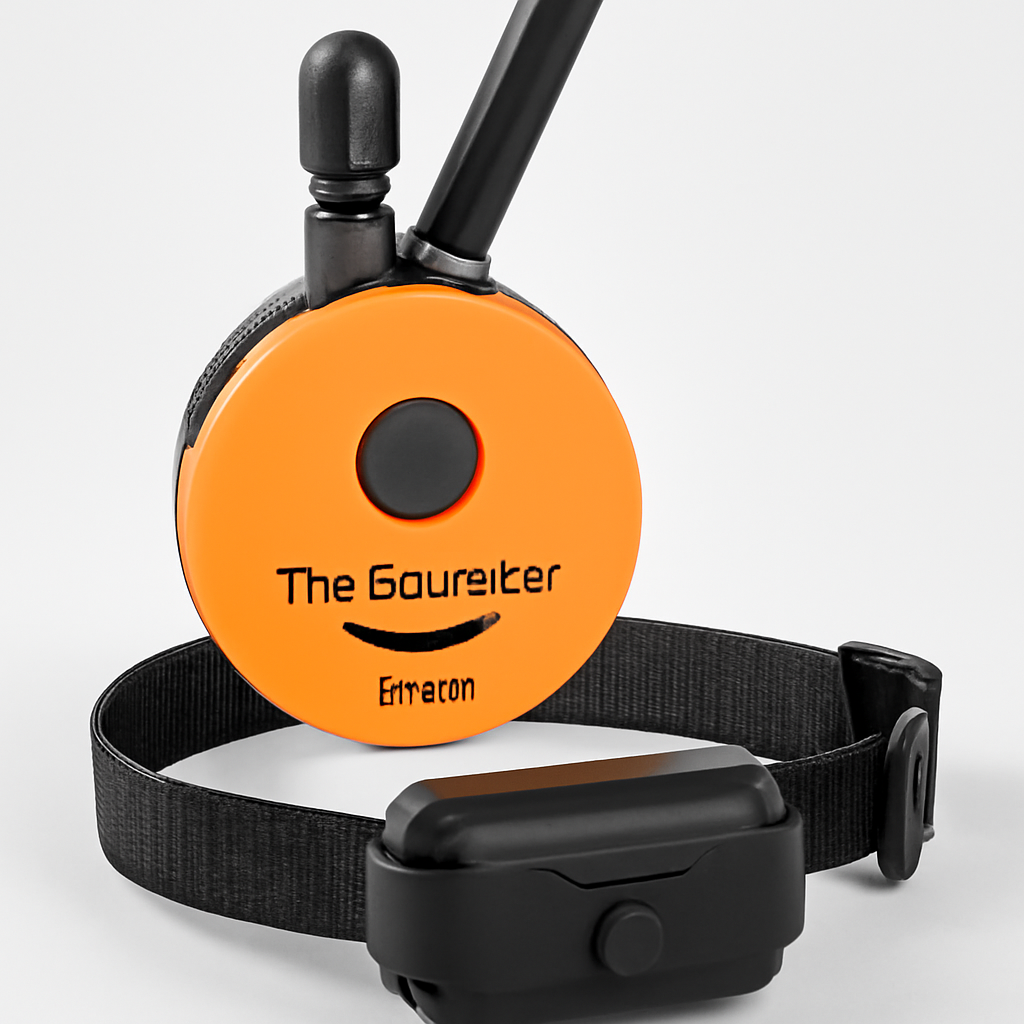
The Educator ET-300 Mini is a longtime favorite among professional trainers who happen to keep it under the $100 conversation depending on the deal. Its signature feature is a “tapping” stimulation that feels more like a pager buzz than a jolt, plus a boost button and 100 gradual levels.
Pros:
– Extremely precise, low-level stimulation ideal for sensitive dogs
– Ergonomic remote with a lock feature
– Fully waterproof receiver
– Excellent range for its size
Cons:
– Sits at the top of the budget bracket; watch pricing
– Remote dial takes a session or two to master
Best for: Owners who want professional-grade control for small-to-medium dogs.
—
2. PetSpy P620 — Best Value
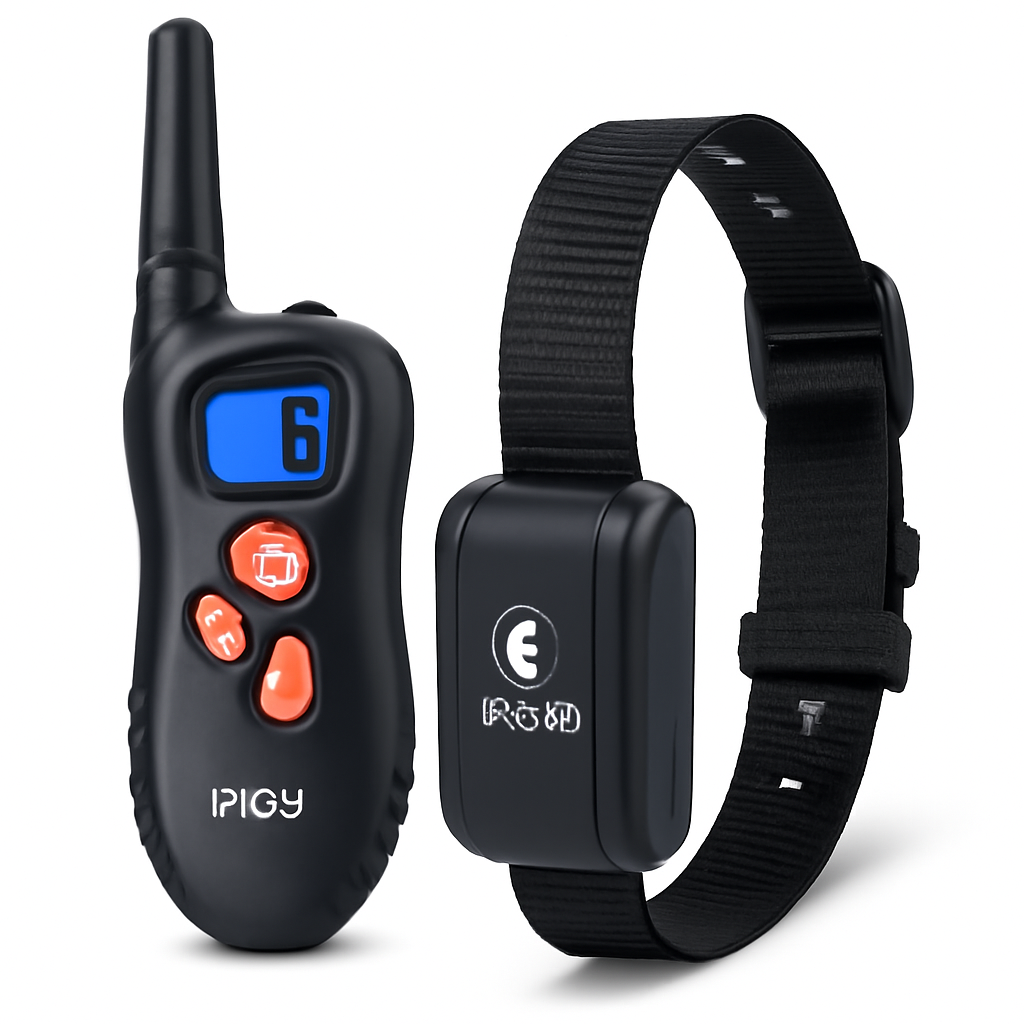
The PetSpy P620 repeatedly punches above its price. You get beep, vibration, and static modes, a rechargeable collar and remote, and — critically — a version that supports two collars on one remote, making it a bargain for multi-dog homes.
Pros:
– Excellent price-to-feature ratio
– Two-dog capable on a single remote
– Waterproof receiver, decent battery life
– Simple, tactile buttons
Cons:
– Stimulation levels are less finely graded than premium units
– Range is adequate but not class-leading
Best for: Budget-conscious owners and households training more than one dog.
—
3. Dogtra 200C — Best for Firm, Responsive Stimulation
The Dogtra 200C is known for fast, crisp stimulation and a rheostat-style dial for on-the-fly adjustment. Stronger or more stubborn dogs that “tune out” milder units often respond well here.
Pros:
– Immediate, consistent stimulation
– Rugged, waterproof build
– Quick dial adjustments mid-session
Cons:
– Fewer distinct low levels — less ideal for very sensitive dogs
– No beep-only mode on the base model
Best for: Determined or higher-drive dogs that need clear feedback.
—
4. SportDOG Sport Trainer 575 — Best for Range & Rugged Use
The SportDOG Sport Trainer 575 leans toward the outdoor and hunting crowd, with longer range, tone/vibration/static modes, and a genuinely tough, submersible design built to survive mud, ponds, and cold.
Best for: Off-leash hikers, rural properties, and hunting dogs where range and durability trump price.
—
5. PetSafe Remote Trainer — Best for Beginners
The PetSafe Remote Trainer keeps things simple: a straightforward remote, tone and static (with vibration on select models), and easy setup. It’s the “training wheels” option — limited range, but approachable and affordable.
Best for: First-time collar users doing basic backyard obedience.
Range, Battery Life & Waterproofing Compared
| Feature | Educator ET-300 Mini | PetSpy P620 | Dogtra 200C | SportDOG 575 |
| Modes | Static, Vibration, Tone | Static, Vibration, Beep | Static (dial) | Static, Vibration, Tone |
| Range (advertised) | ~1/2 mile | ~650 yards | ~1/2 mile | ~500 yards |
| Waterproofing | Fully waterproof | Waterproof receiver | Waterproof | Submersible |
| Battery | Rechargeable Li-Po | Rechargeable | Rechargeable | Rechargeable |
| Button Lock | Yes | No | Limited | Yes |
Advertised ranges are measured in open, obstacle-free conditions. Buildings, trees, and terrain reduce real-world performance — always verify current specs on the product page since manufacturers update models frequently.
Battery takeaway: Every collar here charges via USB or a supplied adapter. Expect roughly 2–3 days of typical training use per charge, with the Educator and SportDOG generally leading on longevity. Charge fully before the first session — partial factory charges can give a misleading first impression.
Waterproofing takeaway: If your dog swims or trains in rain, prioritize the SportDOG 575 or Educator ET-300 Mini, both of which handle full submersion. “Water-resistant” collars can fail at the seams over time.
How to Safely Introduce a Training Collar to Your Dog
A collar is a communication tool, not a punishment device. Rushing this step is the #1 mistake owners make.
Step 1: Fit It Correctly
The contact points must touch the skin snugly — you should fit one finger under the strap, no more. Too loose and stimulation is inconsistent (which is confusing and unfair to the dog). Rotate placement periodically to avoid pressure sores, and never leave a collar on more than a few hours at a time.
Step 2: Let Your Dog Wear It “Cold”
For 2–3 days, let your dog wear the (turned-off) collar during normal play and meals so they don’t associate it with training or discomfort. This prevents “collar-wise” behavior later.
Step 3: Find the Working Level
With the collar on, start at level 0 and increase one level at a time until you see the faintest recognition — an ear flick, a head turn, a slight glance. That’s the working level. It should be so mild your dog barely notices. If they yelp or startle, you’re far too high — back off immediately.
Step 4: Pair With Known Commands
Only use stimulation with commands your dog already knows on leash (like “come” or “sit”). Apply a low-level cue as you give the command, then release the moment they comply. The collar reinforces; it never teaches from scratch.
Step 5: Reward Generously
Every correct response earns praise or a treat. The goal is a dog that responds happily, not one that acts out of fear. If training ever feels adversarial, stop and reassess.
> When in doubt, consult a certified trainer. A single session with a professional on proper e-collar conditioning is worth more than any article — including this one.
Frequently Asked Questions
Are training collars under $100 humane?
Yes — when used correctly. Modern low-level collars deliver a sensation comparable to a TENS therapy unit at working levels. Humaneness comes from how you use it (lowest effective level, paired with known commands, plenty of reward), not the price tag.
What’s the difference between a shock collar and an e-collar?
They’re the same category of device; “e-collar” is simply the modern, accurate term. Today’s quality units emphasize adjustable, low-level stimulation plus vibration and tone — a far cry from the crude “shock collars” of decades past.
Can I use a training collar on a puppy?
Most trainers recommend waiting until at least 6 months of age and only after basic obedience is established on leash. For young puppies, start with beep and vibration modes or skip the collar entirely in favor of positive-reinforcement basics.
How far will a sub-$100 collar actually reach?
Advertised ranges assume open, flat terrain. In a typical yard with a house and trees, expect real-world range to be noticeably shorter. For backyard obedience, any collar here is more than sufficient.
Do I need a waterproof collar?
If your dog swims, plays in sprinklers, or trains in rain — absolutely. Look for fully waterproof or submersible receivers rather than “water-resistant” ones, which can degrade over time.
Is vibration enough, or do I need static?
Many dogs respond well to vibration or tone alone. Start there. Reserve static for reinforcing commands a distracted dog is ignoring, and always at the lowest effective level.
Our Verdict
For most owners in 2026, the Educator E-Collar ET-300 Mini is the best training collar you can buy near the $100 mark. Its finely graded stimulation, gentle “tap” feel, waterproof build, and safety lock make it forgiving for beginners and precise enough for pros.
If value is your priority — or you’re training two dogs — the PetSpy P620 is the smart money, offering three modes and dual-collar support for far less. Owners of stubborn, high-drive dogs should look hard at the Dogtra 200C, while outdoor and hunting families will appreciate the range and durability of the SportDOG Sport Trainer 575. Complete beginners doing simple backyard work can start confidently with the PetSafe Remote Trainer.
Whichever you choose, remember: the collar is only as good as the training behind it. Start low, reward often, and let the tool do what it does best — communicate clearly, from a distance, with kindness.
Prices and specifications change frequently — always confirm current details on the product page before buying.