Bringing home a new puppy is equal parts joy and chaos — and the single piece of gear that makes the biggest difference in those first few months is a good crate. The right crate speeds up potty training, gives your puppy a safe den to decompress in, and saves your furniture from becoming a chew toy. The wrong one is flimsy, hard to clean, or the wrong size, and it can set training back weeks.
This guide cuts through the noise. We’ll walk through our top-rated puppy crates for 2026, compare the main crate types, and help you nail the size, features, and training approach so your money actually pays off.
Quick Answer
If you want one crate that grows with your puppy, get a wire crate with a divider panel — the MidWest Homes for Pets iCrate is the best value for most people. If you want something more secure and modern-looking, the Diggs Revol is our premium pick. For travel and airline use, choose the Petmate Sky Kennel. Read on for the full breakdown.
Top Picks at a Glance
| Product | Best For | Price Range |
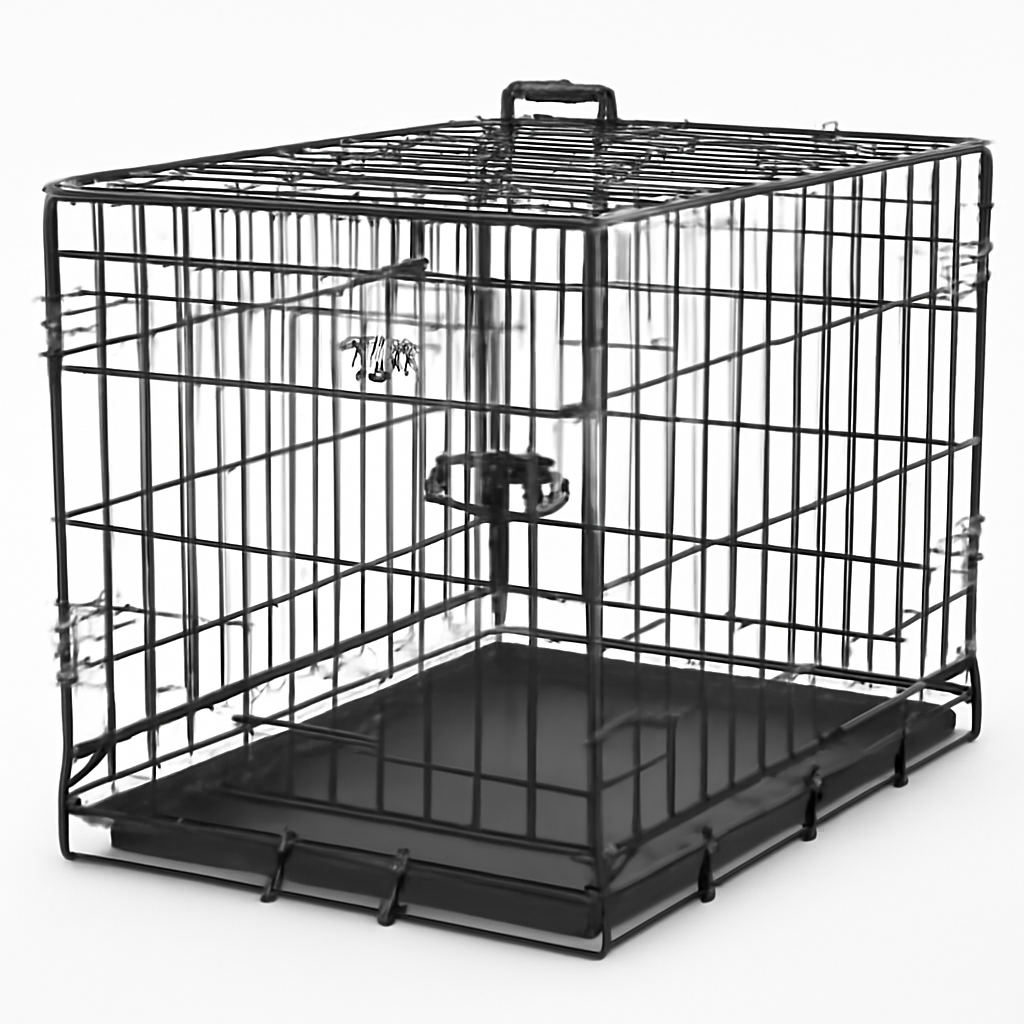
| MidWest Homes iCrate | Best overall value / potty training | $ |
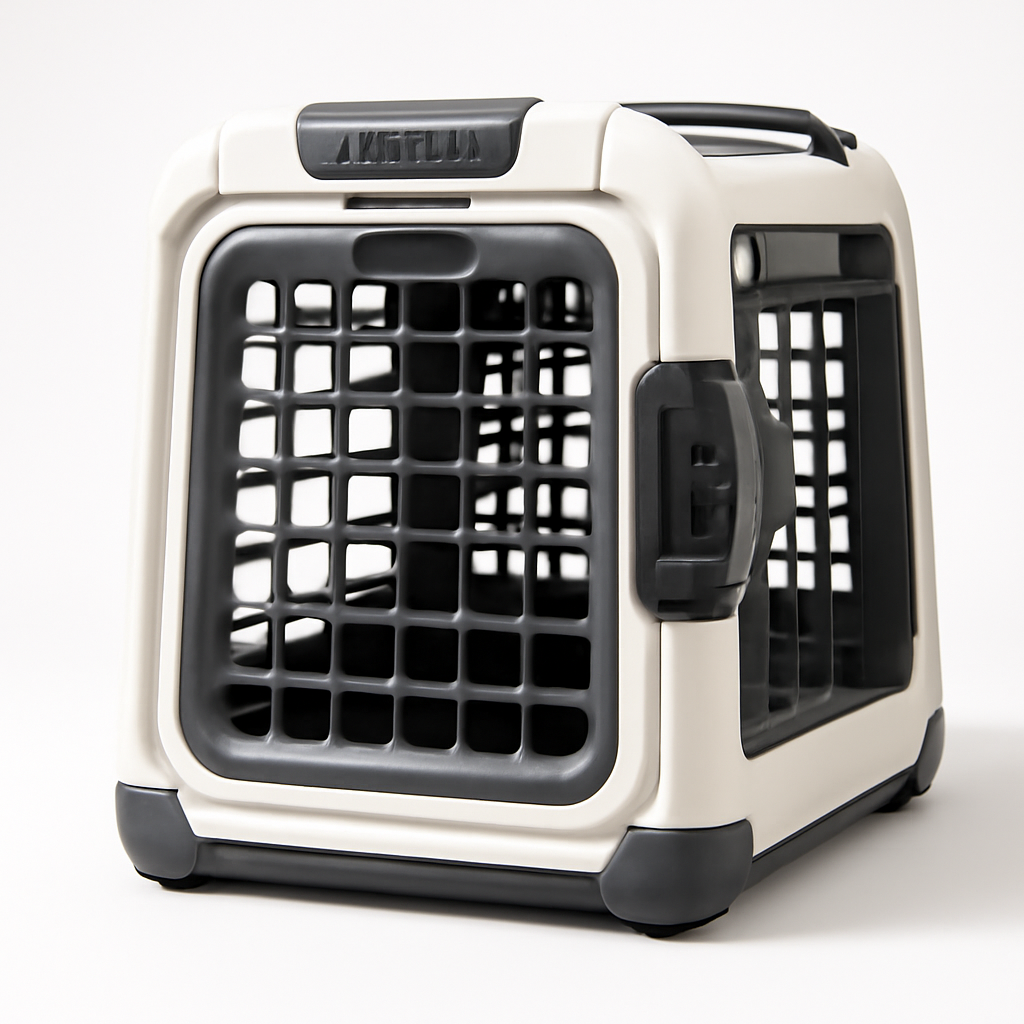
| Diggs Revol | Premium safety & design | $$$ |
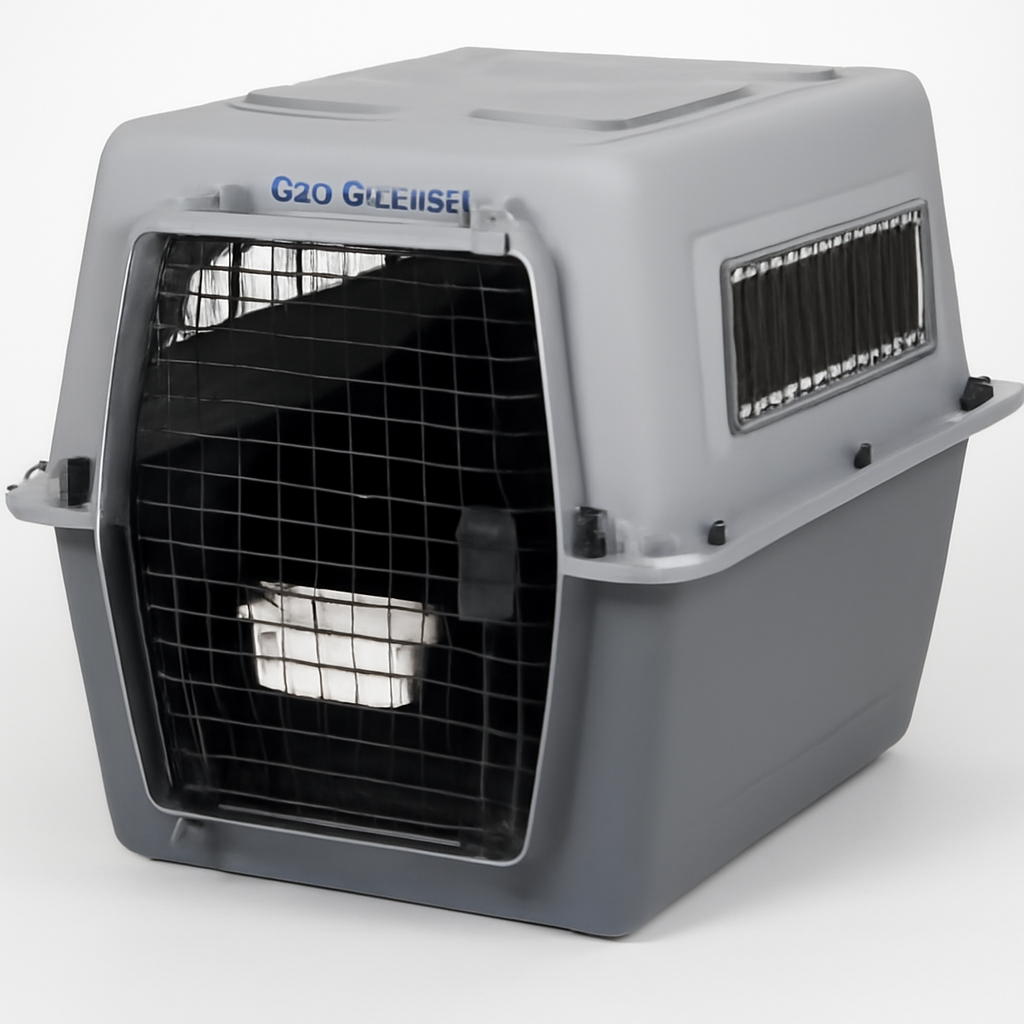
| Petmate Sky Kennel | Travel & airline approved | $$ |
| EliteField 3-Door Soft Crate | Lightweight & portable | $ |
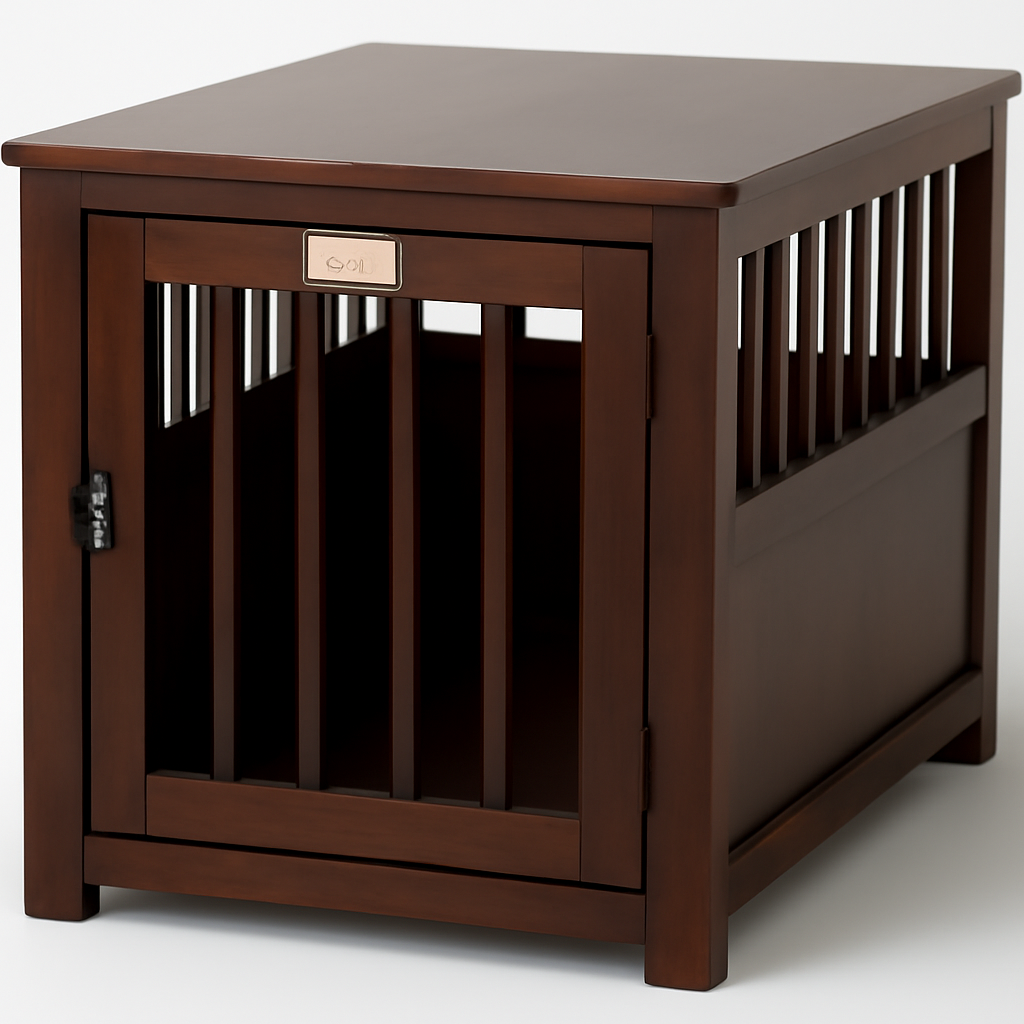
| Casual Home Wooden Pet Crate | Furniture-style / living rooms | $$ |
—
Why the Right Crate Matters for Your Puppy
A crate isn’t a cage — it’s a den. Dogs are naturally den animals, and a properly sized, comfortable crate taps into that instinct to give your puppy a place that feels safe and calm. That psychology is what makes crates so effective for the two things new owners struggle with most: house training and preventing destructive behavior.
Here’s how it plays out in practice:
– Potty training accelerates. Puppies don’t like to soil where they sleep. A correctly sized crate encourages bladder control and builds a predictable bathroom routine.
– Your home stays intact. A crated puppy can’t chew baseboards, swallow socks, or shred cushions while you’re out or asleep.
– Anxiety drops. A den gives an overstimulated puppy somewhere to retreat, which is especially important in busy households or during thunderstorms and fireworks.
– Vet visits and travel get easier. A crate-trained dog handles boarding, grooming, and car rides far better than one that’s never been crated.
Skimp on the crate and you’ll feel it. A too-big crate lets a puppy potty in one corner and sleep in another, defeating the training purpose. A flimsy one becomes an escape puzzle. Getting this right up front is one of the highest-return decisions you’ll make as a new owner.
How We Tested and Ranked Puppy Crates
We didn’t just read spec sheets. Our rankings are based on hands-on evaluation across the criteria that actually matter to a puppy owner living with the crate day to day:
– Durability & escape resistance — We checked latch security, panel rigidity, and how each crate held up to pawing, chewing, and shaking.
– Ease of assembly & folding — How fast can you set it up out of the box, and can you collapse it for storage or travel without tools?
– Cleanability — Removable, leak-proof trays are non-negotiable for the potty-training phase. We rated how easy each tray was to slide out and wipe down.
– Size flexibility — Puppies grow fast. We prioritized crates with divider panels so you buy once instead of three times.
– Safety — We looked for rounded edges, no pinch points, secure door latches, and non-toxic materials.
– Value — Price measured against how long the crate will realistically last.
We weighted potty-training suitability and durability most heavily, since those are the make-or-break factors during a puppy’s first six months.
Top Puppy Crate Reviews for 2026
1. MidWest Homes for Pets iCrate — Best Overall Value
The MidWest Homes iCrate is the crate we recommend to most first-time puppy owners, and for good reason. It’s an affordable single-door or double-door wire crate that ships with a divider panel, so you can shrink the interior while your puppy is small and expand it as they grow — meaning one purchase covers you from 8 weeks to full size.
Assembly is genuinely tool-free and takes a couple of minutes. It folds flat for travel or storage, and the plastic pan slides out for quick cleanup. The rounded corners and slide-bolt latches keep things safe. It’s not the most stylish or the most chew-proof crate on this list, but for the money, nothing beats its versatility.
Pros
– Excellent value; ships with a divider panel
– Tool-free setup, folds flat
– Removable, leak-proof pan for easy cleaning
– Multiple sizes to match any breed
Cons
– Wire construction can be noisy if a puppy rattles it
– Determined chewers may bend thin wire over time
– Basic looks
2. Diggs Revol — Best Premium Crate
If budget is less of a concern, the Diggs Revol is the most thoughtfully designed crate we tested. It uses a diamond-shaped mesh (instead of straight bars) that’s stronger and safer — no gaps for a puppy to catch a tooth or paw. It has a collapsible design that folds like a stroller, a garage-style side door, a top hatch for reaching in, and a genuinely puppy-safe frame with no sharp pinch points.
The included divider makes it grow-with-you friendly, and the removable tray and washable base make cleanup painless. It’s heavier and pricier than a basic wire crate, but the build quality, safety features, and living-room-friendly look justify the premium for a lot of owners.
Pros
– Reinforced diamond mesh — safer and more secure
– Multiple doors plus a top hatch
– Folds down easily for travel
– Modern look that fits nicely in a home
Cons
– Significantly more expensive
– Heavier than a folding wire crate
– Fewer giant-breed size options
3. Petmate Sky Kennel — Best for Travel & Airlines
For families who fly or road-trip, the Petmate Sky Kennel is the go-to. It’s a hard-sided plastic crate that meets most airline cargo requirements, with a sturdy steel-door front, ventilation on all sides, and tie-down holes for securing it in transit. The enclosed plastic shell also makes it cozier and more den-like than an open wire crate, which some anxious puppies prefer.
It doesn’t fold flat and lacks a divider, so it’s less ideal as your everyday grow-with-you crate — but as a dedicated travel and crate-training hybrid, it’s tough to beat.
Pros
– Airline-friendly design (verify with your specific carrier)
– Enclosed, den-like feel
– Strong ventilation and secure steel door
Cons
– No divider panel
– Bulky; doesn’t collapse
– Harder to clean than a slide-out tray
4. EliteField 3-Door Soft Crate — Best Lightweight & Portable
The EliteField 3-Door Soft Crate is a fabric-and-mesh crate that weighs almost nothing and folds down in seconds. It’s perfect for a calm, already-crate-trained puppy you want to bring to a friend’s house, a hotel, or the backyard. Three zippered doors give you flexible placement, and the removable, washable cover is a nice touch.
The catch: soft-sided crates are not for unsupervised chewers or escape artists — a determined puppy can claw or gnaw through mesh. Treat this as a secondary, on-the-go crate rather than your primary training tool.
5. Casual Home Wooden Pet Crate — Best Furniture-Style
If you don’t want a metal box in your living room, the Casual Home Wooden Pet Crate doubles as an end table. It’s an attractive wood-slatted crate with a flat top you can actually use for a lamp or decor. It looks great and works well for a mostly-trained adult-ish dog.
For a brand-new puppy, though, wood is chewable and there’s no leak-proof pan, so it’s better as a “graduation” crate once the chewing-and-accidents phase is behind you.
—
Crate Types Compared: Wire, Plastic, Soft-Sided & Furniture-Style
Each crate style has a job it does best. Here’s how they stack up:
| Crate Type | Strengths | Weaknesses | Best For |
| Wire | Ventilation, foldable, dividers, cheap | Can be noisy, less den-like | Everyday use & potty training |
| Plastic | Enclosed, cozy, airline-ready | Bulky, harder to clean | Travel & anxious puppies |
| Soft-sided | Ultralight, packs small | Not chew-proof or escape-proof | Portable use for calm dogs |
| Furniture-style | Looks like decor, dual-purpose | Chewable, no drainage tray | Trained dogs in living spaces |
Wire Crates
The default choice for most puppies. Great airflow, they fold flat, and nearly all come with (or accept) a divider. The iCrate is the classic example.
Plastic Crates
More enclosed and den-like, and often the only type accepted for air travel. The Petmate Sky Kennel leads here.
Soft-Sided Crates
Feather-light and travel-friendly, but only appropriate for puppies who won’t test the zippers. Think EliteField.
Furniture-Style Crates
Wood or wicker crates that blend into your home. Beautiful, but save them for after the destructive phase — the Casual Home model is a good pick here.
How to Choose the Right Crate Size for a Growing Puppy
Sizing is where new owners most often go wrong. The crate should be just big enough for your dog to stand up, turn around, and lie down comfortably — no bigger. Too much space and your puppy will happily use one end as a bathroom.
Since puppies grow fast, you have two smart options:
1. Buy for the adult size and use a divider. This is the best approach. Estimate your dog’s full-grown dimensions (your breed’s standard or your vet’s guess for a mix), buy that crate, and use the divider panel to keep the usable space puppy-sized. Move the divider back as they grow. This is exactly why we lean toward crates like the iCrate and Diggs Revol that include dividers.
2. Buy small now, upsize later. Cheaper up front but more expensive overall, since you’ll replace it. Only makes sense if you truly can’t estimate adult size.
Quick sizing rule of thumb: Measure your dog (or projected adult) from nose to base of tail and add 2–4 inches for length; measure from floor to top of head (sitting) and add 2–4 inches for height. Match those numbers to the manufacturer’s size chart — dimensions vary by brand, so check the specific chart before buying rather than trusting a generic “medium.”
Key Features to Look For (Dividers, Doors, Durability & Safety)
When you’re comparing crates, these are the features that separate a crate you’ll love from one you’ll return:
– Divider panel — The single most valuable feature for a puppy. It lets one crate serve from puppyhood to adulthood. Prioritize it.
– Removable, leak-proof tray — During potty training, accidents happen. A tray that slides out for a quick wipe-down will save your sanity. Wire and plastic crates generally win here; furniture crates often lose.
– Door configuration — Single-door crates are cheaper; double- or triple-door models give you flexible placement in tight rooms. A top hatch (like the Revol’s) makes it easy to reach a small puppy.
– Latch security — Look for slide-bolt or dual-latch doors. Simple spring latches are easier for clever puppies to nose open.
– Build quality & chew resistance — Check panel rigidity and wire gauge. Reinforced mesh (Diggs) resists bending better than thin economy wire.
– Safety details — Rounded edges, no sharp wire tips, no pinch points during folding, and non-toxic finishes. This matters most with wood and coated-wire crates.
– Portability — If you’ll move it often, foldability and weight count. Soft-sided and folding wire crates travel best.
Crate Training Tips to Get the Most From Your Purchase
Even the best crate only works if you introduce it right. A few field-tested tips:
– Make it positive from day one. Toss treats and toys inside and let your puppy explore with the door open. Never use the crate as punishment — you want it to feel like a safe den, not a time-out box.
– Feed meals in the crate. Associating food with the space builds a fast, positive relationship with it.
– Start short and build up. Begin with a few minutes of crated time while you’re home, then gradually extend the duration and add brief absences.
– Mind the potty math. A rough guide: a puppy can hold its bladder about one hour per month of age, plus one. A 3-month-old shouldn’t be crated much longer than ~4 hours. Overcrating forces accidents and undoes training.
– Add comfort — carefully. A washable pad or blanket makes the crate cozier, but skip it if your puppy chews and swallows fabric until you know they won’t.
– Keep it near you at night. Placing the crate in your bedroom for the first weeks reduces whining and helps your puppy settle.
– Cover it if needed. Draping a breathable cover over a wire crate can create a calmer, more den-like environment for anxious pups (ensure ventilation).
Consistency is everything. Puppies thrive on routine, and a predictable crate schedule is what turns a new crate into a genuine training accelerator.
Our Verdict
For the vast majority of new puppy owners, the MidWest Homes for Pets iCrate is the smart buy: it’s affordable, ships with a divider so it grows with your dog, and nails the fundamentals of potty training and easy cleanup. It’s the crate we’d hand to a friend bringing home their first puppy.
If you want top-tier safety and a design that looks good in your living room, step up to the Diggs Revol — the reinforced mesh and multi-door access make it the best premium option. Flying or road-tripping often? Add the Petmate Sky Kennel for travel. And once your puppy graduates past the chewing phase, a Casual Home Wooden Pet Crate or a packable EliteField Soft Crate rounds out your setup.
Buy the right size, insist on a divider, and commit to positive, consistent training — do that, and whichever crate you choose will pay for itself many times over in a happier puppy and a saner home.
Prices change frequently — tap on any product to see current 2026 pricing before you buy.