Quick answer: Arterra dog dental chews are a mid-to-premium daily dental treat designed to reduce plaque, tartar, and bad breath through a combination of mechanical chewing action and functional ingredients. They’re a reasonable pick if your dog tolerates chews well and you want a softer alternative to hard bones. But they’re not a magic fix — the best results come when you pair them with brushing and vet checkups. Below, we break down what’s actually in them, whether they work, and how they stack up against proven names like Greenies, Virbac C.E.T., and Purina DentaLife.
If you’re short on time, our top overall pick for most dogs is Greenies Original Dental Treats for its VOHC seal and track record, with Arterra Dog Dental Chews worth a look if you want a cleaner ingredient panel.
—
What Are Arterra Dog Dental Chews?
Arterra dog dental chews are a daily oral-care treat marketed toward pet owners who want to manage their dog’s dental hygiene without a full brushing routine. The pitch is simple: give your dog one chew a day, let the chewing action scrape away soft plaque before it hardens into tartar, and support fresher breath through added functional ingredients.
Most dogs hate having their teeth brushed, and most owners don’t have the patience to wrestle a toothbrush into a squirming mouth every night. That’s the gap dental chews fill. They turn dental care into something your dog actually wants to do.
Arterra positions itself as a slightly more “premium” or “clean label” option compared to grocery-store chews. The chews are typically textured with ridges and grooves — the physical design matters as much as the ingredients, because the abrasive action is what does most of the plaque removal.
A few things to set expectations up front:
– Dental chews are a supplement, not a replacement. No chew removes tartar that has already hardened onto the tooth. That requires a professional cleaning.
– Size and calorie count matter. These are treats, and treats add calories. Overfeeding chews can lead to weight gain.
– Chewing style varies. Aggressive gulpers get less dental benefit than dogs who actually chew, and gulping raises a choking risk.
Who Arterra chews are aimed at
Arterra chews tend to appeal to owners of small-to-medium dogs who want a softer, more digestible chew and are willing to pay a bit more for a shorter, more recognizable ingredient list. If you have a heavy chewer or a large breed, you’ll want to confirm the chew comes in an appropriate size.
—
Key Ingredients and Nutritional Breakdown
Because ingredient formulas change and I won’t invent specifics, here’s how to read the label rather than a set of made-up numbers. When you look at the Arterra packaging (or the product page), check for these categories:
What to look for on the label
– Base/binder: Many dental chews use a starch or plant-based binder (potato, pea, tapioca, rice). Cleaner-label brands tend to avoid heavy fillers.
– Functional dental additives: Ingredients like sodium hexametaphosphate (helps bind calcium and slow tartar), parsley seed or chlorophyll (breath), and zinc compounds show up in dental-focused formulas.
– Fiber and abrasive texture agents: The physical grit is doing real work here.
– Fat and calories: Check the calories-per-chew. For a small dog, even 30–50 calories a day adds up.
Guaranteed analysis
Every legitimate dog treat lists a Guaranteed Analysis — crude protein (min), crude fat (min), crude fiber (max), and moisture (max). Compare Arterra’s numbers against the chews you’re currently using. Higher fiber often correlates with better mechanical cleaning and better stool quality.
Red and green flags
| Green flags | Red flags |
| Named functional ingredients (e.g., sodium hexametaphosphate) | Vague “natural flavor” with no dental actives |
| Short, recognizable ingredient list | Excessive sugar/glycerin high on the list |
| Clear calorie count per chew | No calorie disclosure |
| Size options by weight range | One-size-fits-all for all breeds |
> Don’t take marketing claims at face value. “Vet formulated” and “supports dental health” are not regulated the way the VOHC (Veterinary Oral Health Council) seal is. If dental efficacy is your #1 concern, prioritize products carrying that seal — which is where established brands still have an edge.
—
Do They Actually Work? Real Customer Reviews
Here’s the honest version, without fabricated star counts.
Across dental chews as a category, customer sentiment tends to cluster into a few consistent themes, and Arterra reviews follow the same pattern:
What owners tend to praise:
– Breath improvement is the most reported, fastest-noticed benefit. Owners usually notice fresher breath within days. This is the “it’s working!” moment that keeps people buying.
– Palatability. A dental chew only works if the dog eats it. Reviewers frequently mention dogs being eager for their daily chew.
– Softer texture. Owners of senior dogs or dogs with sensitive teeth often prefer a chew that isn’t rock-hard.
What owners tend to criticize:
– Visible tartar removal is slower and less dramatic than breath improvement — and on teeth that already have hardened tartar, chews don’t reverse it. Some frustrated reviews are really about unrealistic expectations.
– Gulping. Dogs that swallow chews whole get little dental benefit and worry owners about choking.
– Digestive upset in a minority of dogs, usually when switching abruptly or overfeeding.
– Price per chew compared to bulk grocery brands.
How to read the reviews wisely: Weight reviews from owners of dogs similar to yours — same size, same chewing style. A rave review from a gentle-chewing Cavalier owner won’t predict results for your Lab that inhales food. And treat any single “cured my dog’s dental disease” review with skepticism; that’s not what a daily chew does.
The realistic verdict from aggregate sentiment: Arterra chews reliably help with breath and slow new plaque buildup for dogs that actually chew them — but they are a maintenance tool, not a cleaning.
—
Benefits for Your Dog’s Dental Health
Used correctly and consistently, quality dental chews like Arterra can deliver several real benefits:
1. Mechanical plaque control
The single biggest benefit is friction. As your dog chews, the textured surface scrapes soft plaque off the tooth surface before it mineralizes into tartar. This is the same principle behind brushing — disrupt plaque daily.
2. Fresher breath
Bad breath (halitosis) is usually a sign of bacterial activity in the mouth. Reducing plaque and adding breath-supporting ingredients (parsley, chlorophyll, zinc) tackles the odor at the source rather than masking it.
3. Gum stimulation
Chewing massages the gums and increases saliva flow. Saliva has natural antibacterial properties and helps rinse the mouth.
4. A daily habit that’s easy to keep
The best dental routine is the one you’ll actually do. A once-a-day chew is far easier to sustain than nightly brushing, and consistency is what drives long-term results.
5. Enrichment and satisfaction
Chewing is a natural, stress-relieving behavior for dogs. A dental chew does double duty as light enrichment.
> Best practice: For maximum benefit, give the chew after a meal, supervise to prevent gulping, and still aim to brush 2–3 times a week if your dog tolerates it. Chews plus brushing beats either one alone.
—
Potential Drawbacks and Safety Considerations
No chew is risk-free. Here’s what to weigh before you commit.
Choking and blockage risk
Dogs that swallow large pieces whole risk choking or, rarely, intestinal blockage. Always match the chew size to your dog’s weight, and supervise. Take the chew away if it gets down to a gulpable nub.
Calories and weight gain
Treats add up. If you feed a daily chew, reduce your dog’s regular food slightly to keep calories in check — especially for small breeds where one chew can be a meaningful slice of the daily total.
Digestive sensitivity
Some dogs get soft stool or gas, particularly when switching brands abruptly. Introduce any new chew gradually over several days.
Allergies and ingredients
If your dog has known sensitivities (chicken, grain, specific proteins), read the full ingredient list. “Limited ingredient” claims still require you to verify.
Not a substitute for veterinary care
This is the big one. Dental chews do not treat gingivitis, periodontal disease, fractured teeth, or existing tartar. If your dog has red gums, reluctance to eat, pawing at the mouth, or heavy tartar, see your vet. A chew won’t fix it and may delay needed care.
Regulatory reality check
The dental treat market is lightly regulated on efficacy claims. The VOHC seal is the closest thing to independent proof that a product measurably reduces plaque or tartar. If Arterra doesn’t carry it, that’s not automatically disqualifying — plenty of good chews don’t — but it means you’re leaning more on ingredient quality and reviews than on a controlled standard.
—
How Arterra Compares to Other Dental Chews
Let’s put Arterra in context against the biggest, most established names in the category. These are all real, widely available brands.
Top Picks at a Glance
| Product | Best For | Price Range |
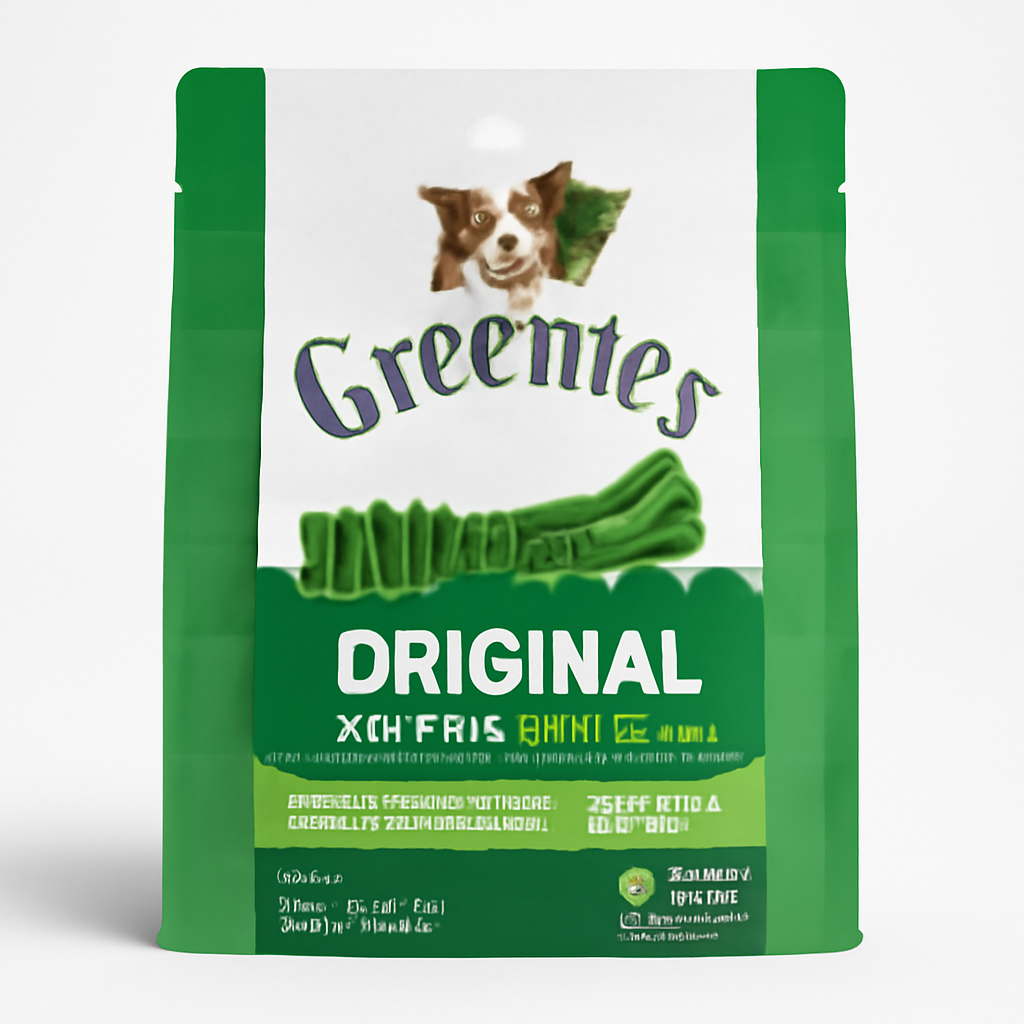
| Greenies Original Dental Treats | Proven, VOHC-sealed all-rounder | $$ |
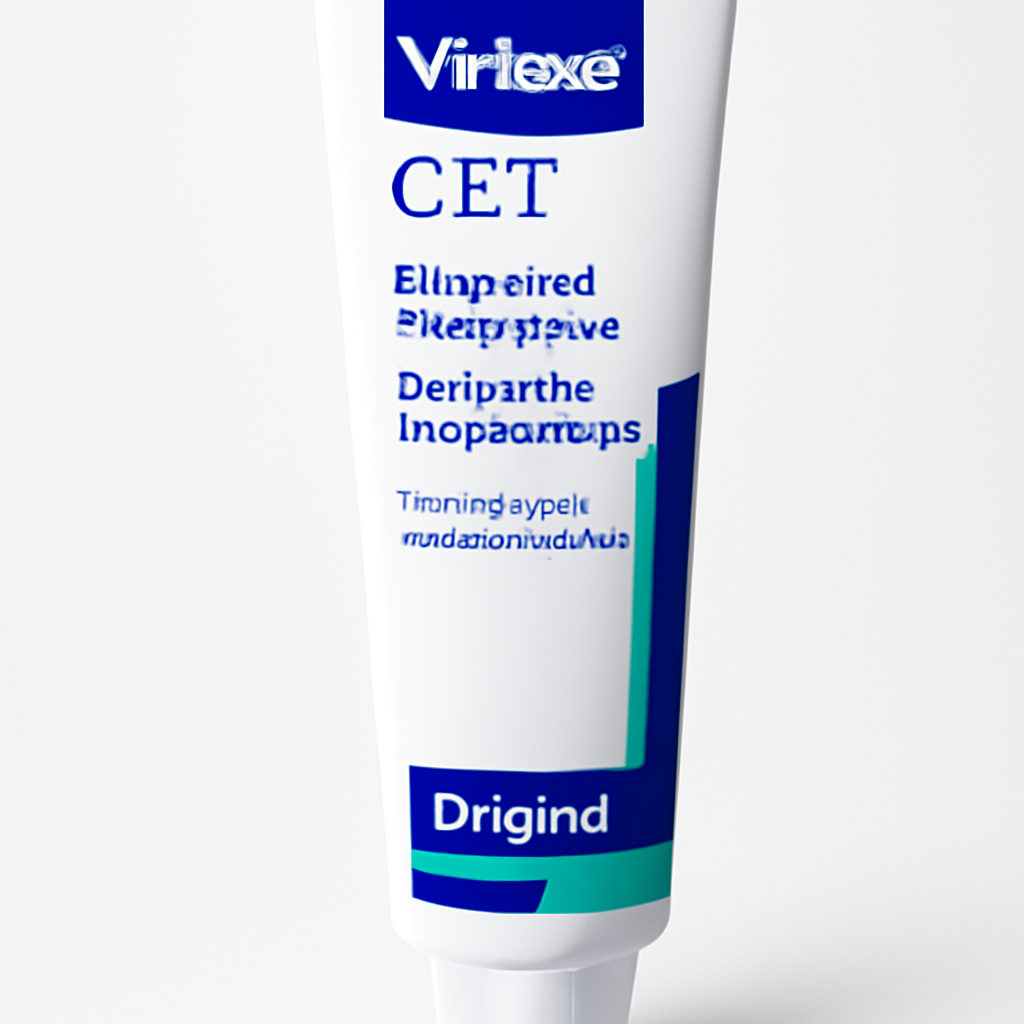
| Virbac C.E.T. VeggieDent Chews | Vet-recommended, VOHC-sealed efficacy | $$$ |
| Purina DentaLife Daily Oral Care | Budget-friendly porous-texture cleaning | $ |
| Arterra Dog Dental Chews | Cleaner label + softer texture | $$–$$$ |
| Whimzees Natural Dental Chews | Grain-free, plant-based, few ingredients | $$ |
Where Arterra fits
– vs. Greenies: Greenies has the deepest track record and a VOHC seal, and its chewy texture is engineered specifically for plaque removal. Arterra competes on ingredient transparency and a softer bite. If proof matters most, Greenies leads; if label quality matters most, Arterra is compelling.
– vs. Virbac C.E.T. VeggieDent: VeggieDent is the vet-clinic favorite — plant-based, VOHC-sealed, and clinically oriented. It’s usually pricier and often bought through vets. Arterra is easier to grab online and gentler on the wallet.
– vs. Purina DentaLife: DentaLife wins on price and its distinctive porous texture that reaches between teeth. Arterra generally offers a cleaner ingredient panel at a higher cost per chew.
– vs. Whimzees: Whimzees is the closest philosophical competitor — grain-free, short ingredient list, fun shapes. If you like Arterra’s “clean” angle but want it cheaper, Whimzees is the obvious cross-shop.
—
Pros and Cons of the Top Picks
Greenies Original Dental Treats
Pros
– Carries the VOHC seal for tartar control
– Long track record and huge user base
– Texture engineered for plaque scraping
– Wide range of sizes by weight
Cons
– Ingredient list is longer/more processed than “clean label” rivals
– Higher-calorie than some alternatives
– Aggressive chewers can still gulp them
Virbac C.E.T. VeggieDent Chews
Pros
– VOHC-sealed and widely vet-recommended
– Plant-based (good for some sensitivities)
– Z-shape designed to engage teeth
Cons
– Premium price
– Often sold through vets, less convenient
– Some dogs less enthusiastic about the taste
Arterra Dog Dental Chews
Pros
– Cleaner, shorter ingredient list
– Softer texture — good for seniors and sensitive mouths
– Noticeable breath improvement reported by owners
Cons
– Less independent efficacy proof (verify VOHC status)
– Higher cost per chew than grocery brands
– Softer chews may deliver less mechanical scrubbing for heavy chewers
—
Price, Where to Buy, and Final Verdict
What you’ll pay
Dental chews are almost always cheaper per chew when bought in bulk bags or subscription packs rather than small counts. Check the price per chew, not just the sticker price — a big bag that looks expensive is often the best value. For current pricing on any of the products above, use the ** links, since dental chew prices fluctuate with pack size and promotions.
Where to buy
– Online marketplaces (Amazon, Chewy) for the widest selection, subscribe-and-save discounts, and honest review volume.
– Your vet’s office for clinical options like Virbac C.E.T.
– Pet specialty stores if you want to check size and texture in person.
Whenever possible, buy the size matched to your dog’s weight and start with a smaller pack to confirm your dog tolerates it before committing to bulk.
Our Verdict
Are Arterra dog dental chews worth it in 2026? For the right dog — yes, with realistic expectations.
If you want a softer, cleaner-label daily chew and your dog actually chews rather than gulps, Arterra is a solid choice that will help with breath and slow new plaque buildup. It’s a particularly good fit for senior dogs and owners who prioritize ingredient quality.
But if your top priority is proven, measurable tartar control, we’d still point most buyers to Greenies Original or Virbac C.E.T. VeggieDent first, thanks to their VOHC seals and clinical backing. On a tight budget, Purina DentaLife delivers strong value, and Whimzees is the best clean-label alternative at a lower price than Arterra.
Bottom line: Arterra earns a recommendation as a premium daily maintenance chew — just remember that no chew replaces brushing and professional cleanings. Pair it with regular vet dental checkups, match the size to your dog, supervise chewing, and you’ll get the most out of whichever product you choose.
This guide is for informational purposes and isn’t a substitute for veterinary advice. Always consult your vet about your dog’s dental health, especially if you notice signs of dental disease.