Quick Answer: The best dog dental chews clean teeth mechanically as your dog gnaws, reduce plaque and tartar buildup, and freshen breath — all without a toothbrush. For most dogs, a VOHC-accepted daily chew like Greenies Original Dental Treats is the easiest place to start. If you want a natural, single-ingredient option, Virbac C.E.T. VeggieDent Fr3sh Chews are a strong pick. Below, we break down how these chews actually work, what ingredients matter, and how to match the right chew to your dog’s size and chewing style.
If your dog has ever greeted you with breath that could clear a room, you already know the problem. But bad breath isn’t just unpleasant — it’s usually the first sign of plaque and tartar building up along the gumline. This guide will help you pick a dental chew that genuinely helps, avoid the ones that are mostly marketing, and use them safely.
—
Why Dental Chews Matter for Your Dog’s Health
Dental disease is the single most common health problem in adult dogs. By age three, the majority of dogs already show some degree of periodontal disease — inflamed gums, plaque, and tartar that can eventually lead to pain, infection, and even tooth loss.
Here’s the part most owners don’t realize: dental problems don’t stay in the mouth. Chronic gum infection releases bacteria into the bloodstream, and over time this has been linked to strain on the heart, liver, and kidneys. Keeping your dog’s mouth healthy is genuinely a whole-body health issue.
The gold standard is daily tooth brushing. But let’s be honest — most of us don’t brush our dog’s teeth every day, and some dogs simply won’t tolerate it. That’s where dental chews earn their place. They’re not a replacement for professional veterinary cleanings, but as a daily maintenance tool, a good chew can meaningfully slow the buildup of plaque and tartar between vet visits.
Think of dental chews as the flossing you’ll actually do — imperfect, but far better than nothing.
—
How Dental Chews Work: Plaque, Tartar & Fresh Breath
Understanding the mechanism helps you spot which products work and which are just cookies with a marketing budget. Dental chews fight oral disease in three main ways:
1. Mechanical Abrasion
As your dog chews, the texture of the treat scrapes against the tooth surface. This friction physically wipes away soft plaque before it hardens into tartar. The key word is before — once plaque mineralizes into tartar (usually within 24–72 hours), no chew can remove it. Only a vet’s scaler can. This is why daily use matters far more than the occasional chew.
The best chews are engineered with ridges, grooves, or a slightly gummy-yet-firm texture that forces the dog to chew longer and lets the treat reach down toward the gumline.
2. Chemical Action
Many quality chews include active ingredients that go beyond scrubbing:
– Sodium hexametaphosphate (STPP) binds the calcium in saliva, preventing plaque from mineralizing into hard tartar.
– Chlorophyll and natural plant extracts help neutralize odor-causing compounds.
– Enzymes and zinc can help reduce the bacteria responsible for both disease and bad breath.
3. Saliva Stimulation
The simple act of prolonged chewing increases saliva flow, and saliva is your dog’s natural mouth-rinse. It helps wash away food particles and bacteria, which is part of why a chew freshens breath almost immediately.
> A quick note on “fresh breath”: A minty smell masks odor temporarily. Genuinely fresh breath comes from reducing the bacteria causing the smell. Look for chews that address the cause, not just the symptom.
—
Key Ingredients to Look For (and What to Avoid)
Flip the bag over. The ingredient panel tells you more than the front-of-package claims ever will.
Look For ✅
– VOHC Seal of Acceptance. The Veterinary Oral Health Council independently tests products for plaque and tartar control. A VOHC seal is the single most reliable quality signal in this category. If a product has it, the claims are backed by data.
– Highly digestible base — options like rice, potato, or pea protein tend to break down more safely than tough rawhide.
– Named functional ingredients — sodium hexametaphosphate, chlorophyll, or natural breath-fresheners like parsley and peppermint.
– A short, recognizable ingredient list.
Be Cautious Of ⚠️
– Rawhide. Traditional rawhide is poorly digestible and a well-documented choking and intestinal-blockage risk. Many vets now steer owners away from it entirely.
– Excessive added sugar, artificial dyes, and vague “animal digest.”
– Extremely hard chews — antlers, hooves, and very dense nylon bones. They clean, but they’re a leading cause of cracked and fractured teeth. A good rule: if you can’t dent it with your thumbnail or it wouldn’t hurt to be hit on the knee with it, it’s too hard.
– Unspecified sourcing. “Made in [country] with globally sourced ingredients” tells you nothing useful.
—
Choosing the Right Size and Texture for Your Dog
The right chew for a Chihuahua will actively endanger a Great Dane, and vice versa. Two variables matter most:
Size
Always match the chew to your dog’s weight range, printed on every reputable package. A chew that’s too small for a large dog can be swallowed nearly whole — a serious choking hazard. Most quality brands sell distinct Teacup/Petite, Small, Regular, and Large formats. Don’t buy the value-size bag of “one size fits all” and hope for the best.
Texture & Chewing Style
Match the chew’s firmness to how your dog eats:
– Gulpers / power-inhalers — dogs that swallow treats whole need a larger, longer chew that forces them to slow down. Supervise closely.
– Gentle nibblers — can handle softer, more pliable chews.
– Aggressive power-chewers — need durability, but not rock-hardness. Aim for firm-but-yielding, never tooth-cracking.
– Seniors or dogs with existing dental issues — go softer and more pliable to avoid pain and fractures.
Calories
Dental chews are food. A single large chew can carry a meaningful calorie load, so factor it into your dog’s daily intake and reduce meal portions slightly if you’re chewing daily. This matters most for small breeds, where one chew can represent a big chunk of daily calories.
—
Best Dog Dental Chews and Treats for 2026
Below are our top picks for 2026. We’ve prioritized VOHC-accepted products, digestibility, and a range of options across budgets and chewing styles.
Top Picks at a Glance
| Product | Best For | Price Range |
| Greenies Original Dental Treats | Overall daily use / most dogs | |
| Virbac C.E.T. VeggieDent Fr3sh Chews | Natural / plant-based, gulpers | |
| Purina DentaLife Daily Oral Care Chews | Budget-friendly daily option | |
| Whimzees by Wellness Natural Chews | Grain-free / limited-ingredient | |
| Oravet Dental Hygiene Chews | Serious plaque & tartar control |
—
1. Greenies Original Dental Treats — Best Overall
Greenies Original Dental Treats remain the benchmark most other chews are measured against. They’re VOHC-accepted, come in clearly defined size ranges from Teenie to Large, and have a chewy-yet-firm texture with a distinctive toothbrush-like ridged shape that reaches the gumline. Most dogs treat them as a high-value reward, which solves the biggest problem in dental care: consistency.
Pros
– VOHC-accepted for plaque and tartar control
– Highly palatable — dogs actually want them
– Genuinely digestible base
– Precise size options across the weight spectrum
Cons
– Higher price per chew than store-brand options
– Calorie-dense; watch daily intake for small dogs
– Gulpers need supervision and the correct (larger) size
—
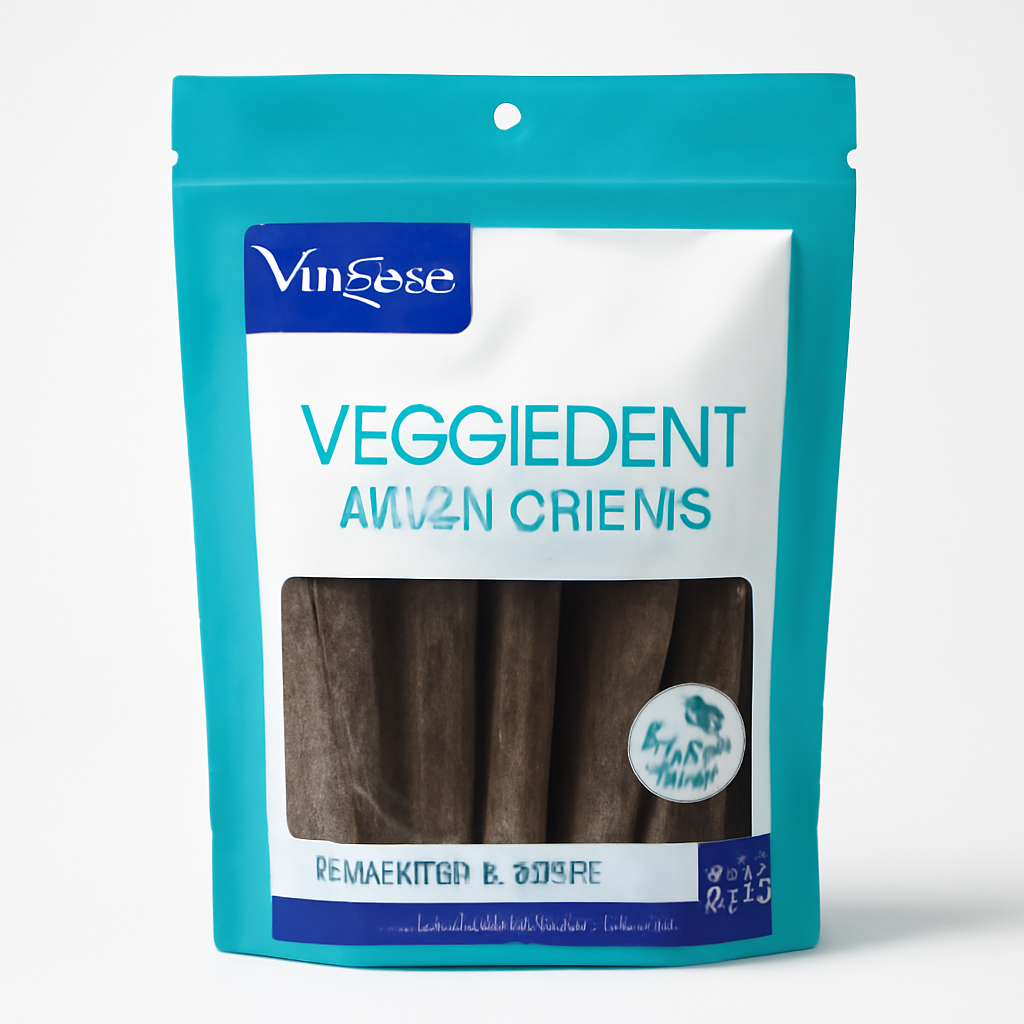
2. Virbac C.E.T. VeggieDent Fr3sh Chews — Best Natural Pick
Developed by a veterinary brand, Virbac C.E.T. VeggieDent Fr3sh Chews are plant-based, grain-free, and VOHC-accepted. Their Z-shaped design and firm-but-pliable texture make dogs work at them, extending chew time and cleaning action. The plant-based formula is a strong choice for dogs with sensitivities to animal-protein treats.
Pros
– VOHC-accepted and vet-formulated
– Plant-based and grain-free
– Longer chew time thanks to the twisted shape
– Contains breath-freshening ingredients
Cons
– Firmer than some dogs prefer at first
– Often sold at a premium price point
– The chewy texture can be a lot for very small or senior dogs
—
3. Purina DentaLife Daily Oral Care Chews — Best Value
If you want daily dental care without a premium price, Purina DentaLife Daily Oral Care Chews are a smart everyday option. Their porous, ridged texture is designed to reach the hard-to-clean back teeth, and they’re widely available and easy to restock. For multi-dog households where cost adds up fast, this is often the practical winner.
Pros
– Very accessible price for daily use
– Airy, ridged texture targets back teeth
– Easy to find; convenient for regular buyers
– Sized options for small through large dogs
Cons
– Wider ingredient list than some minimalist chews
– Verify current VOHC status for the specific product line you buy
– Less “premium” feel than vet-brand options
—
Also Worth Considering
Whimzees by Wellness Natural Dental Chews are grain-free, made with a short list of recognizable ingredients, and come in fun shapes (toothbrush, alligator, stix) that extend chew time — a great fit for owners who prioritize limited-ingredient, natural products.
Oravet Dental Hygiene Chews use a dual-action approach: mechanical cleaning plus a coating designed to interrupt plaque-bacteria bonding. They’re a step up for dogs prone to heavy tartar, and worth discussing with your vet.
—
Safety Tips: Digestibility, Calories & Choking Risks
A dental chew is only beneficial if it’s used safely. Follow these rules every time:
– Always supervise. Never leave a dog alone with any chew. Most choking incidents happen when the last, swallowable chunk goes down whole.
– Size up for gulpers. If your dog swallows things whole, choose the largest appropriate size and take it away when it gets small enough to gulp.
– Match texture to your dog. Avoid anything so hard it could crack a tooth (antlers, hooves, dense bones). Firm-but-yielding is the target.
– Count the calories. Reduce meals slightly on chew days, especially for small breeds and dogs watching their weight.
– Introduce slowly. New chews — especially richer or plant-based ones — can cause digestive upset. Start with one and watch for any GI issues.
– Fresh water always. Chewing stimulates thirst and helps everything go down smoothly.
– Know your dog’s limits. Puppies, seniors, and dogs with existing dental disease need gentler options and a vet’s input first.
> Important: Dental chews supplement oral care — they don’t replace it. Regular brushing and professional veterinary cleanings remain the foundation of your dog’s dental health.
—
Frequently Asked Questions About Dog Dental Chews
How often should I give my dog a dental chew?
Most dental chews are designed for once-daily use — that’s where the plaque-control benefit actually comes from, since plaque hardens within a couple of days. Always follow the specific product’s guidance and factor the chew into daily calories.
Do dental chews actually work, or is it just marketing?
The good ones genuinely work — but “good” is doing heavy lifting there. Products with the VOHC Seal of Acceptance have independent data showing they reduce plaque and/or tartar. Chews without any functional design or testing are closer to flavored cookies. Look for the seal.
Can dental chews replace brushing my dog’s teeth?
No. Brushing is still the gold standard because it reaches surfaces a chew can’t. Think of dental chews as a valuable addition to brushing and professional cleanings — not a substitute. That said, a daily chew is far better than doing nothing at all.
Are dental chews safe for puppies?
Use caution. Many chews are formulated for adult dogs, and puppies have developing teeth and more sensitive stomachs. Check the package age guidance and ask your vet before starting a puppy on any chew.
What’s the safest option for aggressive chewers?
Aggressive chewers need something durable but not tooth-crackingly hard. Avoid antlers, hooves, and dense nylon. A firm-but-yielding VOHC chew in the largest appropriate size, given under supervision, is usually the safest route.
My dog has really bad breath — will a chew fix it?
A chew will help, but persistent bad breath can signal existing dental disease that a chew can’t fix. If the smell is strong or sudden, book a veterinary dental exam — there may be tartar or infection that needs professional cleaning.
—
Our Verdict
For most dogs and most owners, the best dental chew is simply the good one you’ll actually use every single day. Consistency beats perfection.
– Best overall: Greenies Original Dental Treats — VOHC-accepted, dogs love them, and precise sizing makes them easy to use correctly. If you’re not sure where to start, start here.
– Best natural pick: Virbac C.E.T. VeggieDent Fr3sh Chews — vet-formulated, plant-based, and great for extended chew time and sensitivities.
– Best value: Purina DentaLife Daily Oral Care Chews — daily dental care that won’t strain the budget, ideal for multi-dog homes.
Whichever you choose, look for the VOHC seal, match the size and texture to your specific dog, supervise every chew, and pair it with brushing when you can. Do that consistently, and you’ll spend less on dental procedures — and enjoy a lot more close-up puppy kisses without wincing.
Always consult your veterinarian before starting a new dental product, especially if your dog has existing health or dental conditions.