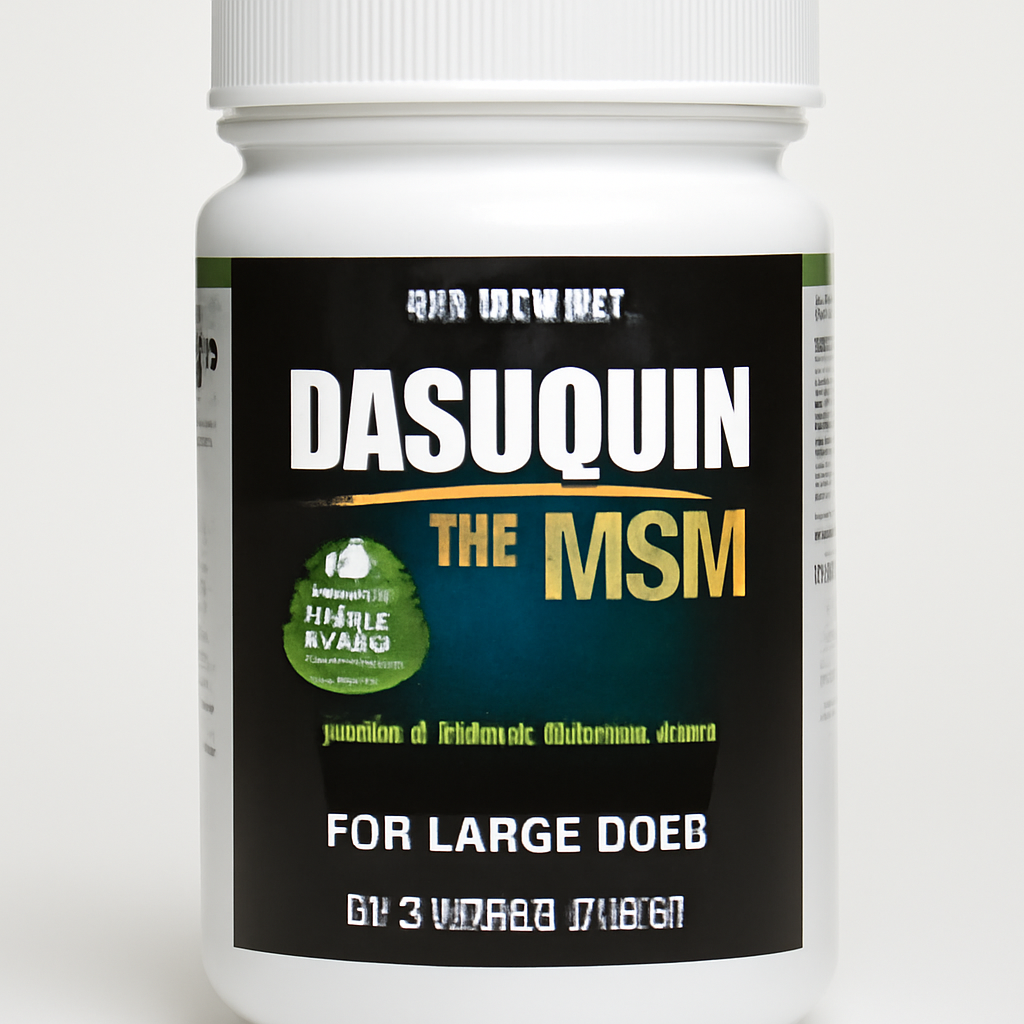
Quick answer: If your dog is slowing down on walks, hesitating at the stairs, or stiff after a nap, a quality joint supplement can help. Our top overall pick for 2026 is Nutramax Dasuquin with MSM for its clinically studied glucosamine-chondroitin-ASU formula. For a budget-friendly soft chew, Zesty Paws Mobility Bites is the best value. Read on for all 7 picks, ingredient guidance, and dosing by dog size.
—
Why Joint Health Matters for Dogs (and When to Start)
Dogs hide pain well. By the time you notice your dog limping or struggling to jump into the car, joint cartilage has often already begun breaking down. Canine osteoarthritis affects an estimated 1 in 4 dogs, and in large and giant breeds that number climbs even higher.
The tricky part is timing. Most owners wait until their dog is a visible senior — but joint support works best as a preventive measure, before cartilage is badly worn. Here’s a general guide for when to start:
– Large & giant breeds (Labs, Goldens, German Shepherds, Great Danes): consider starting around age 1–2, since they’re genetically prone to hip and elbow dysplasia.
– Active/working dogs & canine athletes: start early — repetitive impact wears joints faster.
– Small & medium breeds: many benefit from starting around age 5–7.
– Any dog recovering from a joint injury or surgery: ask your vet about starting right away.
Watch for early warning signs: reluctance to climb stairs, stiffness after resting, “bunny hopping,” slowing down on walks, licking at a joint, or difficulty rising. If you see these, it’s worth a vet visit and a conversation about supplementation.
Key Ingredients to Look For: Glucosamine, Chondroitin & MSM
Not all joint supplements are created equal. The label matters more than the marketing. Here are the ingredients with the most research behind them:
Glucosamine
The building block of cartilage. Glucosamine hydrochloride (HCl) is the most concentrated and commonly used form in canine products. It supports the body’s ability to repair and maintain cartilage.
Chondroitin Sulfate
Works synergistically with glucosamine to help cartilage retain water and resist compression. The two are almost always paired for a reason — studies suggest they perform better together than alone.
MSM (Methylsulfonylmethane)
A natural sulfur compound that supports connective tissue and has anti-inflammatory properties. Great for dogs with active discomfort and stiffness.
Omega-3 Fatty Acids (EPA & DHA)
From fish oil or green-lipped mussel, omega-3s are among the most evidence-backed anti-inflammatories for joints. Many premium formulas now include them.
Supporting Players
– ASU (Avocado/Soybean Unsaponifiables): helps slow cartilage breakdown; found in premium formulas like Dasuquin.
– Green-Lipped Mussel: natural source of omega-3s and glycosaminoglycans.
– Turmeric/Curcumin: plant-based anti-inflammatory.
– Hyaluronic Acid: supports joint fluid lubrication.
What to avoid: vague “proprietary blends” that don’t disclose amounts, products with excessive fillers, and anything making disease-cure claims (a red flag — supplements support, they don’t cure).
How We Chose the Best Dog Joint Supplements of 2026
We evaluated dozens of products against criteria that actually predict results:
1. Ingredient transparency — exact milligram amounts of glucosamine, chondroitin, and MSM listed on the label.
2. Clinical backing — preference for brands with published studies or veterinary formulation.
3. Quality control — participation in the NASC (National Animal Supplement Council) quality seal program.
4. Format & palatability — does the dog actually eat it?
5. Value — cost per effective dose, not just sticker price.
6. Real-world reputation — brands with a long track record of veterinary recommendation.
We did not rank products by advertising budget or flashy packaging. A supplement only works if it contains meaningful doses of proven ingredients and your dog will consistently take it.
Top 7 Dog Joint Supplements Reviewed
1. Nutramax Dasuquin with MSM — Best Overall
Nutramax Dasuquin with MSM is widely considered the gold standard among veterinarians. It combines glucosamine, chondroitin, ASU, and MSM in a formula backed by the manufacturer’s research. It comes in soft chews for small/medium and large dogs, so you can match the dose to your dog’s size.
Pros:
– Contains ASU, which few competitors include
– Frequently recommended by veterinarians
– NASC quality-seal manufacturer
– Size-specific formulations
Cons:
– Premium price point
– Some picky dogs need it hidden in food
2. Nutramax Cosequin Maximum Strength Plus MSM — Best for Established Arthritis
Nutramax Cosequin Maximum Strength Plus MSM is Dasuquin’s well-known sibling and one of the most-recommended joint supplements in veterinary clinics. It delivers a strong glucosamine-chondroitin-MSM dose in chewable tablets or soft chews.
Pros:
– Long, trusted track record
– Available almost everywhere
– Backed by manufacturer research
Cons:
– No ASU (that’s Dasuquin’s edge)
– Tablet version less palatable than chews
3. Zesty Paws Mobility Bites — Best Value Soft Chew
Zesty Paws Mobility Bites pack glucosamine, chondroitin, MSM, and green-lipped mussel into a tasty soft chew at a wallet-friendly price. For owners who want solid coverage without the premium cost, this is our top budget pick.
Pros:
– Excellent value per chew
– Includes green-lipped mussel omega-3s
– High palatability — dogs treat it like a snack
Cons:
– Lower ingredient concentrations than clinical-grade options
– Better for prevention than advanced arthritis
4. VetriScience GlycoFlex Plus — Best for Large & Senior Dogs
VetriScience GlycoFlex Plus is formulated with green-lipped mussel, glucosamine, MSM, and DMG, and is a favorite for big breeds and aging dogs needing extra mobility support.
5. PetHonesty Advanced Hip & Joint — Best Natural/Clean-Label Option
PetHonesty Advanced Hip & Joint appeals to owners looking for a cleaner label, combining glucosamine, chondroitin, MSM, turmeric, and green-lipped mussel without artificial additives.
6. Nutramax Welactin Omega-3 — Best Omega-3 Add-On
Nutramax Welactin Omega-3 isn’t a standalone joint chew — it’s a concentrated fish-oil supplement to stack alongside a glucosamine product for extra anti-inflammatory support. A great complement rather than a replacement.
7. Cosequin ASU for Dogs — Best Premium Alternative
Cosequin ASU bridges the gap between standard Cosequin and Dasuquin, adding avocado/soybean unsaponifiables for dogs that need more comprehensive cartilage support.
Top Picks at a Glance
| Product | Best For | Price Range |
| Nutramax Dasuquin with MSM | Best overall / all-around | |
| Cosequin Max Strength Plus MSM | Established arthritis | |
| Zesty Paws Mobility Bites | Budget-friendly value | |
| VetriScience GlycoFlex Plus | Large & senior dogs | |
| PetHonesty Advanced Hip & Joint | Clean-label / natural | |
| Nutramax Welactin Omega-3 | Omega-3 add-on | |
| Cosequin ASU | Premium alternative |
Chews vs. Powders vs. Liquids: Which Format Is Best?
The best format is the one your dog will take consistently. Here’s how they compare:
Soft Chews
The most popular format for a reason — most dogs happily eat them like treats. Ideal for daily compliance.
– Best for: picky eaters, owners who want zero hassle
– Watch for: slightly lower concentrations; check the label
Powders
Sprinkled over food, powders often offer the highest concentration per dollar and are easy to dose up or down.
– Best for: dogs already on wet or topped food, multi-dog households
– Watch for: some dogs detect and avoid them; less convenient when traveling
Liquids
Fast-absorbing and easy to mix into food. Good for dogs who won’t chew tablets.
– Best for: senior dogs with dental issues, precise dosing
– Watch for: shorter shelf life once opened; can be messier
Chewable Tablets
Concentrated and shelf-stable, but the least palatable — many owners end up hiding them in a treat.
– Best for: dogs that will take a pill; maximum potency
– Watch for: compliance struggles with picky dogs
Bottom line: For most households, a soft chew wins on consistency. If your dog is a fussy eater, a powder mixed into wet food is a strong backup.
Dosage, Safety & Vet Guidance by Dog Size and Age
Always follow the label and consult your veterinarian, especially if your dog takes other medications. General principles:
Dosing by Size
Most joint supplements dose by body weight. Typical structure:
| Dog Size | Weight | Typical Approach |
| Small | Under 30 lbs | Lowest labeled dose / small-breed formula |
| Medium | 30–60 lbs | Mid-range labeled dose |
| Large | 60–100 lbs | Large-breed formula |
| Giant | 100+ lbs | Highest dose; confirm with vet |
Many products use a “loading dose” — a higher amount for the first 4–6 weeks to build up levels, then a lower maintenance dose. Follow the specific product’s instructions.
When You’ll See Results
Joint supplements are not instant. Give it 4–8 weeks of consistent daily use before judging whether it’s helping. Improvement often shows up as more willingness to play, easier rising, and better stair navigation.
Safety Notes
– Glucosamine and chondroitin are generally very well tolerated. Mild GI upset (soft stool, gas) is the most common side effect and usually resolves.
– Diabetic dogs: talk to your vet, as glucosamine is a sugar-based compound (research suggests minimal impact at normal doses, but confirm).
– Dogs with shellfish sensitivity: glucosamine is often derived from shellfish — choose a suitable formula.
– Never give human joint supplements without vet approval — some contain xylitol or other ingredients toxic to dogs.
– Supplements support joint health but don’t replace vet care, weight management, or prescribed pain medication for arthritis.
The single most powerful joint intervention isn’t a supplement at all — it’s keeping your dog at a healthy weight. Every extra pound adds load to already-stressed joints. Pair supplementation with lean body condition and appropriate exercise for the best results.
Frequently Asked Questions About Dog Joint Supplements
Do dog joint supplements actually work?
For many dogs, yes — particularly glucosamine, chondroitin, MSM, and omega-3 formulas used consistently over time. Results vary by dog and by the severity of joint wear. They work best as part of a broader plan that includes weight management and vet care.
How long until I see results?
Typically 4–8 weeks of daily use. Some formulas use a higher loading dose in the first month to speed this up.
Can I give my puppy a joint supplement?
For at-risk large and giant breeds, some vets recommend starting early. Always confirm with your veterinarian before starting a young dog.
Can I give too much?
Glucosamine and chondroitin have a wide safety margin, but more isn’t better — excess can cause GI upset. Stick to the labeled dose.
Are prescription options better than over-the-counter?
Some cases (advanced arthritis) call for prescription anti-inflammatories or injectables that a supplement can’t replace. Supplements and prescription treatments often work together — your vet can advise.
What’s the difference between Cosequin and Dasuquin?
Both are made by Nutramax. Dasuquin adds ASU (avocado/soybean unsaponifiables) for more comprehensive cartilage support, which is why it typically ranks a notch above standard Cosequin.
Our Verdict
For the majority of dogs in 2026, Nutramax Dasuquin with MSM is the best joint supplement you can buy — its ASU-enhanced, vet-trusted formula covers the most bases, and the size-specific chews make dosing simple. If your dog already has established arthritis, Cosequin Maximum Strength Plus MSM is a proven, widely available choice.
Shopping on a budget? Zesty Paws Mobility Bites deliver real ingredients in a chew dogs love, at a fraction of the premium price. And for extra anti-inflammatory power, stack any of these with Nutramax Welactin Omega-3.
Whatever you choose, start early, stay consistent, keep your dog lean, and loop in your veterinarian. Your dog’s future self — bounding up the stairs at 12 years old — will thank you.
This article is for informational purposes and is not a substitute for professional veterinary advice. Always consult your veterinarian before starting a new supplement.