Quick answer: You don’t need to spend a fortune to get a safe, durable dog cage. The best options under $100 in 2026 are the MidWest iCrate Double Door for most dogs, the AmazonBasics Folding Metal Crate for budget shoppers, the Frisco Fold & Carry Wire Crate for easy transport, and the EliteField 3-Door Soft Crate for calm dogs and travel. Match the crate to your dog’s adult size, prioritize a sturdy latch and a leak-proof pan, and you’ll get years of use without overspending.
Buying a crate can feel surprisingly complicated. There are wire ones, plastic ones, soft-sided ones, single-door, double-door, “heavy-duty,” and a hundred sizes in between — and the prices swing wildly for products that look nearly identical. This guide cuts through it so you can pick the right cage for your dog, at the right size, without paying for features you don’t need.
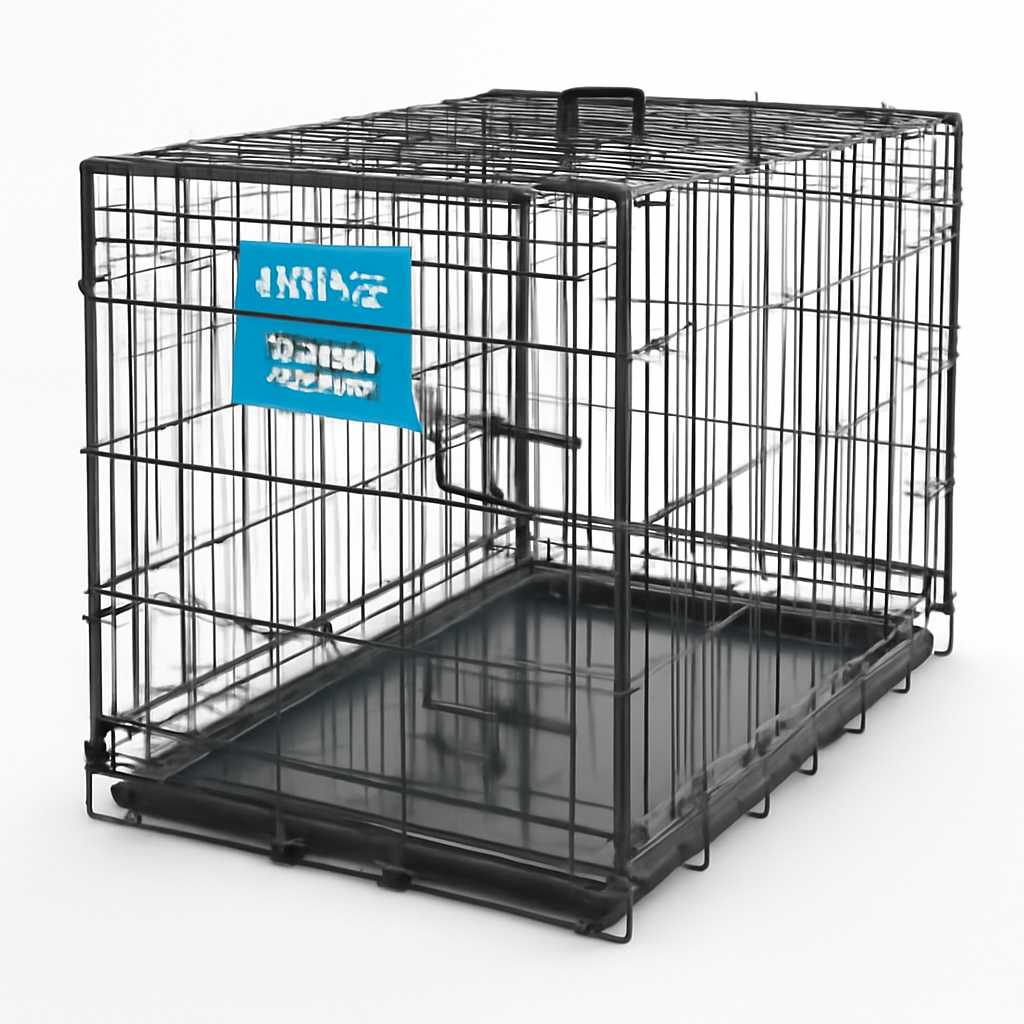
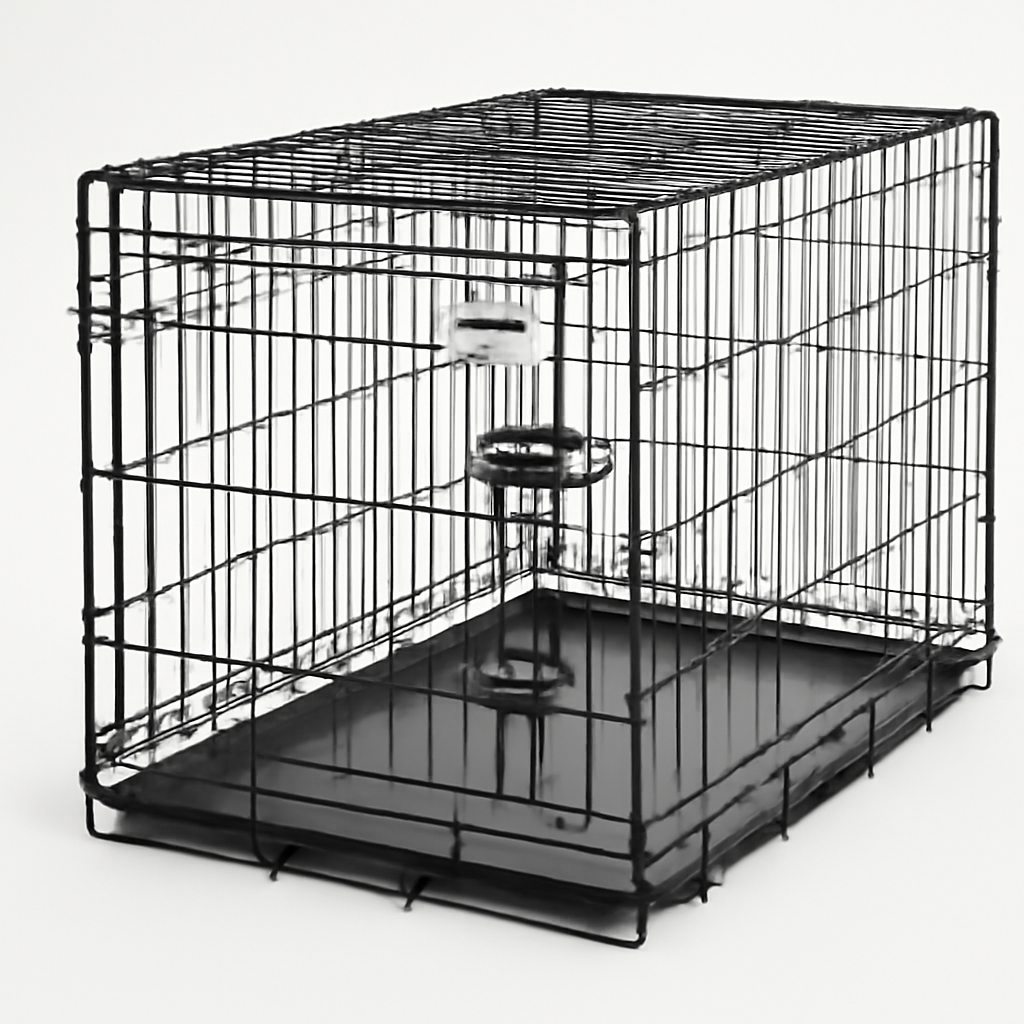
What to Look for in a Budget Dog Cage
Under $100, you can absolutely get a crate that’s safe and long-lasting — you just have to know which corners are okay to cut and which aren’t.
Here’s what actually matters:
– Secure latches. This is the single most important feature. Look for slide-bolt latches (two per door on wire crates) rather than flimsy single clips. A determined dog can pop a weak latch in seconds.
– A leak-proof pan. Most wire crates include a plastic or metal tray on the bottom. Plastic is standard at this price and works fine — just check that it slides out for cleaning and doesn’t warp.
– Rounded edges and smooth welds. Run your hand (or read reviews) to confirm there are no sharp wire ends that could scratch your dog.
– A divider panel. If you’re buying for a puppy, a divider lets you shrink the interior as they grow, so you buy one crate instead of three.
– Foldable design. Nearly every wire crate under $100 folds flat “suitcase style” for storage and moving. This is standard and worth insisting on.
What you generally won’t get at this price: escape-proof, chew-proof steel construction (the heavy-duty “high-anxiety” crates start around $150–$300), and premium furniture-style wooden crates. If you have a powerful escape artist or a severe separation-anxiety chewer, budget crates may not hold — that’s an honest limitation.
How to Size a Dog Cage Correctly
Sizing is where most first-time buyers go wrong, and getting it right matters more than the brand.
The rule: Your dog should be able to stand up without ducking, turn around fully, and lie down stretched out — but not much more. A crate that’s too big actually undermines house-training, because a dog will happily use one end as a bathroom and sleep in the other.
How to measure your dog:
1. Length: Measure from the tip of the nose to the base of the tail (where it meets the body — not the tip). Add 2–4 inches.
2. Height: Measure from the floor to the top of the head while sitting (or to the tips of the ears for upright-eared breeds). Add 2–4 inches.
General size guide by weight:
| Crate Size | Length | Best For (adult weight) |
| 24″ | 24 inches | Small dogs up to ~25 lbs (Chihuahua, Yorkie) |
| 30″ | 30 inches | Small-medium, 26–40 lbs (Beagle, French Bulldog) |
| 36″ | 36 inches | Medium, 41–70 lbs (Bulldog, Cocker Spaniel) |
| 42″ | 42 inches | Large, 71–90 lbs (Labrador, Golden Retriever) |
| 48″ | 48 inches | X-Large, 91+ lbs (German Shepherd, Rottweiler) |
Puppy tip: Buy for your puppy’s projected adult size and use the included divider to section off a smaller area now. Check the parents’ size or ask your breeder/vet for an estimate.
Wire vs. Plastic vs. Soft-Sided Crates
The three crate styles serve genuinely different purposes. Here’s how to choose.
Wire Crates
The most popular and versatile choice. Wire crates offer excellent airflow, fold flat for storage, and let your dog see out (good for social dogs). They’re easy to clean thanks to a slide-out tray, and dividers make them puppy-friendly. The downside: they offer less “den-like” security for anxious dogs, and they can be noisy if your dog rattles the bars.
Best for: Most dogs, home use, puppy training, warm climates.
Plastic Crates
Enclosed plastic crates (sometimes called “kennels” or “carriers”) feel more den-like and cozy, block visual stimulation, and are usually the only type accepted for airline travel. They’re sturdier in a car and retain warmth. The trade-offs: less ventilation, harder to store (they don’t fold), and less visibility.
Best for: Car travel, air travel, dogs who prefer a cave-like space, cooler climates.
Soft-Sided Crates
Lightweight, fabric-covered crates with a collapsible frame. They’re by far the easiest to carry and set up, and they’re comfortable for lounging. But they’re only appropriate for already crate-trained, calm dogs — any dog that chews, scratches, or tries to escape will destroy one quickly.
Best for: Travel, camping, small or senior dogs, dogs who are already reliably crate-trained.
Top Dog Cages Under $100 in 2026
Here are our top picks across categories. Every one of these regularly sells under $100 (larger sizes may push the ceiling, so always confirm the current price).
Top Picks at a Glance
| Product | Best For | Price Range |
| MidWest iCrate Double Door | Best overall / most dogs | Budget–Mid |
| AmazonBasics Folding Metal Crate | Best value | Budget |
| Frisco Fold & Carry Wire Crate | Easy transport & setup | Budget–Mid |
| EliteField 3-Door Soft Crate | Travel & calm dogs | Mid |
| Petmate Two-Door Top Load Kennel | Car & air travel | Budget–Mid |
1. MidWest iCrate Double Door — Best Overall
The MidWest iCrate is the crate most trainers and shelters reach for, and for good reason. It hits the sweet spot of price, durability, and thoughtful features: two doors (front and side) for flexible placement, a divider panel included, a leak-proof plastic pan, rounded corners, and “roller feet” that protect your floors. It folds flat in seconds without tools.
Pros:
– Double doors for flexible room placement
– Divider panel included — grows with puppies
– Widely available in every size from 22″ to 48″
– Proven, trusted design
Cons:
– Standard-duty wire won’t stop a serious escape artist
– Pan is plastic (fine, but not premium)
2. AmazonBasics Folding Metal Crate — Best Value
The AmazonBasics Folding Metal Crate is the no-frills pick that consistently comes in at the lowest price. It’s functionally very similar to the iCrate — folding wire construction, slide-out tray, single or double door options, and divider included on most sizes. You’re trading a little brand polish and finish quality for real savings.
Pros:
– Typically the cheapest reputable option
– Divider included; multiple sizes
– Simple, effective, easy to clean
Cons:
– Latch and finish quality slightly below the iCrate
– Thinner wire gauge on larger sizes
3. Frisco Fold & Carry Wire Crate — Best for Easy Transport
The Frisco Fold & Carry adds a built-in carrying handle and a genuinely tool-free, quick-fold design, making it the easiest wire crate to move between rooms, cars, and trips. It includes the same essentials — divider, leak-proof tray, secure latches — with a focus on portability.
Pros:
– Built-in handle and fast fold-down
– Divider and tray included
– Good balance of price and convenience
Cons:
– Handle adds little value if the crate stays put
– Largest sizes get heavy despite the handle
4. EliteField 3-Door Soft Crate — Best for Travel
For a crate-trained, mellow dog, the EliteField 3-Door Soft Crate is lightweight, sets up in under a minute, and packs down for camping, road trips, or visits. Three zippered mesh doors give great airflow and access, and it comes with a carrying bag and fleece mat.
Note: This is not for chewers, diggers, or dogs prone to escaping — the fabric won’t survive a determined dog.
5. Petmate Two-Door Top Load Kennel — Best for Car & Air Travel
The Petmate Two-Door Top Load Kennel is a hard-sided plastic crate with front and top loading doors — the top door makes it far easier to place a nervous dog inside. Its enclosed design is car-safe and, in the right size and configuration, suitable for airline travel (always confirm your airline’s specific requirements).
Key Safety and Durability Features
Before you check out, run through this safety checklist:
– Double-latch doors. On wire crates, each door should have two slide-bolt latches. Single-clip doors are the most common failure point.
– No sharp edges. Confirm welds are smooth and wire ends are capped or rounded.
– Stable, non-warping pan. The tray should sit flush and slide out fully. Warped pans leak and let odors linger.
– Appropriate wire gauge. Larger crates need thicker wire. If reviews mention bending bars, size up in build quality.
– Correct sizing. An oversized crate isn’t “generous” — it’s a safety and training downgrade. Snug-but-comfortable is the goal.
– Chew and escape risk. Be honest about your dog. Budget crates are built for typical dogs, not high-anxiety escape artists.
Setup, Placement, and Crate Training Tips
A good crate only works if it’s set up and introduced correctly.
Placement:
– Put the crate in a low-traffic but not isolated spot — a corner of the living room or bedroom is ideal. Dogs are social; total isolation increases anxiety.
– Keep it away from direct heat, sun, and drafts.
– For anxious dogs, draping a light blanket over a wire crate (leaving airflow) creates a calmer, den-like feel.
Making it comfortable:
– Add a washable crate mat or pad — but if your dog chews bedding, use a chew-proof mat or go bare temporarily.
– Include a safe chew toy or a stuffed treat toy to build positive associations.
Crate training basics:
1. Introduce it slowly. Leave the door open and toss treats inside so your dog explores on their own terms.
2. Feed meals in the crate to build a positive link.
3. Start with short closed-door sessions (a few minutes) while you’re in the room, then gradually extend time and distance.
4. Never use the crate as punishment. It should be a safe space, not a penalty box.
5. Build up alone time gradually. Don’t jump from five minutes to eight hours.
Patience pays off — rushed crate training is the top reason dogs resist the crate later.
Frequently Asked Questions
Can I really get a good dog crate for under $100?
Yes — for the vast majority of dogs. Trusted wire crates like the MidWest iCrate and AmazonBasics folding crate cost well under $100 in most sizes and last for years. You only need to spend more if you have a powerful escape artist or a severe chewer that requires heavy-duty steel construction.
What size crate should I buy for a puppy?
Buy for the puppy’s projected adult size and use the included divider to shrink the interior for now. This saves you from buying multiple crates as they grow.
Is a wire or plastic crate better?
It depends on use. Wire crates are best for home use, airflow, and puppies. Plastic crates are cozier, more travel- and car-friendly, and usually required for air travel. Soft-sided crates suit only calm, already-trained dogs.
Where should I put the crate at night?
Many dogs settle best with the crate in or near your bedroom, especially puppies who feel reassured by your presence. You can gradually move it to a permanent spot once your dog is comfortable.
Do budget crates hold up to chewing?
Standard wire and plastic crates handle typical dogs well but aren’t chew-proof. Determined chewers or dogs with separation anxiety may need a heavy-duty crate, which falls outside the under-$100 range.
How long can a dog stay in a crate?
As a general guideline, adult dogs shouldn’t be crated more than 4–6 hours at a stretch during the day, and puppies far less (roughly their age in months plus one, in hours). The crate is a training and safety tool, not an all-day containment solution.
Our Verdict
For most dog owners in 2026, the MidWest iCrate Double Door is the best crate under $100 — it’s durable, thoughtfully designed, available in every size, and includes a divider that makes it ideal for growing puppies. If you want to spend as little as possible, the AmazonBasics Folding Metal Crate delivers nearly the same functionality for less.
Travelers should look at the Petmate Two-Door Top Load Kennel for car and air trips, or the EliteField 3-Door Soft Crate if your dog is already calm and crate-trained. And if portability around the house matters most, the Frisco Fold & Carry is the most convenient pick.
Whichever you choose, get the sizing right first — a properly sized, well-latched crate from any of these brands will serve you and your dog well for years, no premium price tag required.
Always confirm current pricing and your airline’s specific crate requirements before purchasing.