Quick answer: If you’re short on time, the best all-around dog training collar in 2026 is the SportDOG Brand FieldTrainer 425X for its long range and rugged waterproofing. For stubborn or hard-to-reach dogs, the Dogtra 1900S offers the most precise stimulation control, while the PetSafe Gentle Spray/Static Trainer is the friendliest pick for beginners on a budget. Keep reading for the full breakdown.
Struggling with a dog that bolts the second the leash comes off, barks at every passing car, or ignores your recall like you’re speaking another language? You’re not alone — and a modern e-collar (used correctly and humanely) can be one of the most effective tools for closing that communication gap. But the market is crowded, the terminology is confusing, and not all collars are created equal. This guide cuts through the noise so you can pick the right one for your dog.
—
What Is a Dog Shock Collar (and How It Works)
A “shock collar” — more accurately called an e-collar, remote training collar, or static stimulation collar — is a training device with two parts: a receiver collar worn around your dog’s neck and a handheld remote you control. When you press a button, the collar delivers a signal to your dog. That signal is usually one of three types:
– Static stimulation — a mild electrical tingle (think of the static shock you get from a doorknob, dialed up or down across many levels).
– Vibration — a buzz, similar to a phone on silent, with no electrical component.
– Tone — an audible beep used as a warning or marker cue.
Despite the scary “shock” name, the electrical output on quality modern collars is low-level and adjustable, designed to get your dog’s attention — not to hurt them. Most reputable brands offer 15 to 100+ intensity levels precisely so you can find the lowest setting your dog even notices.
How the signal reaches your dog
The remote sends a radio signal to the receiver, which fires the selected mode through two contact points touching your dog’s skin. Range varies dramatically between models — from a backyard-friendly 400 yards to well over a mile for field and hunting collars.
—
Are Shock Collars Safe and Humane? What to Know First
This is the question every responsible owner should ask, so let’s be honest about it.
E-collars are a legitimate, widely-used training tool, but they are also easy to misuse. The consensus among modern trainers is:
– Start at the lowest level. Find your dog’s “working level” — the faintest stimulation they respond to (often a slight ear flick or head turn). You should almost never need high settings.
– Never use it for punishment or out of frustration. The collar is a communication cue, not a discipline device.
– Pair it with positive reinforcement. The best results come from combining stimulation cues with treats, praise, and clear commands — not from stimulation alone.
– Fit matters. A collar worn too loosely won’t deliver a consistent signal; too tight risks pressure sores. Two fingers under the strap is the rule.
– Limit wear time. Don’t leave a receiver on your dog 24/7 — rotate contact point positions and give the neck a break to avoid irritation.
Who should skip a shock collar? Puppies under 6 months, dogs with anxiety or fear-based aggression, and toy breeds that may find even low stimulation overwhelming. For these dogs, a vibration-only or tone-only collar (or a different training approach entirely) is a better call. When in doubt, consult a certified professional trainer.
—
Key Features to Look for in 2026 (Range, Modes, Battery)
Not all e-collars are built the same. Here’s what actually matters when you’re comparing models this year.
Range
Match the range to your environment:
– Backyard / obedience training: 400–800 yards is plenty.
– Open fields / off-leash hikes: 1 mile or more.
– Remember: obstacles like trees, hills, and buildings reduce real-world range below the advertised spec.
Stimulation Modes & Levels
Look for all three modes (static, vibration, tone) so you have flexibility. More importantly, look for fine-grained intensity levels — a collar with 100 levels lets you dial in a much more precise, humane working level than one with only 8.
Battery Life & Charging
In 2026, rechargeable lithium batteries are standard. Look for:
– Quick-charge support (a 2-hour full charge is common).
– Battery life of 40–70 hours per charge.
– Battery-level indicators on both remote and receiver.
Waterproofing
If your dog swims, plays in rain, or works in the field, an IPX7-rated (fully waterproof) receiver is non-negotiable.
Multi-Dog Support
Training more than one dog? Some remotes support 2–3 receivers on a single handheld, letting you switch between dogs on the fly.
Safety Features
Look for a lock-out or safety switch to prevent accidental stimulation, and a max-level cap you can set so you never exceed a chosen intensity.
—
Best Dog Shock Collars of 2026: Top Picks Reviewed
Here are our top picks for 2026, chosen for build quality, humane feature sets, and real-world reliability across different needs and budgets.
Top Picks at a Glance
| Product | Best For | Price Range |
| SportDOG FieldTrainer 425X | All-around training & field use | |
| Dogtra 1900S | Precise control / stubborn dogs | |
| Garmin Sport PRO | Hunters & long-range recall | |
| PetSafe Static Trainer | Beginners & budget buyers | |
| Educator E-Collar ET-300 | Gentle, low-level “tapping” stimulation |
—
1. SportDOG FieldTrainer 425X — Best Overall
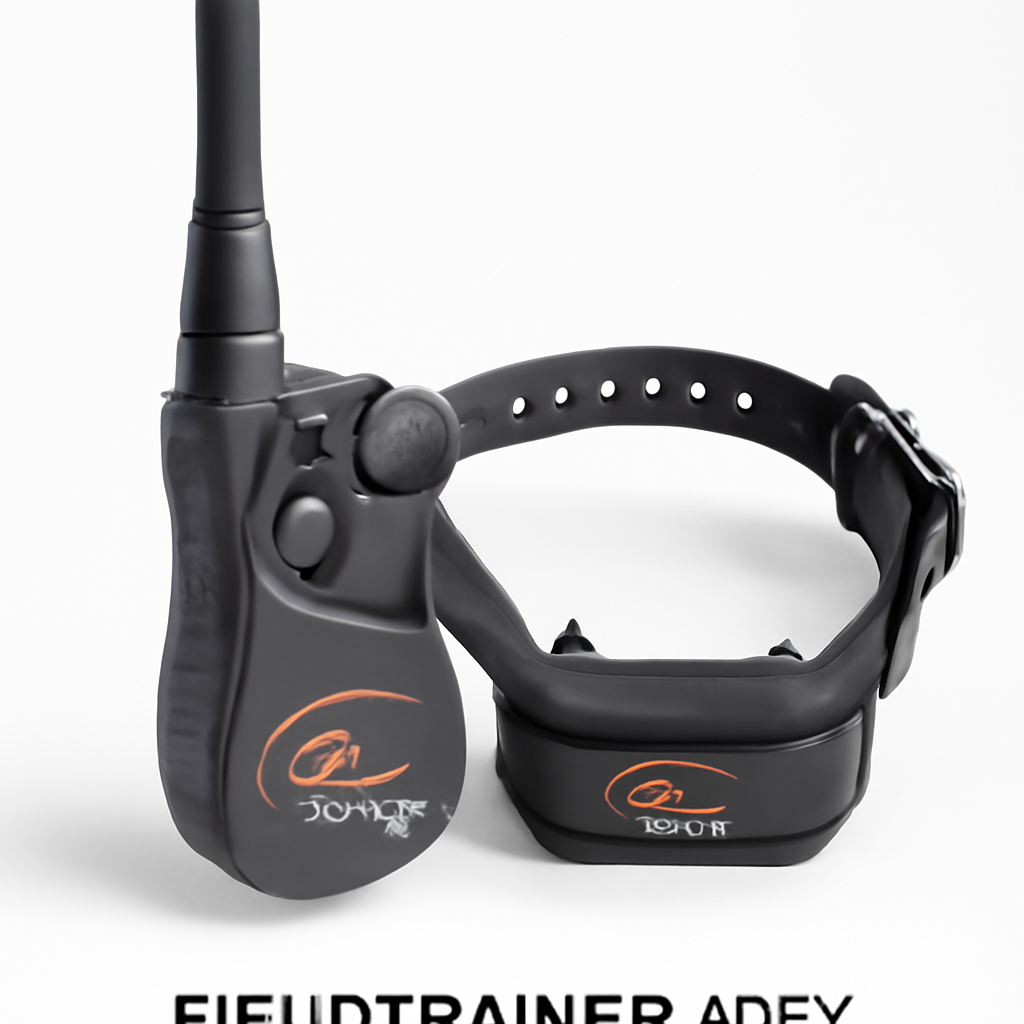
The SportDOG FieldTrainer 425X hits the sweet spot for most owners: rugged, waterproof, and simple to operate without sacrificing control. With a ~500-yard range, seven levels of static across two ranges plus tone and vibration, and a fully submersible (IPX7) design, it handles everything from backyard obedience to lakeside retrieves. Its 2-hour quick charge and multi-dog expandability round out a package that’s hard to beat.
Pros:
– Fully waterproof and submersible
– Quick 2-hour charge, ~50–70 hour battery life
– Expandable to 3 dogs
– Intuitive remote layout
Cons:
– Range is shorter than dedicated hunting collars
– Only seven static levels per range (less granular than some rivals)
—
2. Dogtra 1900S — Best for Precise Control
If your dog is strong-willed or you want the finest control over stimulation, the Dogtra 1900S is the enthusiast’s choice. Its signature precision dial gives you smooth, granular intensity adjustment on the fly, and the “Nick” (momentary) and “Constant” stimulation options let experienced handlers fine-tune their timing. It’s waterproof, tough, and built for serious training.
Pros:
– Ultra-precise, dial-based intensity control
– Rugged, waterproof construction
– Excellent for experienced trainers and stubborn dogs
Cons:
– Steeper learning curve for beginners
– Premium price point
—
3. Garmin Sport PRO — Best for Hunters & Long Range
When your dog ranges far — think open fields, hunting, or big rural properties — the Garmin Sport PRO delivers with roughly ¾-mile range and a one-hand-friendly remote. Its “BarkLimiter” mode and quick-access controls make it a favorite among sporting-dog owners who need reliability at distance.
Pros:
– Long ~¾-mile range
– Built-in bark-control mode
– Simple one-handed operation
Cons:
– Overkill (and pricey) for basic backyard training
—
4. PetSafe Static Trainer — Best for Beginners & Budget
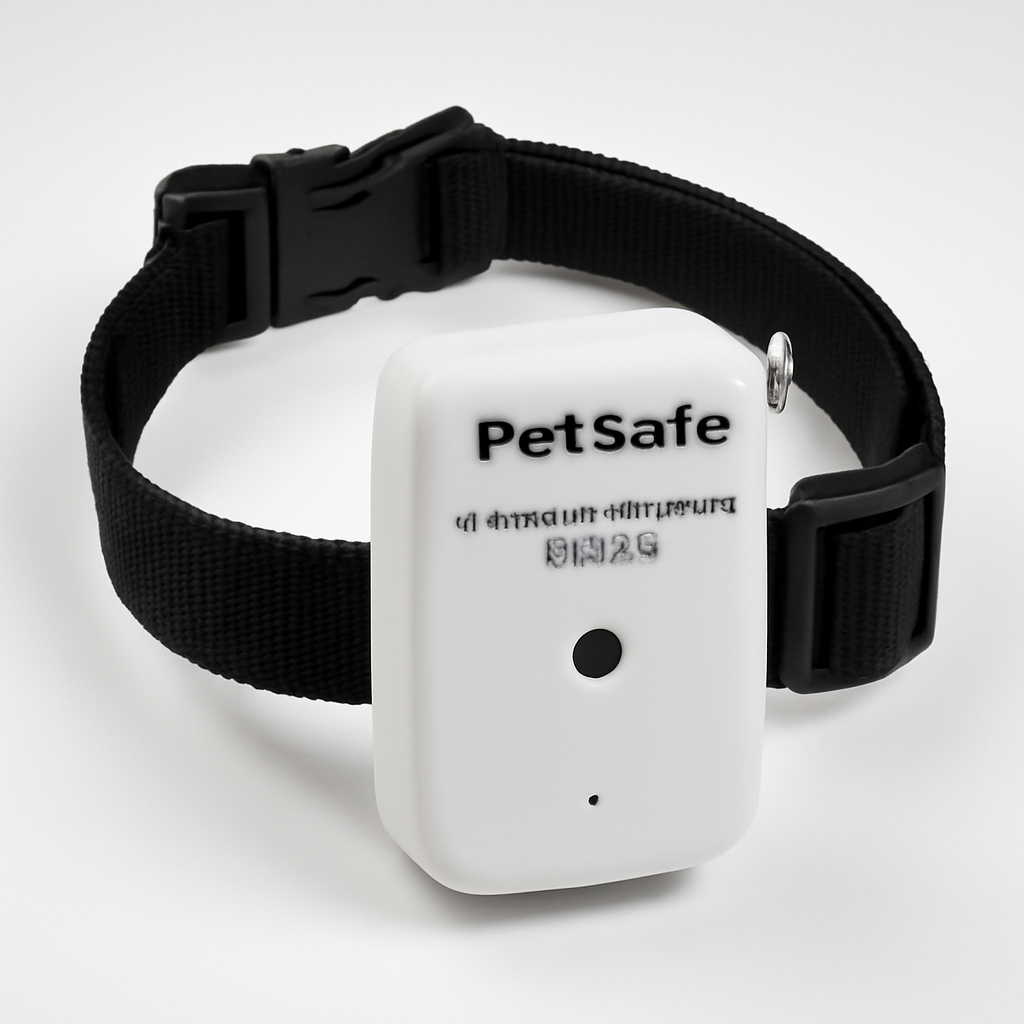
New to e-collars or watching your wallet? The PetSafe Static Trainer keeps things approachable with a straightforward remote, multiple static levels plus tone, and a waterproof receiver — all at an entry-level price. It won’t have the range or granularity of premium models, but for basic obedience and small-yard training, it’s a smart, low-risk starting point.
—
5. Educator E-Collar ET-300 — Best Gentle Stimulation
The Educator E-Collar ET-300 is known for its “blunt,” tapping-style stimulation that many owners and trainers find gentler than competitors at comparable levels. With 100 stimulation levels, a lock-out safety, and a compact receiver suitable for smaller dogs, it’s a strong pick for owners prioritizing a soft, precise touch.
—
How to Choose the Right Collar for Your Dog’s Size & Temperament
The “best” collar depends on the dog wearing it.
– Toy & small breeds (under 15 lbs): Choose a lightweight receiver with a low minimum stimulation level and lots of granularity — the Educator ET-300 is a good fit. Avoid bulky field collars.
– Medium breeds: Most collars work well; the SportDOG 425X is an ideal all-rounder.
– Large & working breeds: You may want more range and power — consider the Dogtra 1900S or Garmin Sport PRO.
– Stubborn / high-drive dogs: Prioritize precise control (Dogtra) so you can find the exact working level.
– Sensitive / anxious dogs: Lean on vibration and tone modes, start at the absolute lowest static level, and consider whether an e-collar is right at all.
Fit check: Measure your dog’s neck and confirm the collar’s size range. Contact points should sit snugly against the skin, high on the neck, without pinching.
—
How to Introduce and Train With a Shock Collar Properly
A collar is only as good as the training behind it. Follow this process:
1. Let your dog wear it (off) first. Have them wear the deactivated receiver for a few days so they don’t associate the collar itself with stimulation.
2. Find the working level. With the remote, start at level 1 and slowly increase until you see a mild recognition response (ear twitch, head turn). That’s your baseline — not a level above it.
3. Pair stimulation with known commands. Start with a command your dog already knows, like “come.” Give the command, apply a brief low-level cue, and reward heavily when they comply.
4. Use momentary taps, not long holds. Quick cues paired with clear commands teach far better than sustained stimulation.
5. Always reinforce with rewards. Treats and praise turn the collar into a communication tool, not a source of stress.
6. Keep sessions short and positive. 10–15 minutes, ending on a win.
7. Fade the collar over time. The goal is a reliably-trained dog, not lifelong dependence on the remote.
If you’re ever unsure, book a session with a certified trainer experienced in e-collar work — it’s the fastest way to get it right.
—
Frequently Asked Questions
Are shock collars legal in 2026?
In most of the United States, yes — but some regions and countries restrict or ban them. Check your local and state regulations before purchasing.
At what age can I use an e-collar?
Most trainers recommend waiting until a dog is at least 6 months old and has basic obedience foundations in place.
Do shock collars hurt my dog?
Used correctly at the lowest effective level, quality e-collars deliver an attention-getting sensation, not pain. Misuse — high levels, punishment, poor timing — can cause harm and fear, which is why technique matters more than the device.
Vibration vs. static — which should I use?
Try vibration and tone first. Many dogs respond to these alone, and you can reserve static for situations where you need a stronger, clearer cue.
How long can my dog wear the collar?
No more than 8–12 hours at a stretch, and reposition the contact points periodically to prevent skin irritation. Remove it during downtime.
Can one remote control multiple dogs?
Yes — models like the SportDOG 425X support multiple receivers on a single remote, ideal for multi-dog households.
—
Our Verdict
For the majority of dog owners in 2026, the SportDOG FieldTrainer 425X is the best overall choice — it balances rugged waterproof build quality, easy operation, and real training versatility at a fair price. If you want the finest stimulation control for a stubborn or high-drive dog, step up to the Dogtra 1900S. Hunters and rural owners who need serious range should look hard at the Garmin Sport PRO, while beginners and budget-minded buyers will be well served by the PetSafe Static Trainer. For a gentler touch — especially on smaller or more sensitive dogs — the Educator ET-300 is our top recommendation.
Whichever you choose, remember: the collar is only half the equation. Start low, stay patient, reward generously, and you’ll build the reliable, off-leash communication you and your dog have been missing.
Always consult a certified professional trainer if you’re new to e-collar training or working with a fearful or aggressive dog.