Quick answer: The best dog food for a French Bulldog is a high-protein, moderate-fat formula with limited, easily digestible ingredients that support skin health, joint function, and a sensitive digestive system. For most Frenchies, Royal Canin French Bulldog Adult or Purina Pro Plan Sensitive Skin & Stomach are the strongest starting points. If your dog has allergies or chronic gas, a limited-ingredient diet like Hill’s Science Diet Sensitive Stomach & Skin is usually the smarter pick.
French Bulldogs are one of the most popular breeds in the world — and one of the most food-sensitive. Between their flat faces, delicate stomachs, and famous gassiness, feeding a Frenchie is not as simple as grabbing a bag off the shelf. This guide walks you through exactly what to look for, which foods rank at the top in 2026, and what to avoid.
—
Why French Bulldogs Have Unique Dietary Needs
French Bulldogs aren’t like most dogs, and their diet has to account for a few breed-specific realities.
They gain weight easily. Frenchies are compact and low-energy compared to working breeds. Extra pounds put dangerous pressure on their spine and joints (they’re prone to hip dysplasia and intervertebral disc disease), and it strains their already-compromised breathing. Calorie control matters more for this breed than almost any other.
They’re brachycephalic (flat-faced). Their short snouts make them gulp air while eating, which contributes to gas and bloating. Kibble shape and eating speed genuinely matter here — some breed-specific foods are shaped to slow them down.
They have sensitive stomachs. Loose stools, gas, and food intolerances are extremely common. Frenchies often don’t tolerate cheap fillers or novel protein overloads well.
They have skin and coat issues. The breed is genetically prone to allergies, itchy skin, and hot spots. Omega-3 and omega-6 fatty acids in the diet directly support their skin barrier and those famous wrinkly folds.
The takeaway: a Frenchie’s food should be calorie-conscious, gut-friendly, and rich in skin-supporting fats.
—
What to Look for in a French Bulldog Food (Key Ingredients)
When you flip a bag over and read the label, here’s what should — and shouldn’t — jump out.
Green flags
– A named animal protein first — “chicken,” “salmon,” “lamb,” or a named meal like “chicken meal.” Not “meat by-product.”
– Moderate protein, moderate fat — roughly 25–30% protein and 12–16% fat for adults. Too much fat encourages weight gain.
– Omega fatty acids (EPA/DHA) — from fish oil or flaxseed, for skin and coat.
– Glucosamine and chondroitin — for joint and spine support.
– Prebiotics/probiotics — for digestion and firmer stools.
– Limited, recognizable ingredient list — fewer ingredients means fewer chances to trigger a sensitivity.
Red flags
– Generic “animal fat” or “meat by-products”
– Artificial colors, flavors, and preservatives (BHA, BHT, ethoxyquin)
– Corn, wheat, and soy as the top ingredients (common intolerance triggers)
– Excessive protein/fat “performance” formulas designed for athletic breeds
—
Best Overall Dog Foods for French Bulldogs in 2026
Here are the top picks at a glance, then a closer look at each.
Top Picks at a Glance
| Product | Best For | Price Range |
| Royal Canin French Bulldog Adult | Overall / breed-specific | |
| Purina Pro Plan Sensitive Skin & Stomach | Sensitive stomach + budget | |
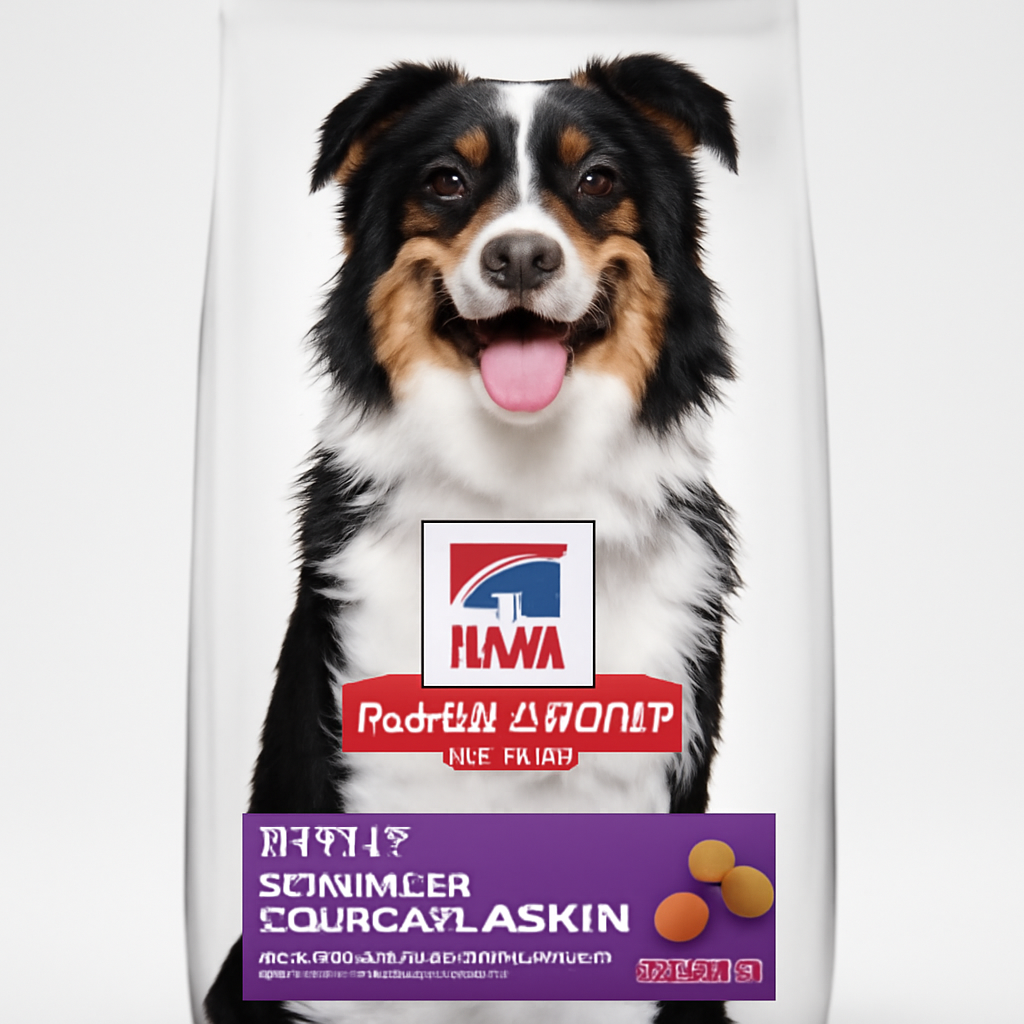
| Hill’s Science Diet Sensitive Stomach & Skin | Allergies & skin issues | |
| The Farmer’s Dog | Fresh, weight management | |
| Wellness CORE Digestive Health | Grain-free digestion |
—
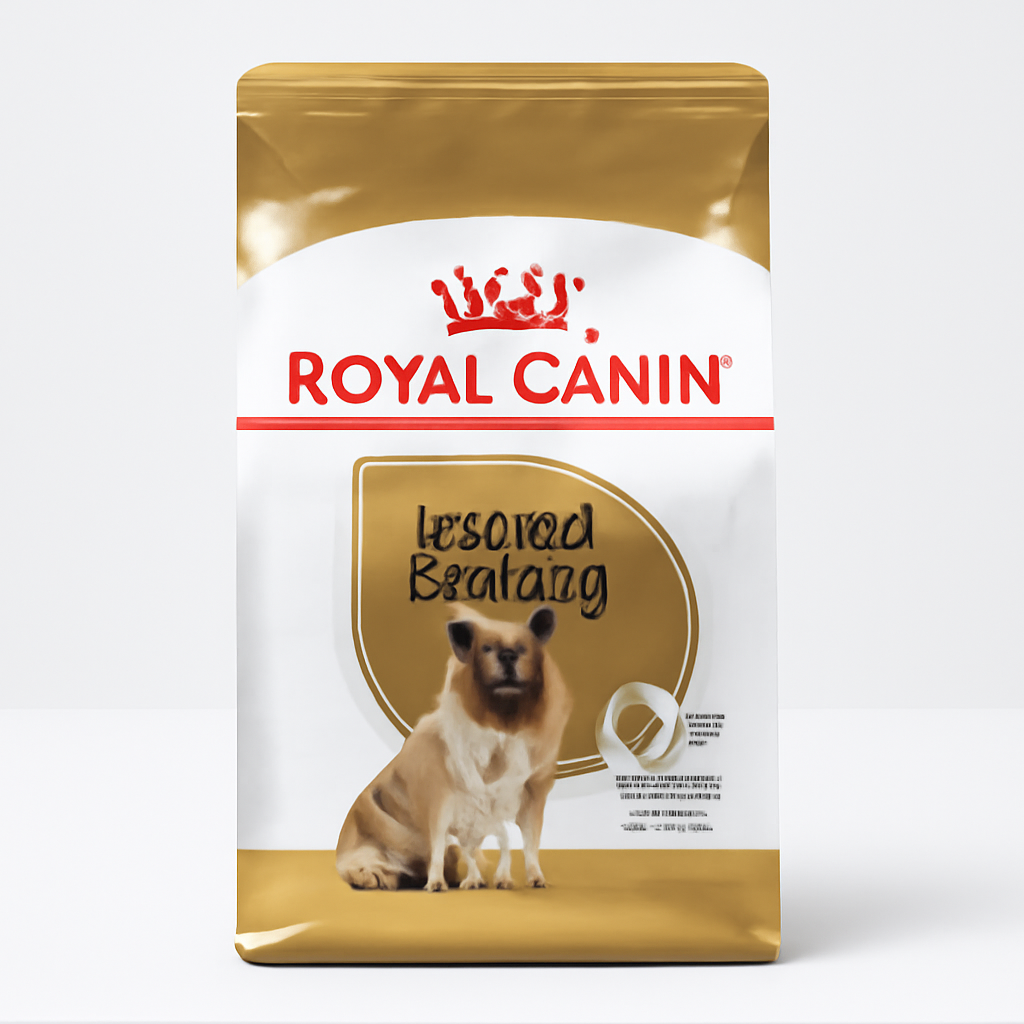
1. Royal Canin French Bulldog Adult — Best Overall
This is the only mainstream food designed specifically for the breed, and that’s not just marketing. The kibble is a unique shape that flat-faced Frenchies can pick up and chew more easily, which slows down gulping and reduces swallowed air (and therefore gas). The formula targets skin health, digestion, and a healthy weight.
Pros:
– Breed-specific kibble shape reduces air-gulping and gas
– Formulated for Frenchie skin, coat, and digestion
– Widely available and vet-recommended
Cons:
– More expensive than general adult formulas
– Ingredient list isn’t as “premium/natural” as boutique brands
– Only worth it once your dog is 12+ months old
Best for: Owners who want a proven, breed-tailored option and don’t want to experiment.
—
2. Purina Pro Plan Sensitive Skin & Stomach — Best Value
A perennial vet favorite. Salmon is the first ingredient, it’s rich in omega fatty acids for skin, and it includes live probiotics for digestion. For Frenchies with mild sensitivity, this hits the sweet spot of quality and price.
Pros:
– Salmon-based, high in skin-supporting omegas
– Added live probiotics for firmer stools
– Excellent price-to-quality ratio
Cons:
– Contains grains (fine for most dogs, an issue only if grain-sensitive)
– Not breed-specific
– Some dogs need a slow transition to avoid loose stools
Best for: Owners wanting strong quality without the premium price tag.
—
3. Hill’s Science Diet Sensitive Stomach & Skin — Best for Skin & Digestion
Another clinically backed brand. This formula is gentle, prebiotic-rich, and loaded with vitamin E and omega-6 for coat health. It’s a reliable go-to when a Frenchie has both tummy trouble and itchy skin — a very common combo.
Best for: Dogs with combined digestive and skin sensitivities.
—
4. The Farmer’s Dog — Best Fresh Option
If you want fresh, human-grade food portioned precisely to your dog’s weight, this subscription service is a strong (if pricier) choice. Because portions are calorie-calculated per dog, it’s genuinely helpful for weight-prone Frenchies. Many owners report noticeably firmer stools and less gas after switching.
Best for: Owners prioritizing weight control and fresh ingredients who don’t mind a higher cost.
—
Best Food for French Bulldog Puppies
Frenchie puppies need more protein, fat, and calories than adults to fuel growth — but you still don’t want to overfeed and push rapid weight gain that stresses developing joints.
Look for a formula labeled for growth or “puppy” that includes DHA (for brain and eye development) and appropriate calcium/phosphorus for bone development.
Top picks:
– Royal Canin French Bulldog Puppy — the breed-specific companion to their adult line, with the same easy-to-grab kibble shape. The natural choice if you plan to stay in the Royal Canin ecosystem.
– Purina Pro Plan Puppy Sensitive Skin & Stomach — a gentler, salmon-based growth formula for pups with early signs of sensitivity.
Feed puppies 3–4 small meals a day until around 6 months, then transition toward 2 meals. Stay on puppy food until roughly 12 months of age before switching to an adult formula.
—
Best Options for Allergies, Gas & Sensitive Stomachs
Gas, itching, and loose stools are the three complaints Frenchie owners raise most. The usual culprit is a food intolerance — most often chicken, beef, dairy, or a grain.
The fix is usually a limited-ingredient diet (LID) with a single novel protein, or a hydrolyzed prescription diet in severe cases.
– Natural Balance L.I.D. Limited Ingredient Diet — a single animal protein and a single carb source (like sweet potato & fish), which makes it far easier to isolate what your dog can tolerate.
– Wellness CORE Digestive Health — grain-free with added probiotics and digestive enzymes, aimed squarely at gassy, sensitive dogs.
– Hill’s Prescription Diet z/d — a hydrolyzed protein diet for dogs with confirmed food allergies (requires a vet’s prescription).
Pro tip: Whenever you switch foods, transition slowly over 7–10 days — mix increasing amounts of the new food into the old. Abrupt changes are a leading cause of the very gas and diarrhea you’re trying to eliminate. If symptoms persist after a proper elimination trial, see your vet; some Frenchie issues are medical, not dietary.
—
How Much and How Often to Feed Your Frenchie
Portion size depends on age, weight, and activity, but here are general guidelines. Always start with the feeding chart on your specific food’s bag, since calorie density varies a lot between brands.
| Life Stage | Meals Per Day | Rough Daily Amount |
| Puppy (8 wks–6 mo) | 3–4 | Per bag (growth formula) |
| Puppy (6–12 mo) | 2–3 | Per bag |
| Adult (1–8 yr) | 2 | ~½ to 1½ cups total |
| Senior (8+ yr) | 2 | Slightly reduced calories |
Key rules for this breed:
– Measure every meal. Eyeballing is how Frenchies get overweight. Use an actual measuring cup or a food scale.
– Split into two meals. This reduces gulping and helps regulate digestion better than one large bowl.
– Watch the waistline, not the chart. You should be able to feel your Frenchie’s ribs without pressing hard, and see a slight tuck at the waist from above.
– Go easy on treats. They should make up no more than ~10% of daily calories.
– Consider a slow-feeder bowl. For dogs that inhale their food, this cuts down on swallowed air and gas.
—
Foods and Ingredients to Avoid
Some items are simply poor quality; others are genuinely toxic. Keep these away from your Frenchie:
Toxic — never feed:
– Chocolate
– Grapes and raisins
– Onions, garlic, chives
– Xylitol (in sugar-free gum, peanut butter, some baked goods)
– Macadamia nuts
– Alcohol and caffeine
– Cooked bones (they splinter)
Low-quality ingredients to avoid in kibble:
– Meat “by-products” and generic “animal fat”
– Corn, wheat, and soy as primary ingredients (common intolerance triggers)
– Artificial colors and flavors
– Chemical preservatives: BHA, BHT, ethoxyquin
– Excessive fat/”high-performance” formulas — they pack on weight fast in a low-activity breed
A note on grain-free: Grain-free isn’t automatically better. The FDA has investigated a possible link between some grain-free diets (high in legumes/potatoes) and heart issues (DCM). Unless your dog has a diagnosed grain allergy, a quality food with wholesome grains is perfectly healthy — and often the safer default. Talk to your vet before committing to grain-free.
—
Our Verdict
For most French Bulldogs, Royal Canin French Bulldog Adult is the best all-around choice — it’s the only major food engineered specifically for the breed, from the kibble shape down to the skin-and-digestion formula. If you want comparable quality at a friendlier price, Purina Pro Plan Sensitive Skin & Stomach is the smart value pick and a genuine vet favorite.
If your Frenchie battles allergies, itching, or chronic gas, skip the guesswork and start with a limited-ingredient or sensitive formula like Hill’s Science Diet Sensitive Stomach & Skin or Natural Balance L.I.D., and transition slowly. And if fresh, portion-controlled feeding fits your budget, The Farmer’s Dog is an excellent tool for keeping this weight-prone breed lean.
Whatever you choose: measure every meal, transition gradually, feed twice a day, and watch your dog’s stool, skin, and waistline as your real report card. When in doubt — especially with a breed this sensitive — loop in your veterinarian before making a big change.
This guide is for informational purposes and isn’t a substitute for veterinary advice. Always consult your vet about your individual dog’s diet.