Quick Answer
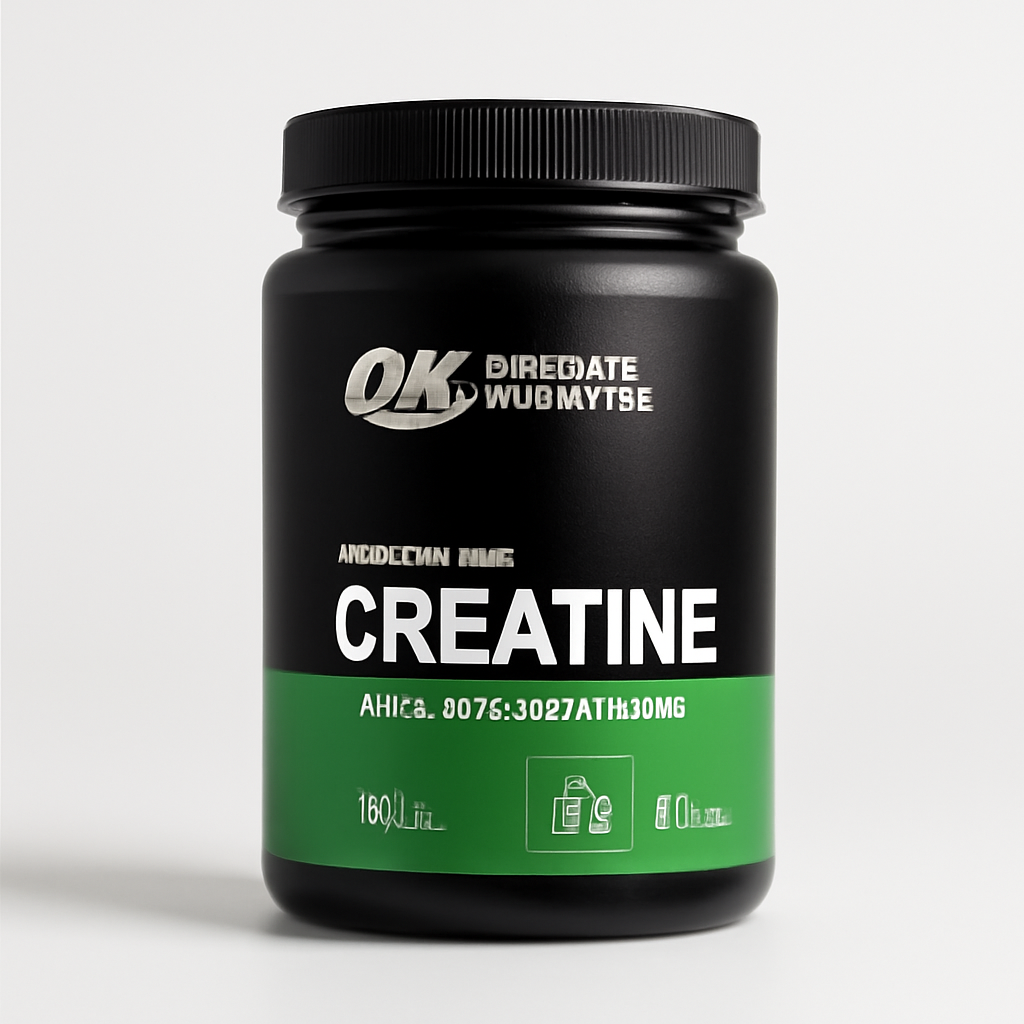
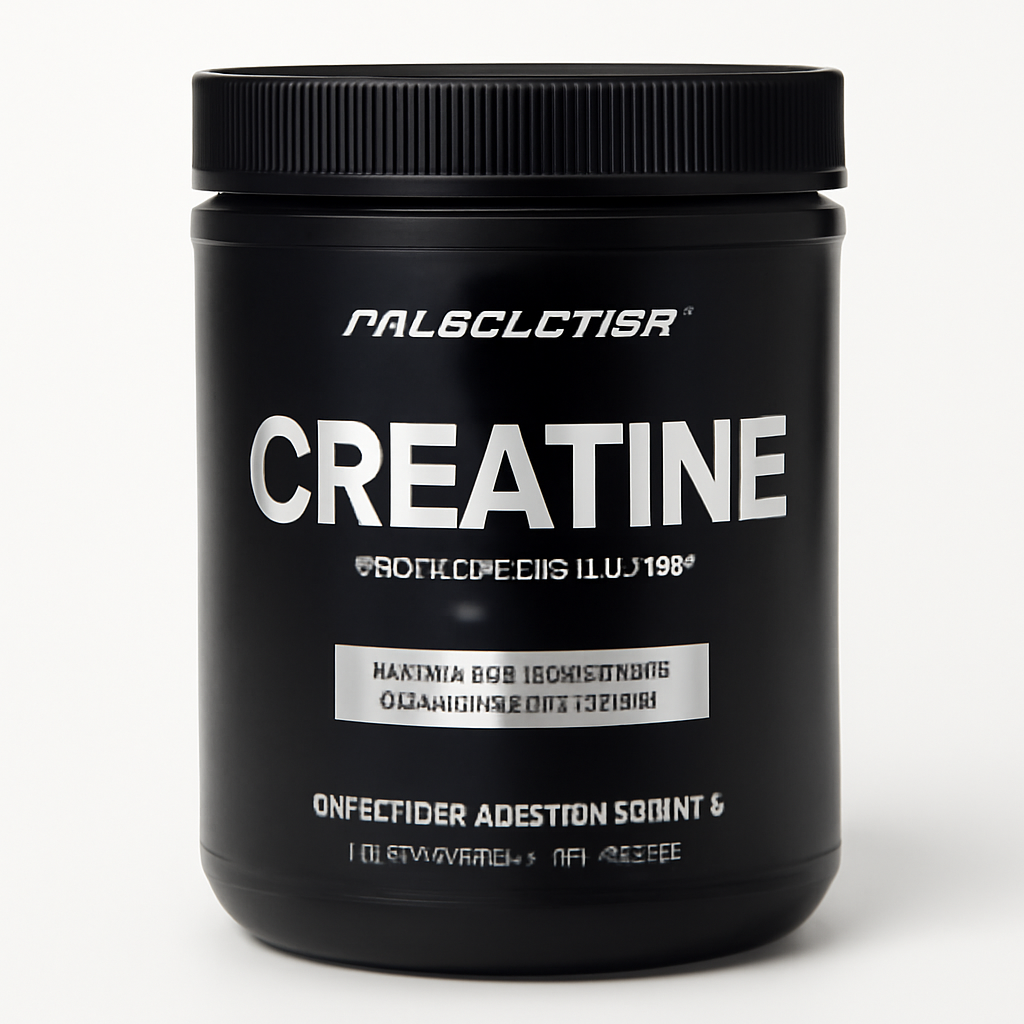
Creatine monohydrate is the gold standard for muscle building and athletic performance. It’s backed by decades of research, affordable, and proven to increase strength and muscle mass. Micronized versions absorb better than regular powder, but the actual performance difference is minimal. For 2025, expect to pay $15-40 for a month’s supply from reputable brands. We recommend starting with proven options like Creatine Monohydrate Powder from MyProtein, MuscleTech Creatine, or Optimum Nutrition Micronized Creatine.
—
What is Creatine Monohydrate & How Does It Work?
Creatine is a naturally occurring compound found in muscle cells that helps produce energy during intense exercise. Your body already makes about 1-2 grams daily, and you get small amounts from red meat and fish. But supplementing with creatine monohydrate—the most basic, unchanged form—gives you a measurable edge.
Here’s the science in plain language: when you exercise, your muscles use ATP (energy). Creatine helps regenerate ATP faster, meaning you can squeeze out more reps, lift heavier, or maintain high intensity longer. The phosphocreatine system kicks in during short bursts of explosive activity—sprints, weightlifting, jumping.
The catch? Creatine works best for high-intensity, short-duration activities (like strength training and sprinting), not endurance events. And it takes time to work. You won’t feel a difference on day one. Instead, over 3-4 weeks of consistent supplementation, you’ll notice you can do slightly more volume before hitting fatigue.
Why monohydrate specifically? It’s creatine bonded to a water molecule. This makes it stable, affordable, and incredibly well-researched. Thousands of studies confirm it works. Fancier forms (creatine ethyl ester, buffered creatine, etc.) claim better absorption, but research shows monohydrate performs equally well at a fraction of the cost.
—
Top Creatine Monohydrate Brands for 2025
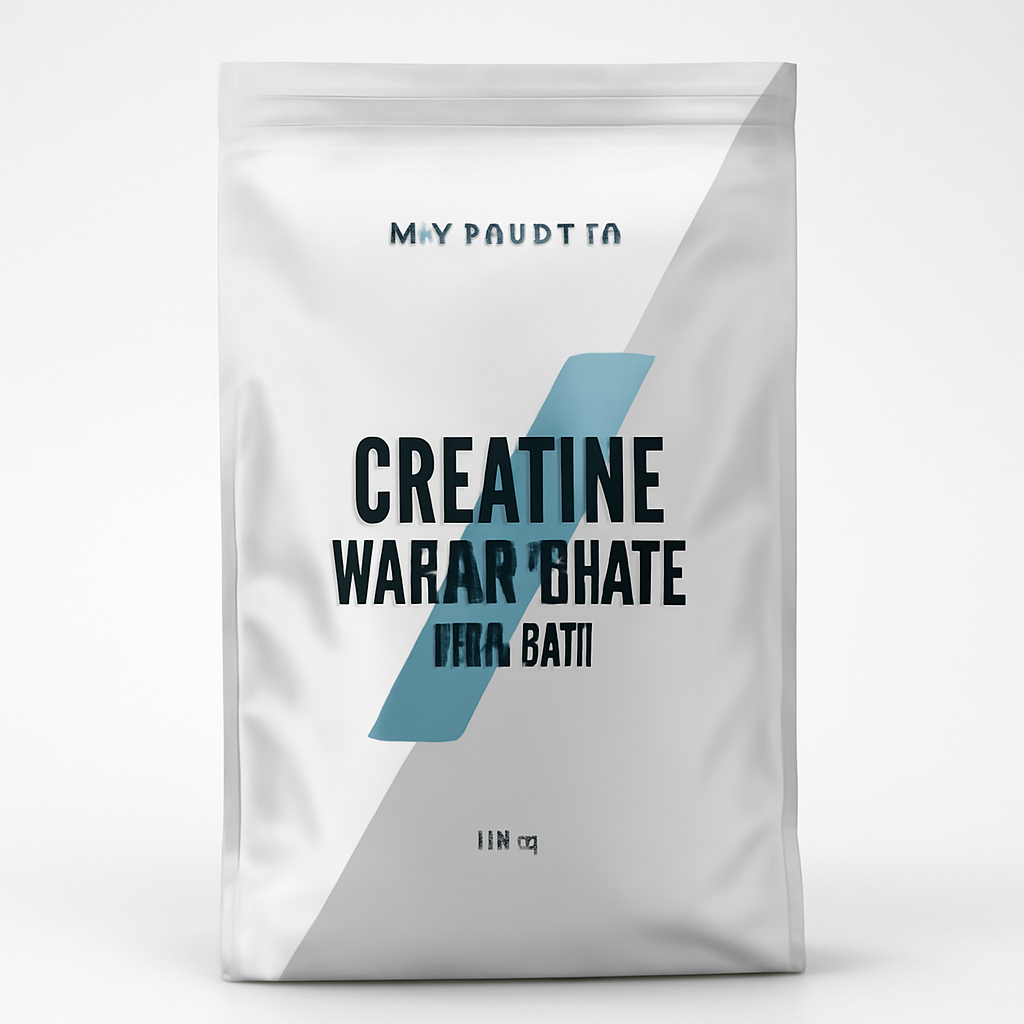
MyProtein Creatine Monohydrate Powder
MyProtein dominates the value space. Their micronized creatine is pharmaceutical-grade, third-party tested, and consistently reliable. A 5kg tub lasts months and costs pennies per serving. The taste is neutral (unflavored), and it mixes reasonably well with water or your post-workout shake.
Best for: Budget-conscious lifters who want quantity and don’t mind scooping powder daily.
Pros:
– Excellent price-to-value ratio
– Micronized for better mixing
– Transparent labeling and testing
– Works with any diet plan
Cons:
– Unflavored (some prefer flavored options)
– Large tub requires storage space
– Mixes okay but not perfectly smooth
—
MuscleTech Creatine Elite Series
MuscleTech’s creatine is mainstream—you’ll find it at GNC, Vitamin Shoppe, and Amazon. It’s micronized, mixes better than generic powders, and comes in small to medium sizes. Good for people who want convenience and brand recognition.
Best for: Gym-goers who want a recognizable brand and don’t want to research extensively.
Pros:
– Easy to find in stores
– Micronized formulation
– Consistent quality
– Available in multiple sizes
Cons:
– More expensive per gram than bulk options
– Packaging isn’t the most sustainable
– No major added benefits over basic monohydrate
—
Optimum Nutrition Micronized Creatine Powder
Optimum Nutrition is a Glanbia subsidiary and gold-standard for sports nutrition. Their micronized creatine is pure, tested, and uses smaller particle size for improved absorption. It’s not the cheapest, but the quality justifies the price.
Best for: People who prioritize purity and want a trusted, established brand backing their supplement.
Pros:
– Excellent reputation and testing standards
– Micronized particles enhance absorption
– Mixes smoothly
– Good ingredient transparency
Cons:
– Higher price per serving
– Smaller container sizes make storage easier but require more frequent reorders
– May be overkill for casual gym users
—
Bare Performance Nutrition Creatine Monohydrate
Bare Performance is a smaller, direct-to-consumer brand focused on transparency. Their creatine is third-party tested, unflavored, and competitively priced. If you like supporting leaner supplement companies, this is solid.
Best for: People who care about transparency and want to support smaller supplement manufacturers.
Pros:
– Direct-to-consumer pricing
– High purity and testing
– Simple formulation (just creatine)
– Good customer service
Cons:
– Smaller brand (less widespread availability)
– May be harder to find in retail stores
– Unflavored only
—
Top Picks at a Glance
| Product | Best For | Price Range | Micronized | Size |
| MyProtein Creatine Monohydrate | Budget buyers & bulk quantity | $15-25/month | Yes | 5kg |
| MuscleTech Creatine Elite | Gym convenience & brand recognition | $20-35/month | Yes | 300g-600g |
| Optimum Nutrition Micronized Creatine | Purity prioritizers | $25-40/month | Yes | 300g-600g |
| Bare Performance Nutrition Creatine | Transparency & indie brands | $18-28/month | Yes | 300g-500g |
—
Creatine Monohydrate vs. Other Forms: Which is Best?
Supplement companies have created dozens of “improved” creatine forms. Here’s what actually matters:
Creatine Monohydrate vs. Creatine Ethyl Ester
Creatine Ethyl Ester (CEE): Supposedly better absorbed because the ester bond helps it cross cell membranes. Reality? Research shows it performs identically to monohydrate. Plus, it breaks down faster, meaning less ends up in your muscles. Costs 2-3x more for no advantage.
Verdict: Stick with monohydrate.
—
Creatine Monohydrate vs. Buffered Creatine (Kre-Alkalyn)
Buffered Creatine: pH-adjusted so it doesn’t break down in your stomach as quickly. Sounds logical. But multiple studies show no performance difference compared to regular monohydrate, and users report no difference in side effects either.
Verdict: Monohydrate wins on cost.
—
Creatine Monohydrate vs. Creatine Nitrate
Creatine Nitrate: Creatine bonded to a nitrate group, which may improve blood flow. Cool idea, but evidence is weak. One or two small studies show minor benefits, but most research still favors monohydrate for strength and muscle gains.
Verdict: Monohydrate is more proven.
—
Creatine Monohydrate vs. Micronized Creatine
This one matters. Micronization breaks creatine into smaller particles, improving mixing and potentially absorption.
Does it actually perform better? Studies show marginal improvements in absorption rates—maybe 5-10% better bioavailability. For practical purposes, the performance difference is negligible. But micronized powder mixes better and feels less gritty, which improves compliance. If you’re choosing between two similar products at similar prices, micronized is worth it.
Verdict: Micronized is nicer but not necessary.
—
Dosing & Loading Protocols: Complete Guide
Creatine dosing is simple, but you have two main approaches:
The Faster Route: Loading Protocol
– Days 1-5: Take 20 grams per day split into 4 doses (5g, 4 times daily)
– Day 6 onward: Take 3-5 grams once daily
Timeline: You’ll see noticeable strength gains within 5-7 days of starting the loading phase. Your muscles will also appear slightly fuller due to water retention.
Advantage: Faster results if you’re eager.
Disadvantage: Some people experience bloating or GI distress from 20g daily.
—
The Steady Route: No Loading
– Day 1 onward: Take 3-5 grams once daily
Timeline: You’ll hit the same performance plateau as the loading protocol, but it takes 3-4 weeks instead of 1 week. The final result is identical.
Advantage: Easier on digestion, simpler routine, less water retention shock.
Disadvantage: Patience required.
—
Pro Tips for Dosing
Take it with carbs and protein. Combining creatine with carbs and protein increases insulin levels, which improves creatine uptake into muscles. Add your creatine dose to a post-workout shake with fruit and protein powder. This isn’t mandatory, but it optimizes absorption.
Consistency matters more than timing. It doesn’t matter if you take it morning, afternoon, or evening—just take it every single day. Missing days delays results.
Stay hydrated. Creatine pulls water into muscle cells, so drink slightly more water than usual (roughly 1 gallon daily if you’re average-sized). This prevents the rare cases of cramping reported by some users.
Cycle or don’t—both work. Some people “cycle” creatine (8 weeks on, 4 weeks off), believing it prevents your body from adapting. Science shows you don’t need to cycle; continuous use is safe and produces better results. Do whatever helps you stay consistent.
—
Side Effects & Safety Considerations
Here’s the good news: creatine is one of the safest supplements on the market. Thousands of studies spanning 25+ years show it’s non-toxic at recommended doses.
Real Side Effects (Minor)
Water Retention: The most common side effect. Creatine pulls water into muscle cells, making you appear slightly fuller and adding 1-3 pounds to the scale immediately. This is intramuscular (inside the muscle), not subcutaneous (under the skin), so you don’t look “puffy”—you look more muscular.
Digestive Issues: Rare, but some people report mild bloating or stomach discomfort, especially during loading phases. Taking creatine with food solves this.
Muscle Cramps: Rarely reported. If you experience cramping, increase water intake.
Non-Issues (What the Research Says)
– Kidney damage: Multiple studies in healthy people show no kidney stress from creatine supplementation, even at high doses over years. However, people with existing kidney disease should consult their doctor first.
– Liver damage: Not observed in research.
– Hair loss: One small study suggested creatine increased DHT (a hormone linked to hair loss) in young men. Larger follow-ups found no connection. If you’re genetically predisposed to baldness, creatine won’t cause it, but it might accelerate it. This is speculative and not proven.
– Dehydration: Creatine doesn’t cause dehydration if you drink adequate water.
Who Should Avoid Creatine?
– Kidney disease patients: Check with your doctor first.
– Liver disease patients: Consult your physician.
– Pregnant or breastfeeding women: Limited research; typically advised to avoid.
– Children under 18: Most experts recommend waiting until adulthood, though it’s not inherently dangerous.
—
How to Choose the Best Creatine Monohydrate for You
Ask yourself these questions:
1. What’s Your Budget?
– Under $20/month: Go with MyProtein or Bare Performance Nutrition. You’ll get 5kg+ of creatine for the price of small containers from premium brands.
– $20-35/month: MuscleTech or slightly smaller MyProtein containers. Good balance of quality and price.
– $35+/month: Optimum Nutrition or boutique brands. You’re paying for brand reputation and testing, not better performance.
2. Do You Want Flavored or Unflavored?
– Unflavored: Mixes with anything. Cheaper. Most micronized creatine is unflavored.
– Flavored: More convenient if you hate the taste of plain creatine in water, though most people adapt within a week.
3. How Often Are You Willing to Buy?
– Buy bulk (5kg): MyProtein. One order lasts 4-6 months. Cheapest per serving.
– Buy monthly (300-600g): MuscleTech or Optimum Nutrition. Convenient resupply.
4. Do You Care About Micronization?
– Yes: Choose MuscleTech, Optimum Nutrition, or MyProtein. All offer micronized versions.
– No: Any standard monohydrate works fine.
5. Do You Want Added Ingredients?
Some creatine products include other compounds like beta-alanine, betaine, or taurine. Our recommendation: Skip these. Pure creatine monohydrate works perfectly. Adding other ingredients increases cost and may cause interactions. Buy creatine separately if you want other compounds.
—
Cost Comparison: Best Value Creatine Products
Let’s talk price per serving. A standard serving is 5 grams.
| Product | Container Size | Total Cost | Cost Per Serving | Servings Per Month |
| MyProtein Creatine (5kg) | 5kg | $25 | $0.05 | 30 |
| Bare Performance Nutrition | 500g | $22 | $0.22 | 30 |
| MuscleTech Creatine (300g) | 300g | $22 | $0.73 | 20 |
| Optimum Nutrition (600g) | 600g | $35 | $0.58 | 40 |
Cost winner: MyProtein by a landslide if you’re okay buying in bulk. A 5kg tub costs under $30 and lasts 6+ months, giving you a per-serving cost of $0.05. That’s $1.50 per month for high-quality creatine monohydrate.
Best balance: Optimum Nutrition offers decent pricing if you don’t want to commit to a huge tub, and the brand reputation is worth the slight premium.
—
Our Verdict
Creatine monohydrate is the supplement you should actually take. It works, it’s safe, it’s cheap, and decades of research back it up. Unlike most supplements, creatine delivers measurable results: 5-15% more strength and muscle gain over 8-12 weeks, especially if you’re new to lifting.
Our Top Recommendation
Start with MyProtein Creatine Monohydrate Powder if you’re budget-conscious and don’t mind buying bulk. A 5kg tub is the best value in the category—you’re spending $0.05 per serving and getting a 6-month supply.
If you want a brand with slightly higher quality assurance and more convenient sizing, go with Optimum Nutrition Micronized Creatine. You’ll pay more, but the testing standards and brand reputation are worth it.
For value hunters who want a happy medium, MuscleTech Creatine Elite Series offers micronized creatine at reasonable prices, and it’s available nearly everywhere.
Implementation Steps
1. Buy one container of any of the above brands.
2. Choose your dosing protocol: Load (20g/day for 5 days, then 5g/day) or go slow (3-5g/day indefinitely).
3. Mix with your post-workout shake for better absorption, or just take it with water daily—consistency beats perfection.
4. Drink adequate water (roughly 1 gallon daily).
5. Wait 3-4 weeks before assessing results. You’ll notice you can do slightly more volume at the gym before fatigue hits.
6. Keep taking it. Creatine’s benefits disappear after 2-3 weeks of stopping, so make it a permanent part of your routine.
—
Final Thoughts
Creatine monohydrate is boring. It’s not a pre-workout that makes you feel invincible. It won’t dramatically transform you overnight. But it’s one of the few supplements with ironclad scientific backing, zero serious safety concerns, and a cost so low you’d be silly not to use it. At $15-40 per month, you’re looking at the cheapest, most-effective performance enhancer on the market.
Start simple. Buy one