Your dog can’t read the back of the bag — but you can, and that’s where every good feeding decision starts. With hundreds of brands making nearly identical “premium” claims, finding food that’s actually worth your money (and good for your dog) is genuinely hard. This guide cuts through the marketing.
> Quick Answer: For most dogs, a high-protein, named-meat-first formula like Orijen Original or Wellness CORE is the safest all-around choice. On a budget, Purina Pro Plan delivers vet-trusted nutrition without the boutique price. Always match the food to your dog’s life stage and check for an AAFCO statement on the label.
—
How We Tested and Ranked These Dog Foods
We don’t believe in vague “expert picks,” so here’s exactly how we evaluated every food in this guide:
– Ingredient quality — We read the full ingredient panel, not the front of the bag. Named meats (chicken, lamb, salmon) ranked above generic “meat meal” or fillers.
– AAFCO compliance — Every recommended food meets Association of American Feed Control Officials nutritional adequacy standards for its stated life stage.
– Recall history — We checked each brand’s FDA recall record over the past decade. A clean or quickly-handled record mattered.
– Manufacturing transparency — Brands that own their facilities and publish sourcing details scored higher than those that outsource and stay quiet.
– Real-world feedback — We weighed long-term owner experiences around coat health, digestion, and palatability (without citing specific star counts, which are easy to game).
No brand paid for placement. Where a food earns a spot, it’s because it held up across all five criteria.
—
What to Look for in High-Quality Dog Food
Before any brand name matters, the fundamentals do. Here’s what separates genuinely good food from clever packaging.
1. A Named Meat as the First Ingredient
Ingredients are listed by weight. “Deboned chicken” or “lamb meal” up top is a good sign. Vague terms like “meat by-product” or “animal fat” are red flags.
2. An AAFCO Statement
Look for a line like “formulated to meet the nutritional levels established by the AAFCO Dog Food Nutrient Profiles.” This is your baseline guarantee that the food is complete and balanced.
3. Life-Stage Appropriateness
Puppies, adults, and seniors have different caloric and nutrient needs. “All life stages” foods exist but aren’t ideal for every dog — especially large-breed puppies, who need controlled calcium.
4. Minimal Fillers and Artificial Additives
Some grains are fine and even beneficial. What you want to avoid is a formula propped up by corn gluten, artificial dyes, and chemical preservatives like BHA/BHT.
—
Best Overall Dog Food Picks for 2026
Top Picks at a Glance
| Product | Best For | Price Range |
| Orijen Original | High-protein, biologically appropriate diets | $$$$ |
| Wellness CORE Grain-Free | Active dogs & all-around quality | $$$ |
| Purina Pro Plan Sensitive Skin & Stomach | Best value with vet credibility | $$ |
| Hill’s Science Diet Adult | Vet-recommended everyday feeding | $$ |
| The Farmer’s Dog | Fresh, human-grade subscription meals | $$$$ |
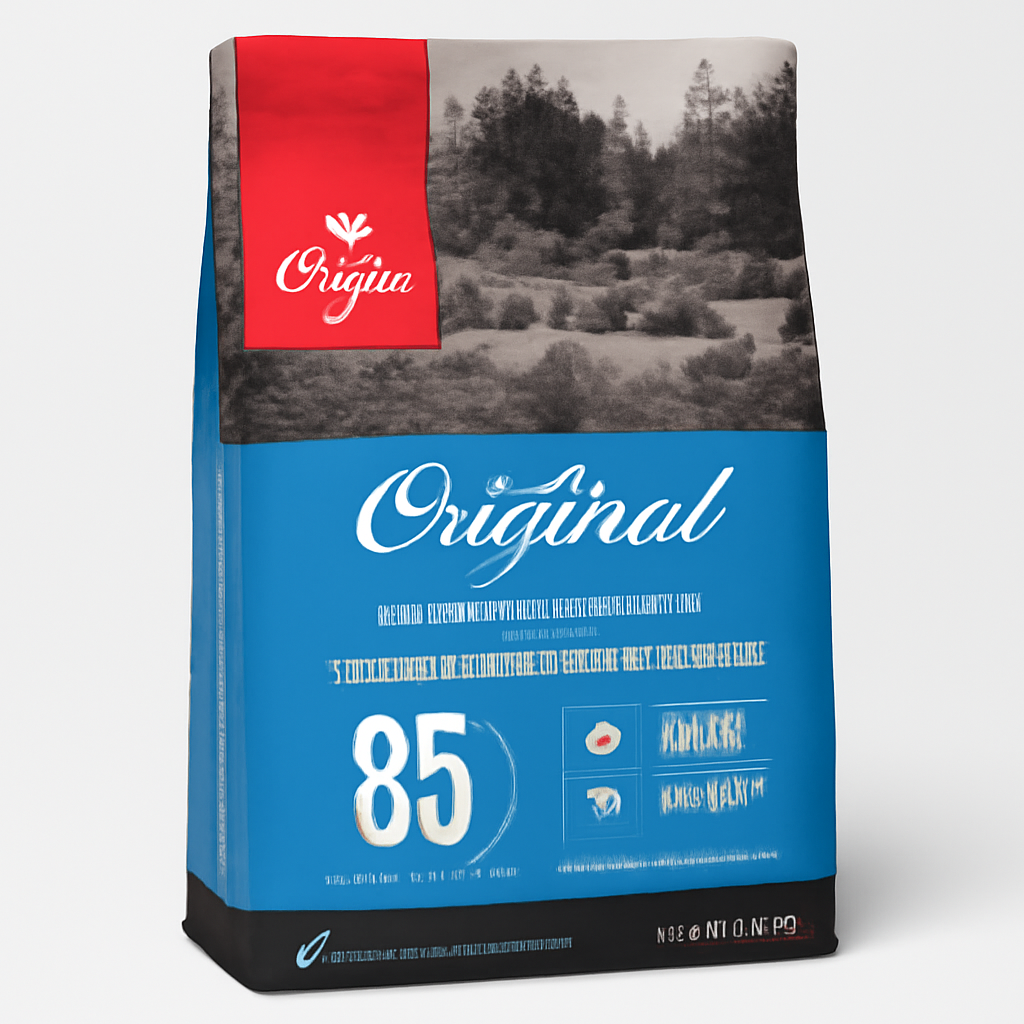
🥇 Best Overall: Orijen Original
Orijen leads with multiple named animal proteins and a high meat inclusion that mirrors what dogs evolved to eat. It’s calorie-dense, so portion carefully.
Pros
– Up to 85% animal ingredients with multiple protein sources
– Manufactured in the brand’s own kitchens with published sourcing
– Excellent for active, lean, and food-motivated dogs
Cons
– Premium price point ()
– Too rich for some sensitive stomachs during transition
– High calorie density means easy overfeeding
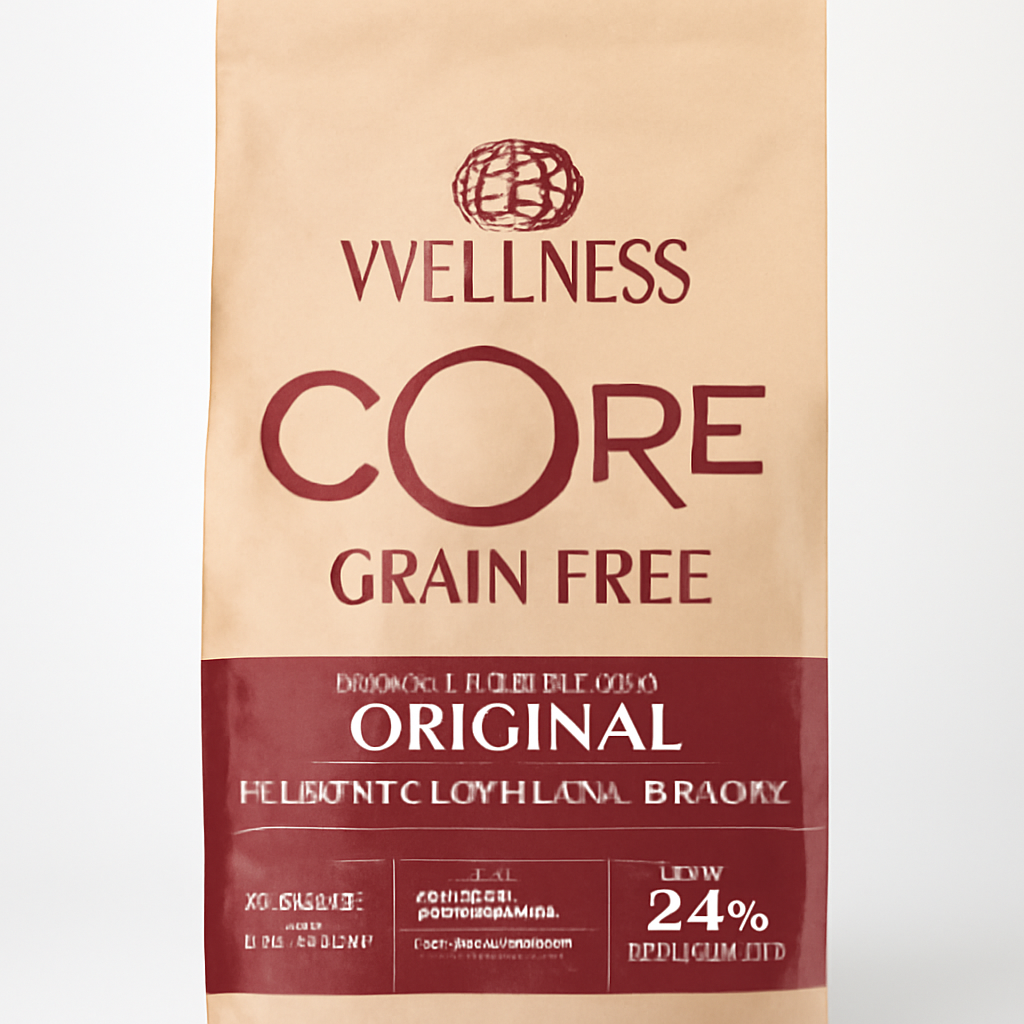
🥈 Best All-Around: Wellness CORE Grain-Free
A strong middle ground — high protein and quality ingredients without reaching Orijen’s price. Wellness CORE works well for the majority of healthy adult dogs.
Pros
– Named meat first, plus probiotics and omega fatty acids
– Widely available online and in stores
– Good coat and digestion feedback from long-term owners
Cons
– Grain-free isn’t necessary for every dog
– Mid-to-high price ()
🥉 Best Value: Purina Pro Plan Sensitive Skin & Stomach
Don’t let the supermarket-shelf availability fool you — Pro Plan is backed by serious veterinary research and is frequently recommended by vets. The salmon-and-rice sensitive formula is a standout for dogs with mild tummy or skin issues.
Pros
– Strong science and quality-control behind the brand
– Affordable per-pound cost ()
– Reliable for sensitive stomachs and itchy skin
Cons
– Contains grains (a pro for some, con for others)
– Less “boutique” ingredient story than premium rivals
—
Best Dog Food by Budget: Premium vs. Value
You don’t have to spend the most to feed well. Here’s how the tiers compare.
Premium (~$$$–$$$$ per bag)
Orijen and fresh-food services like The Farmer’s Dog sit here. You’re paying for higher meat content, human-grade or fresh ingredients, and tighter sourcing. Worth it for dogs with the budget behind them or specific needs — but not mandatory for a healthy dog.
Mid-Range (~$$$ per bag)
Wellness CORE is the sweet spot for many households: clearly better than budget kibble, noticeably cheaper than ultra-premium.
Value (~$$ per bag)
Purina Pro Plan and Hill’s Science Diet prove that affordable can still be excellent. Both are research-driven, AAFCO-compliant, and vet-trusted. For most owners, this tier delivers the best nutrition-per-dollar.
Bottom line: Spend up if your dog has special needs or you want fresh food. Otherwise, a quality value brand is a completely respectable choice — and consistency matters more than price.
—
Dog Food for Specific Needs (Puppies, Seniors, Allergies)
Puppies
Growing dogs need more protein, fat, and carefully balanced calcium and phosphorus. Look for a formula labeled for “growth.” Large-breed puppies specifically need controlled-calcium food to protect developing joints. Hill’s Science Diet Puppy is a reliable, vet-favored starting point.
Seniors
Older dogs are typically less active and prone to weight gain and joint stiffness. Choose lower-calorie senior formulas with added glucosamine and chondroitin. Many brands above, including Wellness CORE Senior, offer dedicated senior lines.
Allergies and Sensitivities
True food allergies usually trace to a specific protein (beef, chicken, and dairy are common culprits) rather than to grains. A limited-ingredient diet (LID) with a novel protein — think salmon, duck, or venison — helps you isolate the trigger. Purina Pro Plan Sensitive Skin & Stomach is an accessible first step before moving to a prescription diet under a vet’s guidance.
> Important: Persistent itching, ear infections, or GI upset warrant a vet visit. Food trials should be done deliberately, not by random brand-hopping.
—
Ingredients and Labels: What to Avoid
Flip the bag over and watch for these red flags:
| Avoid | Why |
| Artificial colors (Red 40, Yellow 5) | Purely cosmetic — dogs don’t care what their food looks like |
| BHA, BHT, ethoxyquin | Controversial chemical preservatives; natural ones (mixed tocopherols) are preferable |
| “Meat by-product” / “animal fat” (unnamed) | Vague sourcing you can’t verify |
| Excessive corn/wheat gluten high in the list | Often used as cheap protein boosters and fillers |
| Added sugars / corn syrup | Unnecessary and tied to weight and dental issues |
Green flags: named proteins, named fats (“chicken fat”), whole vegetables, natural preservatives, and a clear AAFCO statement.
—
Frequently Asked Questions About Dog Food
Is grain-free dog food better?
Not inherently. Grain-free helps dogs with diagnosed grain sensitivities, but most dogs digest grains fine. The FDA has investigated a possible link between some grain-free diets and heart issues (DCM), so unless your vet advises otherwise, grains aren’t something to fear.
How much should I feed my dog?
Start with the bag’s guidelines for your dog’s weight, then adjust based on body condition. You should be able to feel (not see) the ribs and notice a visible waist. Calorie-dense premium foods need smaller portions than the label might suggest.
How do I switch dog foods safely?
Transition over 7–10 days, gradually mixing more new food with less old food. A sudden switch is the most common cause of upset stomach — not the new food itself.
Is fresh or kibble better?
Fresh foods like The Farmer’s Dog offer excellent ingredient quality and palatability, but quality kibble is convenient, shelf-stable, and perfectly healthy. The “best” format is the good-quality one your dog thrives on and you can sustain.
Can I trust store-brand dog food?
Some value brands are excellent (Purina Pro Plan, Hill’s). The brand’s research, recall history, and ingredient transparency matter far more than whether it’s sold in a grocery store or a boutique pet shop.
—
Our Verdict
After weighing ingredient quality, safety, transparency, and real-world results, here’s how it shakes out for 2026:
– Best overall: Orijen Original — if budget allows, its high-meat formula is hard to beat for healthy, active dogs.
– Best all-around value-to-quality: Wellness CORE — premium-leaning nutrition at a more livable price.
– Smartest value pick: Purina Pro Plan — vet-backed science that proves great food doesn’t have to be expensive.
The truth most marketing won’t tell you: the best dog food is the quality, AAFCO-compliant formula that fits your dog’s life stage, agrees with their stomach, and fits your budget consistently. A great food you can afford month after month beats a “perfect” one you’ll abandon. Start with one of the picks above, transition slowly, and let your dog’s energy, coat, and digestion be the final judges.
Always consult your veterinarian before making significant dietary changes, especially for dogs with existing health conditions.