Quick Answer
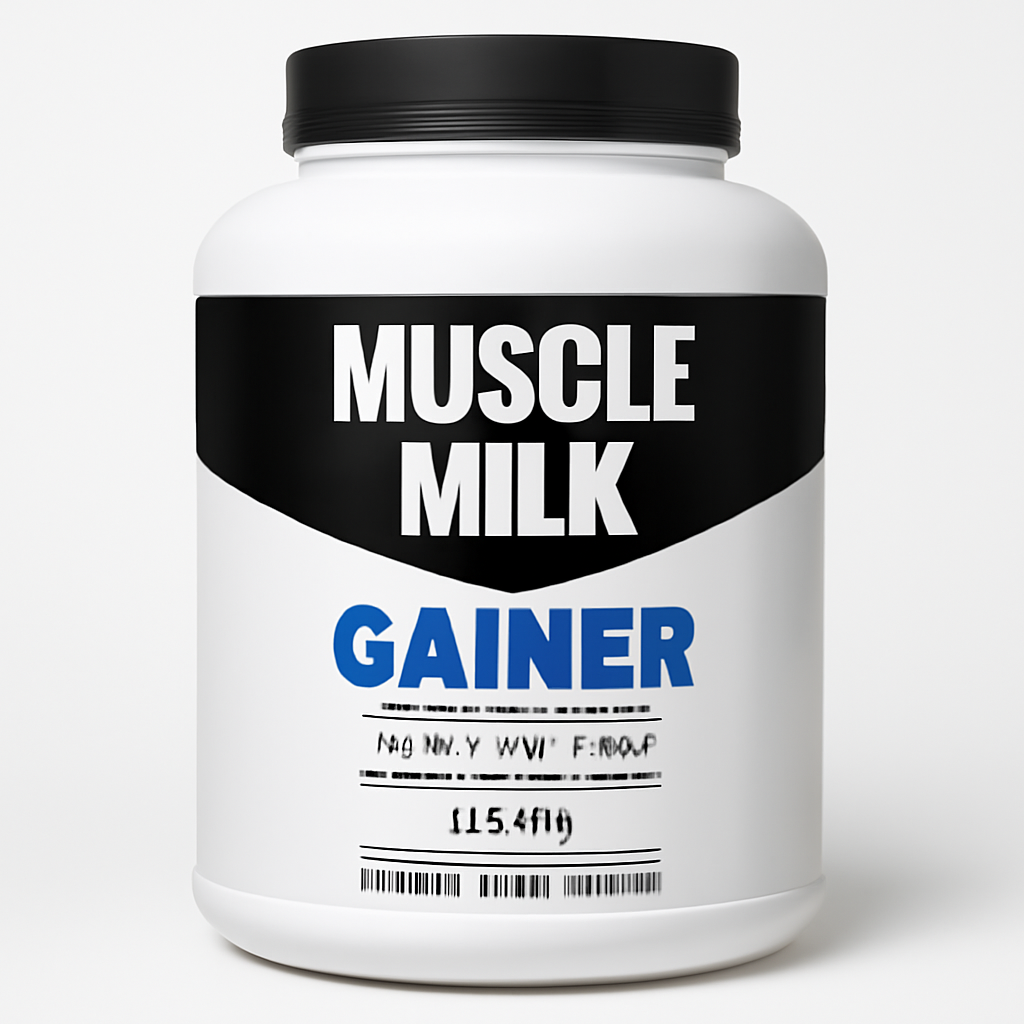
If you’re trying to gain weight and muscle, you need a protein powder that delivers real calories, quality protein, and micronutrients—not just an expensive protein shake. The best weight-gain powders contain 500-1,200 calories per serving, at least 25g of protein, and include carbs and healthy fats to support a caloric surplus. Optimum Nutrition Serious Mass leads the market for muscle builders, while MuscleMilk Gainer offers better macros for cleaner gains. Budget shoppers should consider Naked Nutrition Mass Gainer.
—
What to Look for in Weight Gain Protein Powders
Calorie Content is King
The biggest mistake beginners make? Buying regular protein powder and expecting to gain weight. You need calories in excess of maintenance to build muscle and gain weight. That’s why dedicated mass gainers exist.
Look for powders with:
– 500-1,200 calories per serving (some high-calorie formulas go higher)
– Multiple calorie sources: whey protein, maltodextrin, oat flour, and healthy fats
– Serving transparency: can you mix it with whole milk vs. water? Does that change the math?
A 2,000-calorie shake sounds appealing, but it’s often impractical. You’ll be downing a thick, chalky mixture that sits in your stomach. A 600-900 calorie shake mixed with whole milk hits the sweet spot for most lifters.
Protein Quality and Quantity
You still need real protein. Look for:
– 25-50g of protein per serving (mass gainers prioritize carbs/fats, so protein content varies)
– Whey protein concentrate or isolate as the primary ingredient
– Essential amino acids (BCAAs): leucine matters most for muscle protein synthesis
– Digestibility: whey protein is absorbed quickly, ideal post-workout
Don’t be fooled by astronomical protein claims. A 1,200-calorie gainer with 75g of protein is mostly carbs—which is fine for bulking, but own that reality.
Macronutrient Ratio
Your macro balance depends on your goals and training phase:
– Aggressive bulking (faster gains, more fat): 1g protein : 2-3g carbs : 0.5g fat per pound of body weight
– Clean bulking (lean gains): 1g protein : 1.5-2g carbs : 0.3g fat per pound
– Endurance/recovery focus: higher carbs, moderate protein, minimal fat
Mass gainers typically skew toward 3:1 or 4:1 carb-to-protein ratios. This works for hardgainers who struggle to eat enough food naturally. If you eat large meals already, you might want a lower-ratio gainer (closer to 1:1 or 2:1).
Ingredient Quality and Digestibility
Added sugars matter less than you think when bulking—you’re in a caloric surplus intentionally. But excessive sugar (>15g per serving) can:
– Cause blood sugar crashes and energy dips
– Lead to stomach bloating
– Increase fat storage efficiency (not always bad, but worth monitoring)
Better gainers use:
– Whole food carb sources: oat flour, brown rice flour, quinoa
– Healthy fats: coconut oil, MCT oil, flax seed
– Digestive enzymes: bromelain, lipase, amylase (reduce bloating)
– Minimal fillers: fewer artificial flavors and sweeteners = easier digestion
Taste and Mixability
This matters way more than supplement marketers admit. If your gainer tastes like chalk mixed with cardboard, you won’t stick with it. A consistent routine beats the “optimal” formula taken sporadically.
Good mass gainers should:
– Mix smoothly (no clumping, even with whole milk)
– Taste decent straight, but blend well with oats, peanut butter, or banana
– Not leave a chemical aftertaste that lingers for hours
—
Top Protein Powders for Bulking in 2026
1. Optimum Nutrition Serious Mass
Best for: Hardgainers and aggressive bulking
Optimum Nutrition’s Serious Mass has been the market leader since the early 2000s—and it still holds up in 2026.
Per serving (334g):
– Calories: 1,270
– Protein: 50g
– Carbs: 251g
– Fat: 17g
– Added sugar: ~20g
Why it works:
– High calorie density supports rapid weight gain
– Uses whey protein concentrate (cost-effective, still quality)
– Includes creatine monohydrate (5g per serving)
– Proven formula; doesn’t reinvent the wheel
– Available in 12 flavors (Vanilla, Chocolate, Strawberry, Cookies & Cream, etc.)
Pros:
– Affordable per serving (~$1.50-2.00)
– Mixes well, even with water
– Includes creatine (saves you money vs. buying separately)
– Time-tested formula with real community feedback
– High calorie delivery in one shake
Cons:
– Thick and difficult to drink multiple shakes daily
– Contains some artificial sweeteners and flavors
– Protein is from concentrate (less pure than isolate, but fine for bulking)
– Can cause bloating if consumed too quickly
– Highest calorie option might overshadow other food intake
—
2. MuscleMilk Gainer
Best for: Cleaner bulk with better macro balance
MuscleMilk’s mass gainer formula shifts the ratio toward more balanced macros, appealing to lifters who want gains without excessive fat accumulation.
Per serving (approximately 227g):
– Calories: 600-700
– Protein: 32g
– Carbs: 85g
– Fat: 10g
– Added sugar: ~13g
Why it works:
– Mid-range calorie content (easier to consume multiple servings daily)
– Better protein-to-calorie ratio than competitors
– Uses whey protein isolate (higher quality, faster absorption)
– Includes added vitamins and minerals for micronutrient support
– Smoother taste compared to heavier gainers
Pros:
– Ideal for lifters not trying to gain body fat aggressively
– Cleaner macros support longer bulk phases
– Lighter texture; easier to drink 2-3 servings daily
– Whey isolate base means faster digestion and less bloating
– Works well as post-workout or between-meal shake
Cons:
– Calorie density lower than Serious Mass (needs more total volume)
– Slightly higher cost per serving (~$2.00-2.50)
– Less creatine or other extras included
– Smaller serving size may feel less “substantial”
—
3. Naked Nutrition Mass Gainer
Best for: Budget-conscious bulking and clean ingredients
Naked Nutrition emphasizes whole-food ingredient lists with minimal additives. If you’re sensitive to artificial sweeteners or digestive upset, this is worth the cost premium.
Per serving (approximately 240g):
– Calories: 600
– Protein: 30g
– Carbs: 95g
– Fat: 5g
– Added sugar: ~2g
Why it works:
– Uses organic brown rice flour and oat flour (whole-food carbs)
– Whey protein isolate (clean, fast-absorbing)
– Includes probiotics and digestive enzymes
– Minimal added sugars (carbs come from whole grains)
– No artificial flavors, sweeteners, or colors
Pros:
– Cleanest ingredient list of mainstream gainers
– Easier digestion for sensitive stomachs
– Real whole-food sources build positive nutrition habits
– Lower sugar = steadier energy, less bloating
– Aligns with “clean bulk” philosophy
Cons:
– Premium pricing (~$2.50-3.00 per serving)
– Fewer flavor options
– Lower calorie density (requires more scoops for equivalent calories)
– Bulkier shakes (harder to drink multiple daily)
– Might be overkill if cost matters more than ingredient purity
—
4. Dymatize Super Mass Gainer
Best for: Balanced approach with moderate price
Dymatize fills the middle ground—quality ingredients without Naked Nutrition’s premium cost.
Per serving (approximately 343g):
– Calories: 1,280
– Protein: 55g
– Carbs: 245g
– Fat: 18g
– Added sugar: ~18g
Why it works:
– High calorie content without being the thickest on the market
– Decent protein percentage for a mass gainer
– Includes creapure creatine (German-sourced, high quality)
– BCAAs and amino acid additions support recovery
– Costs less than Naked Nutrition, more than Serious Mass
Pros:
– Good macro balance for serious lifters
– Reasonable texture/mixability given calorie density
– Creatine inclusion adds value
– Mid-range pricing makes it accessible
– Diverse flavor selection
Cons:
– Not as lean as MuscleMilk or Naked Nutrition
– Contains some artificial sweeteners
– Thicker texture (harder to consume multiple daily shakes)
—
Calorie and Macronutrient Breakdown Comparison
| Product | Calories/Serving | Protein (g) | Carbs (g) | Fat (g) | Price/Serving | Best For |
| Optimum Nutrition Serious Mass | 1,270 | 50 | 251 | 17 | ~$1.75 | Maximum bulk, hardgainers |
| MuscleMilk Gainer | 650 | 32 | 85 | 10 | ~$2.25 | Clean bulk, 2-3 shakes daily |
| Naked Nutrition Mass Gainer | 600 | 30 | 95 | 5 | ~$2.75 | Clean ingredients, digestibility |
| Dymatize Super Mass | 1,280 | 55 | 245 | 18 | ~$1.90 | Balanced macros, mid-range price |
—
Best Budget-Friendly Options for Mass Gain
When Cost is Your Priority
If you’re on a tight budget, Optimum Nutrition Serious Mass still wins. At roughly $1.50-2.00 per serving, you’re getting:
– 1,270 calories (significant caloric boost)
– 50g of protein
– Included creatine monohydrate
The math:
– Buy a 12-lb container: ~$80-100
– That’s roughly 15-16 servings per container
– Cost per serving: ~$5.50-6.50, or $1.75 per serving if you use two scoops (258g serving)
Compare this to eating the equivalent calories in whole food:
– Whole milk (1 cup): 150 calories, $0.40
– Peanut butter (2 tbsp): 190 calories, $0.50
– Oats (½ cup dry): 150 calories, $0.30
– Banana: 100 calories, $0.20
– Whey powder (30g): 120 calories, $0.80
Total: 710 calories for ~$2.20
So mass gainer isn’t always cheaper per calorie, but it’s convenient and time-efficient. If you’re a hardgainer struggling to eat, convenience justifies the cost.
Budget Alternative Strategy
Instead of buying expensive mass gainers, build your own:
– Base: Optimum Nutrition Gold Standard Whey (~$0.80/serving)
– Carbs: Bulk oat flour (~$0.20/100g serving)
– Fats: Peanut butter or coconut oil (~$0.30/serving)
– Liquid: Whole milk (~$0.40/cup)
DIY macro control: Custom shakes let you hit exact calorie targets without overpaying for branded mass gainers. This works best if you don’t mind 5 minutes of blending daily.
—
How to Use Protein Powder Effectively for Weight Gain
Timing and Frequency
When to drink it:
– Post-workout (within 2 hours): fastest absorption, supports muscle protein synthesis
– Between meals: bridge caloric gaps, especially for hardgainers
– Before bed: slow-digesting casein options provide sustained amino acid delivery (though whey works in a pinch)
– Morning: convenient breakfast replacement
How often:
– 1-2 servings daily for lifters eating solid food regularly
– 2-3 servings daily for hardgainers or those with low appetite
– Never replace whole meals entirely—mass gainers supplement, not replace
Mixing for Maximum Calories
Water:
– Minimal calories added
– Thickest, hardest to drink
– Best for post-workout when taste matters less
Whole milk:
– +150 calories per cup
– Smoother, better taste
– Easier to consume
– Recommended for mass gainers
Oats/banana/peanut butter:
– +200-400 calories
– Thicker texture, more “meal-like”
– Better sustained energy
– Best for breakfast or pre-bed shakes
Pro formula: 1 scoop mass gainer + 1 cup whole milk + ½ banana + 1 tbsp peanut butter = ~900-1,000 calories with balanced macros.
Frequency and Quantity
For a 3,500 calorie daily surplus (1 lb weight gain per week):
Scenario A (multiple shakes):
– Breakfast: 1 mass gainer shake (650 cal)
– Lunch: Solid food (700 cal)
– Post-workout: 1 mass gainer shake (650 cal)
– Dinner: Solid food (1,000 cal)
– Total: 3,000 calories (adjust whole foods slightly)
Scenario B (single shake):
– Breakfast: Solid food (800 cal)
– Lunch: Solid food (900 cal)
– Pre/post-workout: 1 mass gainer shake (1,270 cal)
– Dinner: Solid food (900 cal)
– Total: 3,870 calories
Choose based on your appetite and schedule.
Tracking Progress
You’re not “bulking” if you’re not gaining weight. Track:
– Body weight: weigh daily (morning, after bathroom), average weekly
– Strength: can you lift more weight for the same reps?
– Photos: monthly, same lighting and clothing
– Calories consumed: log food intake weekly to ensure surplus
Expected progress:
– Week 1-2: 2-4 lbs gained (mostly water)
– Week 3-8: 0.5-1.5 lbs per week (healthy bulk range)
– If not gaining after 3 weeks: add 300-500 calories daily
—
Potential Side Effects and Safety Considerations
Common Issues with Mass Gainers
Digestive Bloating:
– Cause: high calorie density, lactose (in whey), maltodextrin, fat content
– Solutions:
– Drink more slowly; don’t chug
– Mix with water instead of milk
– Choose a product with digestive enzymes
– Split one large serving into two smaller ones
Stomach Upset/Diarrhea:
– Cause: lactose intolerance, artificial sweeteners (sugar alcohols), overeating
– Solutions:
– Switch to whey isolate (lower lactose)
– Choose sweetener-free or low-sweetener options
– Reduce serving size
– Spread consumption throughout the day
Constipation:
– Cause: protein overload, dehydration, low fiber
– Solutions:
– Drink at least 3-4 liters of water daily
– Add fiber sources (oats, vegetables)
– Choose gainers with whole-grain carbs
Acne or Skin Issues:
– Cause: hormonal changes from rapid weight gain, dairy (in some people), excess calories
– Solutions:
– This is often normal during bulking; prioritize cleansing
– Consider dairy-free gainers if you’re sensitive
– Reduce overall calories if extreme
– Monitor during cutting phase