# Best Desk Chairs 2026 | Top Picks for Home Office
Quick Answer
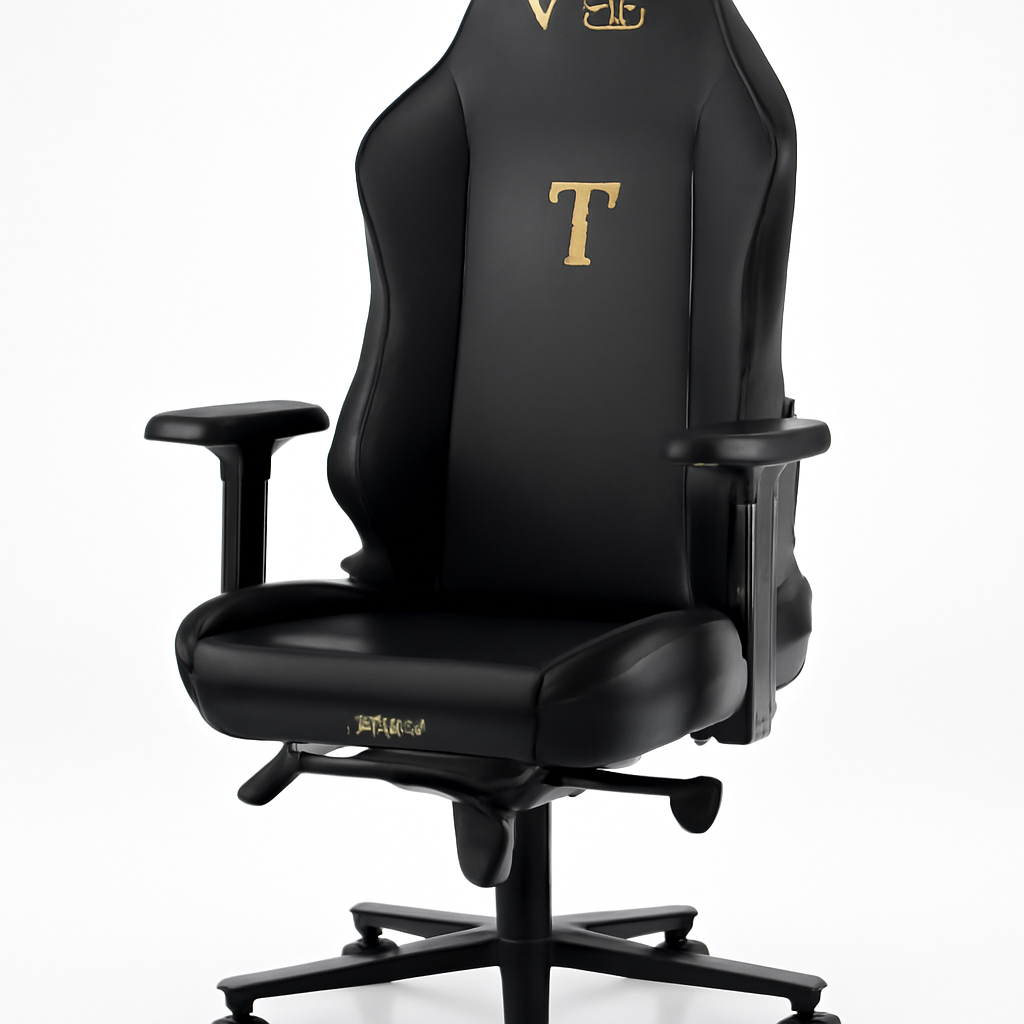
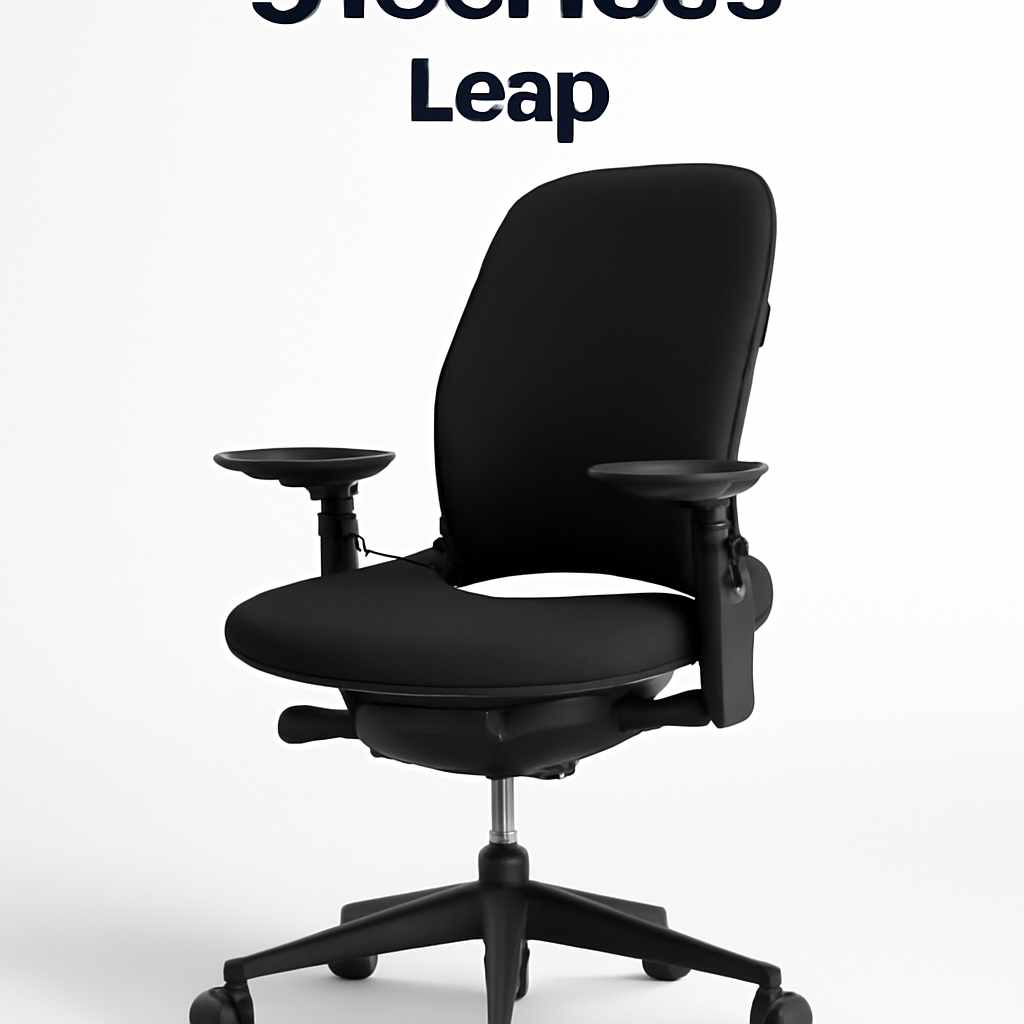
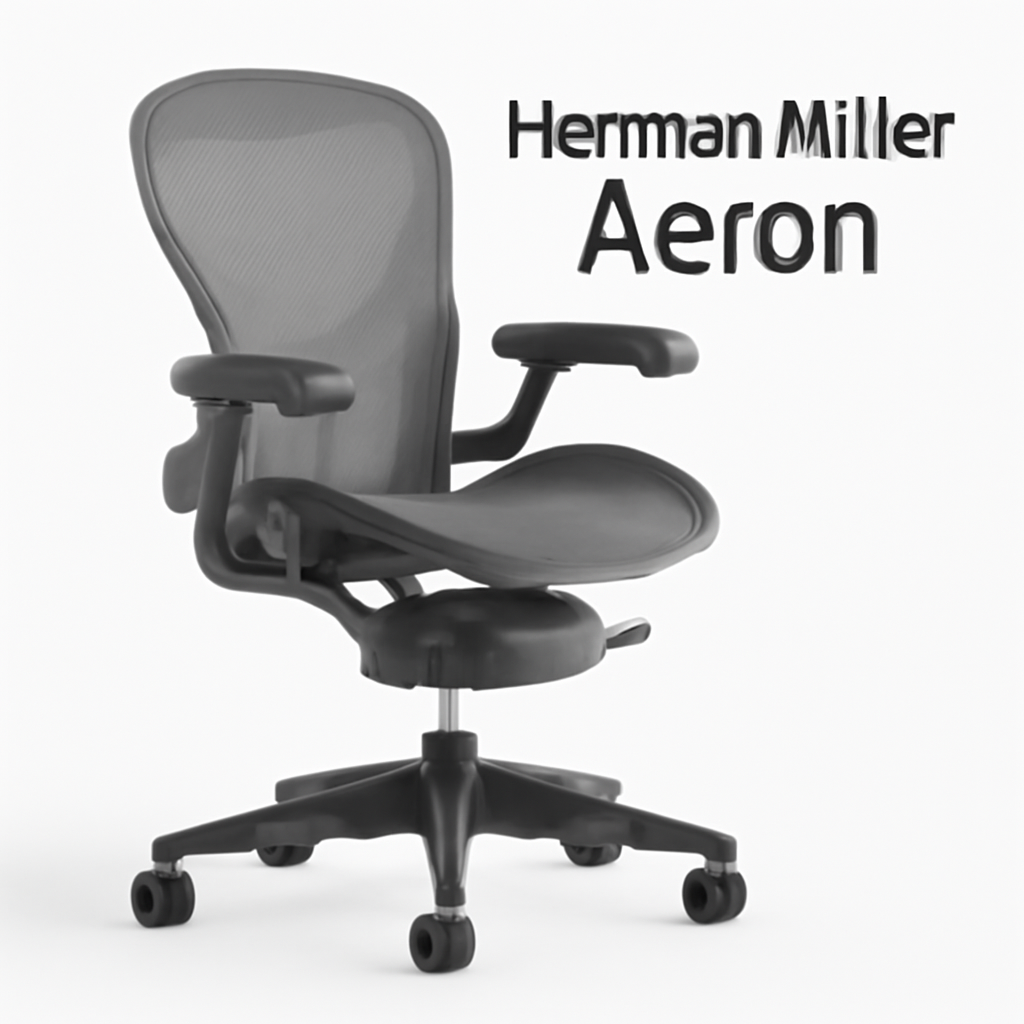
If you’re shopping for a desk chair in 2026, you want something that balances ergonomic support with real comfort during 8+ hour workdays. The Herman Miller Aeron CHECK PRICE] remains the gold standard for all-day comfort, while the [Steelcase Leap CHECK PRICE] leads in customization. On a budget? The [SIDIZ T50 CHECK PRICE] delivers surprising quality without the enterprise price tag. And if you need a chair that handles both work and gaming, the [Secretlab Titan Evo [CHECK PRICE] is worth the investment.
Read on to find the right chair for your setup, body type, and budget.
—
What Makes a Great Desk Chair in 2026?
The desk chair market has evolved significantly by 2026. It’s no longer about finding something that looks cool or costs the least—it’s about finding a chair that genuinely supports your body through a full workday without causing back pain, neck strain, or shoulder tension.
Here’s what separates good desk chairs from ones that’ll collect dust in your spare room:
Lumbar Support That Actually Works
Your lower back naturally curves inward. A great desk chair supports this curve without forcing your spine into an unnatural position. In 2026, the best chairs offer adjustable lumbar support so you can dial it in for your body, not some theoretical “average” person.
Seat Depth and Width Matter
If your seat is too deep, the front edge digs into your thighs. Too shallow, and you’re perched on the edge. A quality chair in 2026 has a seat depth between 16-17 inches and enough width to support your hips without being oversized.
Adjustability Across the Board
You should be able to adjust armrest height, seat height, backrest angle, and lumbar support. Preferably without tools. If the chair can’t adapt to you, it’s just a status symbol.
Breathable Materials
Mesh backs became standard years ago because they actually work. In 2026, the best chairs use high-quality mesh or hybrid fabrics that don’t feel like you’re sitting on plastic by hour 6 of your workday.
Base and Wheels That Last
A 5-star caster base with smooth-rolling wheels means you can move around without that scratchy, sticky feeling. Look for chairs with ball-bearing casters rated for your floor type.
—
Best Overall Desk Chair for Comfort & Support
Herman Miller Aeron [CHECK PRICE]
The Herman Miller Aeron remains the benchmark in 2026 for a reason. This isn’t a trendy pick—it’s the chair you see in design studios, law offices, and serious home offices everywhere.
Why it wins:
– The PostureFit lumbar system actually cradles your lower back and distributes pressure across your entire spine, not just one point
– Eight different size options (including XS and XL) mean the chair adapts to your body, not the other way around
– Perfectly balanced seat depth, backrest angle, and armrest geometry that feels supportive without restrictive
– 12-year warranty (even on the fabric) shows Herman Miller’s confidence in durability
Pros:
– Exceptional long-term comfort; people who own these often say they forget they’re sitting
– Highly adjustable with intuitive controls
– Resells well if you ever need to change chairs
– Built for 24/7 operation (healthcare facilities use these)
Cons:
– Premium price point—this is a significant investment
– Takes time to dial in all adjustments properly
– Minimalist design won’t appeal to everyone aesthetically
– Slightly firm feel that takes a week or two to break in
Best for: Anyone spending 6+ hours daily at a desk who values long-term support and is willing to invest in quality. Developers, writers, designers, and anyone dealing with chronic back issues.
—
Best Budget-Friendly Desk Chair
SIDIZ T50 [CHECK PRICE]
The SIDIZ T50 is what happens when a serious ergonomics company (SIDIZ is the Korean manufacturer behind many enterprise solutions) decides to build an affordable chair without cutting corners on what actually matters.
Why it works on a budget:
– Adjustable lumbar support with 5 levels
– Proper seat depth and backrest curvature (not just a flat panel)
– Breathable mesh back
– Height adjustment range works for most body types
– You’re paying for engineering, not brand prestige
Pros:
– Real ergonomic features at 40-50% less than premium brands
– Surprisingly durable mesh construction
– Adjustable arms and recline function
– Compact footprint works in smaller spaces
Cons:
– Less customization than higher-end chairs
– Controls are less intuitive than Herman Miller or Steelcase models
– Availability varies by region (mainly sold online)
– Seat cushion is firmer than some prefer immediately
Best for: Freelancers, students, and remote workers on a budget who still want genuine ergonomic support. Anyone testing the waters before committing to a $1,500+ chair.
—
Best Ergonomic Desk Chair for Long Work Days
Steelcase Leap [CHECK PRICE]
If the Herman Miller Aeron is the comfort standard, the Steelcase Leap is the customization king. In 2026, Steelcase has refined this chair to be slightly less intimidating than earlier versions while maintaining its industry-leading adjustability.
Why ergonomics professionals recommend it:
– LiveLumbar technology adapts to your spine’s natural shape as you move, not just in one fixed position
– Seat slide adjustment (usually missing on budget chairs) lets you position your hips perfectly
– Armrests adjust independently in height, width, and depth
– Natural glide technology in the backrest angles with you—it’s not fighting your movement
Pros:
– Maximum customization for different body types and work styles
– Exceptionally responsive—adjustments feel refined and precise
– Excellent for people who move around a lot throughout the day
– Incredibly durable; used extensively in demanding office environments
Cons:
– Steep learning curve with all the adjustment options
– Price approaches Herman Miller territory
– Styling is corporate/industrial (fine for offices, less trendy for living rooms)
– Requires actual instruction to set up optimally
Best for: People with specific ergonomic needs (past injuries, unusual height, specific back issues). Also ideal for anyone who sits in multiple positions throughout the day. Professionals who can dial in customization for a completely personalized fit.
—
Best Gaming & High-Performance Desk Chair
Secretlab Titan Evo [CHECK PRICE]
The Secretlab Titan Evo bridges the gap between gaming aesthetics and genuine ergonomic engineering. This is what a gaming chair looks like when it’s designed by people who actually understand spinal health.
Why it’s different from typical “gaming” chairs:
– Comes in multiple sizes (Small, Regular, XL) with proper lumbar curves for each, not one-size-fits-most
– 4D adjustable armrests (height, width, depth, angle)
– Tilting mechanism allows up to 180-degree recline without sacrificing support
– Designed for extended gaming marathons and work sessions
– Premium materials that don’t feel cheap after a year of use
Pros:
– Actually supports long play/work sessions without your back screaming
– Recline function is genuinely useful for switching between work and relaxation
– Build quality is excellent; this is a chair you’ll have for 5+ years
– Unique aesthetic appeals to gaming and esports audiences without looking juvenile
Cons:
– Premium pricing for a gaming-branded chair
– Not as minimal as pure office chairs (more visual presence)
– Recline feature adds complexity if you prefer simplicity
– Shipping can be slow due to build-to-order model
Best for: Gamers who stream or play seriously for 4+ hours daily. Anyone who alternates between intense work focus and relaxation at their desk. Content creators who need a chair that handles both.
—
Desk Chair Buying Guide: Features to Consider
Lumbar Support
This is the #1 thing that separates chairs that feel good for 8 hours from chairs that destroy your back by hour 4.
Fixed vs. Adjustable Lumbar Support:
– Fixed: Chair has a built-in lumbar curve. Works great if the curve matches your spine. Disaster if it doesn’t.
– Adjustable: You control the lumbar curve via a dial or lever. Takes 10 minutes to dial in, saves your back for years.
What to look for: Adjustable support that fits your lower back without pressing painfully into any one spot.
Seat Dimensions
| Measurement | Ideal Range | What It Affects |
| Seat Depth | 16-17 inches | Prevents thigh pressure; allows 2-3 finger gap between seat edge and back of knees |
| Seat Width | 16-18 inches | Your hips shouldn’t touch the sides; shouldn’t feel oversized either |
| Seat Height Range | 17-21 inches | Feet should be flat on floor; thighs parallel to ground at 90° hip angle |
| Backrest Height | 12-14 inches above seat | Supports mid/lower back; reaches upper back without pressing on shoulder blades |
Armrest Adjustability
In 2026, quality desk chairs offer adjustable armrests. Period. Here’s what “fully adjustable” means:
– Height adjustment: Your elbows should rest comfortably at 90 degrees while seated
– Width adjustment: Arms shouldn’t squeeze your torso or hang too far away
– Depth adjustment: Armrests shouldn’t force your arms into awkward positions relative to your desk
– Angle adjustment: Top surface should angle slightly inward (preferable but less common)
Material and Breathability
Mesh: Industry standard for 2026. Breathes well, relatively easy to clean, but shows dust. High-quality mesh feels sturdy; cheap mesh feels plasticky.
Fabric blends: Mix of mesh and woven material. Often looks more professional than pure mesh, offers slightly more cushioning.
Leather/vinyl: Not recommended for long daily use. Gets hot, cracks over time, poor breathability. Fine for occasional use.
Hybrid: Best-in-class material in 2026. Mesh back with cushioned fabric seat. Balances support, breathability, and comfort.
Recline Function
Not essential, but genuinely useful if you work from a desk-and-couch hybrid setup.
– Angle range: 90-130 degrees is adequate; 180 degrees is overkill unless you nap at work
– Tension control: Should recline smoothly without feeling loose or requiring excessive force
– Locking mechanism: Ability to lock at specific angles prevents the chair from unexpectedly reclining
Base and Wheels
Five-star bases are universal by 2026 (for good reason). What matters:
– Caster quality: Ball-bearing casters roll more smoothly than basic wheels
– Floor compatibility: Hard-floor casters for tile/wood; soft casters for carpet
– Range of motion: Should swivel a full 360 degrees without sticking
—
How to Set Up Your Desk Chair for Optimal Posture
Buying the right chair is step one. Setting it up correctly is step two—and many people skip this.
Initial Height Adjustment
1. Feet flat on floor or footrest: Your feet should be completely flat, not dangling or stretching
2. Thighs parallel to ground: Your hips and knees should form roughly 90-degree angles
3. Arms at desk level: Elbows bent at 90 degrees when resting on armrests or desk
Check: Adjust seat height until these three things align. This is the foundation for everything else.
Lumbar Support Configuration
1. Find your curve: The lumbar curve should match the natural inward curve of your lower back (the lordotic curve)
2. Set initial position: If adjustable, start at a neutral middle position
3. Fine-tune: Sit for 5-10 minutes, then adjust slightly if you feel pressure in one spot or lack of support
4. Check during work: After 2-3 hours, reassess. You might need micro-adjustments
Armrest Positioning
1. Height: Armrests should allow your elbows to rest naturally at 90 degrees with your forearms parallel to the desk
2. Position: Inward so your shoulders stay relaxed, not pulled outward
3. Distance: Close enough to rest your arms without turning your shoulders inward
Pro tip: If your desk is low and your chair armrests block you from sliding in properly, you can remove many armrests entirely. Some chairs have armrests that pop out (this is a feature worth looking for).
Backrest Angle
1. Neutral position: 100-110 degrees is typical (slightly reclined from upright)
2. Tension: If your chair has tilt tension adjustment, dial it so the chair doesn’t recline unexpectedly but moves fluidly with your body
3. Locking: For typing/focused work, lock the backrest at your ideal angle. For varied tasks, leave it unlocked for micro-adjustments
Daily Posture Checks
Even the best chair won’t prevent poor posture on its own. Every 30-45 minutes:
– Reset your position: Slide back in the seat, feet on floor, shoulders down and back
– Check your neck: Screen should be at eye level (top of monitor at or slightly below eye height)
– Relax your arms: Elbows should be hanging naturally, not tensioned
– Take a break: Stand up, walk around, stretch. No chair is good for 8 uninterrupted hours
—
Quick Comparison: Top Picks at a Glance
| Product | Best For | Price Range | Key Feature |
| Herman Miller Aeron [CHECK PRICE] | Long-term comfort & support | $1,400-$1,700 | PostureFit lumbar system; 8 sizes |
| Steelcase Leap [CHECK PRICE] | Maximum customization | $1,500-$1,900 | LiveLumbar technology; adjustable seat slide |
| SIDIZ T50 [CHECK PRICE] | Budget-conscious buyers | $400-$600 | 5-level lumbar support; breathable mesh |
| Secretlab Titan Evo [CHECK PRICE] | Gaming & hybrid work | $500-$800 | 4D armrests; 180° recline; multiple sizes |
—
Our Verdict
Here’s what we recommend based on your situation:
If you have unlimited budget and work 8+ hours daily: Get the Herman Miller Aeron. It’s the safest investment in your spinal health, resells well, and you’ll use it for a decade. The warranty alone is worth it.
If you need maximum customization or have specific ergonomic needs: The Steelcase Leap is worth the premium. The LiveLumbar system and seat slide adjustment address pain points no other chair handles as well.
If you’re on a tight budget but refuse to compromise on support: The SIDIZ T50 punches way above its price point. You’ll get 80% of the benefits of a $1,500 chair for $500. That’s genuinely smart spending.
If you alternate between gaming/streaming and work: The Secretlab Titan Evo is the rare gaming chair that doesn’t sacrifice ergonomics for aesthetics. The multiple sizes and 4D armrests mean you can actually dial in support properly.
The Real Talk
In 2026, you’re not going to find a “best” desk chair that works for everyone. A chair that’s perfect for a 5’6″ person with a sedentary past back issue is going to be wrong for a 6’2″ person with no prior injuries.
What matters is this: Try before you commit if possible. Visit a showroom, sit in the chair for 5-10 minutes, adjust it properly, then sit for another 5 minutes. That brief test will tell you more than any review.
If online shopping is your only option (which is true for most people), prioritize chairs with good return policies and consider that the first 1-2 weeks will feel different as your body adjusts to proper support. Soreness in your lower back during week 1 of a new ergonomic chair is often just your muscles remembering how to sit correctly.
Your back will thank you for getting this right. Happy sitting.